

 English
 русский
 Português
 عربى
 فارسی
Industry News
 Home / News / Industry News / Upgrading Industrial Equipment? Why Should You Reconsider Your Vibration Motor Selection?
Upgrading Industrial Equipment? Why Should You Reconsider Your Vibration Motor Selection?
 Nov-20-2026
 Industry News
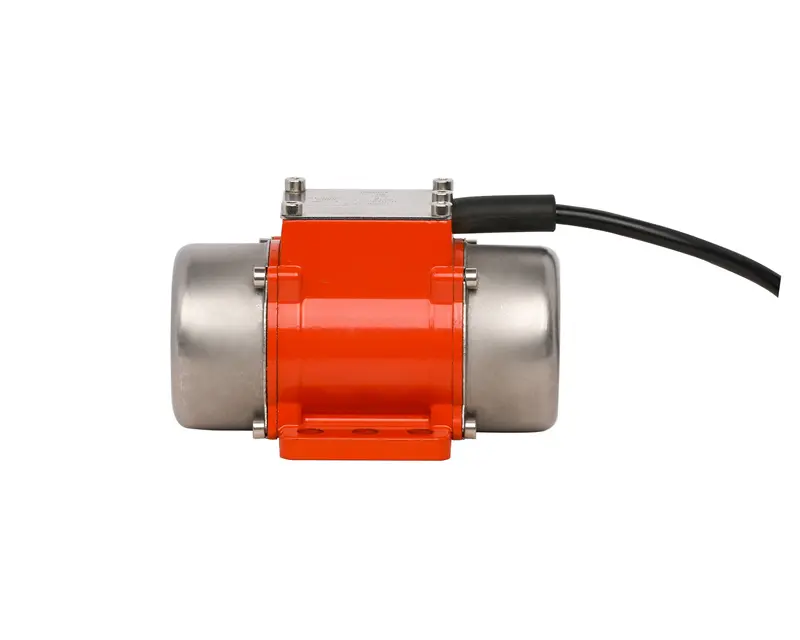
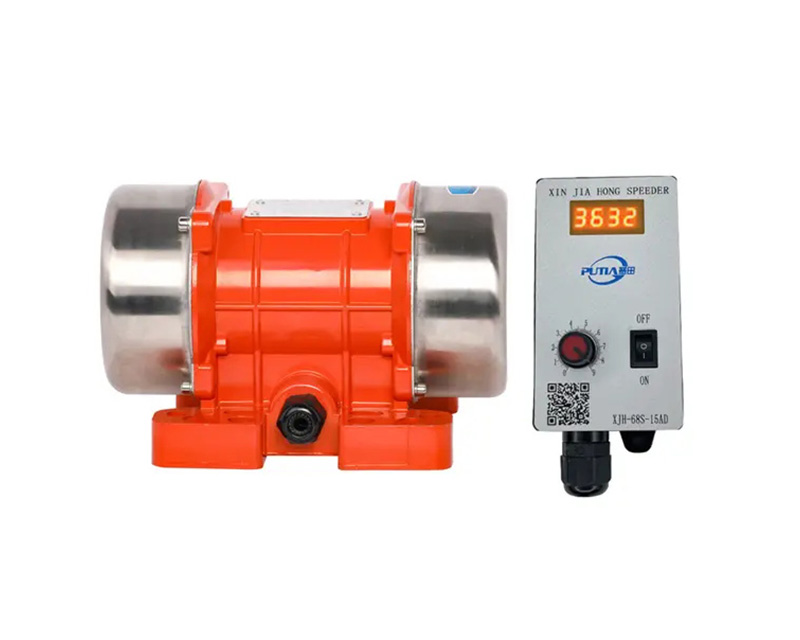
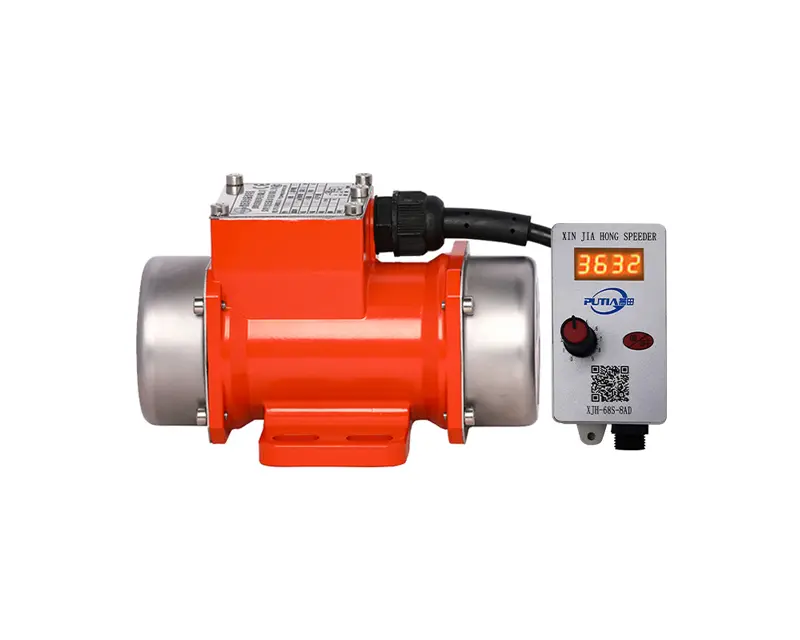
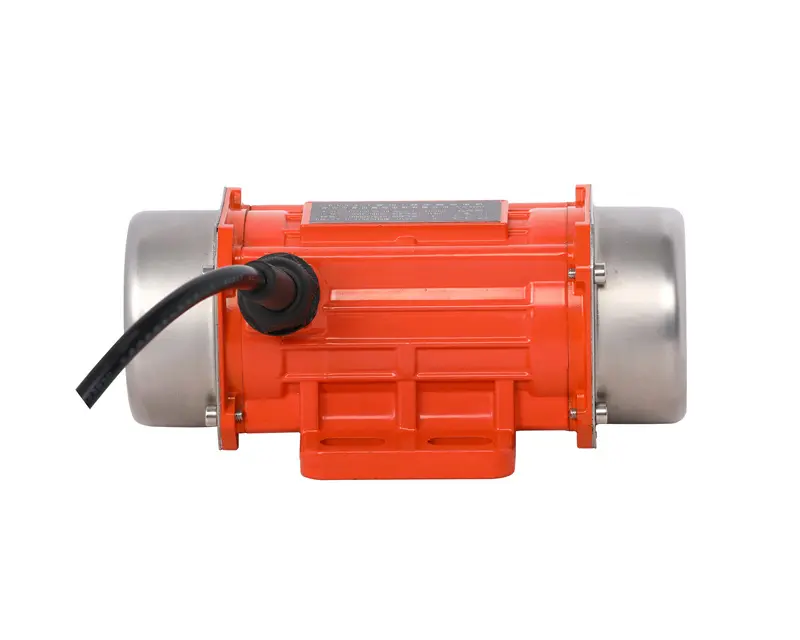
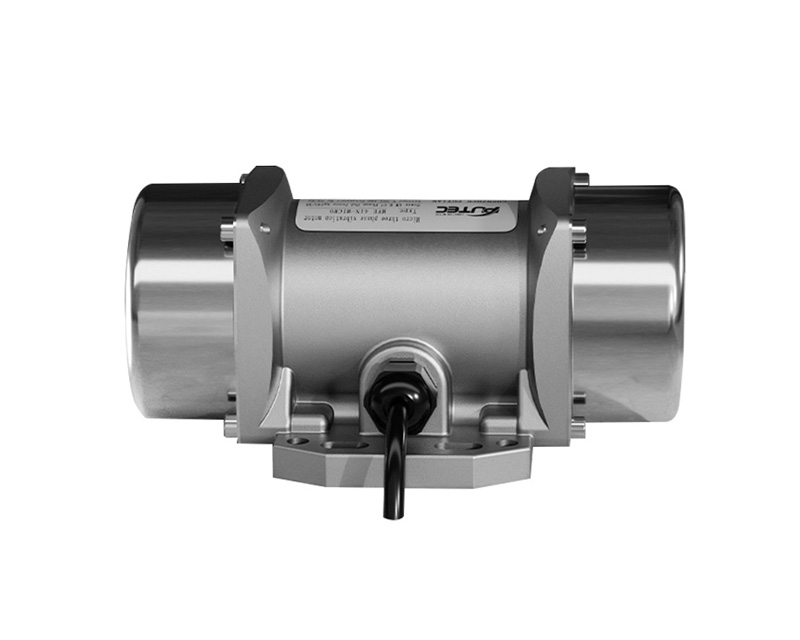
As manufacturing facilities invest in automation and production-line upgrades, many companies are looking for ways to improve equipment performance without replacing entire machine systems. Vibration equipment is no exception. Whether used in mining, material handling, food processing, or construction, an unsuitable motor can limit production efficiency and create unnecessary operating costs. For businesses planning equipment upgrades, working with an experienced Vibration motor manufacturer can help identify motor configurations that match updated production requirements while maintaining compatibility with existing machinery.
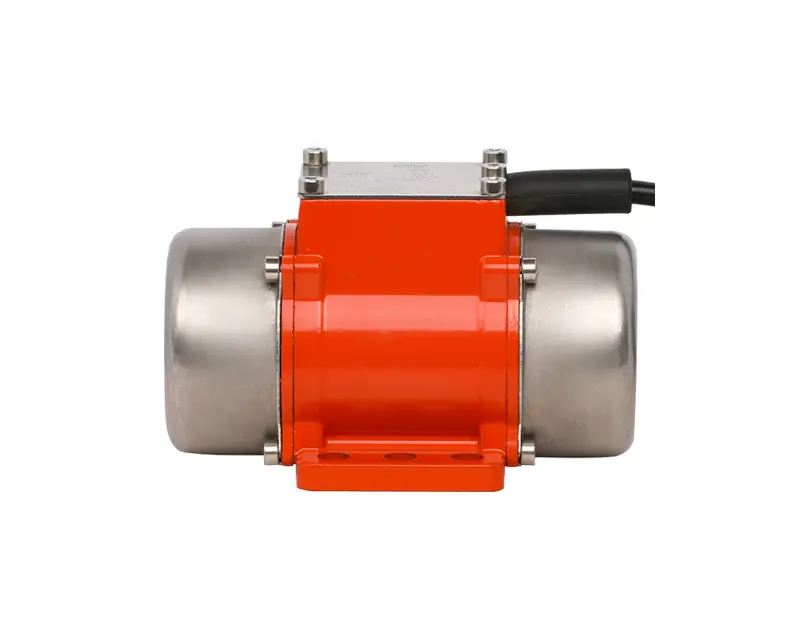
Equipment Upgrades Require More Than Simply Replacing an Old Motor
When an industrial machine begins to show declining performance, replacing the motor may seem like the straightforward solution. However, the original problem may involve changes in material load, machine structure, operating frequency, or installation conditions.
For example, a vibrating feeder handling heavier materials may require a different exciting force from its original configuration. Similarly, a screening machine operating under a higher production load may need adjustments to its vibration characteristics.
Before purchasing a replacement, engineers should review the equipment's current operating conditions rather than selecting a motor based solely on the previous model. This approach helps avoid compatibility issues and unnecessary investment.
How Can Motor Selection Influence Energy Consumption?
Energy efficiency has become an important consideration in industrial purchasing. According to the International Energy Agency's Energy Efficiency 2025 report, a significant proportion of industrial motors currently in operation are more than ten years old. Older equipment may have lower efficiency than newer alternatives.
However, selecting a new vibration motor does not automatically guarantee lower electricity consumption. Actual energy performance depends on motor efficiency, operating conditions, load characteristics, and the overall machine design.
Buyers should pay attention to several factors:
- Rated power: Ensure the motor output matches the equipment's actual requirements.
- Operating frequency: Confirm compatibility with the power supply and required vibration characteristics.
- Exciting force: Avoid selecting excessive vibration output that the application does not need.
- Motor efficiency: Compare applicable efficiency specifications and operating costs.
- Control compatibility: Check whether the motor can work with the existing electrical control system.
A balanced selection helps prevent unnecessary power demand while maintaining the vibration performance required by the production process.
Is Your Existing Machine Compatible with a Different Motor?
Motor replacement projects often involve more technical considerations than purchasing a new unit. Even when two motors have similar power ratings, differences in dimensions, mounting arrangements, shaft design, and electrical specifications can affect installation.
Engineers should verify the following information before confirming an order:
- Mounting hole positions and installation dimensions.
- Rated voltage and frequency.
- Rotational speed and pole configuration.
- Exciting force and eccentric weight adjustment range.
- Cable connection and terminal requirements.
Providing drawings or photographs of the existing installation can help manufacturers assess compatibility more accurately. For equipment builders handling multiple machine models, confirming these details early can also simplify spare-part management.
Why Does Adjustable Exciting Force Matter?
Different production materials respond differently to vibration. Particle size, moisture content, material density, and feeding conditions can all influence how vibration affects material movement.
Adjustable eccentric weights allow operators to modify the exciting force within the motor's specified range. This flexibility can be useful when one machine handles different materials or operates under changing production conditions.
For vibrating screens, suitable vibration output supports material separation. In feeding systems, it helps maintain controlled material movement. In concrete equipment, appropriate vibration assists compaction and air removal.
The objective is not to generate more vibration, but to achieve the required performance without placing unnecessary stress on the machine structure.
What Should Manufacturers Consider During Customization?
Standard vibration motors may not fit every industrial application. Equipment manufacturers sometimes require different voltage options, cable lengths, installation dimensions, or exciting force configurations to match their machine designs.
A capable supplier should understand these requirements before recommending a product. Technical communication is particularly important for OEM projects, where motor dimensions and electrical characteristics must align with the complete equipment design.
As a manufacturer, we focus on evaluating application requirements, reviewing technical specifications, and discussing suitable configurations with customers. This process helps equipment builders reduce integration difficulties and select products that support their intended operating conditions.
Making Equipment Modernization a More Practical Investment
Upgrading industrial equipment is not simply about installing newer components. It requires a clear understanding of production demands, electrical compatibility, mechanical conditions, and long-term operating costs.
Before purchasing a replacement motor, buyers should compare technical specifications, evaluate the existing installation, and discuss application requirements with the supplier. These steps can help avoid unnecessary modifications and improve the value of equipment upgrades.
Choosing the right Vibration motor manufacturer means finding a production partner that understands both motor performance and real industrial applications. With suitable product configurations and technical support, vibration motor upgrades can become a practical part of improving existing machinery and preparing production systems for changing manufacturing demands.
Mobile
Products
Contact Us
- Address: No.6 Building, Wanfeng 98 Industrial City, Shajing Street, Baoan District, Shenzhen, Guangdong, China.
- Phone: +86-18923719730 / +86-0755-27460501
- Fax: +86-0755-27460606
- E-mail: [email protected]
Copyright © Shenzhen Putian Vibration Motor Co., Ltd. All Rights Reserved.

