

 English
 русский
 Português
 عربى
عربى فارسی
فارسیIndustry News

Is Laser Alignment Worth the Investment
 May-22-2026
 Industry News
Precision alignment of rotating machinery represents one of the more impactful yet frequently underestimated maintenance practices in industrial settings. Across facilities deploying electrical motors and drives, misalignment persists as the primary mechanical contributor to premature bearing failure and energy waste. Shenzhen Putian Vibration Motor Co., Ltd. regularly encounters field cases where seemingly robust vibration technology systems underperform simply because the initial installation geometry exceeded acceptable tolerances. The question facing maintenance budgets everywhere: does laser alignment technology justify its acquisition cost compared to traditional dial-indicator methods?
The True Cost of Misalignment
Angular misalignment as small as 0.05 mm per 100 mm coupling diameter creates significant operational penalties. A 75 kW motor running at 1800 RPM with 0.15 mm parallel offset generates:
15–20% increase in bearing load
8–12% energy loss through coupling windage
Temperature elevation of 10–15°C at bearing housings
Coupling element replacement intervals reduced by 60%
These figures compound in vibration technology applications where excitation frequencies must remain tightly controlled. Material handling vibrators, for instance, transmit base motion amplitudes of 2–5 mm at 25–50 Hz. Any structural resonance introduced by misalignment amplifies undesirable harmonics, degrading process consistency.
Laser vs. Dial Indicator: Technical Comparison
Setup Efficiency
Dial indicator bracketing demands 2–4 hours for complex multi-element trains. Laser systems with adaptive brackets typically achieve initial setup in 20–40 minutes. For facilities maintaining 200+ rotating assets, this translates to 600+ labor hours recovered annually.
Measurement Resolution
Quality laser alignment systems provide 0.001 mm resolution with ±1% repeatability. Dial indicators, dependent on operator technique and bracket stiffness, typically achieve 0.01 mm practical resolution under field conditions. The tenfold precision difference becomes critical for high-speed machinery (>3600 RPM) where alignment tolerance tightens proportionally.
Live Adjustment Feedback
Modern laser systems display real-time coupling movement during shim corrections. Technicians observe horizontal and vertical position changes simultaneously, eliminating iterative measurement-adjustment cycles. Dial methods require uncoupling indicators between moves, introducing setup variation.
Documentation and Traceability
Laser platforms generate timestamped reports with thermal growth compensation values, soft-foot measurements, and target specifications. This data integrates directly with CMMS platforms for predictive maintenance trending—a capability dial indicators cannot replicate.
Soft-Foot: The Hidden Variable
Approximately 40% of alignment jobs reveal significant soft-foot conditions—where one machine foot fails to seat properly against the baseplate. Laser systems detect this through sequential foot loosening protocols, measuring frame distortion down to 0.02 mm. Uncorrected soft-foot creates periodic frame bending that vibration technology monitoring interprets as unbalance or misalignment, causing technicians to take incorrect correction paths.
Our recommended soft-foot correction sequence:
Loosen each foot bolt individually while monitoring vertical movement
Identify feet exceeding 0.05 mm lift
Shim or scrape contact surfaces before final alignment
Verify frame natural frequency remains above operating speed harmonics
Thermal Growth Compensation
Operating machinery achieves thermal equilibrium distinct from cold assembly conditions. Motor rotors typically grow 0.1–0.3 mm axially from ambient to full-load temperature. Laser systems incorporate thermal offset values, intentionally setting cold alignment positions that drift into ideal geometry at operating temperature.
Typical thermal offsets for common configurations:
Horizontal motor-pump: vertical rise 0.05–0.15 mm, horizontal expansion toward pump 0.1–0.2 mm
Vertical motor-fan: axial growth 0.2–0.4 mm downward
Turbine-generator: multi-point thermal monitoring with continuous laser tracking
ROI Calculation Framework
Acquisition cost for industrial-grade laser alignment systems ranges from $8,000 to $25,000. Payback analysis should incorporate:
Energy recovery: 2–5% efficiency gain on aligned systems
Bearing life extension: L10 life improvement 2–3×
Seal longevity: Mechanical seal MTBF increases 40–60%
Vibration reduction: Lower amplitude enables deferred vibration technology sensor upgrades
For a facility operating fifty 50 kW motors 6,000 hours annually, 3% energy savings alone recovers $18,000 yearly at $0.10/kWh—exceeding system cost within 12–18 months.
Implementation Best Practices
Technician Certification: 2–3 day manufacturer training ensures proper bracket placement and software interpretation
Baseplate Preparation: Clean, deburred contact surfaces within 0.05 mm flatness over 300 mm span
Coupling Selection: Spacer couplings accommodate thermal growth while maintaining torsional stiffness >10,000 Nm/rad
Verification Schedule: Re-check alignment after 500 operating hours following initial correction, then annually
Field Application Note
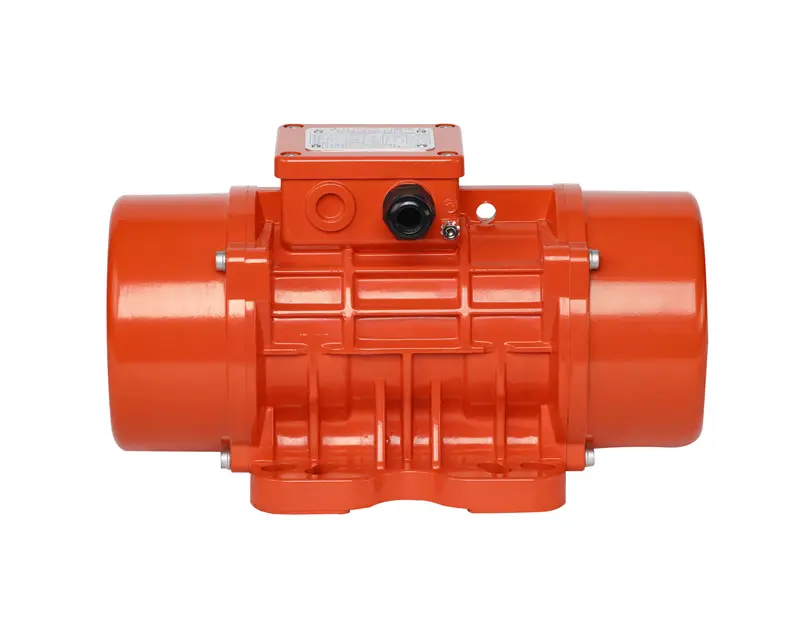
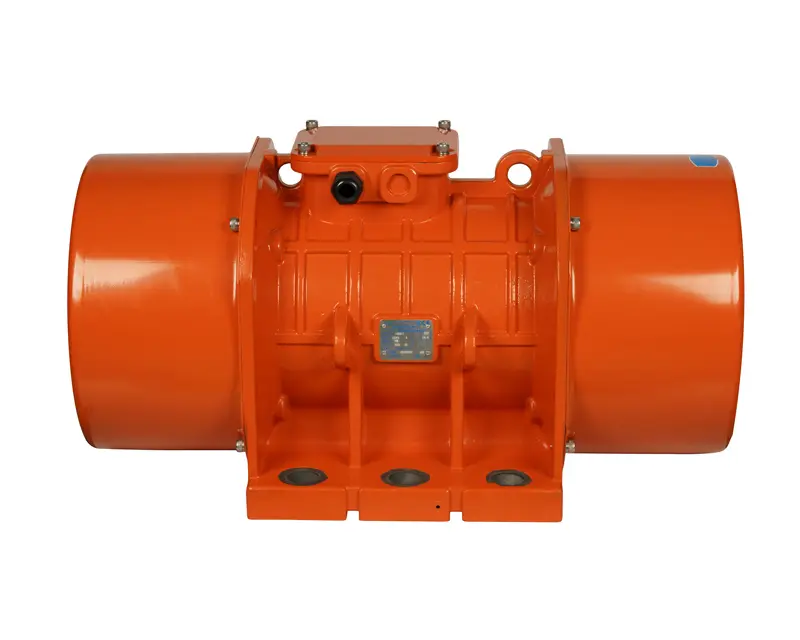
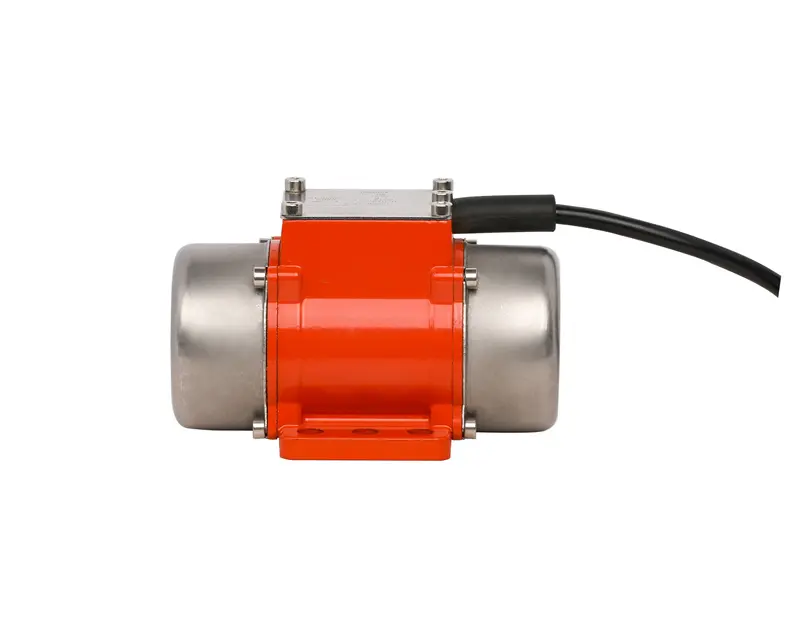
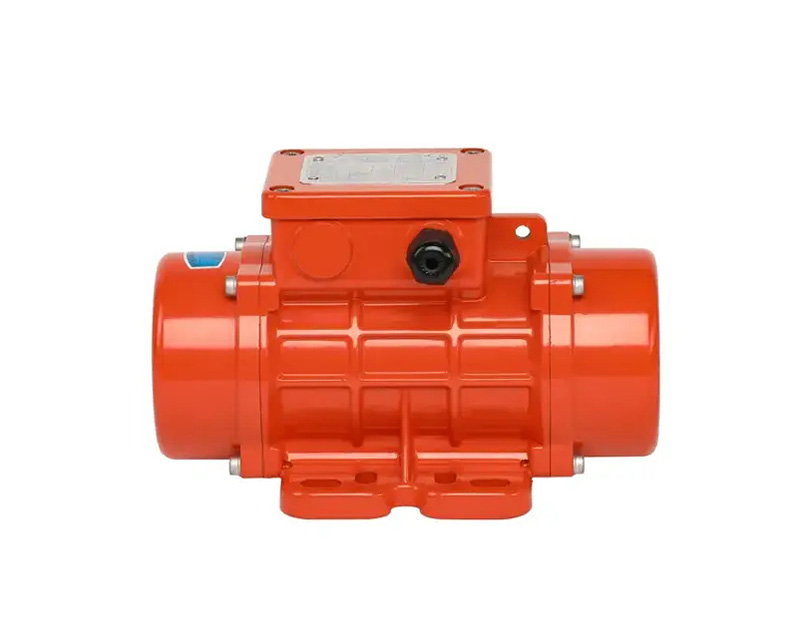
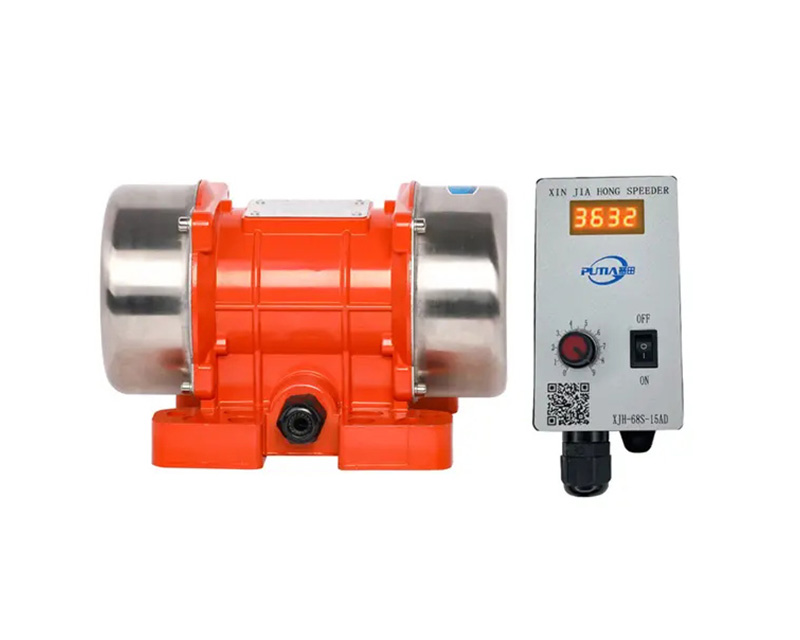
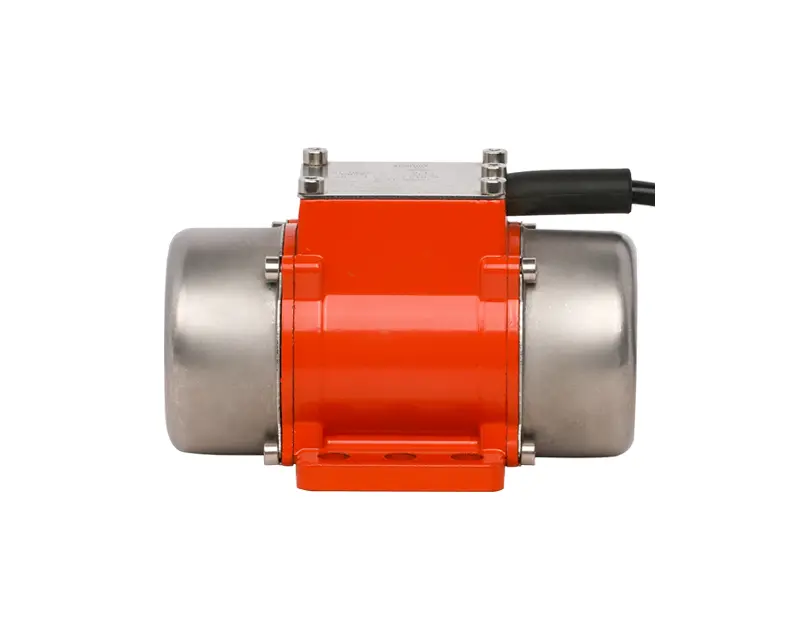
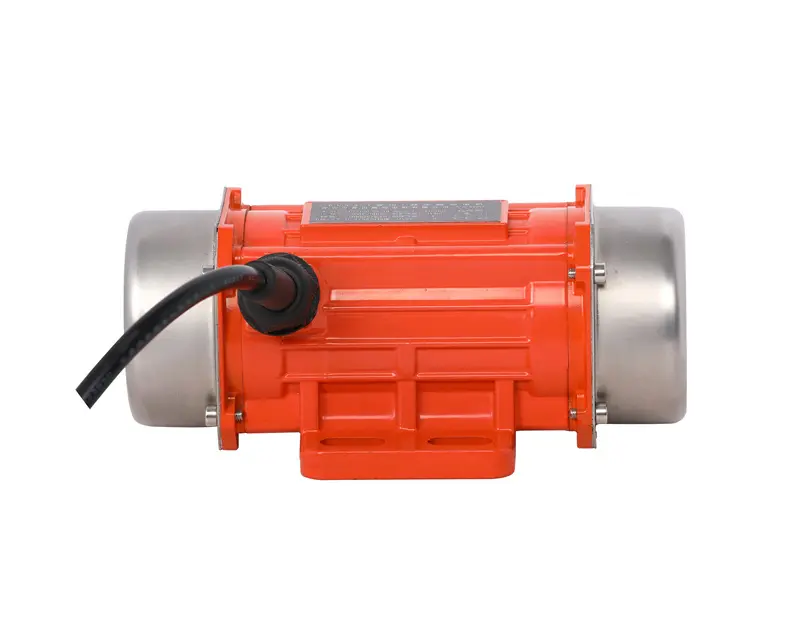
A concrete processing facility utilizing our PT-MVE series external vibrators experienced repeated bearing failures despite rigorous lubrication schedules. Laser assessment revealed 0.3 mm angular misalignment between motor and exciter shafts—introducing 7.2 mm/sec RMS vibration at 2× rotational frequency. Post-alignment vibration dropped to 1.8 mm/sec, extending bearing replacement intervals from 4 months to 22 months.
Mobile
Products
Contact Us
- Address: No.6 Building, Wanfeng 98 Industrial City, Shajing Street, Baoan District, Shenzhen, Guangdong, China.
- Phone: +86-18923719730 / +86-0755-27460501
- Fax: +86-0755-27460606
- E-mail: [email protected]
Copyright © Shenzhen Putian Vibration Motor Co., Ltd. All Rights Reserved.

