

 English
 русский
 Português
 عربى
عربى فارسی
فارسیOEM Industrial Vertical Electric Vibration Motor Manufacturers
 Home / Products / Other Vibration Motor / Vertical Vibration Motor / Industrial Vertical Electric Vibration Motor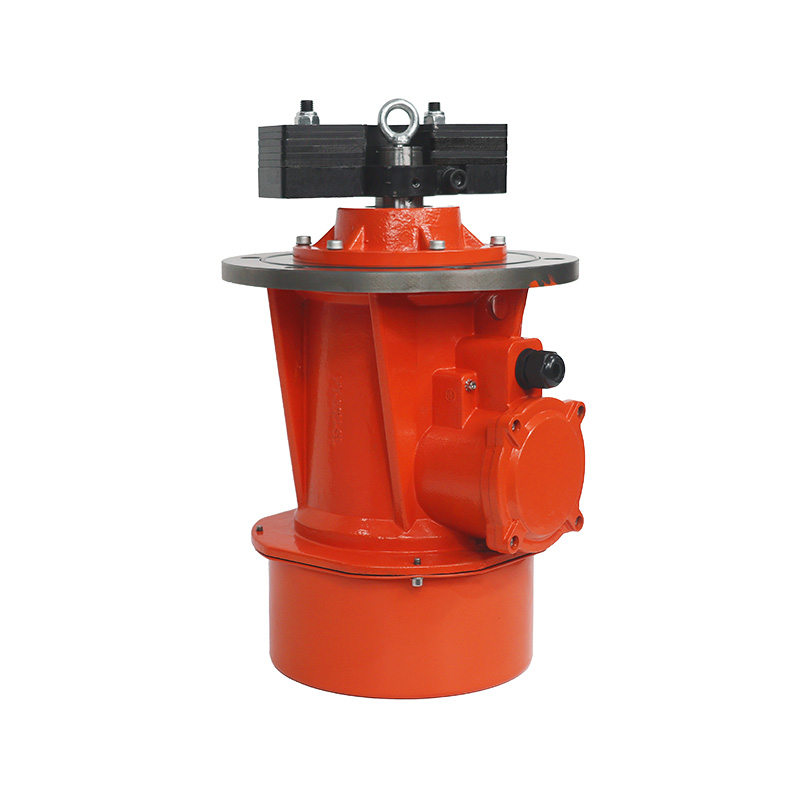

-
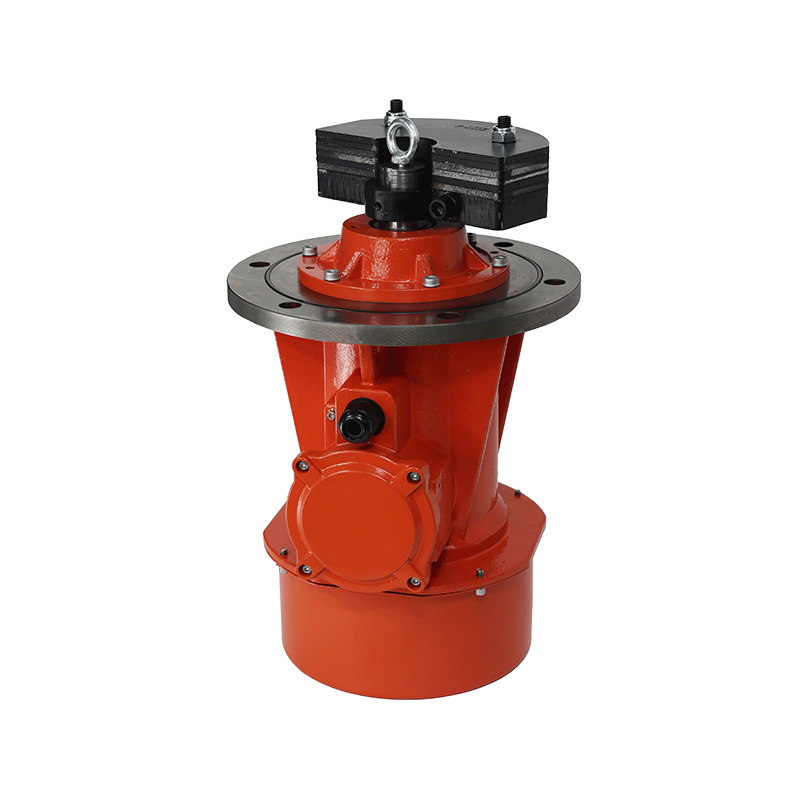
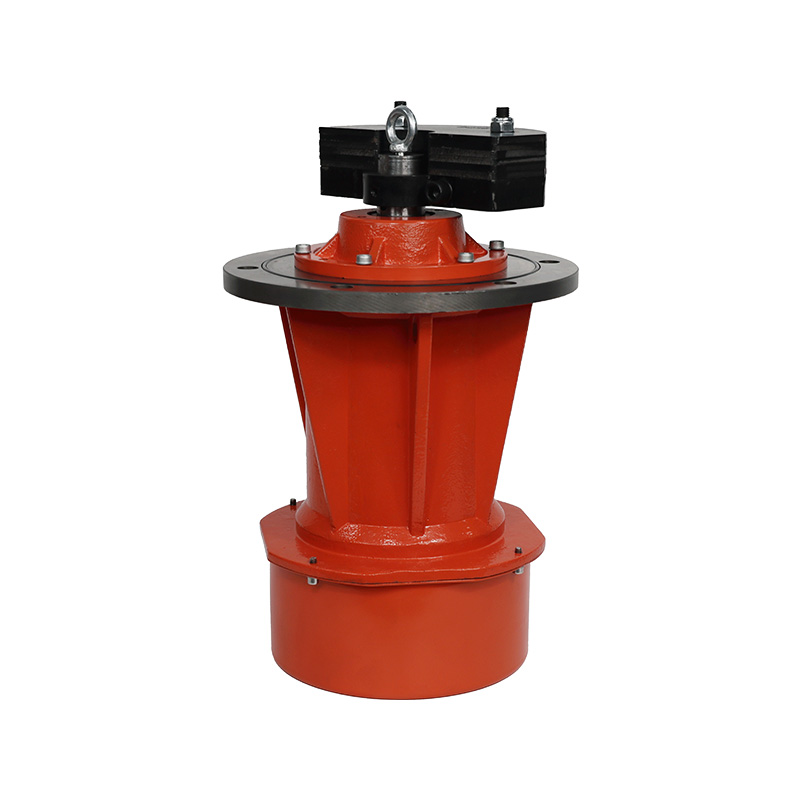
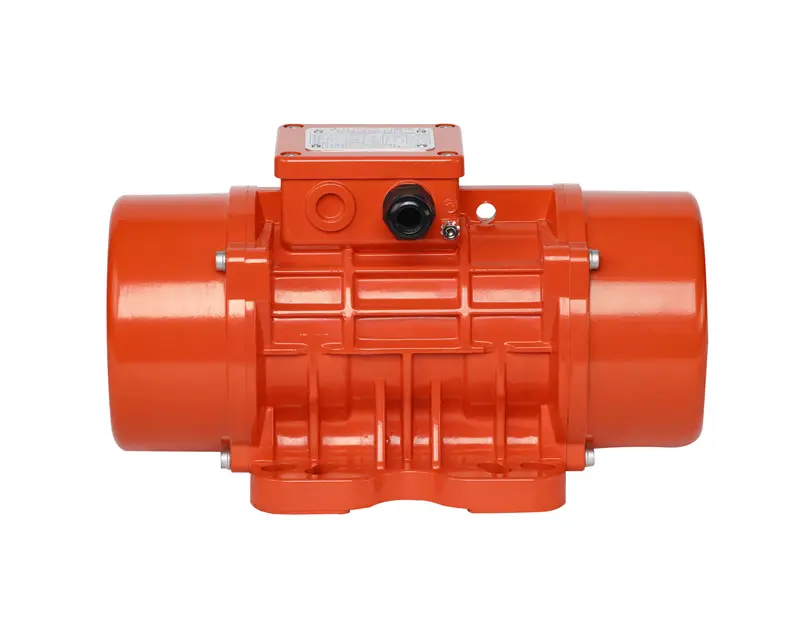
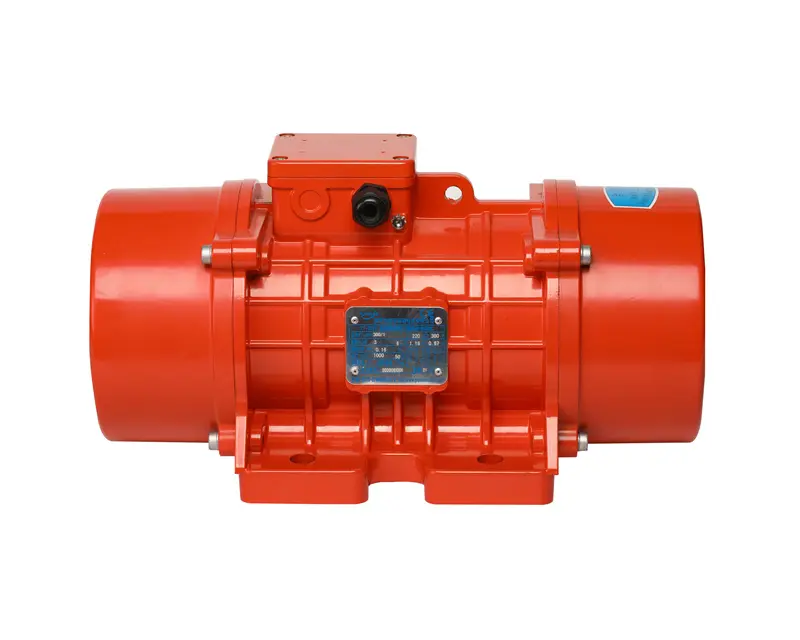
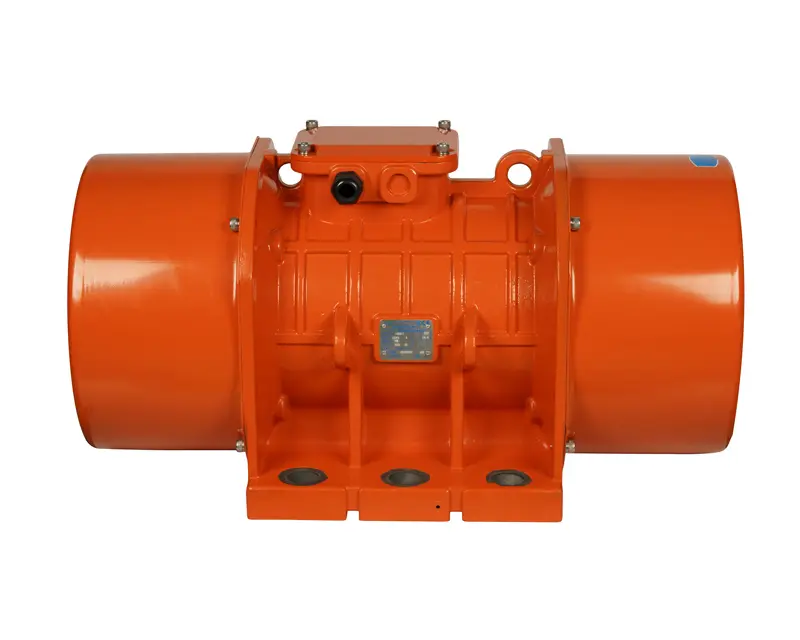
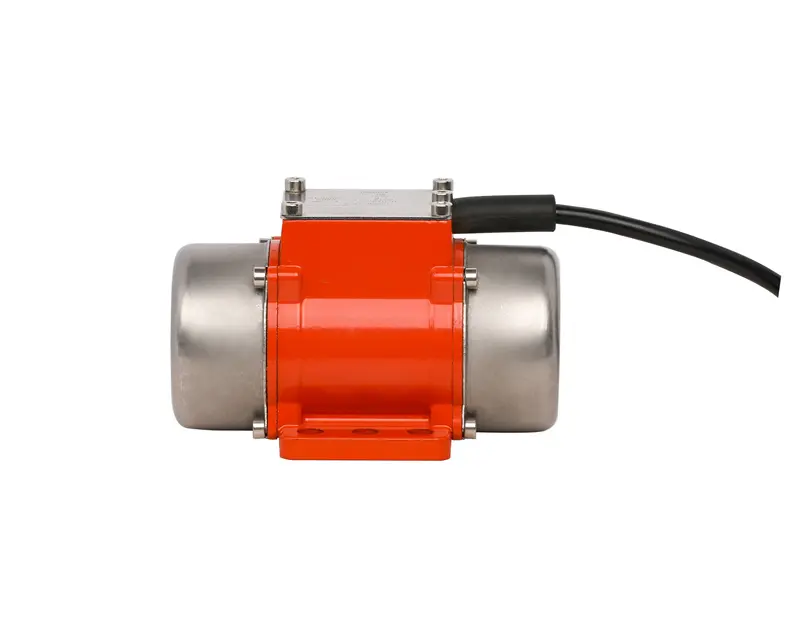
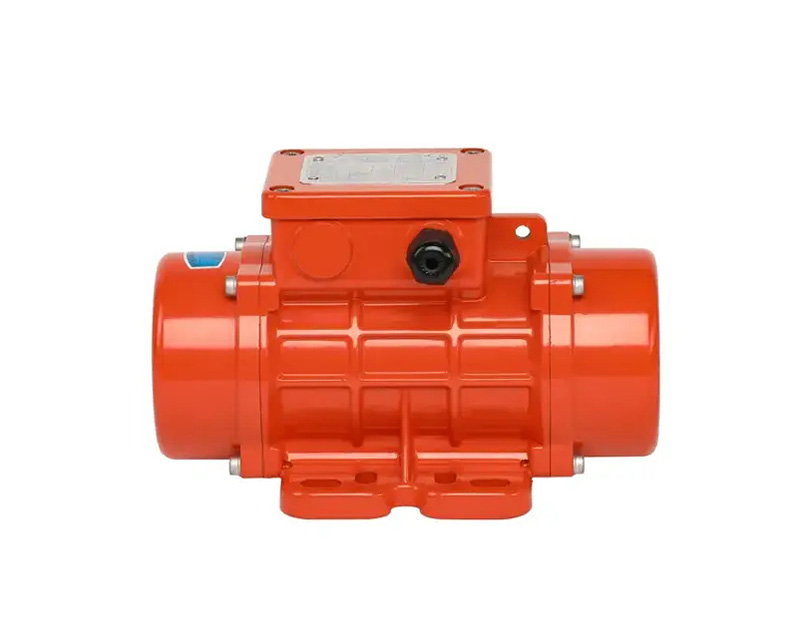
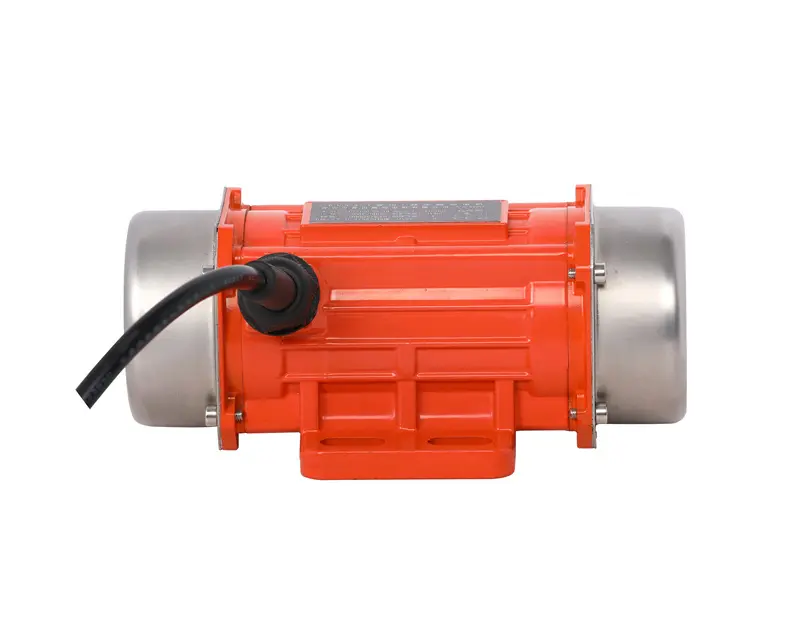
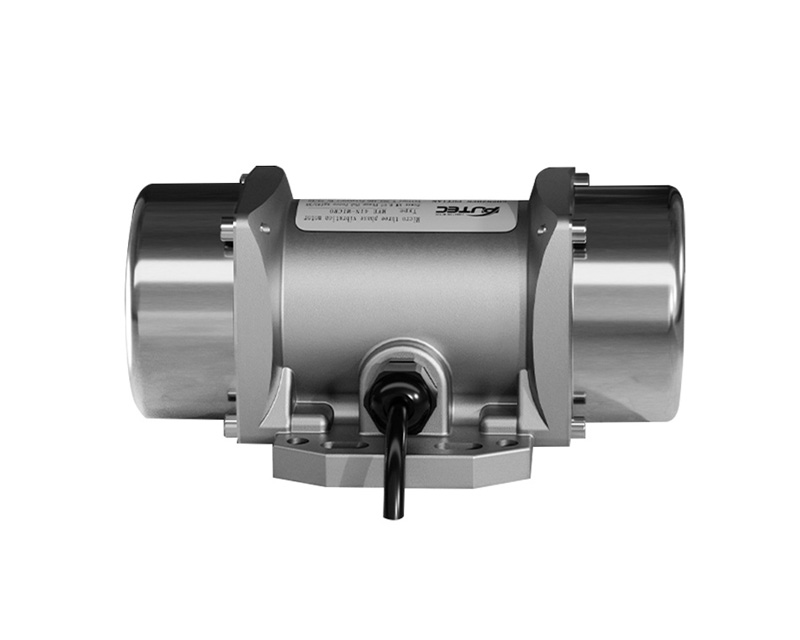
The Industrial Vertical Electric Vibration Motor, also known as a Flanged Vibrating Motor, is a specially designed vibration source for vertical installation applications.
Unlike standard horizontal vibration motors, the vertical vibration motor adopts a flange mounting structure, allowing it to be directly installed on circular vibrating screens, separators, and other vertical vibration equipment.
Simply speaking, it is a motor that creates controlled vibration to help machines achieve:
- Materialseparation
- Particleclassification
- Screening
- Polishing
- Deburring
- Solid-liquidseparation
By generating centrifugal force through eccentric blocks mounted on both ends of the rotor shaft, the motor provides stable vibration performance for industrial processing equipment.
Key Specifications
Parameter
Description
Product Type
Industrial Vertical Electric Vibration Motor
Installation Type
Flanged Vertical Mounting
Vibration Source
Adjustable eccentric block centrifugal force
Housing Material
Cast Iron
Coil Material
100% Pure Copper Winding
Insulation
High-temperature resistant insulation system
Bearing
High-quality industrial bearings
Voltage
Multiple voltage options available
Vibration Force
Multiple centrifugal force ranges available
Customization
Voltage, cable length,h and vibration force
Application Type
Screening, separation, polishing and sizing equipment
What Is an Industrial Vertical Electric Vibration Motor?
In simple terms, a vertical vibration motor is a motor designed to make industrial machines vibrate in a controlled way.
It is mainly installed underneath or inside vertical vibrating equipment. Through the flange connection, vibration energy can be efficiently transferred to the machine body.
Compared with ordinary vibration motors, the vertical structure is especially suitable for equipment where installation space, vibration direction, and screening efficiency are important.
How Does It Work?
The motor generates vibration through eccentric blocks installed on the rotor shaft.
When the rotor rotates, the eccentric weights create centrifugal force, producing mechanical vibration.
By adjusting the eccentric block position, users can control vibration intensity according to different processing requirements.
This allows the motor to support different operations, including:
- Materialscreening
- Particleclassification
- Solid-liquidseparation
- Surfacefinishing
-
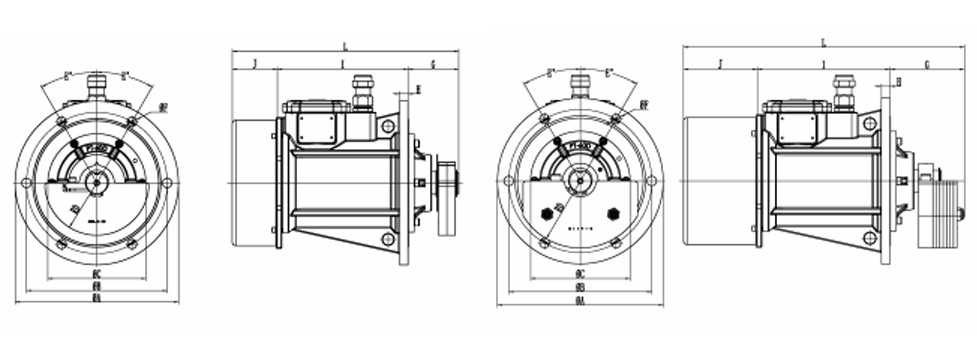
Model Installation dimensions(mm) Hole cable gland A B C D E F G H I J L PT-MVE300/3-SL-30 215 188 118 75 45 13 37 12 173 42 252 4 M20*1.5 PT-MVE300/15-SL-30 215 188 118 61 45 13 87 12 173 67 327 4 M20*1.5 PT-MVE500/3-SL-40 232 205 139 85 30 13 65 12 177 78 319 6 M25*1.5 PT-MVE500/15-SL-40 232 205 139 78 30 13 91 12 176 78 345 6 M25*1.5 PT-MVE800/3-SL-50 260 230 168 74 30 15 72 15 210 90 372 6 M25*1.5 PT-MVE800/15-SL-50 260 230 159 97.5 30 15 103 15 210 80 393 6 M25*1.5 PT-MVE1100/3-SL-50 260 230 168 73 30 15 86 15 210 90 386 6 M25*1.5 PT-MVE1100/15-SL-50 290 250 159 117 30 17 122 15 210 90 416 6 M25*1.5 PT-MVE1100/15-SC-50 / / / / / / / / / / / 8 M25*1.5 PT-MVE1600/3-SL-60 290 250 174 92.5 30 17 90 15 232 80 402 6 M25*1.5 Model Installation dimensions(mm) Hole cable gland A B C D E F G H I J L PT-MVE1500/15-SL-60 290 250 174 117 30 17 130 15 232 102 464 6 M25*1.5 PT-MVE1700/15-SL-60 290 250 174 117 30 17 130 15 232 129 491 6 M25*1.5 PT-MVE2400/15-IC-60 290 250 174 117 30 17 130 15 232 129 491 6 M25*1.5 PT-MVE2500/15-SL-70 350 305 200 125 30 21 140 18 243 140 523 6 M25*1.5 PT-MVE2500/15-IC-70 350 305 260 125 30 21 243 21 243 280 523 6 M25*1.5 PT-MVE3000/15-SL-70 350 305 200 111 30 21 170 18 243 170 584 6 M25*1.5 PT-MVE3000/15-IC-70 350 305 260 111 30 21 310 21 243 273 584 6 M25*1.5 PT-MVE3500/15-SL-75 350 305 225 125 30 17 171 20 260 171 602 6 M25*1.5 PT-MVE3500/15-IC-75 400 355 310 125 30 24 311 22 260 291 602 6 M25*1.5 PT-MVE2500/15-ID-75 / / / / / / / / / / / / M25*1.5 Model Excitation force Upper excitation force Lower excitation force Synchronour rotational speed Power Electric current Weight O ring Frame NO. Kg kN Kg Kg r/min kW A max Kg PT-MVE300/3-SL-30 343 3.4 171 171 3000 0.16 0.52 9.5 158.34* 3.53 30 PT-MVE300/15-SL-30 304 3 190 114 1500 0.07 0.54 13.1 158.34* 3.53 30 PT-MVE500/3-SL-40 550 5.4 379 171 3000 0.37 0.96 16.7 177.39* 3.53 40 PT-MVE500/15-SL-40 397 3.9 283 114 1500 0.25 1.06 20.2 177.39* 3.53 40 PT-MVE800/3-SL-50 840 8.2 575 265 3000 0.75 1.85 26.5 202.79* 3.53 50 PT-MVE800/15-SL-50 744 7.3 583 161 1500 0.4 1.4 30.3 202.79* 3.53 50 PT-MVE1100/3-SL-50 1105 10.8 840 265 3000 0.75 1.85 27.4 202.79* 3.53 50 PT-MVE1100/15-SL-50 1019 10 789 230 1500 0.4 1.4 32.4 215.5* 3.53 50 PT-MVE1100/15-SC-50 1100 10.8 550 550 1500 0.4 1.4 51 215.5* 3.53 50 PT-MVE1600/3-SL-60 1725 16.9 1150 575 3000 1.25 2.94 44.3 215.5* 3.53 60 Model Excitation force Upper excitation force Lower excitation force Synchronour rotational speed Power Electric current Weight O ring Frame NO. Kg kN Kg Kg r/min kW A max Kg PT-MVE1500/15-SL-60 1515 14.8 1203 312 1500 0.45 1.78 51.3 215.5* 3.53 60 PT-MVE1700/15-SL-60 1760 17.2 880 880 1500 0.75 2.16 60 / 60 PT-MVE2400/15-IC-60 2406 23.6 1203 1203 1500 0.75 2.16 53 215.5* 3.53 60 PT-MVE2500/15-SL-70 2469 24.2 1234 1234 1500 1.5 3.68 70 266.29* 3.53 70 PT-MVE2500/15-IC-70 2469 24.2 1234 1234 1500 1.5 3.68 72 / 70 PT-MVE3000/15-SL-70 2874 28.2 1437 1437 1500 1.5 3.68 78 266.29* 3.53 70 PT-MVE3000/15-IC-70 2874 28.2 1437 1437 1500 1.5 3.68 79 / 70 PT-MVE3500/15-SL-75 3695 36.2 1848 1848 1500 1.94 4.5 102 266.29* 3.53 75 PT-MVE3500/15-IC-75 3695 36.2 1848 1848 1500 1.94 4.5 111 / 75 PT-MVE2500/15-ID-75 2500 24.5 1250 1250 1500 1.94 4.5 66 / 75 -
Detailed Applications
1. Circular Vibrating Sieves
The most common application.
Used for:
- Powderscreening
- Granuleclassification
- Materialgrading
- Particleseparation
Typical industries:
- Foodprocessing
- Chemicalindustry
- Pharmaceuticalproduction
- Plasticprocessing
2. Solid-Liquid Separation Equipment
Suitable for:
- Slurryseparation
- Dewateringscreens
- Liquid filtration systems
The vibration force helps separate liquid components from solid materials.
3. Solid-Solid Sizing Systems
Used for:
- Particlesize classification
- Powdersorting
- Granuleseparation
Common materials:
- Plasticpellets
- Foodingredients
- Chemicalpowders
- Mineralmaterials
4. Deburring and Polishing Machines
The vibration motor can be used in finishing equipment for: Metal parts polishing
- Surfacetreatmen
- Small component finishing
-
Core Features
1. Vertical Flange Mounting Design
The flange structure allows direct installation on vertical vibrating equipment.
Advantages:
- Easier equipment integration
- Improved vibration transmission
- Reduced additional mounting structures
- More compact machine design
2. Optimized for Screening Applications
The vertical vibration design is especially suitable for circular screening equipment.
It helps improve:
- Screeningefficiency
- Materialdistribution
- Separationaccuracy
3. Reliable Industrial Construction
The motor uses:
- Castiron housing
- High-qualitybearings
- 100%pure copper coils
- High-temperature-resistant insulating materials
These components provide stable operation under continuous industrial conditions.
4. Wide Vibration Force Selection
Different equipment requires different vibration levels.
The vertical vibration motor provides multiple centrifugal force options to match:
- Equipmentsize
- Materialcharacteristics
- Processingcapacity
5. Reduced Maintenance Requirements
The optimized structure helps reduce:
- Equipmentdowntime
- Maintenancefrequency
- Productioninterruptions
It is designed for industrial users requiring reliable long-term operation.
-
Why Choose an Industrial Vertical Electric Vibration Motor?
For Equipment Manufacturers
Suitable for companies producing:
- Circularsieves
- Vibratingseparators
- Screeningmachines
- Finishingequipment
Main purchasing reasons:
Easy equipment integration
Stable vibration output
Reduced maintenance cost
Customized vibration solutionsFor Industrial End Users
The motor helps solve:
- Low screening efficiency
- Materialaccumulation
- Inconsistent separation results
- Frequent equipment shutdowns
OEM/ODM Capability
PUTIAN provides customized vibration motor solutions according to customer equipment requirements.
Customization options include:
- Voltageselection
- Cablelength
- Vibration force adjustment
- Installationspecifications
- Equipment matching support
Manufacturing advantages:
- ISO9001quality management syst
- Professional motor testing equipment
- Electrical performance inspection
- Batch quality control process
- Monthly production capacity up to 30,000 vibration motors
Quality Control & Certifications
Each motor undergoes inspection before shipment.
Quality testing includes:
- Motor performance testing
- Electrical safety testing
- Insulationtesting
- Operatingverification
Available certifications:
- ISO9001
- CE
- Explosion-proofcertifications according to application requirements
-
Customer Problems Solved
Problem 1: Insufficient Screening Efficiency
Challenge:
Materials cannot be effectively separated due to unstable vibration.
Solution:
The vertical vibration motor provides stable centrifugal force to improve screening performance.
Problem 2: Limited Installation Space
Challenge:
Traditional vibration motors may require additional mounting structures.
Solution:
The flange design enables direct installation on vertical screening equipment.
Problem 3: High Maintenance Cost
Challenge:
Frequent equipment downtime affects production efficiency.
Solution:
Durable components and optimized structure help reduce maintenance requirements.
Problem 4: Different Material Processing Requirements
Challenge:
Different materials require different vibration intensity.
Solution:
Multiple vibration force options allow better matching with equipment requirements.
Why This Product Is Not For Everyone
The Industrial Vertical Electric Vibration Motor is designed for:
Industrial equipment manufacturers
Screening machine suppliers
Separation equipment companies
Automated production systemsFAQ
1. What is the difference between a vertical vibration motor and a standard vibration motor?
The main difference is the installation structure.
Vertical vibration motors use flange mounting and are mainly designed for circular screens and vertical vibration equipment, while standard motors are commonly used for general industrial machines.
2. How do I select the correct vibration motor?
Selection depends on:
- Requiredvibration force
- Equipmentsize
- Materialcharacteristics
- Installationstructure
- Operatingconditions
3. Can the vibration force be adjusted?
Yes.
The eccentric block system allows vibration force adjustment according to application requirements.
4. What industries use vertical vibration motors?
Common industries include:
- Foodprocessing
- Chemicalprocessing
- Plasticproduction
- Recycling
- Machinerymanufacturing
- Renewable energy equipment
5. Can you customize voltage and cable length?
Yes.
OEM customization is available for voltage, cable length, vibration force,e and installation requirements.
KEEP IN TOUCH
About Putian
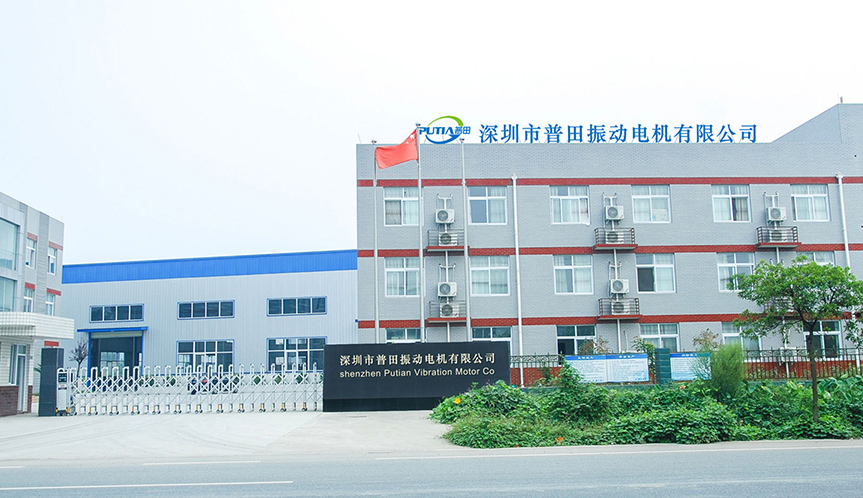
Shenzhen Putian Vibration Motor Co., Ltd.
It was established in 2000, by Shenzhen Putian Vibration Motor Co.,ltd. headquartered in Shenzhen, Guangdong, China.
As an experienced custom Industrial Vertical Electric Vibration Motor company, Our Industrial Vertical Electric Vibration Motor passed the ISO9001 quality management system certification; and won the national high-tech enterprise, specialized new enterprise, and other honors. Putian vibration motors have passed 3C certification and CE certification and obtained 55 R&D patents.
Putian vibration motors have been exported to more than 45+ countries and regions around the world, such as the United States, Canada, United Kingdom, Netherlands, Korea, New Zealand, Australia, Iran, Russia, Iraq, India, Pakistan, Turkey, Argentina, Lebanon, Spain, etc.
Certificate Of Honor
Latest News
-
Vibration equipment is becoming more closely connected with automated production, where stable motion, controllable operation, and maintenance plannin...
READ MORE -
For a vibration motor, stable operation is not simply the result of the final inspection. It starts from the manufacturing step and continues through...
READ MORE -
Industrial vibration equipment rarely operates in perfectly clean conditions. Vibrating screens, feeders, hoppers, conveyors, and material-handling sy...
READ MORE -
Industrial buyers are paying closer attention to equipment condition because unexpected mechanical problems can disrupt production and increase mainte...
READ MORE
Mobile
Products
Contact Us
- Address: No.6 Building, Wanfeng 98 Industrial City, Shajing Street, Baoan District, Shenzhen, Guangdong, China.
- Phone: +86-18923719730 / +86-0755-27460501
- Fax: +86-0755-27460606
- E-mail: [email protected]
Copyright © Shenzhen Putian Vibration Motor Co., Ltd. All Rights Reserved.

