

 English
 русский
 Português
 عربى
عربى فارسی
فارسیCompany News
 Home / News / Company News / How Does an External Vibration Motor Turn Electrical Power Into Controlled Mechanical Vibration?
 How Does an External Vibration Motor Turn Electrical Power Into Controlled Mechanical Vibration?
 Sep-03-2026
 Company News
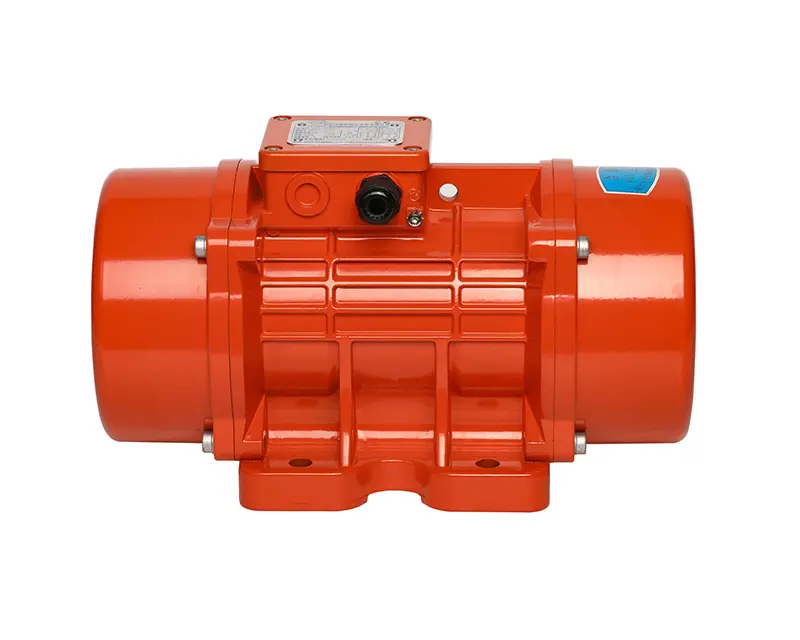
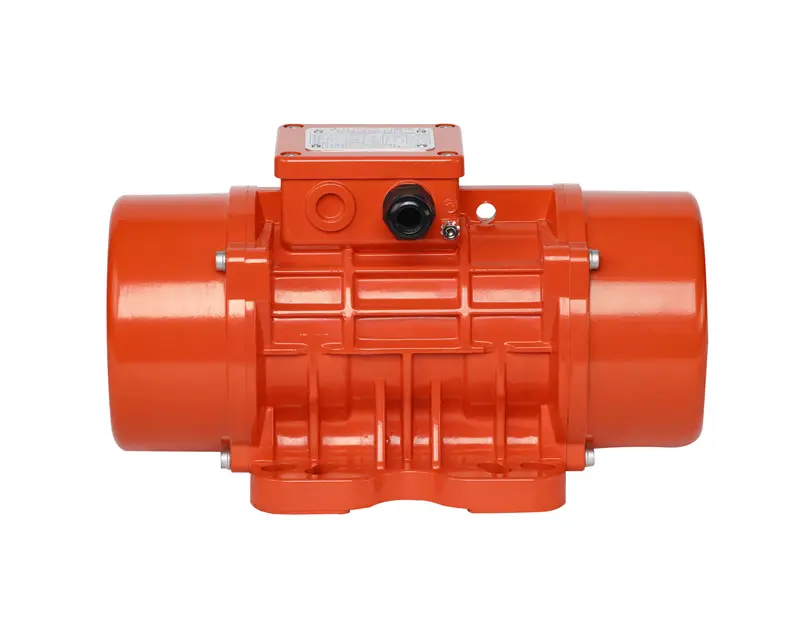
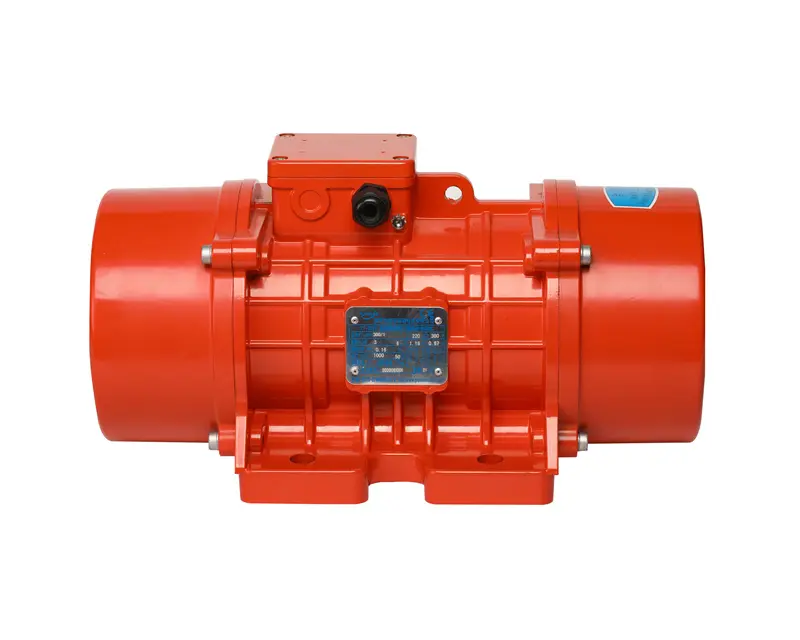
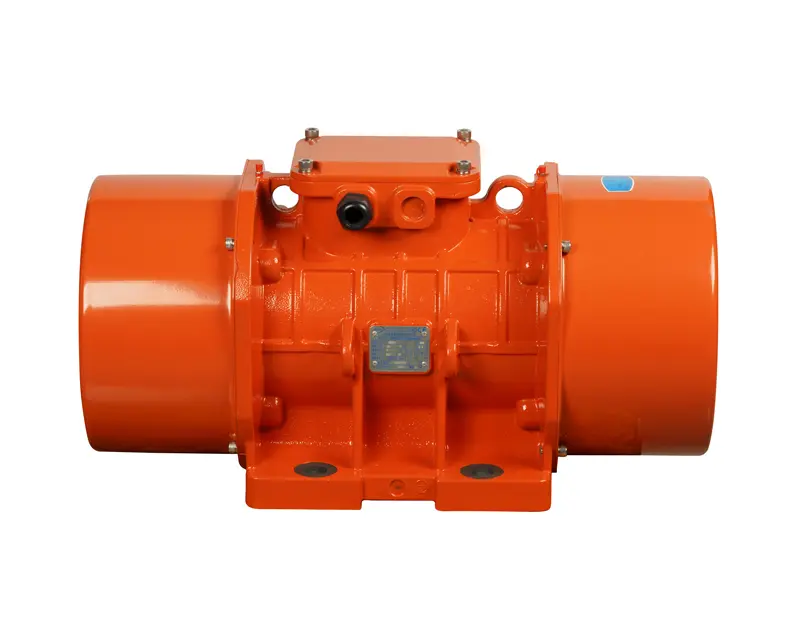
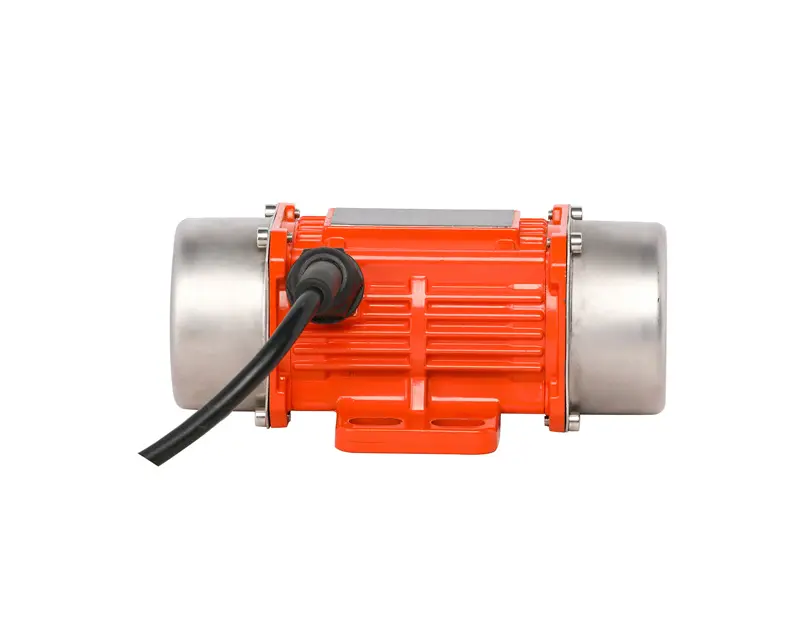
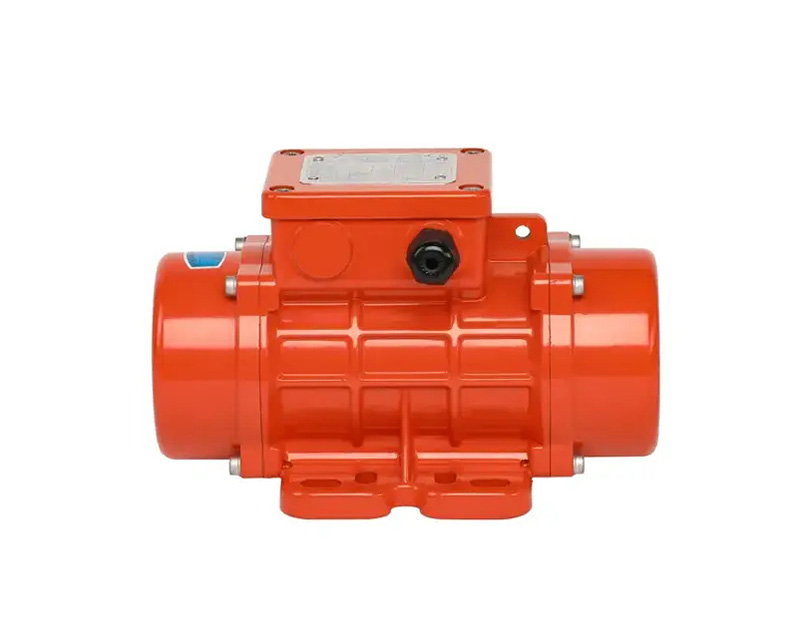
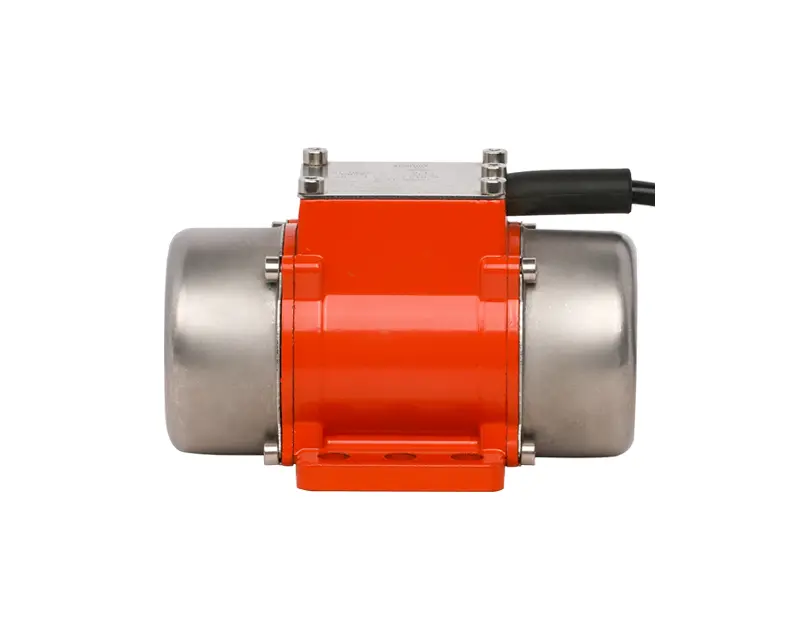
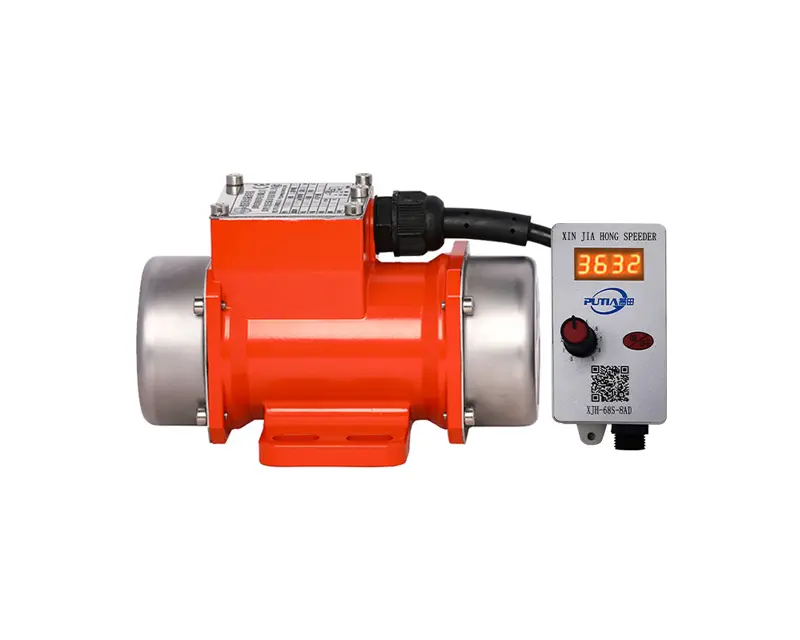
In industrial equipment, vibration is often the working force behind feeding, screening, conveying, compacting, and other material-handling processes. An external electric vibrator motor provides this mechanical excitation through a relatively compact motor structure, allowing equipment manufacturers to integrate vibration directly into the machine. The MVE1600/3 vibration motor is designed around this principle, combining an electric motor with eccentric weights to generate controlled mechanical vibration. For industrial buyers and equipment engineers, understanding this working principle can make it easier to evaluate the motor as part of a complete vibration system.
The Eccentric Weight Is the Core of Vibration Generation
Unlike a conventional motor whose main purpose is to produce smooth rotary motion, a vibration motor is designed to transform rotation into mechanical excitation. Eccentric weights mounted on the motor shaft create an imbalance during rotation, producing the centrifugal force needed to make the connected equipment vibrate.
This structure allows an external vibration motor to serve as an independent excitation source. Instead of building a complicated internal vibration mechanism into every machine, equipment manufacturers can integrate an external vibrator with a suitable supporting structure and use the resulting mechanical movement for a specific industrial process.
Why the MVE1600/3 Design Matters to Equipment Builders
For equipment manufacturers, a vibration motor is not simply an interchangeable electric motor. Its mounting arrangement, eccentric-weight configuration, rotation characteristics, and connection with the machine all influence the resulting movement.
The MVE1600/3 vibration motor can be incorporated into equipment where mechanical vibration is required, including vibrating feeders, screens, hoppers, conveyors, and other industrial machinery. This makes the motor relevant to OEM buyers developing equipment around a dedicated vibration source.
Rather than evaluating the motor separately from the machine, engineers should consider how the motor's vibration is transferred through the supporting structure and how that movement contributes to the intended equipment function.
One Motor or Two Can Produce Different Movement
The arrangement of vibration motors can influence the movement of the machine. A single external vibrator can generate a rotating excitation, while two properly arranged counter-rotating motors can be used to create a different vibration pattern.
For engineers, this distinction is important because the desired movement should be established during equipment design rather than after the motor has been selected. Screen decks, feeders, tables, and other machines may require different vibration characteristics according to their operating principles.
What Should Be Considered During Motor Integration?
The performance of an external vibrator depends heavily on how it is connected to the machine. A suitable mounting surface provides the mechanical foundation for transferring vibration, while the surrounding structure must be designed to withstand repeated dynamic loading.
During equipment development, engineers should review several aspects together:
- Mounting structure: The supporting surface should provide appropriate rigidity and a secure connection for the motor.
- Installation position: Motor placement influences how vibration is transferred through the equipment.
- Fastening arrangement: Bolts and related components need to remain secure under continuous vibration.
- Equipment structure: The machine itself should be capable of handling the dynamic forces generated during operation.
- Maintenance access: The installation should allow inspection and servicing without unnecessary disassembly.
As a vibration motor manufacturer, Putian considers the relationship between the motor and its application when supporting customers with vibration equipment projects.
Manufacturing Quality Starts Inside the Motor
A vibration motor works under continuous dynamic loading, so manufacturing consistency is important for more than appearance. Shaft components, bearings, eccentric-weight assemblies, housing structures, winding quality, and mechanical balance all contribute to the finished product.
For Putian, manufacturing a vibration motor involves coordinating electrical and mechanical requirements throughout production. Quality control covers key components and assembly processes to support consistent motor performance across production batches. This is particularly valuable for equipment manufacturers purchasing multiple motors for the same machine series.
What Should Engineers Confirm Before Ordering?
Selecting an MVE1600/3 should begin with the machine's actual requirements rather than the model name alone. Engineers need to consider the equipment structure, desired vibration movement, material characteristics, mounting arrangement, operating environment, and electrical configuration.
Before discussing a project with a vibration motor manufacturer, buyers can prepare several key details:
- Equipment application: Identify whether the motor will be used on a feeder, screen, hopper, conveyor, table, or another machine.
- Required movement: Explain the intended vibration direction and operating principle.
- Installation conditions: Provide information about the available mounting position and supporting structure.
- Operating environment: Consider factors such as dust, moisture, temperature, and continuous-duty requirements.
- Electrical conditions: Confirm the power supply and other electrical requirements available at the installation site.
Providing this information at the beginning allows the manufacturer to assess the application more accurately instead of selecting a motor based only on a product name.
A Vibration Motor Built for Industrial Integration
The value of an industrial vibrator motor lies in how effectively it becomes part of the machine around it. From eccentric-weight design and motor construction to mounting and final inspection, each stage contributes to the overall reliability of the vibration source. With a focus on vibration motor manufacturing, Putian provides the MVE1600/3 vibration motor for equipment builders and industrial users seeking a dedicated electric vibration solution. For buyers comparing vibration motor manufacturers, evaluating engineering support and manufacturing consistency alongside the product itself can help identify a suitable long-term solution.
Mobile
Products
Contact Us
- Address: No.6 Building, Wanfeng 98 Industrial City, Shajing Street, Baoan District, Shenzhen, Guangdong, China.
- Phone: +86-18923719730 / +86-0755-27460501
- Fax: +86-0755-27460606
- E-mail: [email protected]
Copyright © Shenzhen Putian Vibration Motor Co., Ltd. All Rights Reserved.

