

 English
 русский
 Português
 عربى
عربى فارسی
فارسیCompany News
 Home / News / Company News / Why Does Corrosion Resistance Matter in Stainless Steel AC Vibration Motor Design?
 Why Does Corrosion Resistance Matter in Stainless Steel AC Vibration Motor Design?
 Sep-09-2026
 Company News
Shenzhen Putian Vibration Motor Co., Ltd.
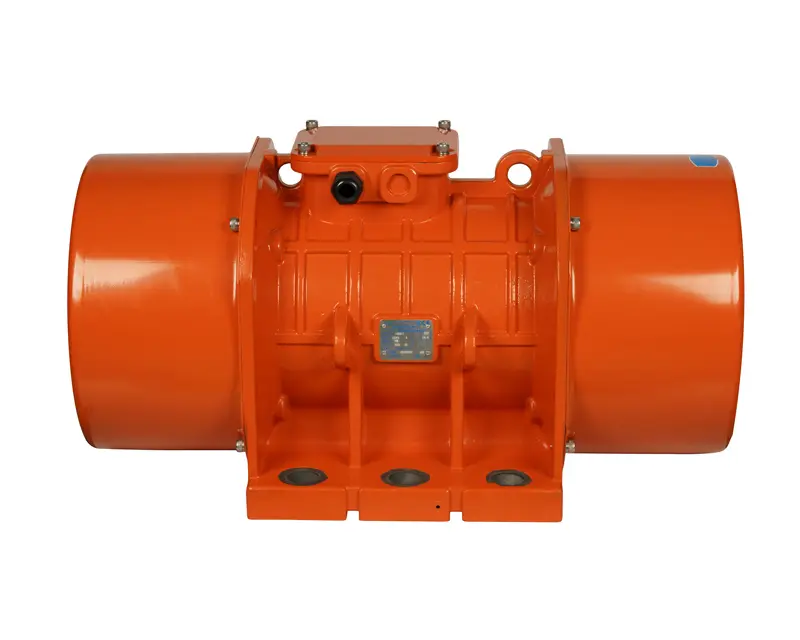
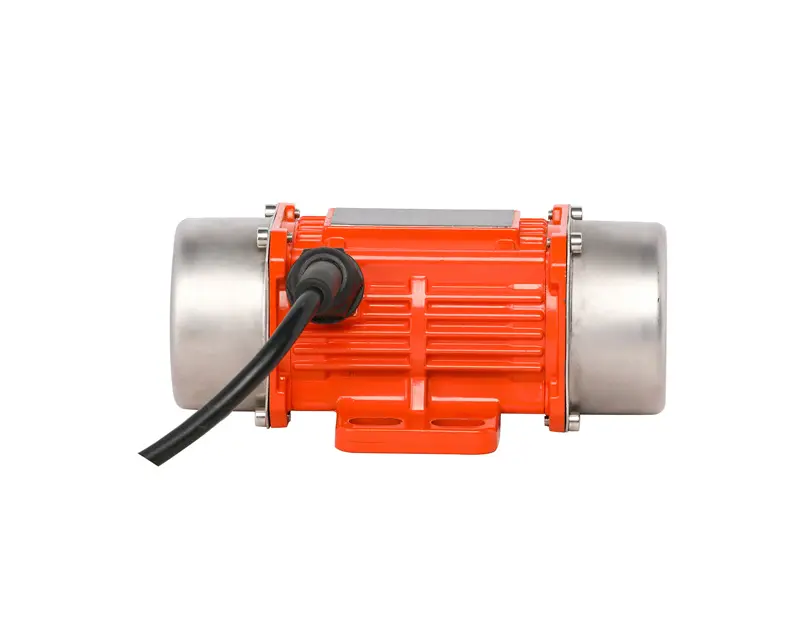
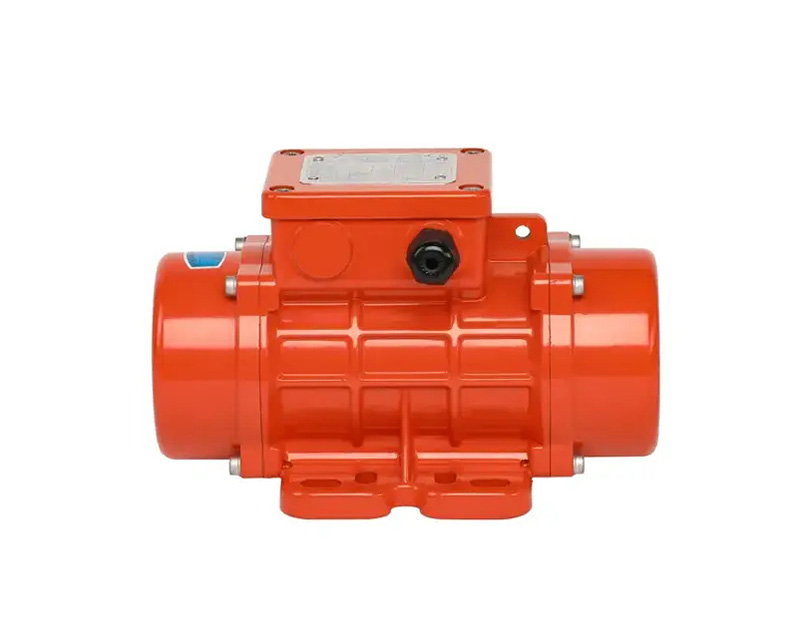
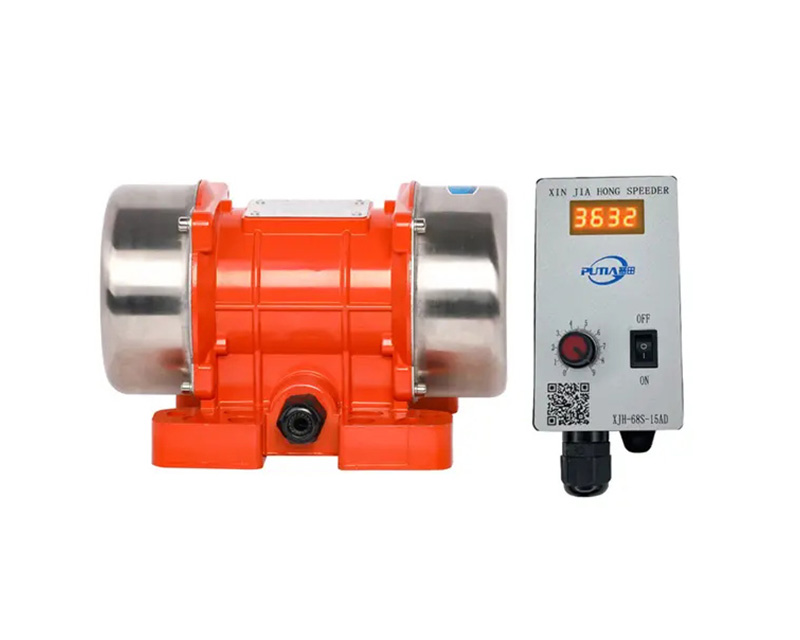
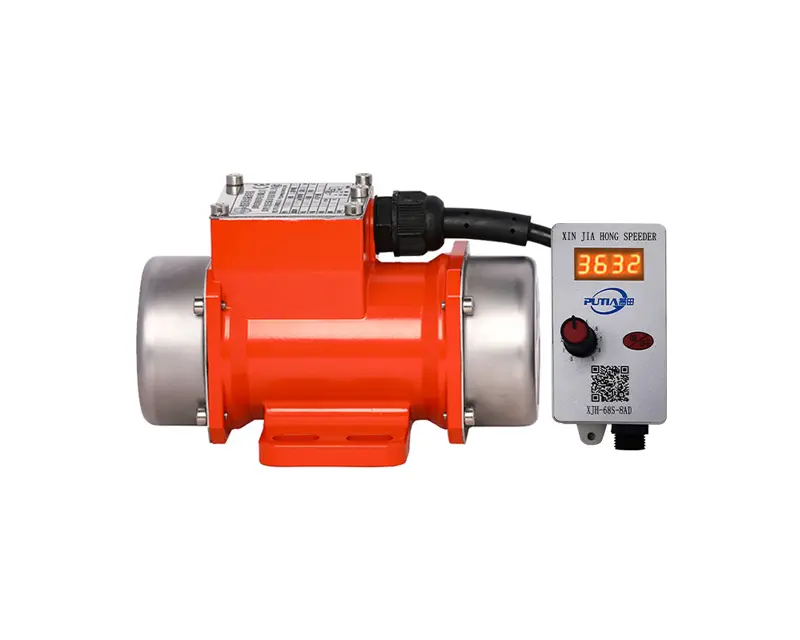
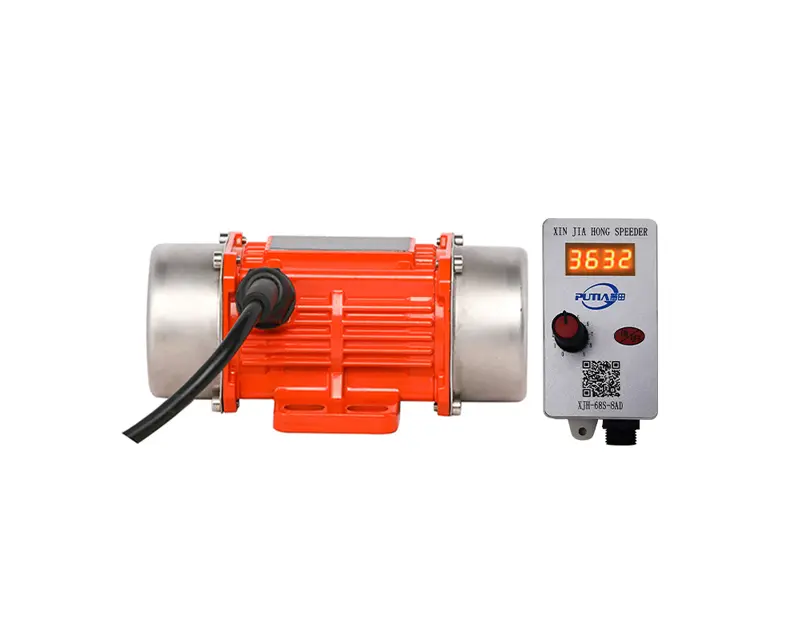
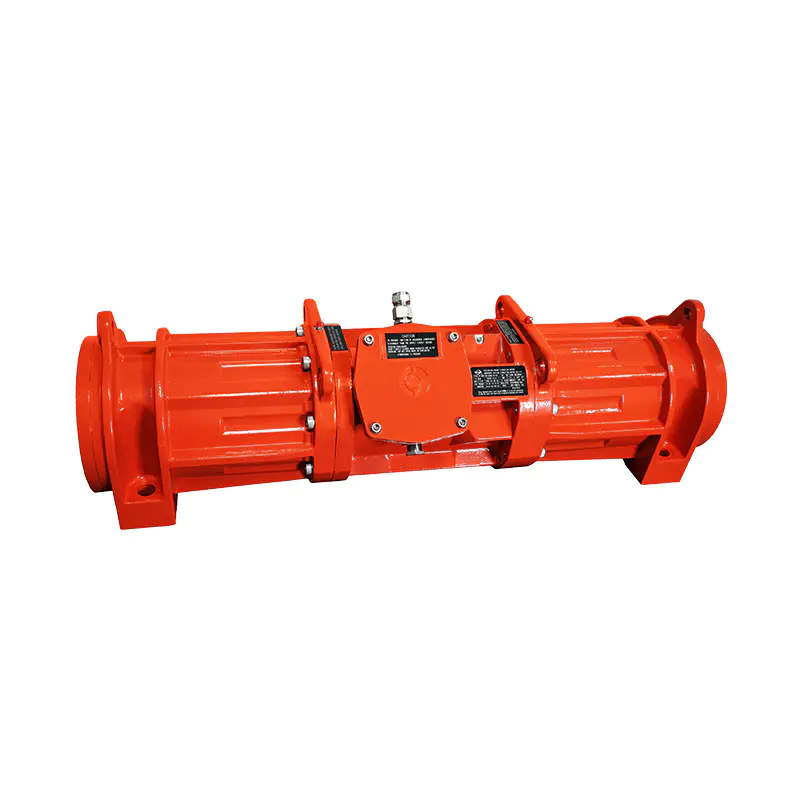
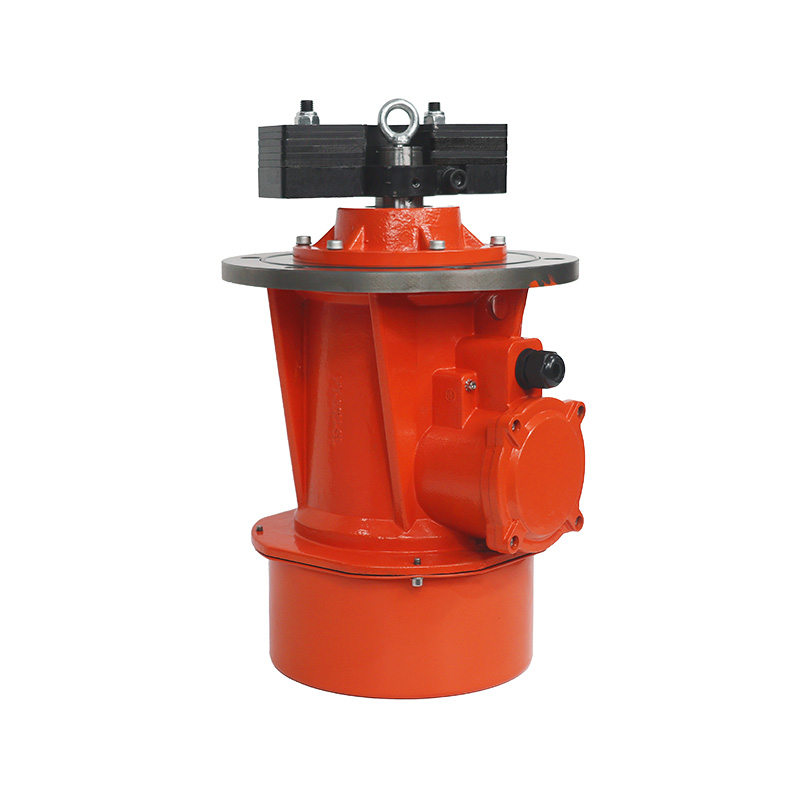
In food processing and chemical production, vibration equipment often operates in environments where moisture, cleaning agents, dust, and process materials can affect mechanical components over time. This makes material selection an engineering decision rather than simply a surface preference. The MVE series Stainless steel AC three phase vibration motor is developed for applications where stable vibration performance needs to be combined with corrosion resistance. For engineers and industrial buyers, understanding how construction, operating speed, force output, and environmental conditions work together can help prevent premature equipment problems.
When Does the Operating Environment Become a Motor Design Issue?
A vibration motor may be mechanically suitable for an application but still face challenges if its surrounding environment is not considered during specification. Food processing equipment can experience regular cleaning and moisture exposure, while chemical processing equipment may be exposed to substances that place additional demands on external surfaces and components.
For this reason, stainless steel construction can become relevant when the motor is installed in equipment where corrosion resistance and material compatibility are important considerations. The objective is not simply to use stainless steel as a selling point, but to match the motor construction with the actual conditions of the production line.
Why Does Vibration Force Need to Match the Equipment?
Selecting a vibration motor only by rated power can advance to an incomplete specification. The required excitation force depends on the machine structure, material load, mounting arrangement, and intended movement.
For engineers developing screening, conveying, feeding, or processing equipment, the relationship between motor force and machine design should therefore be reviewed early. A correctly specified motor can help the equipment generate the required movement without relying on an unnecessarily large drive.
The MVE400/3-30S provides a 4KN force rating, giving equipment designers a defined reference when developing the vibration system around the required operating conditions.
What Does 2-Pole Operation Mean for Processing Equipment?
Speed selection also influences how a vibration system behaves. The MVE400/3-30S uses a 2-pole configuration and operates at 3000 RPM at 50Hz or 3600 RPM at 60Hz.
This operating range can be useful when equipment requires relatively high-frequency vibration for material movement or processing. However, the motor should always be selected together with the machine's structural characteristics rather than treated as an isolated component.
During OEM development, we evaluate the motor specification together with mounting, load, operating frequency, and equipment configuration to help ensure that the complete vibration system is properly matched.
Can Stainless Steel Construction Support More Demanding Applications?
Material selection becomes particularly important when equipment must withstand repeated exposure to moisture or industrial cleaning conditions. Corrosion can affect not only appearance but also fasteners, housings, mounting areas, and the long-term condition of mechanical assemblies.
For food and chemical equipment manufacturers, stainless steel construction can provide a practical foundation for applications where environmental resistance is part of the specification. However, the exact material and surface requirements still need to be evaluated according to the process medium and cleaning conditions.
What Should Engineers Check Before Integrating the Motor?
A vibration motor performs as part of a machine, so integration details deserve attention before production.
Engineers can review:
- Required excitation force and machine load
- Operating frequency and target vibration characteristics
- Mounting structure and fastening arrangement
- Moisture, cleaning, dust, or chemical exposure
- Available installation space and motor orientation
- Electrical requirements for 50Hz or 60Hz operation
These factors help connect the motor specification with the actual equipment design instead of selecting a motor based on a single parameter.
How Can the Manufacturer Reduce Integration Problems?
From a manufacturing perspective, reliable vibration equipment begins before final assembly. Housing machining, rotor balance, bearing installation, electrical assembly, fastening, and final inspection all influence how the motor behaves after installation.
For OEM projects, we can work around the customer's equipment requirements rather than treating every application as identical. Reviewing operating conditions and mounting requirements during the design stage allows the motor configuration to be aligned with the intended machine.
This approach is particularly useful for food processing and chemical equipment, where environmental resistance needs to be considered alongside vibration performance.
Building a More Suitable Vibration Motor for Industrial Equipment
The demand for cleaner, more maintainable processing equipment is putting greater attention on material compatibility and equipment design, particularly in food-related production environments. For manufacturers, the challenge is to combine these requirements with practical vibration performance rather than treating them as separate specifications.
As a vibration motor manufacturer, we develop the MVE series Stainless steel AC three phase vibration motor around real equipment requirements. The MVE400/3-30S combines 2 poles, 3000/3600RPM operation, 4KN force, and 50/60HZ compatibility with a sturdy stainless steel construction designed for corrosion-resistant applications. It is widely used in food processing and chemical industries where equipment designers need a vibration motor suited to demanding operating environments.
Mobile
Products
Contact Us
- Address: No.6 Building, Wanfeng 98 Industrial City, Shajing Street, Baoan District, Shenzhen, Guangdong, China.
- Phone: +86-18923719730 / +86-0755-27460501
- Fax: +86-0755-27460606
- E-mail: [email protected]
Copyright © Shenzhen Putian Vibration Motor Co., Ltd. All Rights Reserved.

