

 English
 русский
 Português
 عربى
عربى فارسی
فارسیIndustry News

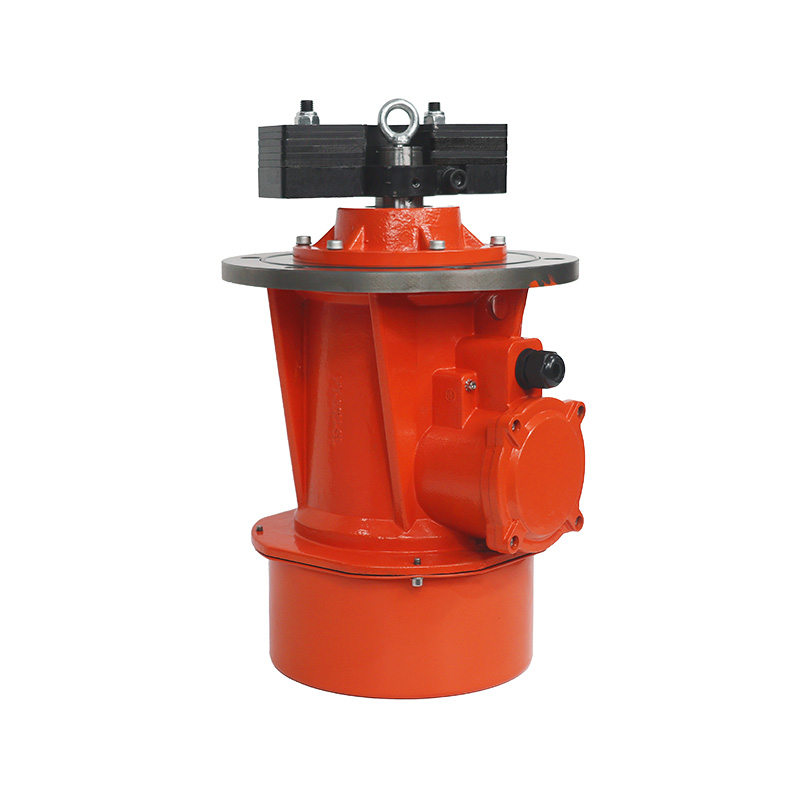
AC Vibration Motor Uses in Bulk Material Handling Systems
 Jan-29-2026
 Industry News
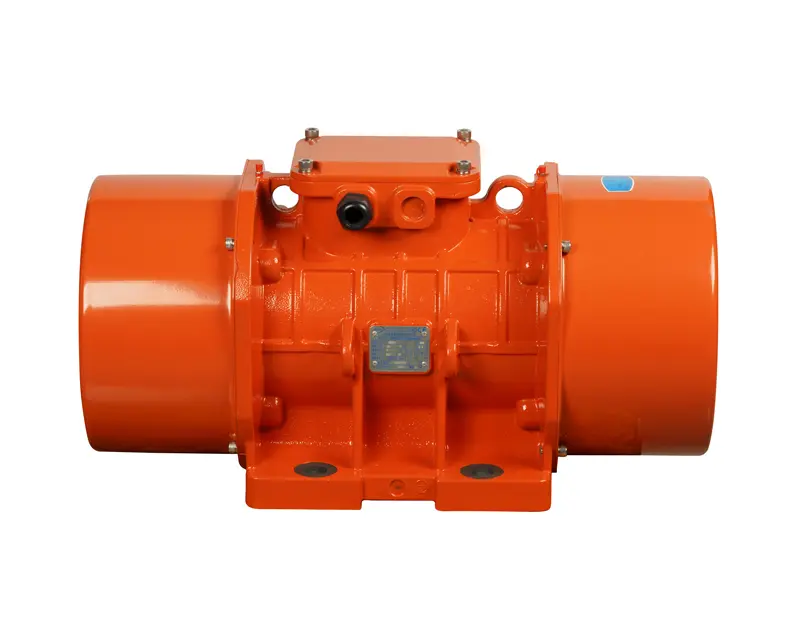
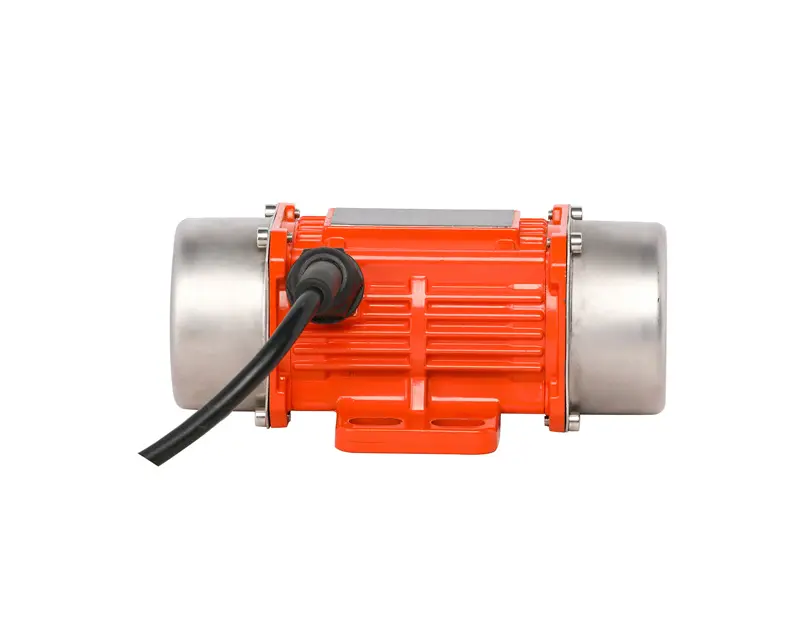
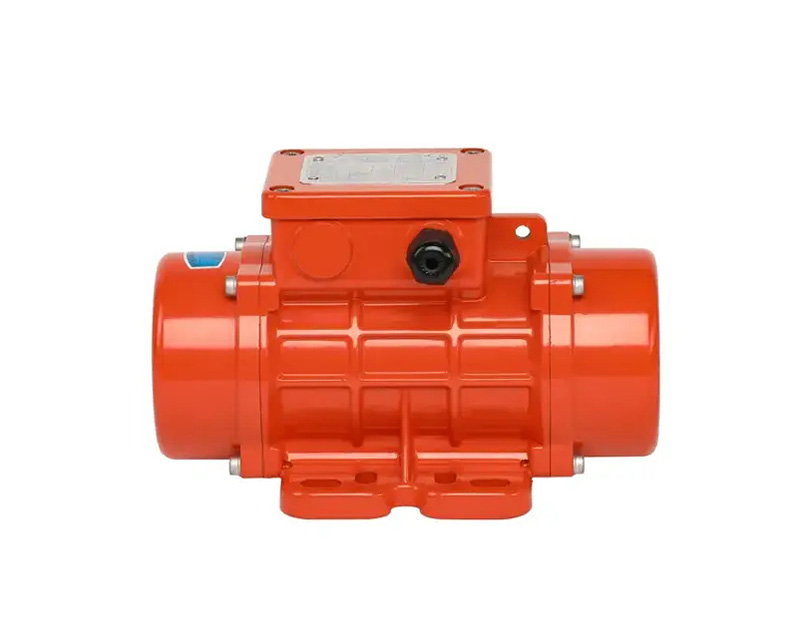
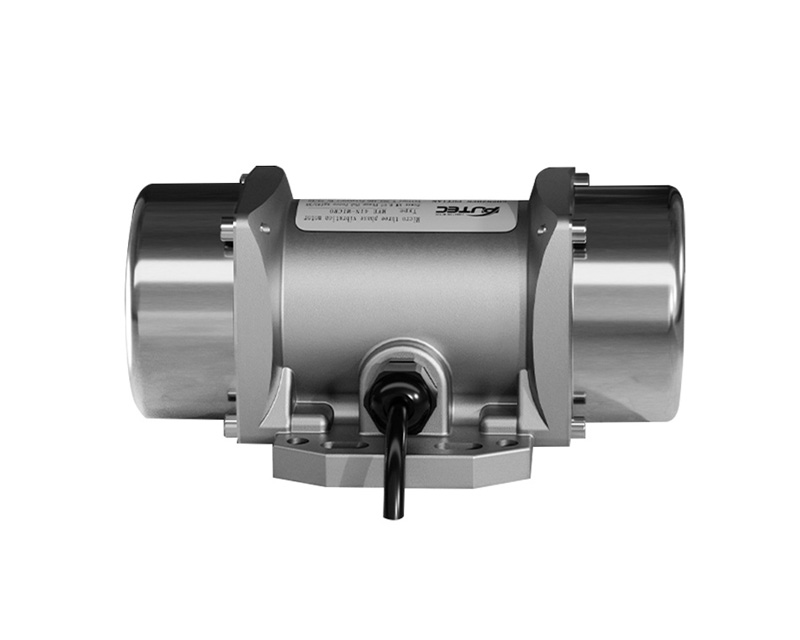
Understanding where and how vibration technology applies makes it easier for manufacturers and engineers to justify investment in AC vibration motors and plan wholesale procurement strategies. From ensuring uninterrupted material flow to enabling precision automation tasks, these motors play a vital role in operational efficiency. By focusing on application needs and long‑term performance, your vibration solutions can deliver consistent results that support safer, more reliable, and more productive industrial operations.
Wholesale Vibrator Technology in Material Handling
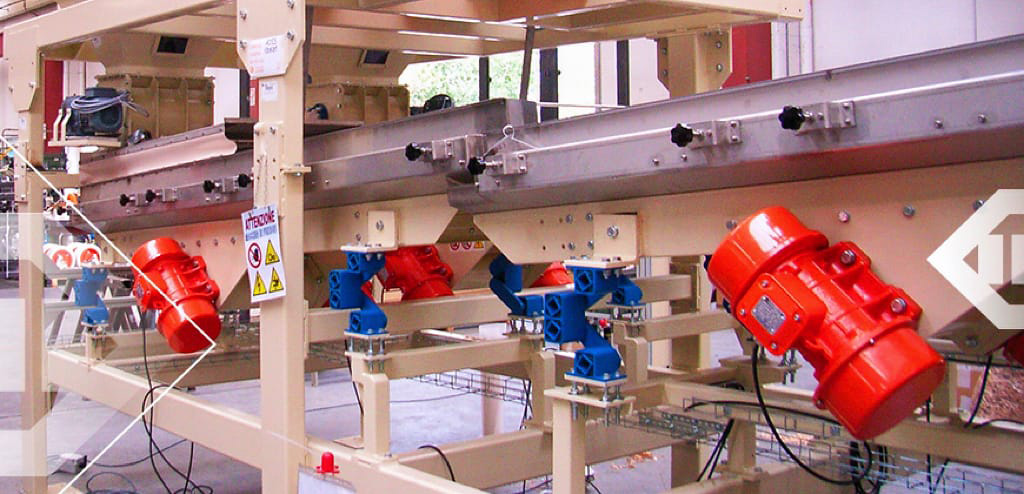
A major reason companies invest in vibration motors — including when placing wholesale orders — is the need to handle a wide range of raw materials with consistency and speed. In mining and aggregates, vibration motors are used on bins, hoppers, chutes, and vibrating screens to break up blockages and maintain continuous feed through processing systems. Without controlled vibration, materials like ore, sand, or gravel are prone to bridging and rat‑holing, which can stop production lines and require manual intervention.
By imparting the correct vibration frequency and amplitude to these surfaces, vibration motors help ensure material flows freely — reducing stoppages and keeping downstream equipment running efficiently.
Diverse Industrial Applications Across Sectors
Vibration technology is not limited to heavy‑duty material handling. It plays a valuable role in many other industrial scenarios:
Food Processing: In food and beverage manufacturing, vibration motors help with ingredient sorting, conveying products along lines, and preventing clumps during mixing or packaging.
Construction: Concrete compacting and soil settlement rely on vibration units to ensure dense, consistent results that meet safety and structural requirements.
Packaging and Automation: Vibrators keep products aligned in automated packaging machinery, enhance fill consistency, and reduce manual adjustments.
These cross‑industry applications show why businesses often seek wholesale pricing and larger quantities when planning to integrate vibration solutions into production systems.
How Vibration Motors Improve Operational Efficiency
One of the strongest drivers for choosing vibration equipment is its ability to improve performance metrics across different production lines. A well‑matched AC vibration motor can help manufacturers reduce downtime, lower maintenance costs, and maintain consistent throughput over extended periods.
1. Smooth and Consistent Material Flow:
Vibration motors excel at keeping materials moving without clogging or stagnation. This quality is especially critical in sectors like mining and food processing, where uneven flow can disrupt processing rates and tie up labor resources.
2. Precision Control:
Advanced vibration systems allow operators to adjust vibration intensity, speed, and direction based on material type, desired output, and process requirements. In industries that demand tight tolerances — such as pharmaceuticals or electronics manufacturing — this level of control translates directly into product quality and reduced rework.
3. Durability and Reliability:
Designed for challenging conditions, these motors are often built to handle continuous operation and harsh environments. High‑quality AC vibration motors can operate for long hours with minimal maintenance, which keeps overall equipment effectiveness high and reduces unplanned downtime.
Selecting the Right Vibration Solution for Your Needs
Although vibration motors are indispensable across industries, selecting the right type and configuration matters. Key factors to consider include:
Output Force and Frequency Needs: Ensure the motor delivers the right amount of vibration for the specific application, from gentle agitation in packaging lines to heavy‑duty shaking in aggregate handling.
Environmental Conditions: Dust, moisture, and temperature extremes can affect performance. Choosing motors with appropriate protection levels (e.g., IP ratings) enhances longevity and reliability.
Integration with Existing Systems: Consider how easily a vibration motor integrates with overall machinery, controllers, or automation platforms. Systems designed for seamless installation often save significant time and costs during setup.
Collaborating with a knowledgeable partner like Shenzhen Putian Vibration Motor Co., Ltd. can help align your vibration solution with real production challenges. Their technical guidance supports decisions on force, mounting style, and customization to match your unique application requirements.
Trends in Vibration Technology
Emerging trends in industrial vibration technology include enhanced connectivity and predictive maintenance capabilities. By equipping motors with sensors and data analytics, operators can monitor performance in real time and schedule maintenance before small issues become costly failures.
This shift toward smarter, connected equipment not only improves uptime but also supports broader goals around sustainability and energy efficiency — important considerations for modern manufacturing environments.
Mobile
Products
Contact Us
- Address: No.6 Building, Wanfeng 98 Industrial City, Shajing Street, Baoan District, Shenzhen, Guangdong, China.
- Phone: +86-18923719730 / +86-0755-27460501
- Fax: +86-0755-27460606
- E-mail: [email protected]
Copyright © Shenzhen Putian Vibration Motor Co., Ltd. All Rights Reserved.

