

 English
 русский
 Português
 عربى
عربى فارسی
فارسیIndustry News

How Does Vibration Motor Affect Concrete Strength
 Feb-06-2026
 Industry News
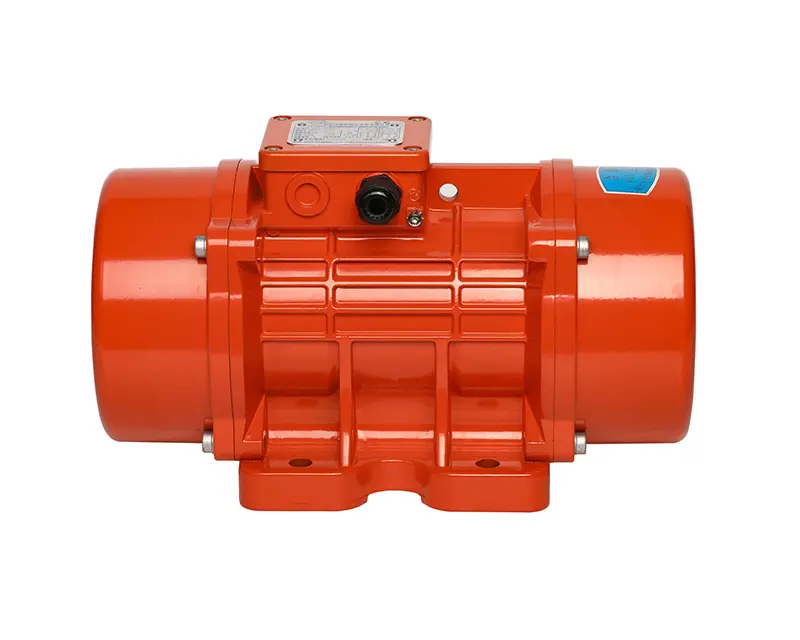
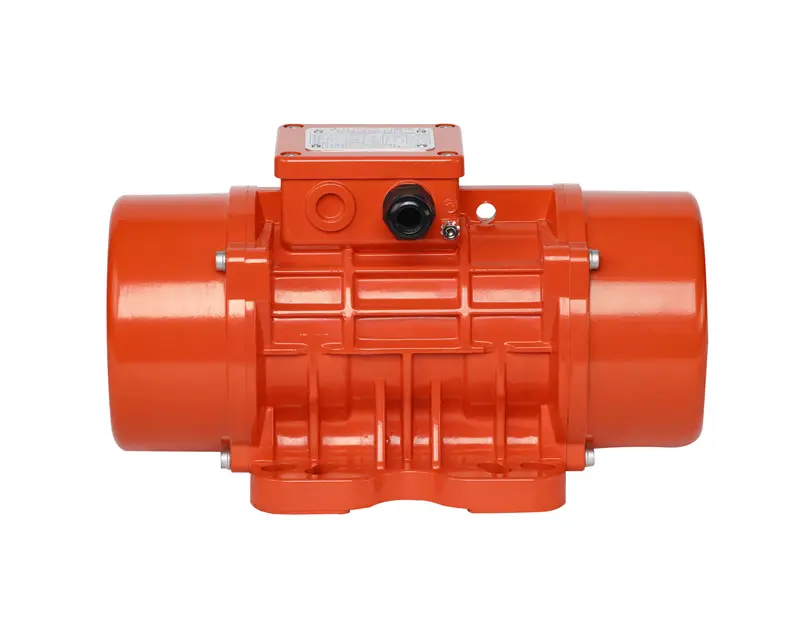
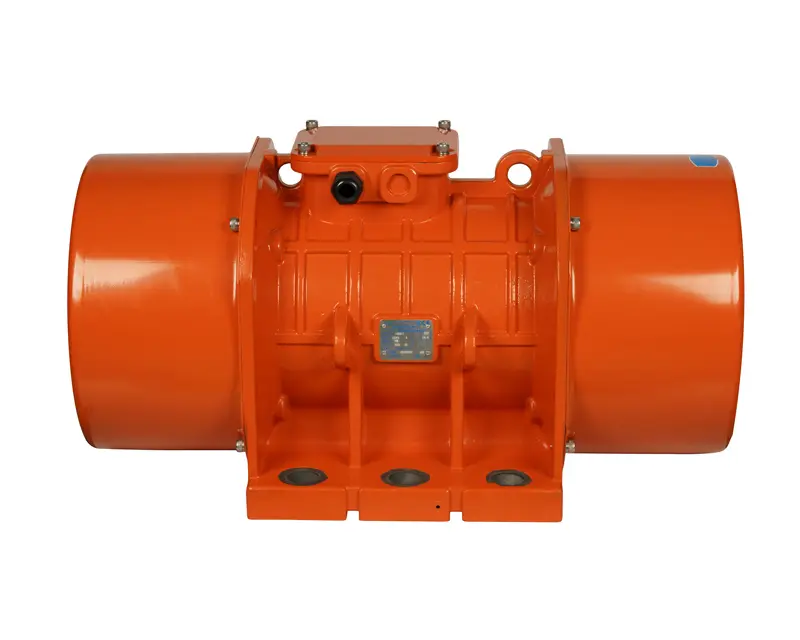
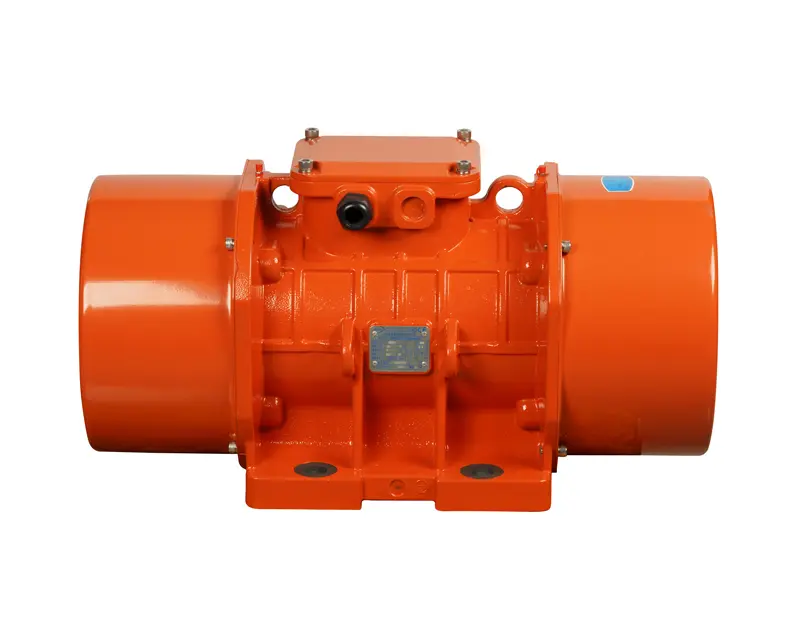
When construction teams put an Industrial Vibration Motor into service on a job site, especially when paired with a Concrete Vibrator, one of the more common questions we hear from operators is: “Why does my tool overheat during use?” Overheating isn’t just inconvenient — it can reduce equipment life, interrupt work, and increase downtime. Many users have reported this issue, wondering whether the problem lies with their operating method, the workload, or even the equipment itself.
Understanding the reasons behind overheating starts with knowing how vibration equipment operates. In a concrete consolidation task, a vibrator motor rapidly oscillates to remove air bubbles and help the concrete achieve consistent density. This high-speed activity naturally generates heat, but excessive temperature rise signals that one or more underlying issues may need attention.
1. Extended Continuous Operation
One primary cause of overheating is simply running the Concrete Vibrator for extended periods without breaks. During lengthy pours or deep sections of concrete, users may instinctively keep the motor running continuously. However, all motors — including those in Industrial Vibration Motor applications — require periodic cooling time under heavy load. When air vents or cooling pathways get blocked by dust, debris, or concrete residue, heat can build up quickly and cause overheating issues. Professional field sources emphasize that regular pauses during long jobs help reduce motor stress and keep temperature in check.
2. Blocked Air Circulation
Another common situation reported by users online is when the motor’s cooling passages become clogged. Concrete dust, silica particles, and water splatter can settle in the motor’s housing and airflow channels. When these become obstructed, the heat that normally exits via air circulation remains trapped, driving up internal temperature. Regular cleaning after each shift and daily inspection of air vents greatly improve performance. Maintenance routines — especially for tools exposed to harsh concrete dust environments — help reduce excessive warming.
3. Electrical Supply and Load Stress
Improper electrical supply can also cause overheating. If the Concrete Vibrator motor receives unstable voltage or ean lectrical supply below its rated capacity, it may draw extra current to compensate, resulting in increased heat. This situation can occur when extension cords are too long, power sources are shared with heavy tools, or generators are undersized. Operators should always confirm the rated electrical requirements of their Industrial Vibration Motor and match them with a stable, adequate power supply to avoid unneeded load stress.
4. Mechanical Wear and Lubrication Problems
In many cases, overheating isn’t just an electrical or thermal issue — mechanical wear plays a role. Bearings, shafts, and internal vibration components require proper lubrication and routine checks. When internal components begin to wear, friction increases, which directly translates to heat production. Some field diagnostics recommend regular greasing of bearings and inspection of flexible shafts to avoid abnormal temperature rises. Operators should take the time to check mechanical wear points and replace worn parts before they cause overheating or worse failures.
5. Harsh Worksite Conditions
Concrete pouring often takes place in challenging environments: high ambient temperatures, confined spaces, and dusty conditions. These factors compound the risk of overheating because the motor starts at an elevated baseline temperature and can’t dissipate heat efficiently. Users have noted that keeping tools shaded, elevated off hot surfaces, and clean can significantly reduce thermal buildup during use.
What You Can Do Today
Here are some quick user-friendly tips to tackle overheating before it becomes a serious problem:
- Pause regularly during long pours to let the motor cool naturally.
- Check air vents and clean them daily to ensure proper airflow.
- Confirm power supply matches rated voltage to avoid electrical strain.
- Inspect bearings and lubrication points regularly to reduce friction.
- Store equipment properly when not in use — cool, dry, and dust-free.
These practical steps reflect patterns reported by users on construction forums and in maintenance guides, and are consistent with good field practice for maintaining concrete work tools.
At Shenzhen Putian Vibration Motor Co., Ltd., we continually see how simple preventive measures and routine checks help operators avoid overheating concerns. Taking a proactive approach today helps ensure your vibration tools run longer, stay cooler, and perform as expected on every job site.
Mobile
Products
Contact Us
- Address: No.6 Building, Wanfeng 98 Industrial City, Shajing Street, Baoan District, Shenzhen, Guangdong, China.
- Phone: +86-18923719730 / +86-0755-27460501
- Fax: +86-0755-27460606
- E-mail: [email protected]
Copyright © Shenzhen Putian Vibration Motor Co., Ltd. All Rights Reserved.

