

 English
 русский
 Português
 عربى
عربى فارسی
فارسیIndustry News

Can a Waterproof Vibration Motor Survive Water Exposure
 Mar-13-2026
 Industry News
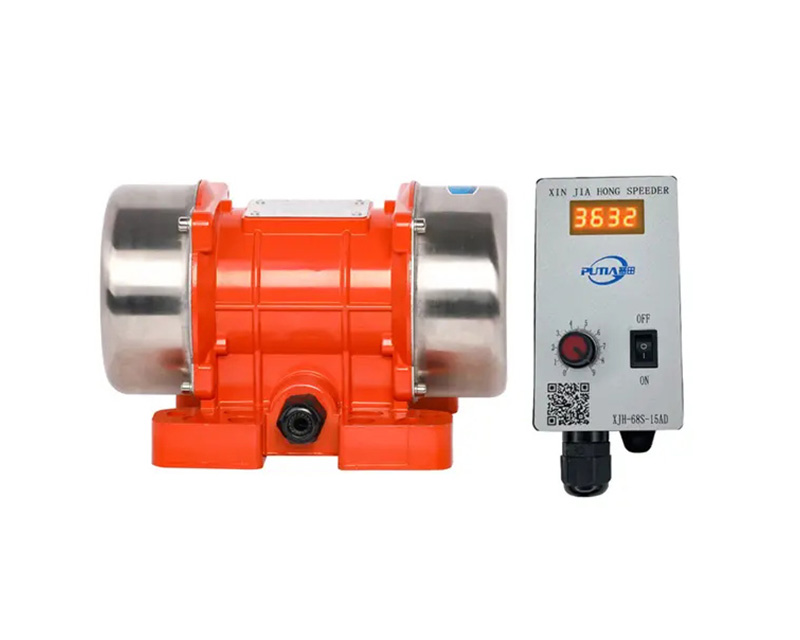
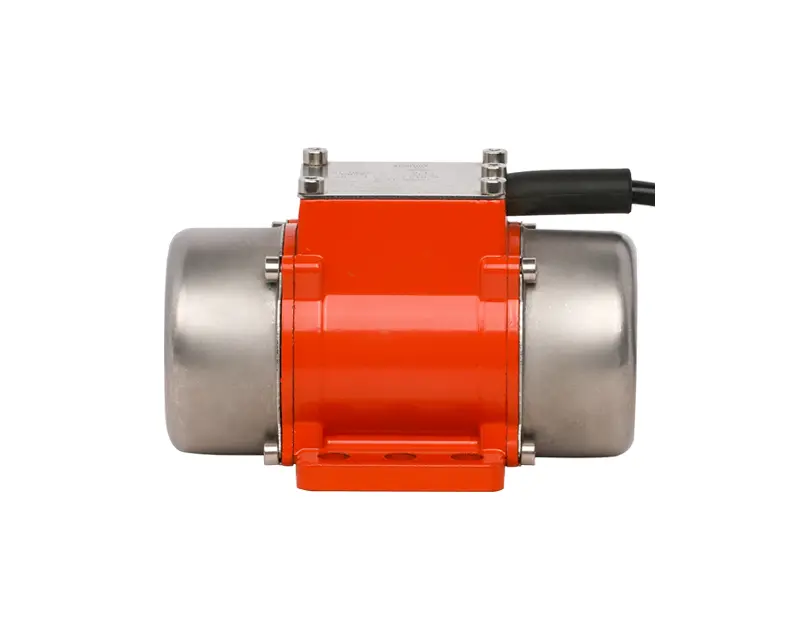
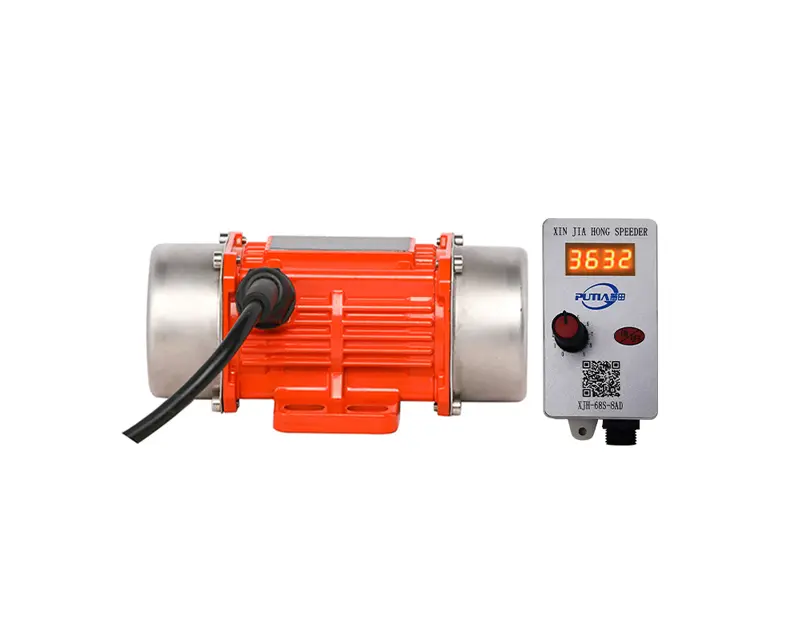
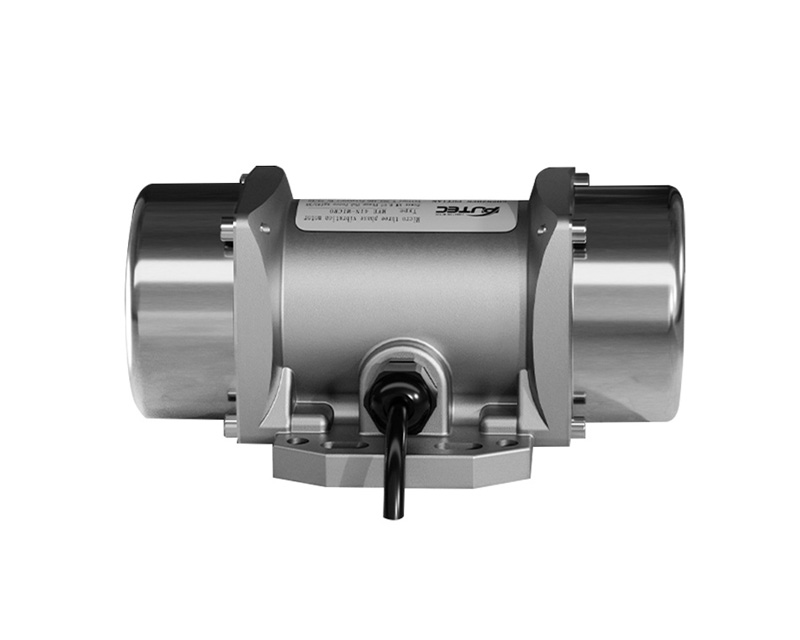
Many industrial applications require equipment that can withstand harsh conditions, including water and moisture exposure. Users often wonder whether a waterproof vibration motor can truly operate reliably in wet environments without performance loss or safety risks. Operators dealing with washing systems, outdoor equipment, or processes involving fluid contact frequently raise questions like “will my vibration motor fail when splashed?” and “how do I ensure long-term operation under moisture?”. As experienced industrial motor manufacturers, we listen to these concerns and provide detailed insights to help you make informed choices.
When evaluating the survival of a vibration motor in wet conditions, it’s important to understand what waterproof actually means in practice. Waterproofing is not just a single feature — it involves design, materials, seals, and ongoing maintenance.
Understanding Waterproofing Standards
primaryly, what qualifies a vibration motor as waterproof? more waterproof motors are designed with specific ingress protection (IP) ratings that determine how well they resist solids and liquids. For example, a motor with a higher IP rating is more capable of resisting water jets or even submersion. These ratings are often tested under controlled conditions to simulate real-world exposure scenarios.
However, users should note that waterproof does not mean completely impervious to all kinds of moisture. A vibration motor may survive splashes and temporary exposure, but prolonged submersion at depth or under pressure can still challenge seals and enclosures. Understanding the intended conditions of use is therefore critical.
Common Water Exposure Challenges
Several factors influence whether a waterproof vibration motor continues to operate as expected:
Seal Degradation Over Time
Even high-quality seals can wear due to vibration, temperature changes, or chemical exposure. Once a seal begins to fail, water and moisture can infiltrate internal components, causing corrosion and eventual motor failure. Regular inspection and replacement of sealing elements help prolong operational life.
Corrosion Risks for Internal Parts
Motors often contain bearings and other metal components that are sensitive to oxidation. Incoming moisture may not cause immediate failure, but if protective coatings are compromised, long-term exposure can accelerate corrosion. Choosing materials with corrosion resistance enhances durability.
Electrical Component Vulnerability
Water inside a motor housing can short circuits or disrupt insulation, causing faults or complete failure. Waterproof vibration motors are usually designed with protective insulation and sealed wiring to minimize this risk, but proper installation and maintenance remain crucial.
How Users Can Enhance Waterproof Performance
There are several practical steps operators can take to ensure their waterproof vibration motors continue to function in moist environments:
Confirm IP Ratings for Your Conditions
Check the specific IP rating of the motor relative to your application. Ratings like IP65 or IP67 indicate good protection against water spray or temporary submersion. Align the motor’s rating with expected exposure levels.
Routine Inspection and Maintenance
Even waterproof motors benefit from scheduled checks. Look for signs of wear on seals, loose fasteners, or unusual vibration patterns that may indicate internal moisture. Routine maintenance can catch issues early.
Use Protective Housings Where Needed
In applications where fluids, high-pressure washing, or complete immersion are common, consider adding external protective housings or covers. These provide an additional layer of defense beyond the motor’s internal sealing.
Real Use Cases and Insights
Some operators report that their waterproof vibration motors perform well in moderately wet environments, such as outdoor food processing or conveyor systems exposed to cleaning sprays. However, they also note that prolonged submersion — especially under pressurized conditions — without adequate protection can shorten service life. One user asked whether a motor could be left under standing water indefinitely; the consensus from field experience is that protection strategies beyond basic waterproofing are necessary to avoid deterioration.
By working with a trusted industrial motor partner, you can ensure proper selection of waterproof vibration motors suited to your environment. Shenzhen Putian Vibration Motor Co., Ltd. emphasizes thorough specification review and preventive practices to help users extend their motor lifespan.
Can It Survive?
A waterproof vibration motor can survive water exposure, particularly when the exposure is intermittent or moderate and when proper IP ratings and maintenance protocols are in place. However, water resistance has limits, and long-term immersion without added safeguards can still pose risks. Selecting the right rating, maintaining seals, and pairing waterproof motors with appropriate protective measures are key to long-term success.
By understanding both the capabilities and limitations of waterproof motors in wet environments, operators can reduce downtime, prevent failure, and ensure smoother industrial operations.
Mobile
Products
Contact Us
- Address: No.6 Building, Wanfeng 98 Industrial City, Shajing Street, Baoan District, Shenzhen, Guangdong, China.
- Phone: +86-18923719730 / +86-0755-27460501
- Fax: +86-0755-27460606
- E-mail: [email protected]
Copyright © Shenzhen Putian Vibration Motor Co., Ltd. All Rights Reserved.

