

 English
 русский
 Português
 عربى
عربى فارسی
فارسیIndustry News

Why Does a Vibration Motor Fail to Start
 Mar-20-2026
 Industry News
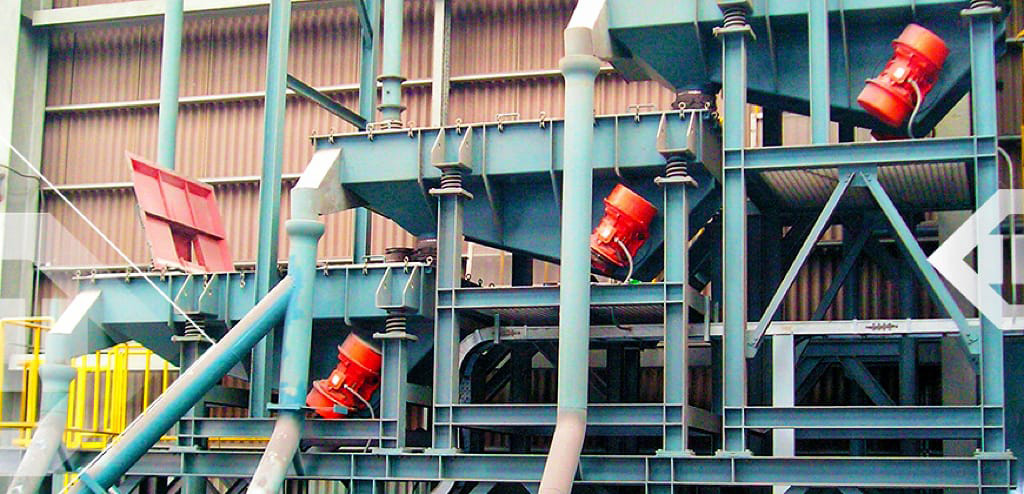
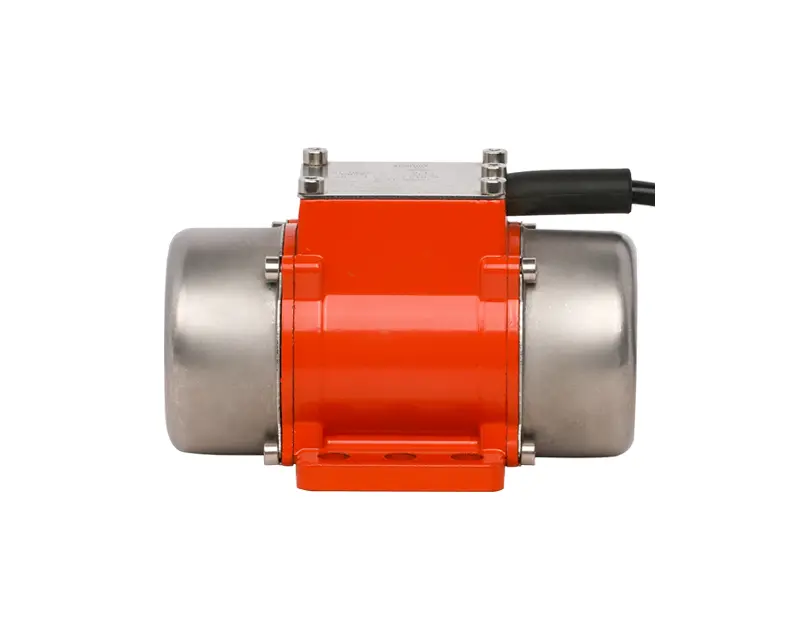
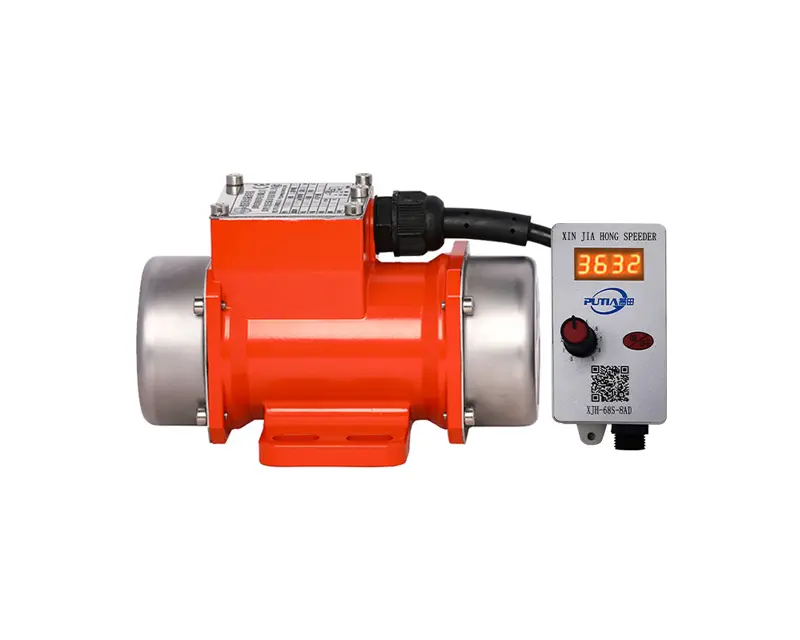
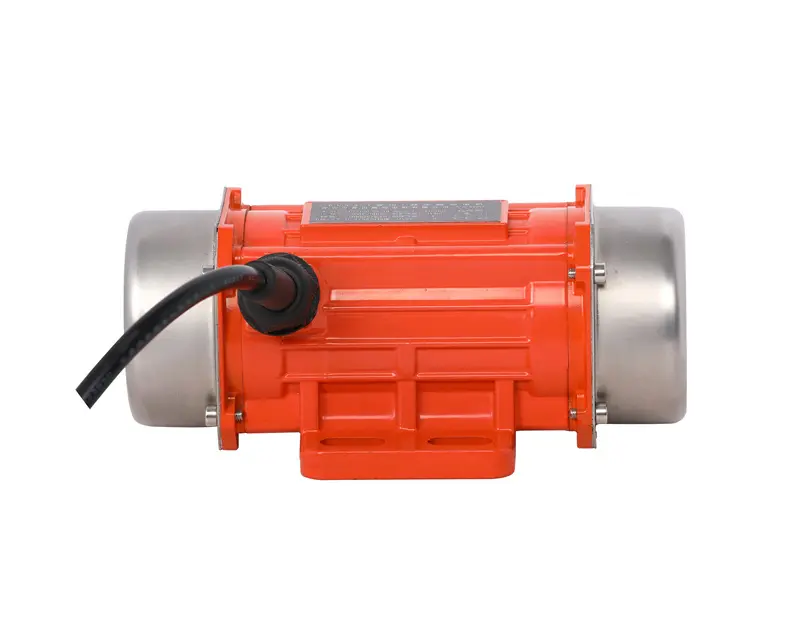
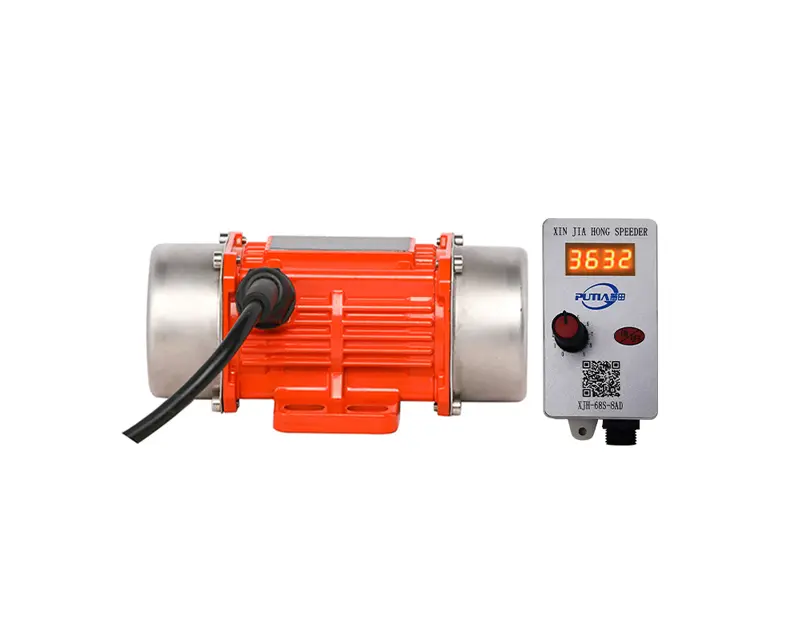
Vibration motors play a key role in countless industrial systems, yet sometimes they simply refuse to start despite having power applied. This problem puzzles many operators who rely on vibration equipment daily. Users often ask why their equipment doesn’t begin vibrating even though the power seems fine, or why the motor hums but won’t spin. As experienced industrial motor manufacturers, we can confirm that troubleshooting such startup issues requires understanding both electrical and mechanical factors. Whether it’s a small part in a waterproof vibration motor or a larger vibration system, startup failures frequently stem from common root causes that are often overlooked.
When a vibration motor does not start, the fault could lie in the motor’s internal wiring, external load positioning, or even maintenance-related issues.
1. Wiring and Electrical Faults
One of the more common reasons vibration motors fail to start involves electrical problems.
Incorrect or Faulty Winding Connections
A vibration motor often fails to start if its stator windings are incorrectly wired or have short circuits between phases or to ground. This is especially relevant for motors that have undergone maintenance or rewiring, as miswiring can prevent the motor from generating rotational torque.
Grounding Issues
A winding-to-ground short circuit creates a path that diverts current away from normal operation, effectively starving the motor of the necessary power it needs to start.
Overloading or Blocked Rotor
At times, the motor cannot begin turning because the rotor is physically blocked or the load is too heavy. For example, if vibration equipment is mounted incorrectly or a shaft is obstructed, the motor simply can’t overcome the load at startup.
2. Mechanical Restrictions and Wear
Electrical faults aren’t the only culprits — mechanical integrity is equally important for vibration motor startup.
Loose or Misaligned Parts
Operators often discover that loose weights on the motor shaft, misaligned mount plates, or warped structural components can prevent a vibration motor from developing proper rotating force.
Bearing and Lubrication Issues
Bearings with inadequate lubrication, dirt contamination, or wear can seize or generate too much friction for the motor to overcome during startup. Poorly lubricated bearings also generate heat and reduce efficiency, further hindering startup.
Mount Plate Corrosion or Structural Damage
Mounting surfaces that are corroded or uneven can cause mechanical distortion, making it more difficult for the vibration motor to begin rotating freely.
3. Environmental Impacts and Motor Design
Vibration motors, especially those designed for demanding environments, are impacted by the conditions they operate in.
Moisture and Contamination
Even if a motor is designed as a waterproof vibration motor, environmental moisture may eventually degrade insulation or lubricants. This can affect internal resistance and torque, which in turn impacts the motor’s ability to start effectively.
Protective Element Failures
Protective elements like overload relays, fuses, or motor starters must be correctly selected and maintained. A tripped overload or a blown protective component can prevent a motor from initiating movement.
4. Diagnostics: Signs Your Motor Isn’t Starting Normally
Operators have shared consistent signs that often accompany a motor that won’t start:
Noisy or Grinding Sound
A vibration motor that hums without spinning could be mechanically bound or electrically miswired.
Overcurrent or Tripped Protection
Repeated breaker trips or protective device trigger events suggest an electrical fault, short circuit, or overload condition.
No Movement Despite Power
Full power delivery without rotation points to issues like blocked shafts, mechanical interference, or degraded internal components.
5. What Operators Can Do Next
If your vibration motor fails to start, a systematic approach yields the better results:
Inspect Wiring Continuity and Insulation
Check that all winding connections are correct and that insulation resistance is within normal ranges.
Verify Mounting and Mechanical Connections
Tighten mounting bolts, inspect for corrosion, and test free rotation of the shaft by hand where possible.
Regular Maintenance
Plan lubrication intervals, inspect for wear, and look out for contamination to keep both electrical and mechanical systems in good condition.
Professional Evaluation
For complex systems or persistent issues, having a qualified technician assess the vibration motor can prevent long-term damage.
A failure to start does not always signal a major breakdown — often it reflects an overlooked wiring or mechanical concern. Understanding these key causes helps users identify and fix the issue quickly, extending the life of their equipment.
If you have additional questions about troubleshooting vibration motors or want guidance on selecting the right solution for challenging environments, Shenzhen Putian Vibration Motor Co., Ltd. provides detailed support and tailored recommendations.
Mobile
Products
Contact Us
- Address: No.6 Building, Wanfeng 98 Industrial City, Shajing Street, Baoan District, Shenzhen, Guangdong, China.
- Phone: +86-18923719730 / +86-0755-27460501
- Fax: +86-0755-27460606
- E-mail: [email protected]
Copyright © Shenzhen Putian Vibration Motor Co., Ltd. All Rights Reserved.

