

 English
 русский
 Português
 عربى
عربى فارسی
فارسیIndustry News

Can Better Motor Matching Improve Industrial Vibration Control?
 Oct-09-2026
 Industry News
Vibration is essential to many industrial processes, including material screening, conveying, feeding, and handling. Yet selecting a motor based only on its rated power or vibration force may advance to uneven material movement, excessive mechanical stress, or control difficulties after installation. Equipment manufacturers need to consider the relationship between the motor, supporting structure, operating conditions, and required vibration pattern. A carefully matched drive system can make equipment easier to configure and help maintain consistent process performance across different production tasks.
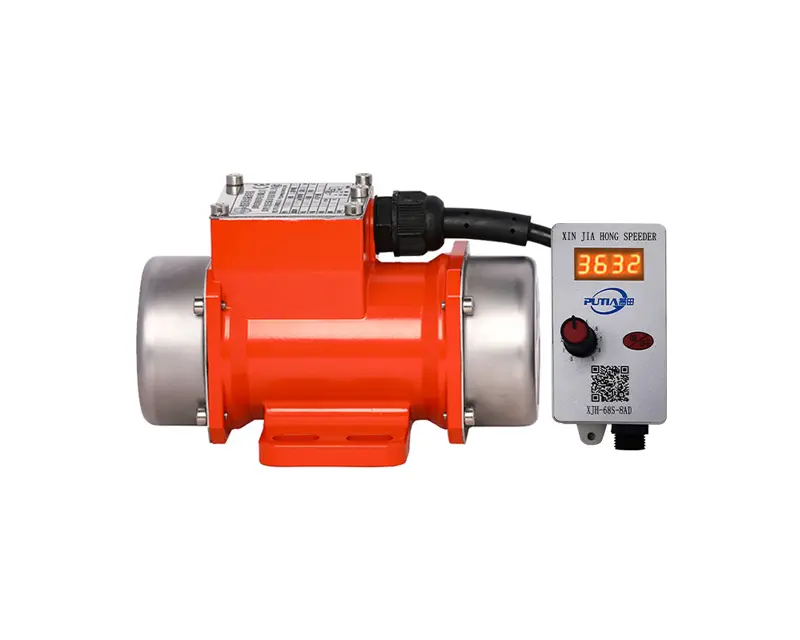
Understand the Required Vibration Output
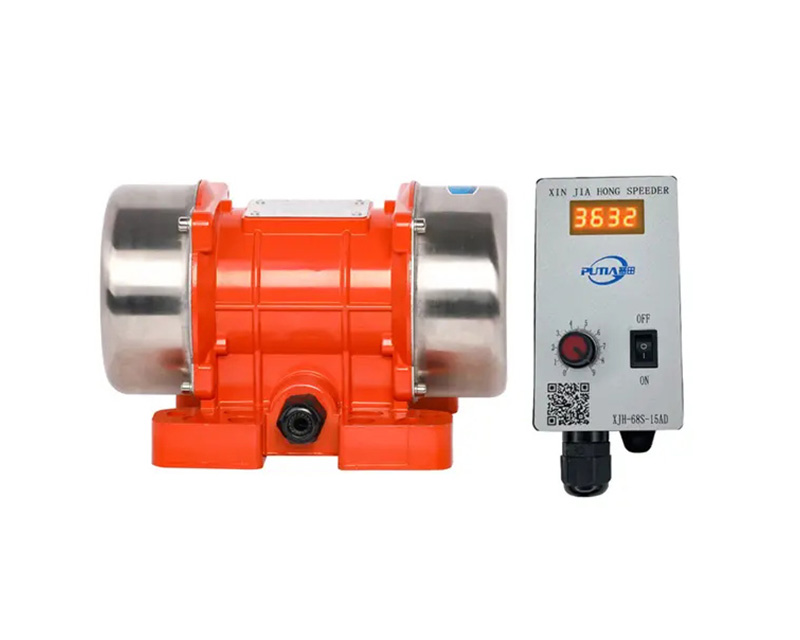
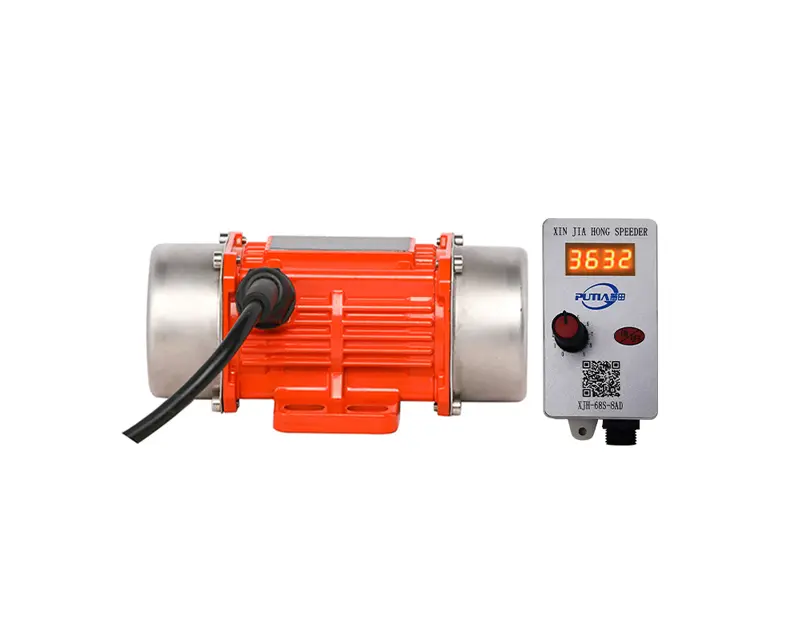
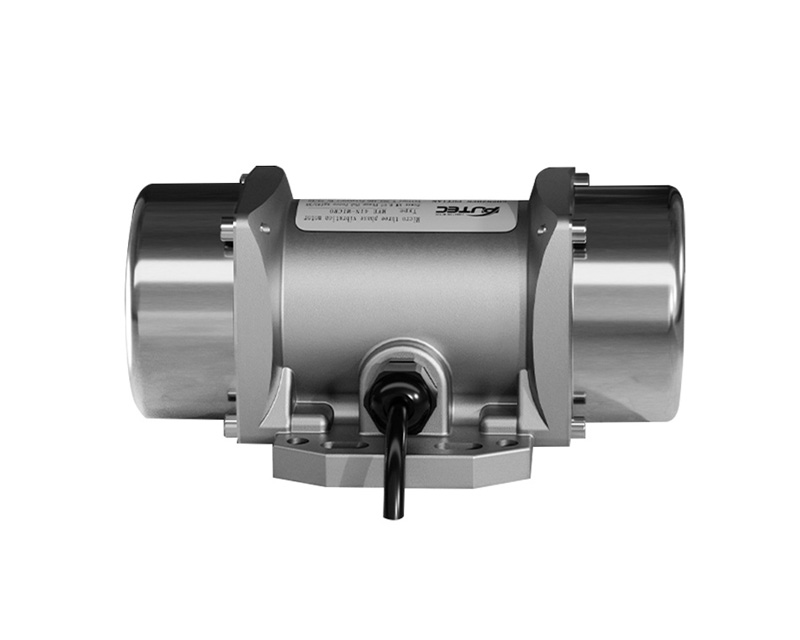
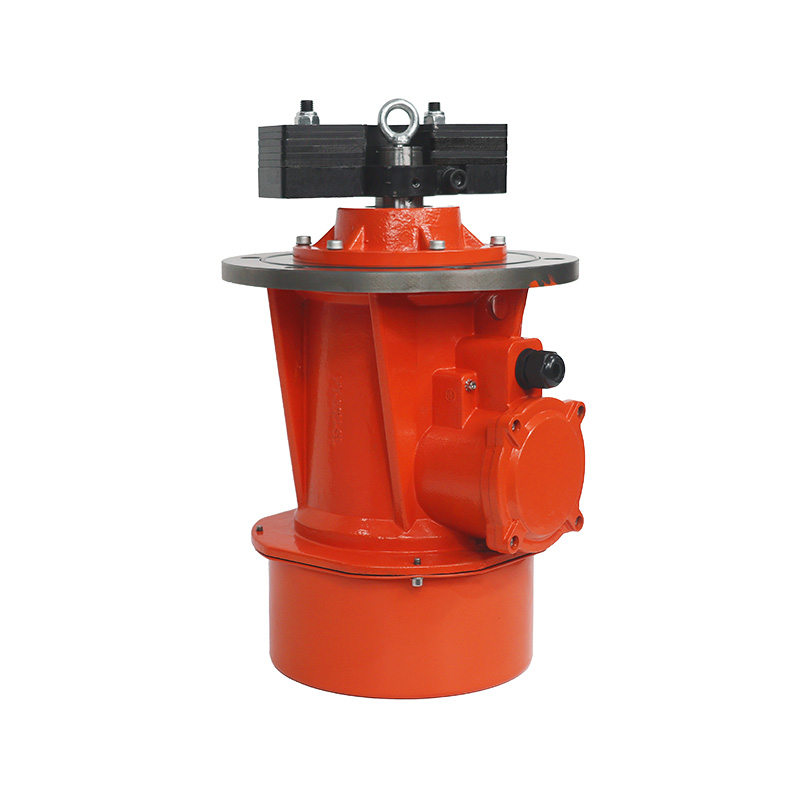
Before choosing a Brushless Vibration Motor, buyers should define what the equipment needs to achieve. A vibrating feeder may require controlled material movement, while a screening machine needs vibration characteristics suited to the material and separation process.
The required vibration force, operating frequency, installation position, and equipment structure all influence motor selection. A motor that produces insufficient force may not move material as intended, while excessive vibration can increase stress on the frame, fasteners, and supporting components.
Manufacturers should therefore evaluate the intended application instead of recommending a model based on one specification alone. Providing information about material type, equipment dimensions, loading conditions, and expected operating patterns helps establish a more suitable configuration.
Consider the Benefits of Brushless Operation
Brushless motor designs eliminate mechanical brushes used in conventional brushed motors. This can reduce brush-related wear and maintenance, making the technology worth considering for equipment that operates frequently or requires convenient speed control.
However, brushless operation still depends on compatible electronic control, appropriate operating conditions, and correct installation. Buyers should confirm whether the motor requires a dedicated controller, which control inputs are supported, and how speed or operating parameters can be adjusted.
For equipment manufacturers, these details matter during system integration. A motor and controller should be evaluated as a working combination rather than treated as unrelated components.
Match Control Functions to the Application
Not every vibration process requires the same level of control. Some machines operate at a fixed setting, while others may need adjustable speed to accommodate different materials or production stages.
Before purchasing, engineers should clarify:
- Whether operating speed needs to be adjustable
- What control signals or interfaces are available
- Whether the controller supports the intended power supply
- How the system responds to startup and changing loads
- What protection functions are included in the control arrangement
These questions help prevent compatibility problems during commissioning. Buyers should verify actual control capabilities against the product specifications rather than assume that every brushless model offers the same functions.
Manage Heat During Extended Operation
Motor temperature can influence service life and operating stability. Heat generation depends on electrical loading, motor design, ventilation, ambient temperature, and the duration of operation. In vibration equipment, installation conditions and mechanical loading should also be considered.
Manufacturers need to evaluate thermal performance under the operating conditions specified for the product. Buyers should check the permitted duty cycle, ambient temperature range, and any cooling or installation requirements before integrating the motor into equipment.
Adequate ventilation and correct electrical configuration can help prevent avoidable thermal problems. If a motor operates unusually hot, the cause should be investigated rather than assuming that the temperature is an unavoidable result of continuous use.
Check Mechanical Compatibility Before Installation
Vibration motors transmit dynamic forces to the equipment structure, so mounting design is important. The supporting frame, mounting surface, fasteners, and surrounding components must be suitable for the intended vibration load.
Engineers should confirm mounting dimensions, shaft or housing configuration, electrical connections, and installation orientation where applicable. They should also consider whether the machine structure can withstand repeated vibration without loosening connections or developing fatigue-related damage.
For customized equipment, reviewing drawings and installation requirements with the manufacturer before production can reduce rework and simplify assembly.
Evaluate Performance Through Practical Testing
Product specifications provide a starting point, but application testing helps determine whether a selected motor meets the equipment's real requirements. Testing should reflect the intended mounting arrangement and representative operating conditions.
Depending on the application, manufacturers may assess startup behavior, operating stability, temperature, vibration output, and controller response. Buyers should also verify that the assembled machine moves material as expected and does not develop abnormal noise or structural movement.
Clear acceptance criteria agreed upon before testing make the results easier to interpret and provide a reference for repeat production.
Make Selection Part of Equipment Design
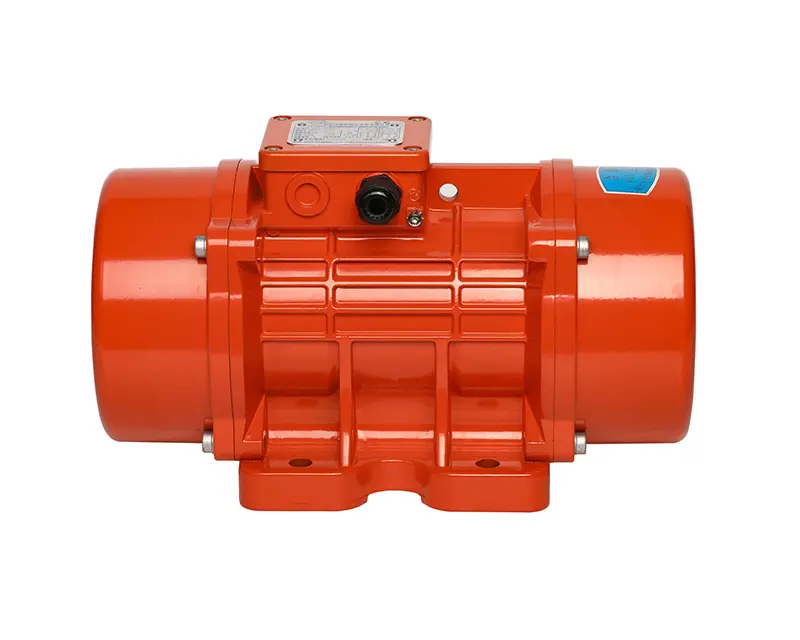
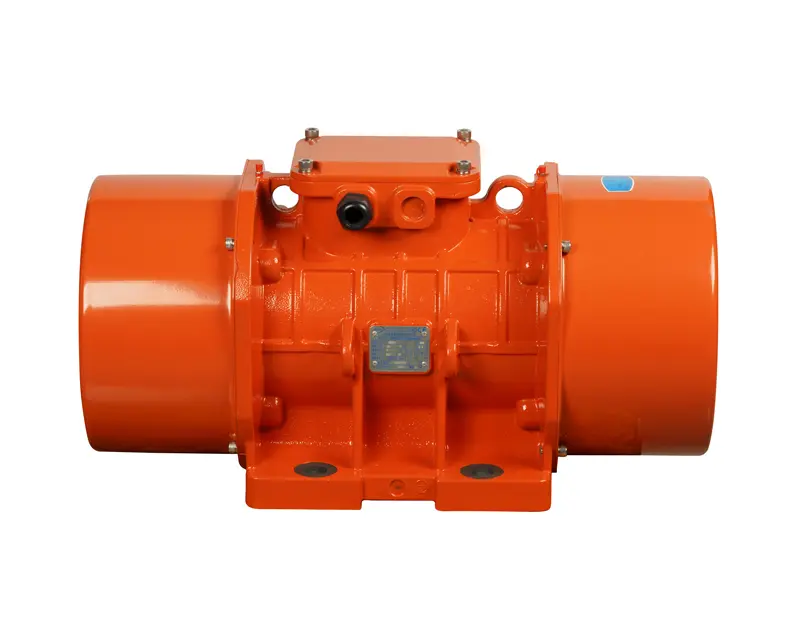
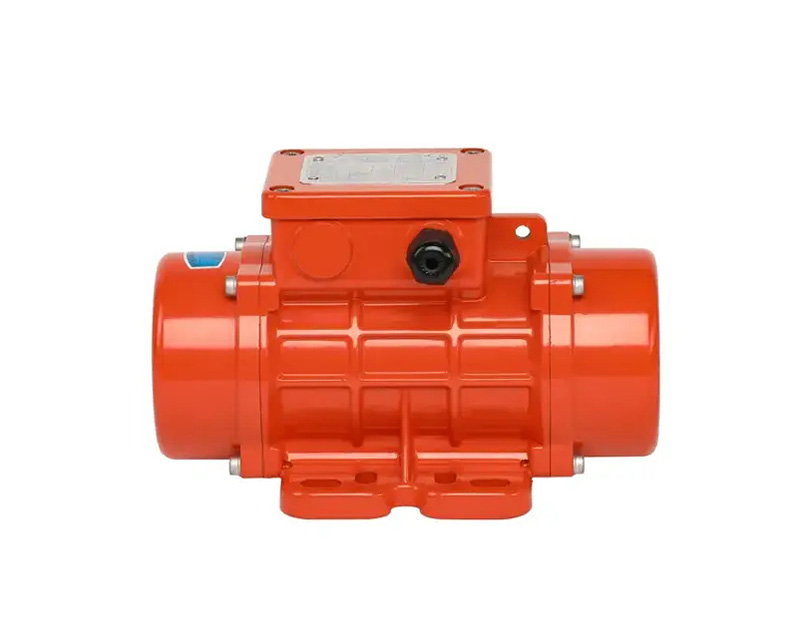
Choosing a Brushless Vibration Motor requires coordination between vibration output, control compatibility, thermal conditions, and mechanical installation. For overseas buyers and equipment manufacturers, discussing these requirements early helps identify a suitable configuration before production begins. When motor specifications are matched to the actual machine and verified under representative conditions, the resulting system is easier to integrate, evaluate, and maintain throughout its intended operating life.
Mobile
Products
Contact Us
- Address: No.6 Building, Wanfeng 98 Industrial City, Shajing Street, Baoan District, Shenzhen, Guangdong, China.
- Phone: +86-18923719730 / +86-0755-27460501
- Fax: +86-0755-27460606
- E-mail: [email protected]
Copyright © Shenzhen Putian Vibration Motor Co., Ltd. All Rights Reserved.

