

 English
 русский
 Português
 عربى
عربى فارسی
فارسیIndustry News
 Home / News / Industry News / What Should Engineers Consider When Choosing a Brushless Vibration Motor?
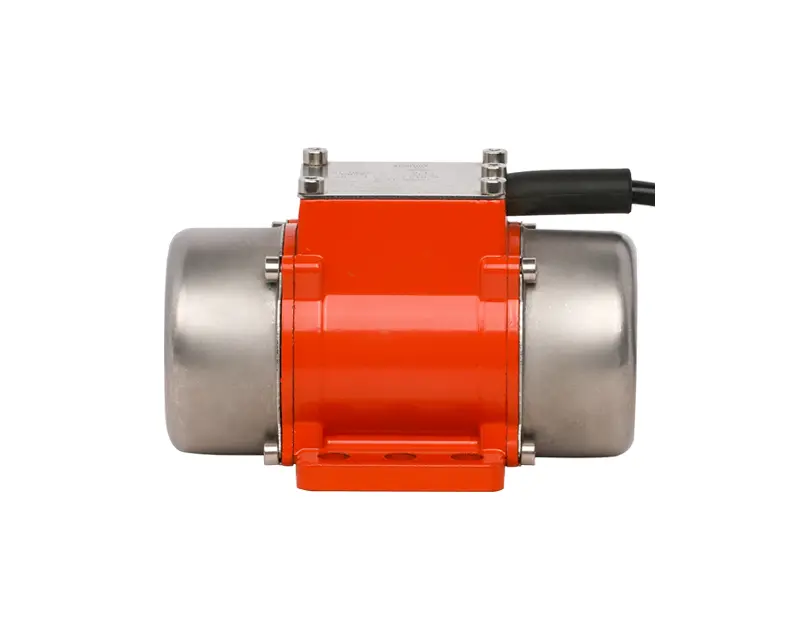
 What Should Engineers Consider When Choosing a Brushless Vibration Motor?
 Oct-02-2026
 Industry News
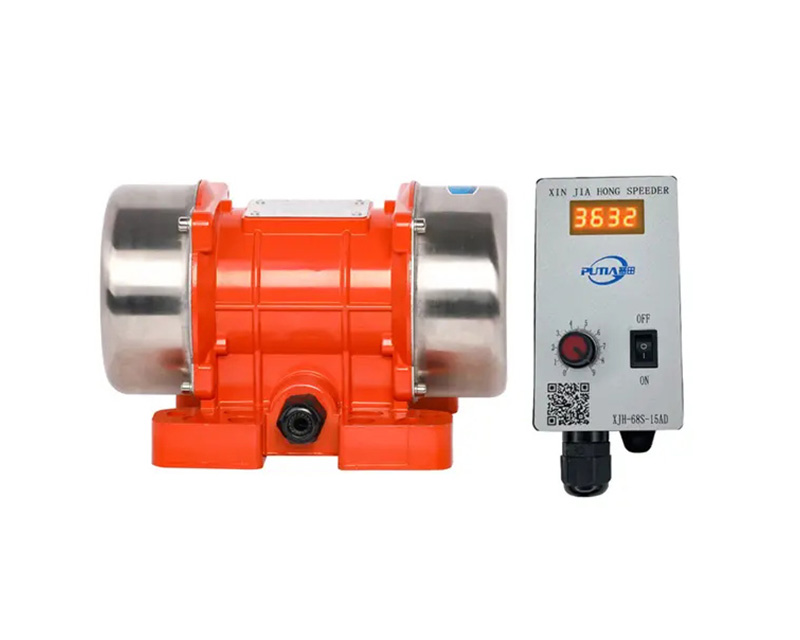
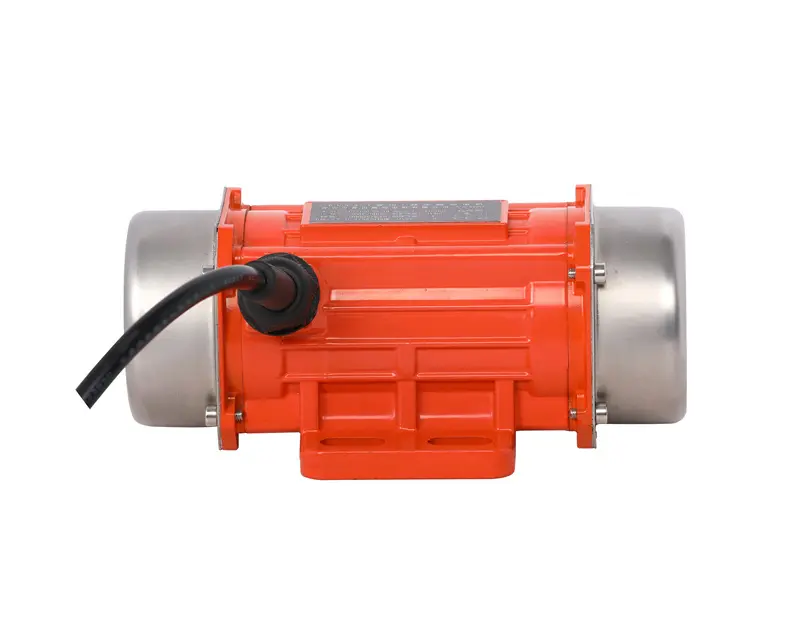
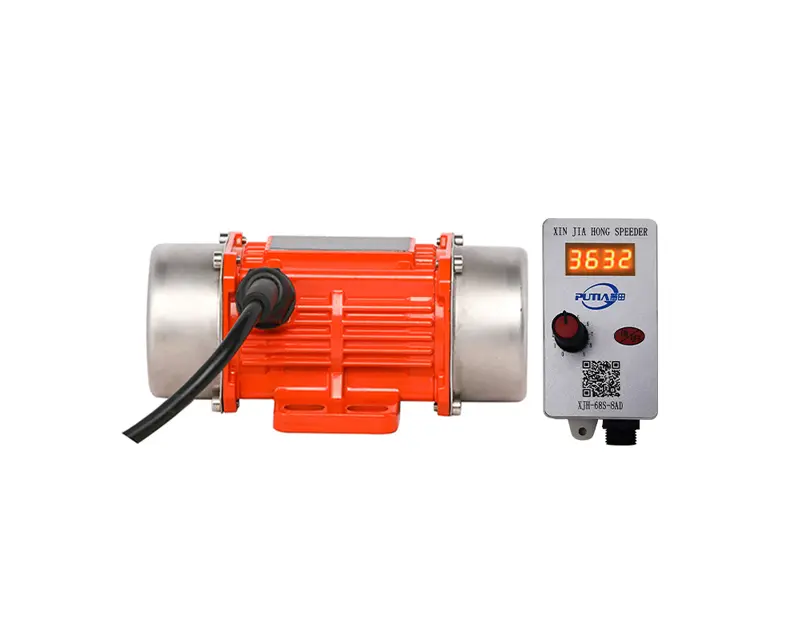
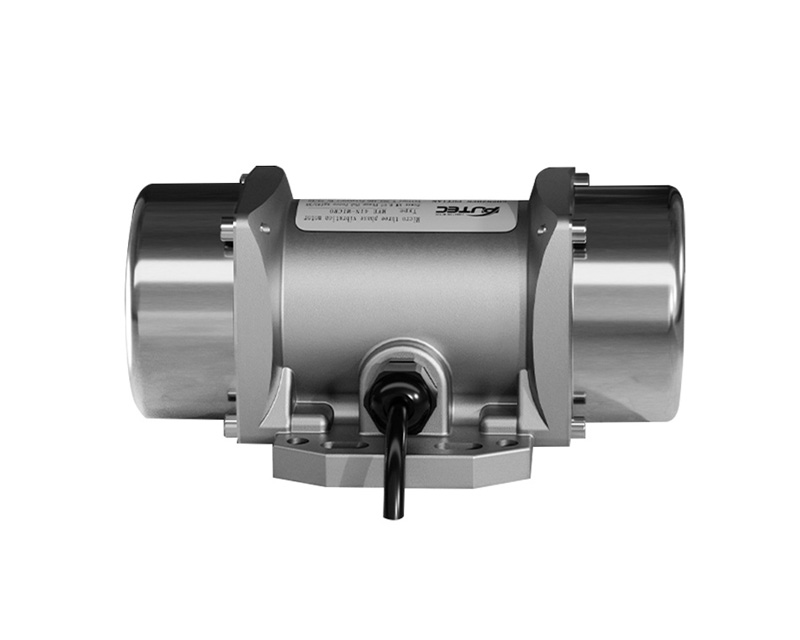
Vibration equipment is becoming more closely connected with automated production, where stable motion, controllable operation, and maintenance planning can affect the consistency of the entire process. For engineers and procurement teams, choosing a Brushless Vibration Motor is therefore not simply about replacing a conventional motor with a brushless design. The real question is whether the motor matches the required vibration force, operating environment, control system, duty cycle, and maintenance strategy. As industrial equipment becomes more connected, motor selection is increasingly linked with efficiency, electronic control, and equipment condition monitoring.
Begin With the Vibration Requirement
Before selecting a motor, engineers should define what the vibration system actually needs to accomplish. Screening, feeding, conveying, compacting, and other applications may require different vibration characteristics and installation arrangements.
Buyers should consider the equipment structure, material being processed, required vibration direction, operating frequency, and available installation space. A motor that is suitable for one vibrating machine may not provide the same result when installed on a different structure.
This is why the application should be discussed before selecting a model based only on motor dimensions.
Brushless Design Changes the Maintenance Approach
A brushless motor eliminates mechanical brushes and the related commutation contact found in traditional brushed motor designs. Electronic commutation allows the motor to operate without routine brush replacement.
For equipment used in production environments where access is inconvenient, this can be an important consideration. However, buyers should still evaluate bearings, electrical connections, cooling conditions, controller compatibility, and other service requirements rather than assuming that brushless operation means maintenance-free operation.
Match Motor Control With the Machine
Electronic control is one of the practical advantages of brushless motor technology. Modern BLDC systems can support controlled speed and operating behavior through an appropriate drive or controller, which can be useful when equipment needs more precise adjustment.
For procurement teams, several questions are worth confirming:
- What controller is required?
- Is speed adjustment needed?
- What power supply is available?
- How will the motor be started and stopped?
- Does the control system need feedback or monitoring?
- Can the motor operate correctly under the intended duty cycle?
These details should be confirmed before finalizing the equipment configuration.
Consider Heat, Dust, and Continuous Operation
Vibration motors can operate in demanding industrial environments. Dust, temperature, moisture, mechanical vibration, and continuous operation may all affect motor performance and service requirements.
A suitable motor should therefore be evaluated together with the machine enclosure and installation position. Engineers should consider ventilation, mounting strength, cable routing, bearing conditions, and the surrounding environment rather than treating the motor as an isolated component.
Do Not Ignore Condition Monitoring
Industrial maintenance is increasingly moving toward earlier identification of equipment problems. Current condition-monitoring practices use vibration together with other indicators such as temperature, current, pressure, and torque to build a broader picture of equipment condition.
For vibration equipment, this creates an additional opportunity for better maintenance planning. Changes in motor vibration, temperature, or electrical behavior can provide useful information when evaluated against the machine's normal operating condition. The goal is not to add unnecessary sensors, but to collect information that helps maintenance teams understand developing problems.
Mechanical Matching Is Just as Important
Even a well-designed motor may perform poorly if the mounting structure is unsuitable. Mounting stiffness, bolt condition, alignment, machine weight, and the position of the vibration source can all influence how vibration is transmitted through the equipment.
From a manufacturer's perspective, we recommend evaluating the motor together with the complete machine structure. This allows engineers to consider vibration force, mounting method, operating conditions, and control requirements as one system instead of treating motor selection as a separate purchasing step.
Build the Specification Around the Application
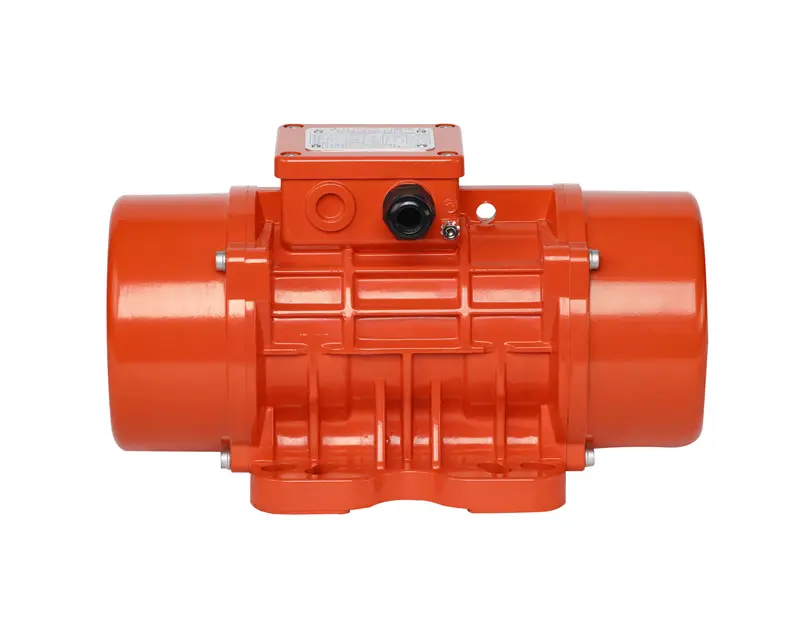
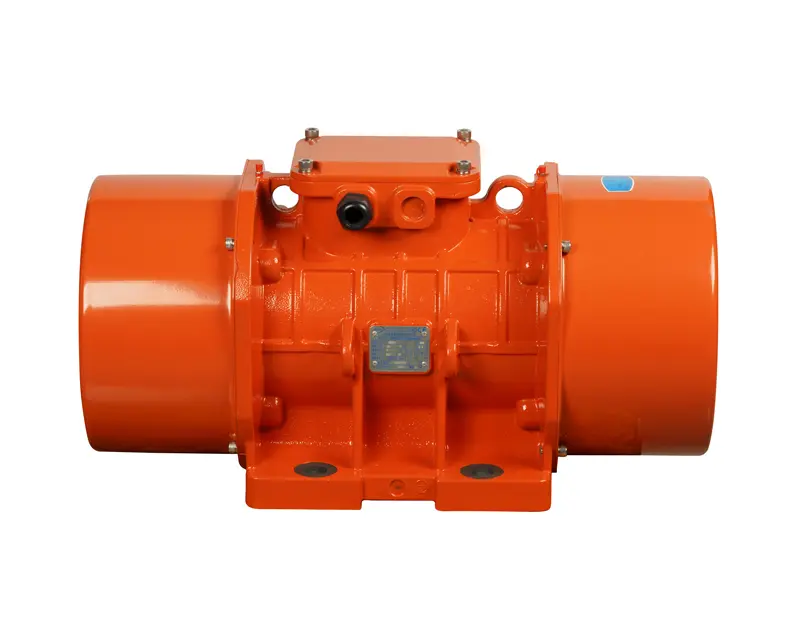
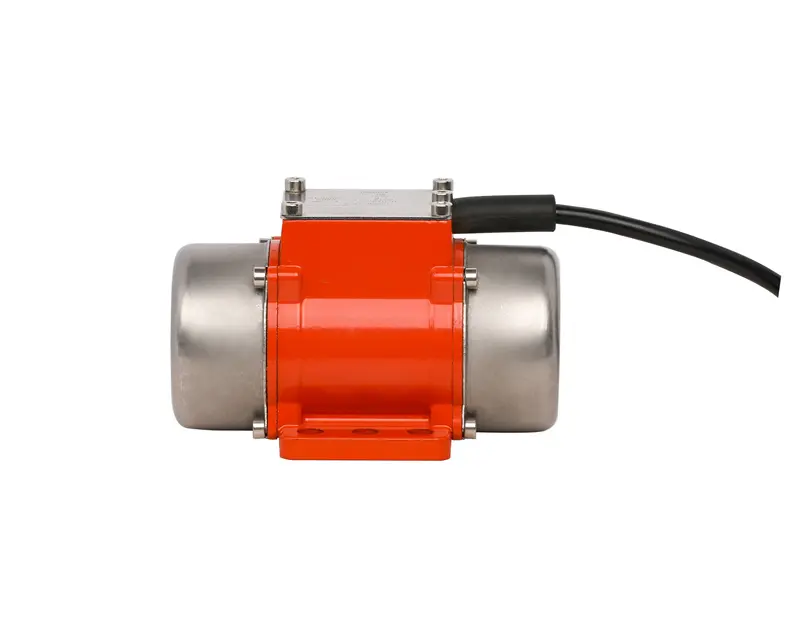
A Brushless Vibration Motor should ultimately be selected according to the actual vibrating equipment, operating environment, control method, and maintenance requirements. As factories continue adopting electronic motor control and more practical condition-monitoring strategies, buyers can benefit from working with a manufacturer that understands both the motor and its application. A clear discussion of vibration requirements, mounting conditions, power supply, control needs, and expected operating conditions can help create a more suitable solution for long-term industrial use.
Mobile
Products
Contact Us
- Address: No.6 Building, Wanfeng 98 Industrial City, Shajing Street, Baoan District, Shenzhen, Guangdong, China.
- Phone: +86-18923719730 / +86-0755-27460501
- Fax: +86-0755-27460606
- E-mail: [email protected]
Copyright © Shenzhen Putian Vibration Motor Co., Ltd. All Rights Reserved.

