

 English
 русский
 Português
 عربى
 فارسی
Industry News
 Home / News / Industry News / How Can the Right AC Vibration Motor Improve Compaction, Dewatering and Material Flow?
How Can the Right AC Vibration Motor Improve Compaction, Dewatering and Material Flow?
 Oct-30-2026
 Industry News
In many industrial processes, poor material flow, uneven compaction, and inefficient moisture removal can affect production quality and equipment performance. These challenges are common in construction, material handling, aggregate processing, and other manufacturing applications. Choosing a suitable AC vibration motor helps equipment generate controlled mechanical vibration to support material movement, improve settling, and assist separation processes. For equipment manufacturers and industrial buyers, understanding the relationship between motor specifications and actual working conditions is an important step toward building more reliable machinery.
1. Why Do Industrial Processes Need Controlled Vibration?
Material buildup and uneven distribution can create operational difficulties in hoppers, vibrating screens, conveyors, and processing equipment. When materials stick to internal surfaces or fail to move consistently, operators may need additional manual intervention, which can interrupt production.
Mechanical vibration provides a practical way to address these issues. By transferring vibration to the working structure, a motor can help loosen accumulated materials, encourage more uniform movement, and improve the distribution of materials across processing surfaces. However, vibration intensity and installation position must be matched to the equipment design and material characteristics.
2. Supporting More Consistent Material Compaction
Compaction is essential in applications where materials need to settle into a more uniform and stable structure. In construction machinery, concrete processing equipment, and industrial compaction systems, vibration helps release trapped air and allows particles to rearrange more closely.
An appropriately selected vibration motor can support:
- More uniform material distribution across working surfaces.
- Reduced air pockets during suitable concrete compaction processes.
- Better settling of granular materials in production equipment.
- More consistent results in vibration-based compaction operations.
The required vibration force depends on the material, equipment structure, and desired compaction effect. Selecting a motor based only on its rated power may overlook other important operating factors.
3. Improving Dewatering and Drainage Performance
Moisture removal is another important consideration in industrial processing. In vibrating drainage screens and dewatering equipment, controlled vibration helps move materials along the screening surface while allowing separated liquid to pass through the openings.
This process is relevant to applications involving sand, aggregates, mineral processing, and other materials requiring solid-liquid separation. Motor speed, excitation force, screen structure, and material feed conditions all influence the final result.
For equipment manufacturers, the goal is to select a vibration source that works in coordination with the entire screening system rather than treating the motor as an independent component.
4. Reducing Material Blockages in Processing Equipment
Material blockage in hoppers, chutes, and feeding systems can interrupt production and increase maintenance requirements. Moisture content, particle size, material cohesion, and equipment geometry can all contribute to poor discharge.
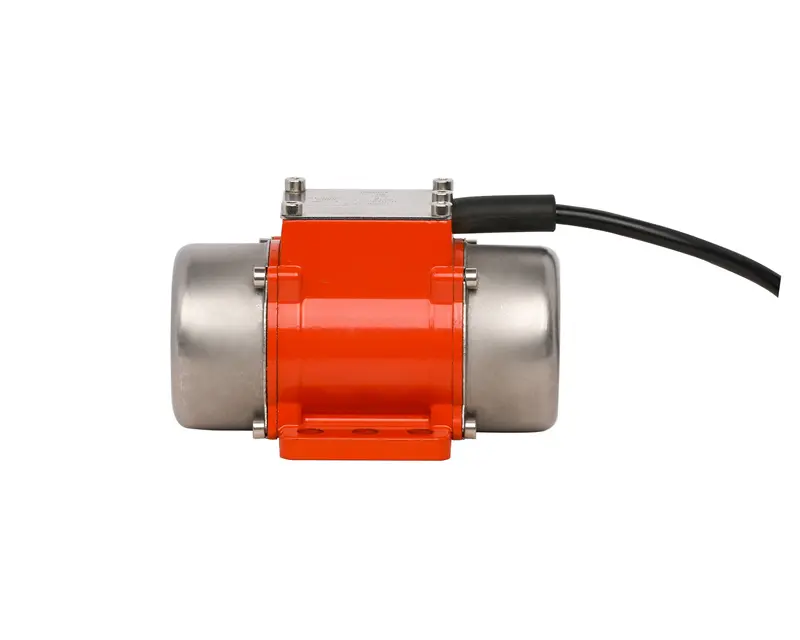
A properly installed external vibration motor can help loosen material buildup and support more consistent discharge. However, excessive vibration is not always beneficial, particularly when handling highly cohesive or moisture-sensitive materials. Engineers should evaluate the actual blockage mechanism before selecting a vibration solution.
5. What Should Buyers Consider When Selecting a Vibration Motor?
When sourcing an industrial vibration motor, overseas buyers should look beyond the model number and compare its operating specifications with their machinery requirements.
Important selection factors include:
- Excitation force: Determines the vibration force available for the application.
- Operating speed: Influences vibration frequency and must match the equipment design.
- Power supply: Voltage and frequency should correspond to local electrical standards.
- Installation conditions: Mounting position, structural strength, and fastening methods affect vibration transmission.
- Working environment: Dust, moisture, temperature, and operating cycles should be considered.
Clear technical communication between the motor supplier and equipment manufacturer helps reduce selection errors and unnecessary adjustments after installation.
6. MVE100/3: A Practical Configuration for Industrial Applications
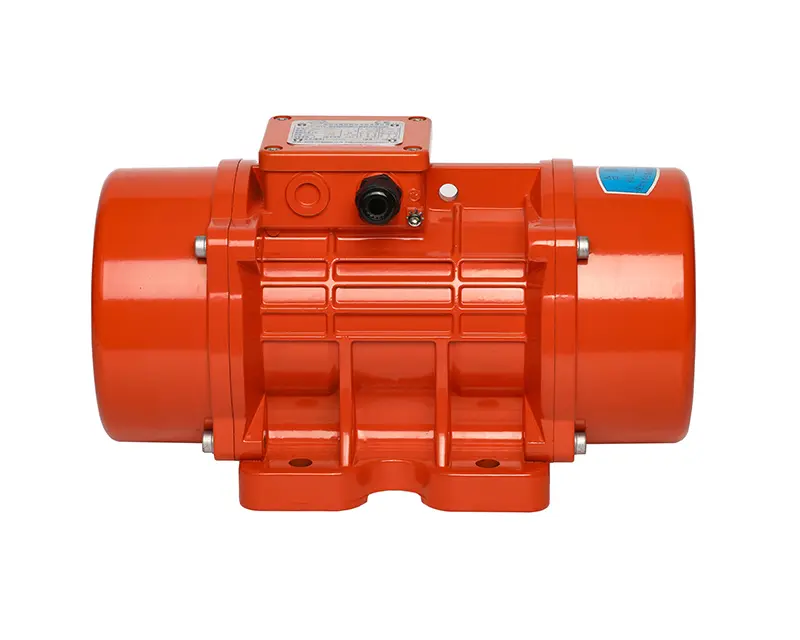
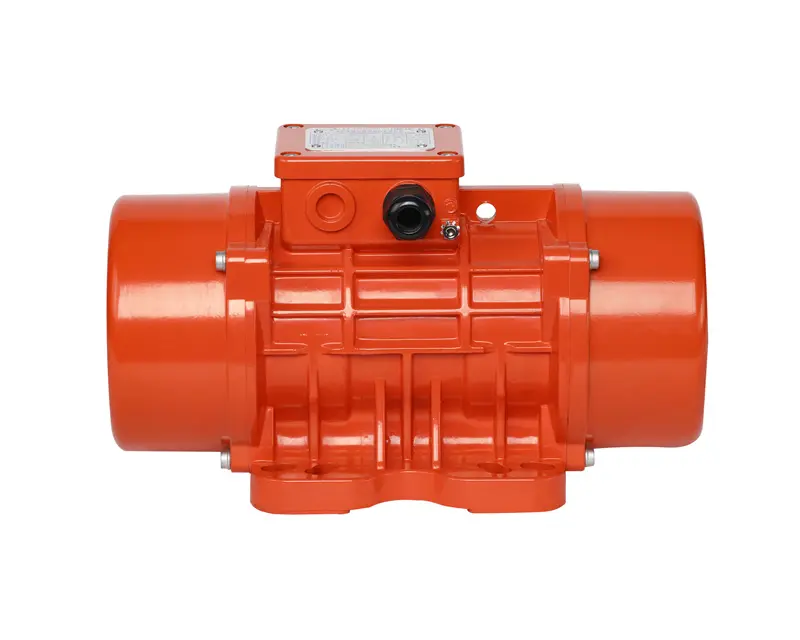
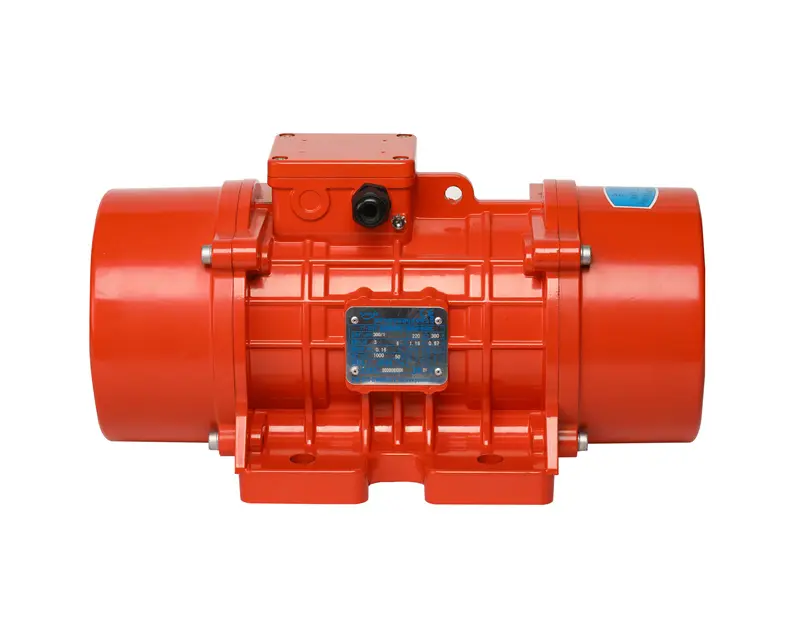
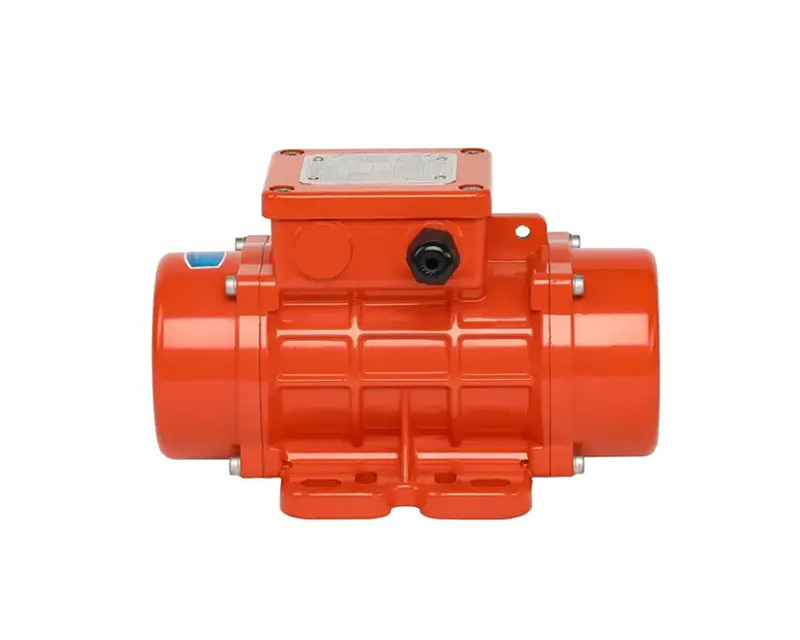
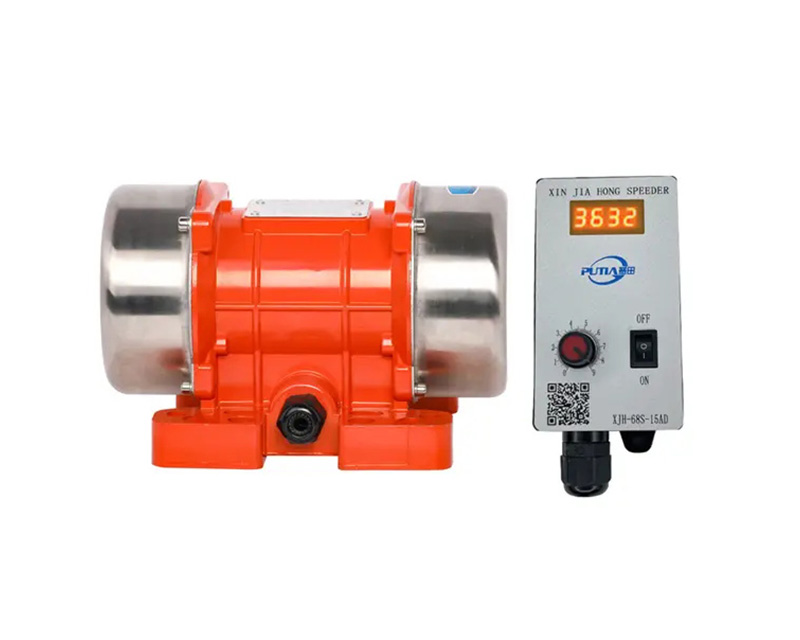
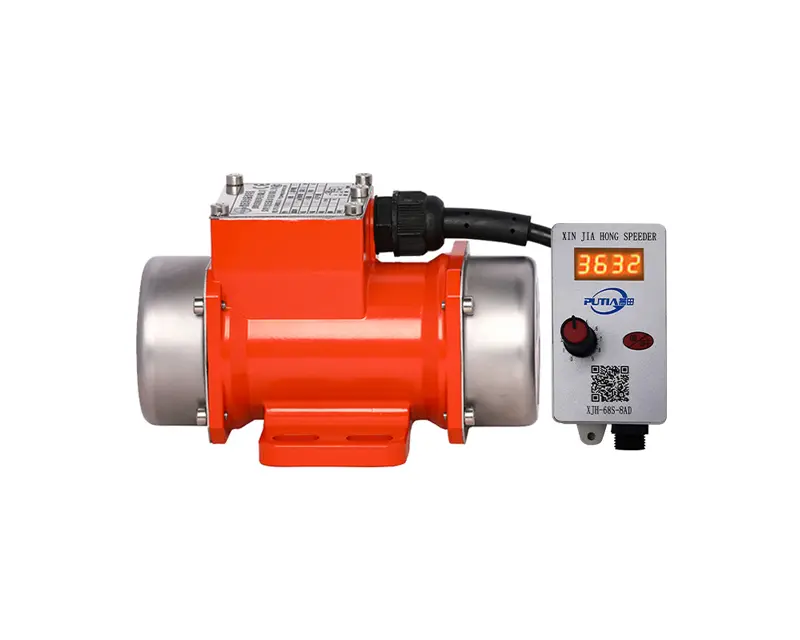
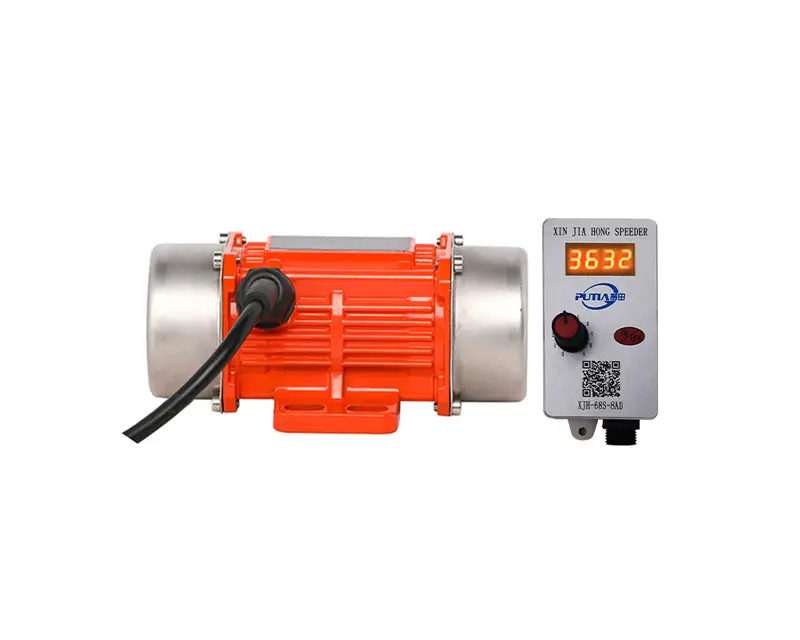
As a manufacturer of industrial vibration motors, we offer the MVE100/3 model for equipment requiring a compact motor configuration with defined vibration output.
Its main specifications include:
| Parameter | Specification |
| Model | MVE100/3 |
| Motor Type | AC Vibration Motor |
| Number of Poles | 2 |
| Excitation Force | 1 kN |
| Operating Speed | 3000/3600 RPM |
With its 1 kN excitation force and two-pole configuration, the MVE100/3 is designed for applications involving compaction, dehydration, anti-clogging, and drainage. The 3000/3600 RPM speed options correspond to different power supply frequency conditions, allowing buyers to consider the appropriate configuration for their target market.
Before ordering, customers should confirm the required voltage, frequency, installation dimensions, and operating conditions to ensure compatibility with their equipment.
7. Work with a Manufacturer for the Right Vibration Solution
Every industrial application has different requirements, and selecting a suitable motor involves more than comparing speed and excitation force. Understanding the working environment, material properties, and equipment structure helps determine whether a particular configuration is appropriate.
We focus on providing practical vibration motor solutions for industrial equipment manufacturers and bulk buyers. If you are sourcing an AC vibration motor for compaction, dewatering, material discharge, or drainage applications, contact our team with your technical requirements. We can help you evaluate the MVE100/3 configuration and identify the specifications needed for your equipment.
Mobile
Products
Contact Us
- Address: No.6 Building, Wanfeng 98 Industrial City, Shajing Street, Baoan District, Shenzhen, Guangdong, China.
- Phone: +86-18923719730 / +86-0755-27460501
- Fax: +86-0755-27460606
- E-mail: [email protected]
Copyright © Shenzhen Putian Vibration Motor Co., Ltd. All Rights Reserved.

