

 English
 русский
 Português
 عربى
 فارسی
Industry News
 Home / News / Industry News / Which Quality Checks Matter When Purchasing Brushless Vibration Motors in Bulk?
Which Quality Checks Matter When Purchasing Brushless Vibration Motors in Bulk?
 Oct-30-2026
 Industry News
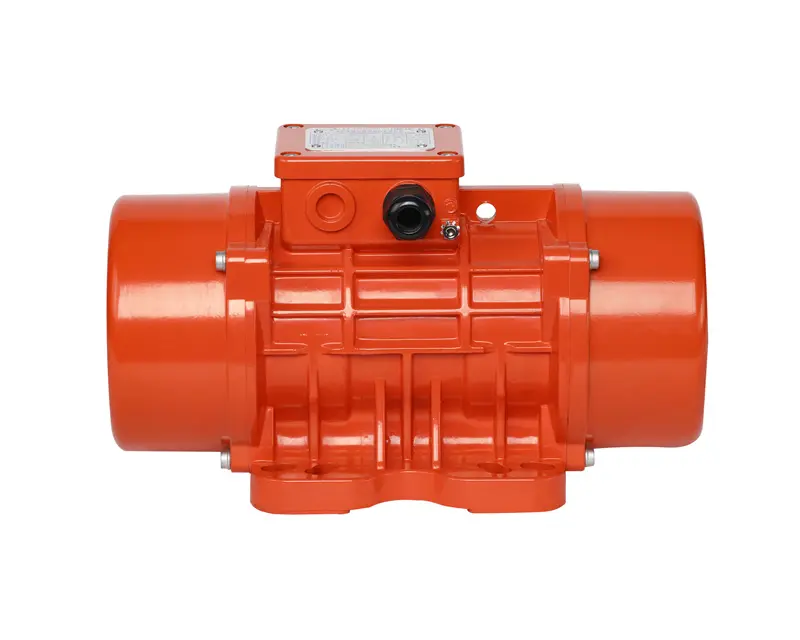
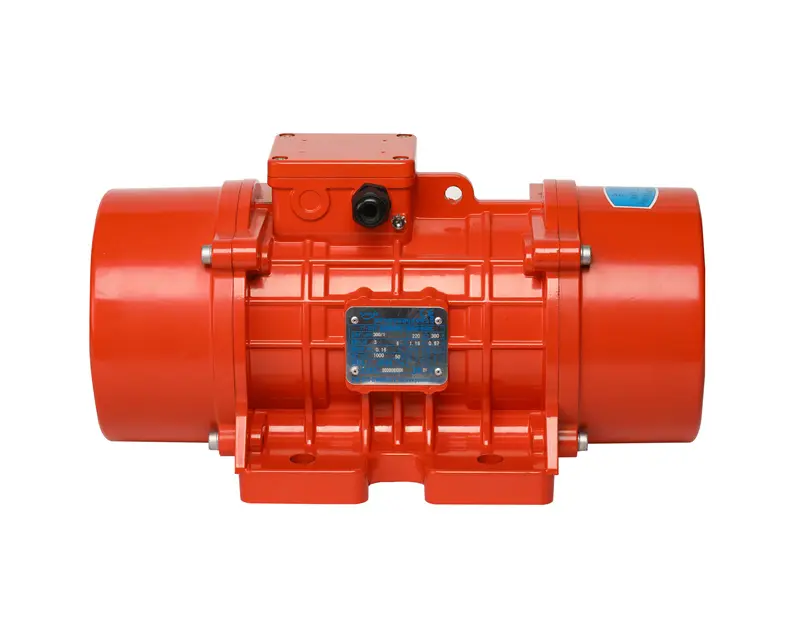
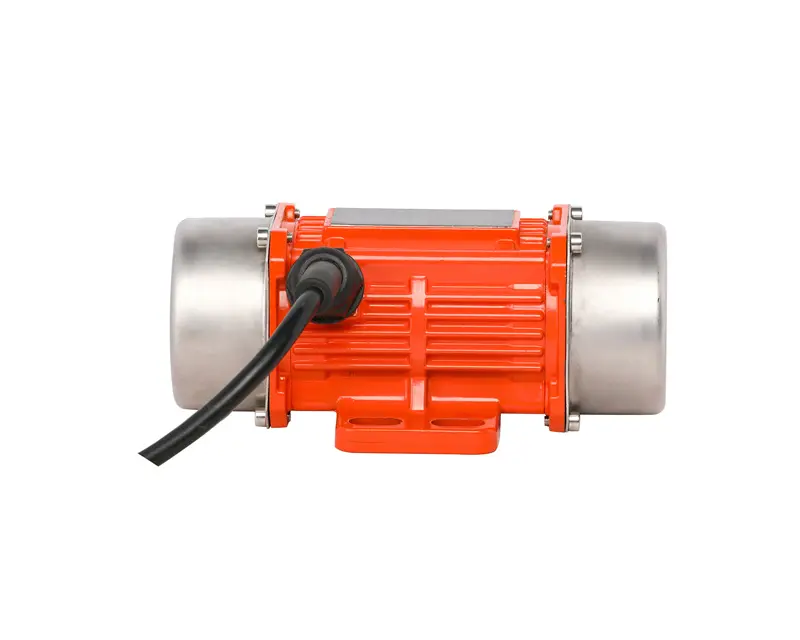
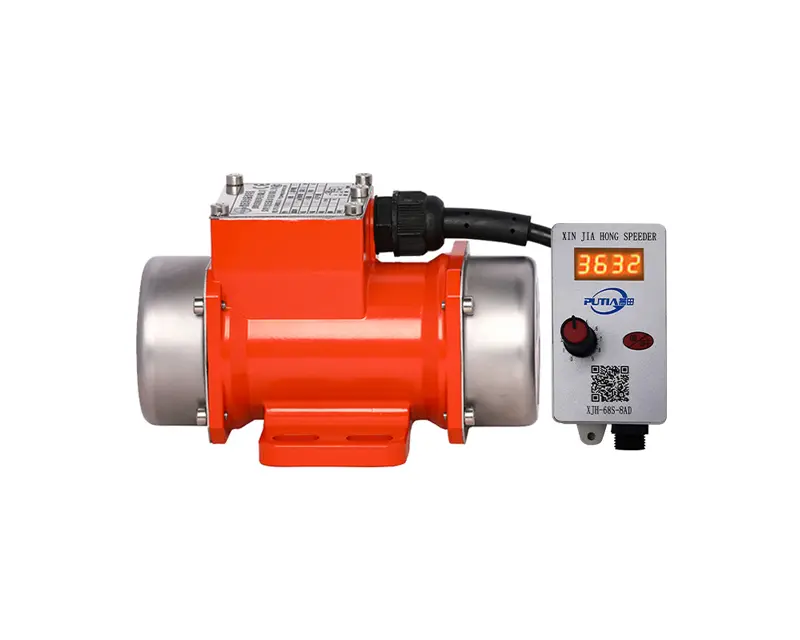
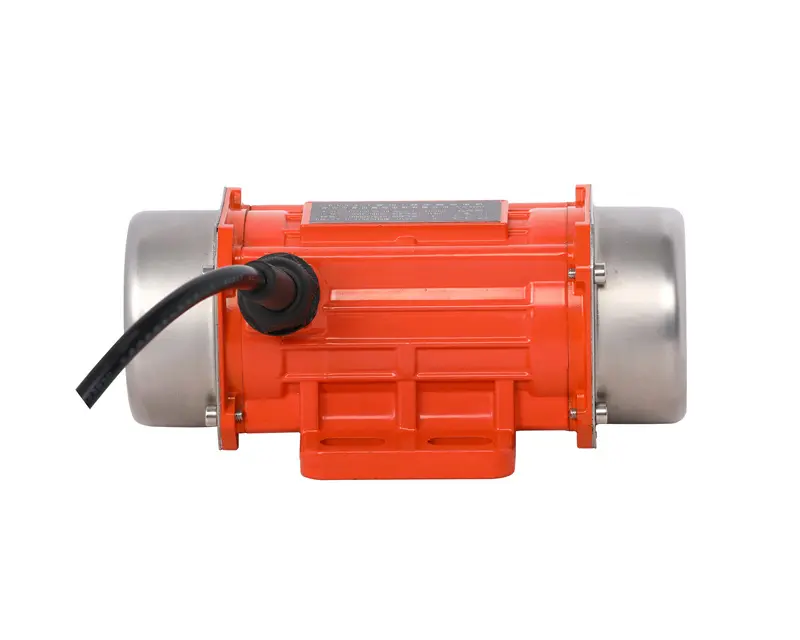
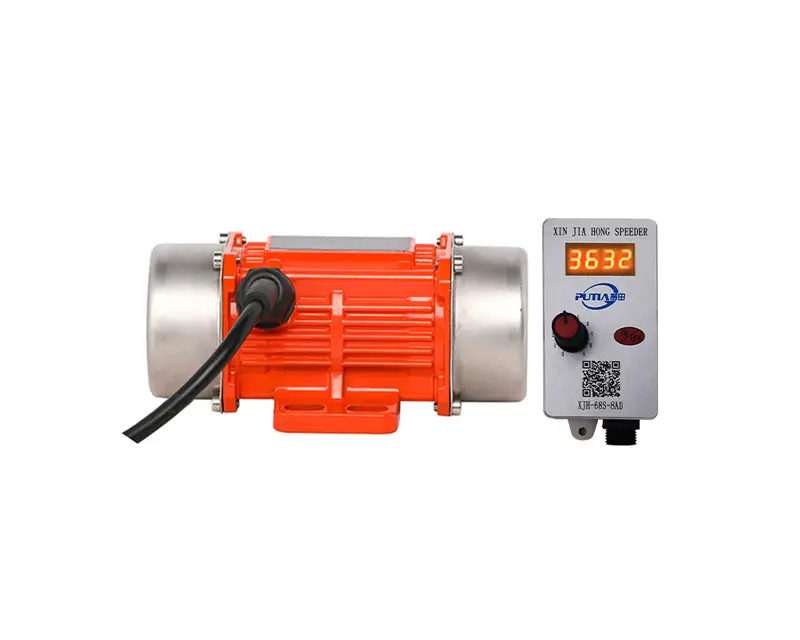
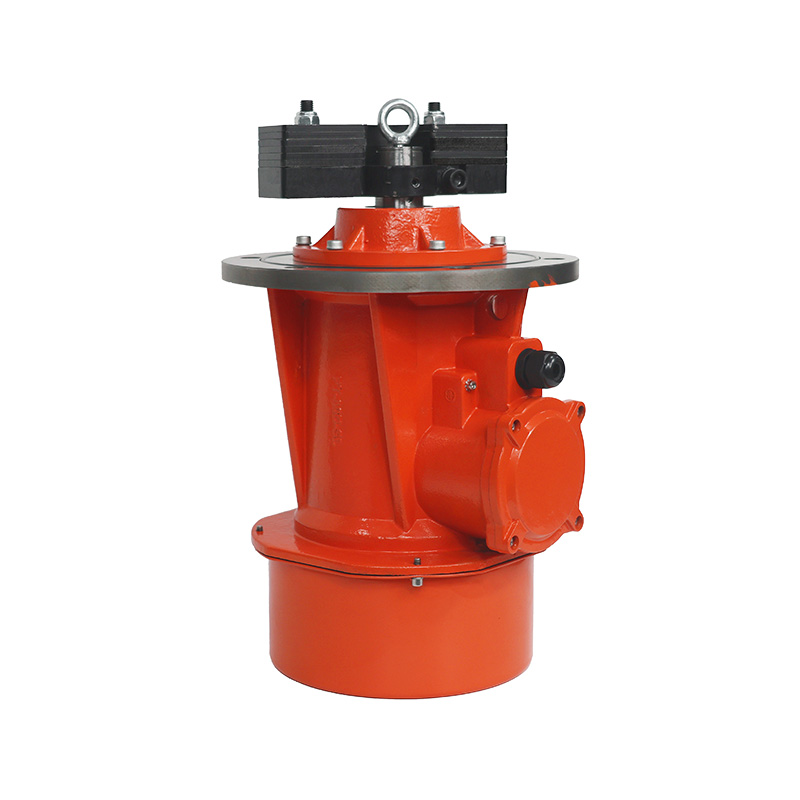
When purchasing motors for industrial equipment, approving one sample is only the beginning of the quality evaluation process. Buyers also need confidence that subsequent production batches will maintain the agreed specifications and perform consistently after installation. For equipment manufacturers and overseas distributors, differences in mounting dimensions, electrical connections, vibration output, or product identification can create additional inspection work and delay assembly. Establishing clear acceptance requirements before ordering a Brushless Vibration Motor helps connect product selection with reliable bulk procurement.

Define the Specifications Before Ordering
A clear specification provides the foundation for both manufacturing and incoming inspection. If a purchase order lists only the motor model or rated power, important requirements may remain unclear.
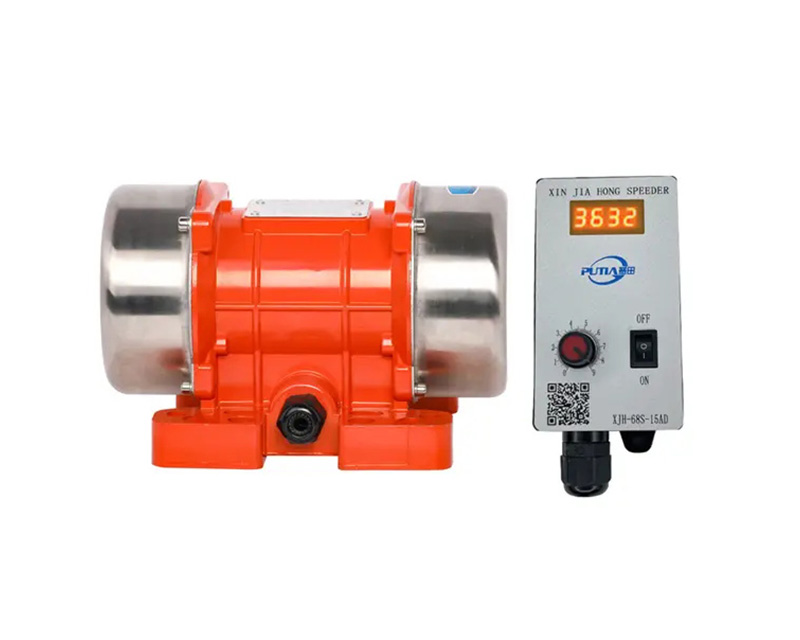
Buyers should confirm the parameters relevant to their application, including rated voltage, power, operating speed where applicable, vibration force, mounting dimensions, connection details, and permitted operating conditions. Any required controller or accessory should also be identified.
Not every parameter has the same importance for every application. The manufacturer and buyer should agree on which characteristics are critical to equipment performance and which can follow the standard product configuration. This reduces ambiguity when samples are reviewed and bulk production begins.
Use Sample Approval to Establish a Reference
A pre-production sample allows buyers to check whether the proposed motor matches their equipment and purchasing requirements. This stage should involve more than a visual inspection of the product.
Where practical, buyers can verify dimensions, connector arrangements, mounting compatibility, product labeling, and operation under representative conditions. Any required adjustments should be documented and approved before the manufacturer proceeds with the main order.
The approved sample and its corresponding specification can then serve as a reference for future shipments. If a design change becomes necessary, both parties should confirm its effect on compatibility and performance rather than relying on an informal description.
Inspect Key Characteristics During Production
Final inspection can identify defects before shipment, but some problems are easier to prevent when checks are performed throughout manufacturing. A structured quality process should cover the characteristics that directly affect product function and assembly.
Depending on the motor design, production checks may include:
- Verification of key components and incoming materials
- Inspection of assembly accuracy and mounting dimensions
- Confirmation of electrical connections and wiring
- Operational checks under defined test conditions
- Review of abnormal noise, vibration, or visible defects
- Verification of model labels and order-specific requirements
The exact inspection method should reflect the product specification and manufacturing process. Clear acceptance criteria make it easier to determine whether a unit is ready for shipment.
Make Functional Testing Relevant to the Application
A motor that powers on is not necessarily suitable for its intended equipment. Buyers should consider whether the inspection process checks the characteristics that matter in actual operation.
For a Brushless Vibration Motor, relevant checks may include operating stability, vibration output, controller response when applicable, and performance under specified conditions. Testing should use an agreed procedure so that results can be compared consistently.
Manufacturers should avoid relying on subjective judgments alone when a characteristic can be assessed against a defined requirement. Documented test methods provide a clearer basis for evaluating production results and investigating any later concerns.
Maintain Consistency Across Repeat Orders
Bulk buyers often need to reorder the same model over an extended period. Changes in components, suppliers, assembly methods, or approved specifications may affect how easily the motor fits an established product design.
Manufacturers can support repeatability by maintaining controlled specifications, clear model identification, and documented procedures for reviewing product changes. Buyers should also keep the approved drawings, sample records, and purchase requirements available when placing subsequent orders.
If a change could affect installation or operating performance, it should be reviewed before implementation. This is especially important when the motor is incorporated into equipment with fixed mounting dimensions or established control settings.
Check Packaging and Product Identification
Quality management continues after the motor has passed inspection. Inadequate protection or unclear labeling can create problems during transportation, receiving, and warehouse handling.
Buyers should confirm that packaging protects the product against foreseeable handling damage and that each unit or package can be identified correctly. Model numbers, quantities, accessory lists, and order references should match the agreed shipment documents.
For distributors handling several motor models, consistent labeling can also simplify stock control and reduce the risk of sending an incorrect unit to a customer.
Build Procurement Around Verifiable Quality
Purchasing a Brushless Vibration Motor in bulk requires clear specifications, meaningful sample approval, appropriate functional testing, and consistent production records. For overseas buyers, agreeing on acceptance criteria with the manufacturer before production helps reduce uncertainty and makes repeat orders easier to manage. A well-defined quality process gives both parties a common reference for evaluating the product, resolving discrepancies, and maintaining consistency across future shipments.
Mobile
Products
Contact Us
- Address: No.6 Building, Wanfeng 98 Industrial City, Shajing Street, Baoan District, Shenzhen, Guangdong, China.
- Phone: +86-18923719730 / +86-0755-27460501
- Fax: +86-0755-27460606
- E-mail: [email protected]
Copyright © Shenzhen Putian Vibration Motor Co., Ltd. All Rights Reserved.

