

 English
 русский
 Português
 عربى
عربى فارسی
فارسیIndustry News

How DC Vibration Motors Function in Simple Terms
 Dec-12-2025
 Industry News
DC vibration motors are widely recognized for their versatile use across various industries. But what exactly is a DC vibration motor, and how does it work?
1. The Basics of DC Vibration Motors
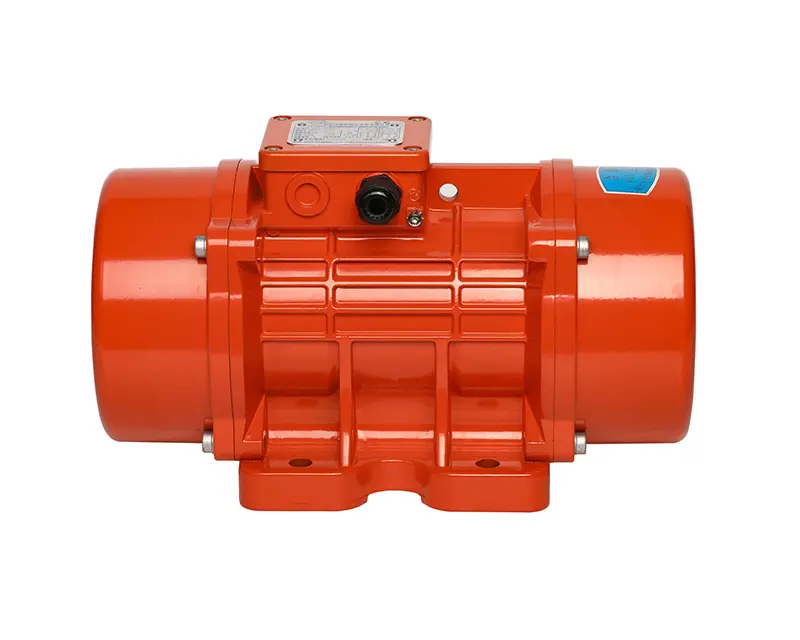
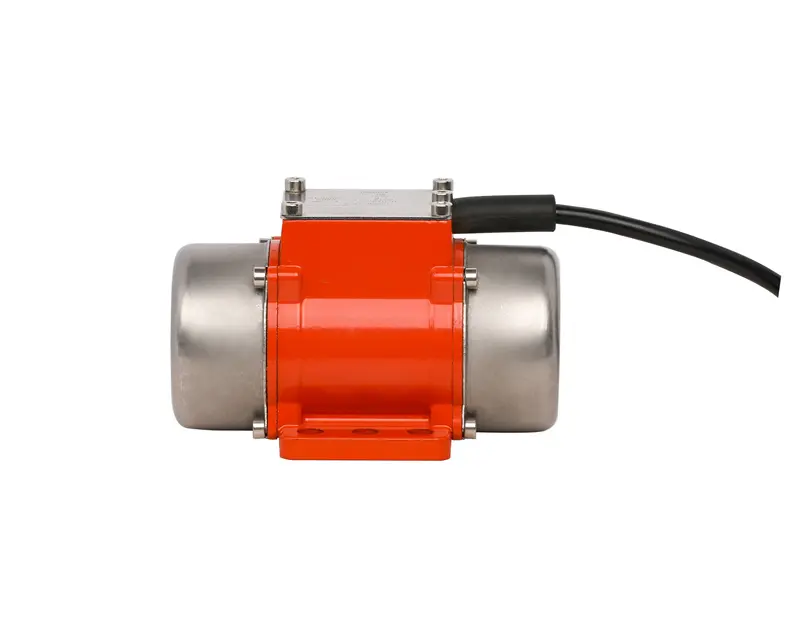
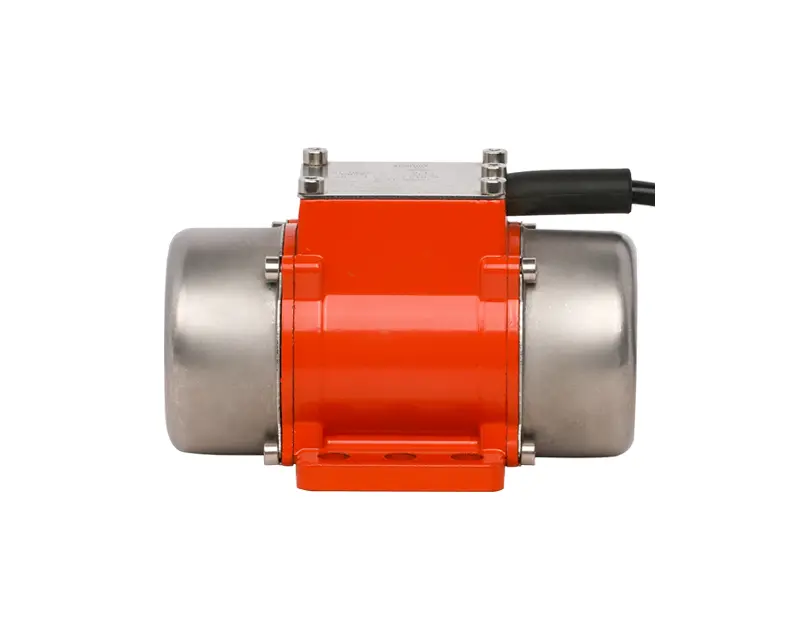
A DC vibration motor is a type of electric motor that uses direct current (DC) to generate motion. What sets it apart from regular DC motors is the addition of an off-center weight attached to the shaft. As the motor operates, this off-center weight causes the motor to produce vibrations, making it ideal for applications that require oscillating or shaking motion.
The key characteristic of a DC vibration motor is its ability to provide continuous and adjustable vibration. This is achieved by controlling the voltage supplied to the motor, which alters the intensity and frequency of the vibration. The vibrations produced can range from gentle to strong, making it highly adaptable to different operational needs.
2. How the Motor Generates Vibration
The working principle behind DC vibration motors is fairly straightforward. As the DC motor’s shaft rotates, the eccentric weight attached to it causes an imbalance. This imbalance results in vibrations. The frequency and strength of these vibrations depend on the speed of the motor and the weight of the off-center mass.
By adjusting the power supplied to the motor, the vibration characteristics can be fine-tuned to suit specific tasks. For example, a higher voltage will produce stronger vibrations, while a lower voltage will result in milder vibrations.
3. Components of a DC Vibration Motor
The main components of a DC vibration motor include:
DC Motor: The motor that drives the movement. It operates on direct current, which is a steady, unidirectional flow of electric charge.
Off-Center Weight (Eccentric Mass): This weight is attached to the motor’s shaft, creating the imbalance that generates vibrations.
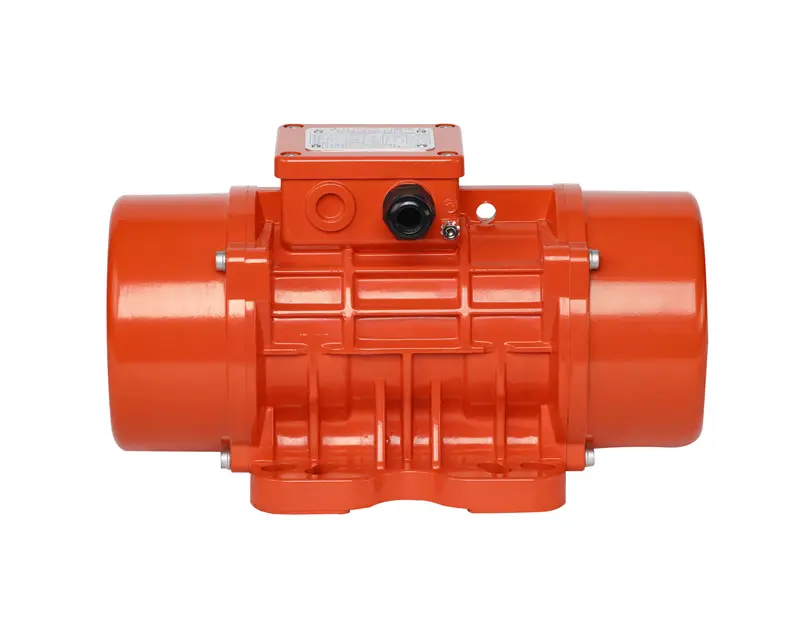
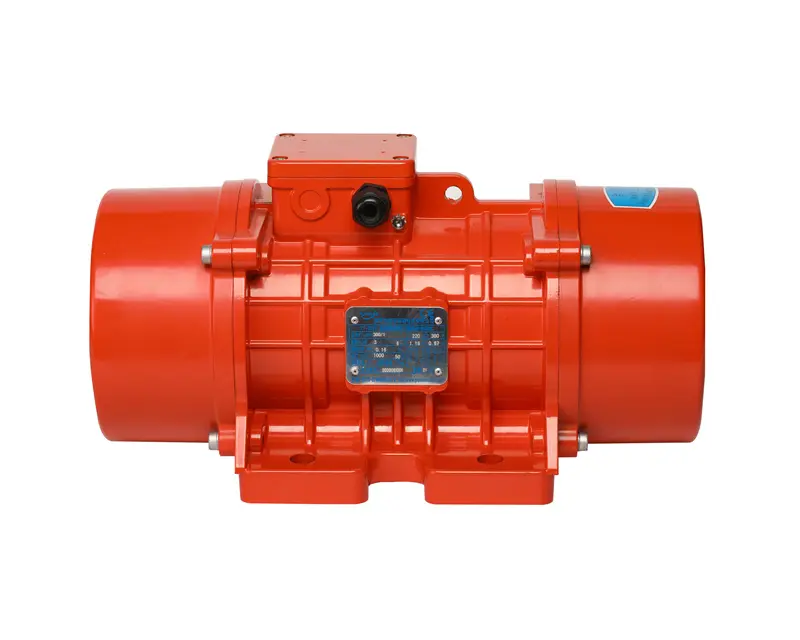
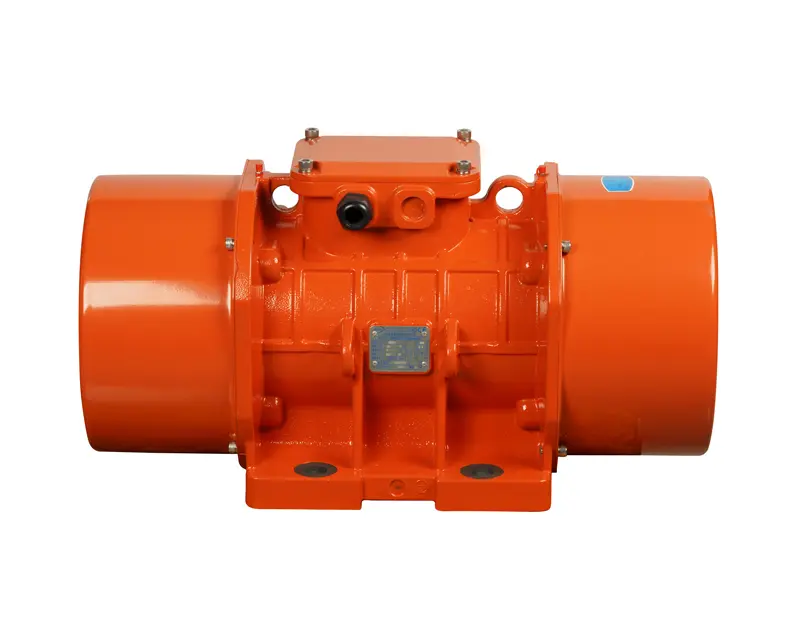
Housing: The outer casing that holds the motor and ensures its stability and protection during operation.
These components work in harmony to produce the vibrations needed for a wide range of industrial applications, from material handling to concrete compaction.
4. Adjustability and Control
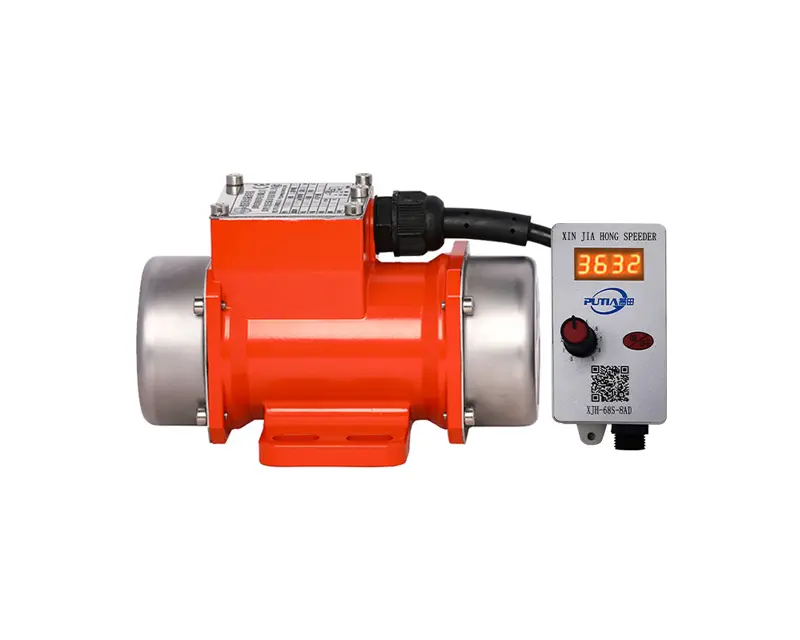
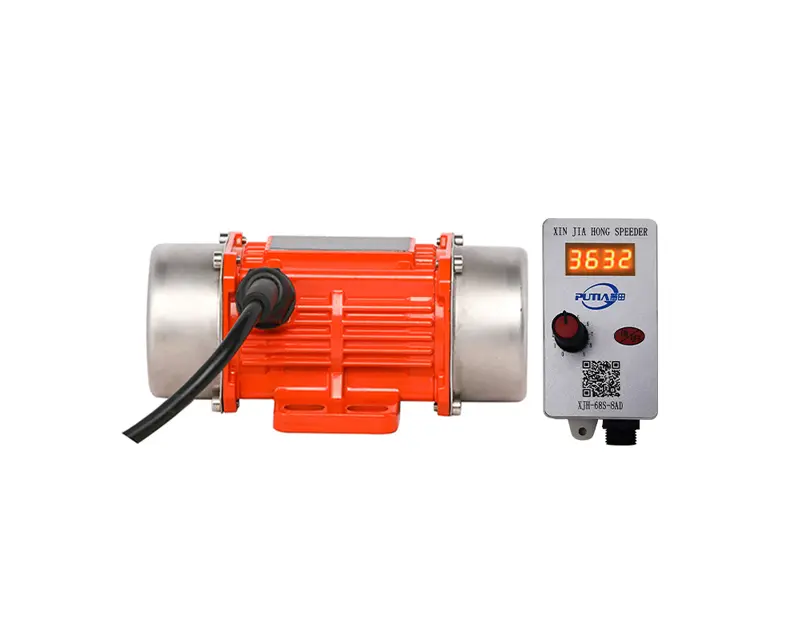
One of the key advantages of DC vibration motors is the ease with which vibration intensity and frequency can be adjusted. By varying the supply voltage or using a controller, operators can fine-tune the motor’s performance to meet the specific requirements of their application.
For instance, in concrete compaction, the motor’s vibration intensity can be adjusted to ensure good mixing and consistency of the concrete. Similarly, in material handling applications, the vibration strength can be adjusted to accommodate different types of materials, such as powders, granules, and bulk solids.
5. Applications of DC Vibration Motors
DC vibration motors are used in a variety of applications, thanks to their versatility and ease of control. Some common uses include:
Vibrating Screens and Conveyors: In mining and agriculture, DC vibration motors are used to move and separate materials efficiently.
Compaction: In construction, DC vibration motors are used in concrete vibrators to ensure uniform compaction and remove air pockets.
Industrial Testing: DC vibration motors are used in testing equipment to simulate real-world vibrations and assess the durability of products.
Electronics Manufacturing: In automated production lines, DC vibration motors help align components and ensure precision in assembly processes.
Shenzhen Putian Vibration Motor Co., Ltd. continues to develop high-quality vibration motors that cater to the needs of businesses worldwide. With their expertise in vibration motor technology, the company provides reliable solutions that help industries achieve nice performance.
Mobile
Products
Contact Us
- Address: No.6 Building, Wanfeng 98 Industrial City, Shajing Street, Baoan District, Shenzhen, Guangdong, China.
- Phone: +86-18923719730 / +86-0755-27460501
- Fax: +86-0755-27460606
- E-mail: [email protected]
Copyright © Shenzhen Putian Vibration Motor Co., Ltd. All Rights Reserved.

