

 English
 русский
 Português
 عربى
عربى فارسی
فارسیIndustry News
 Home / News / Industry News / Beyond Longer Lifespan: Why Is the Brushless Vibration Motor Becoming the Preferred Choice for Modern Equipment?
 Beyond Longer Lifespan: Why Is the Brushless Vibration Motor Becoming the Preferred Choice for Modern Equipment?
 Jul-31-2026
 Industry News
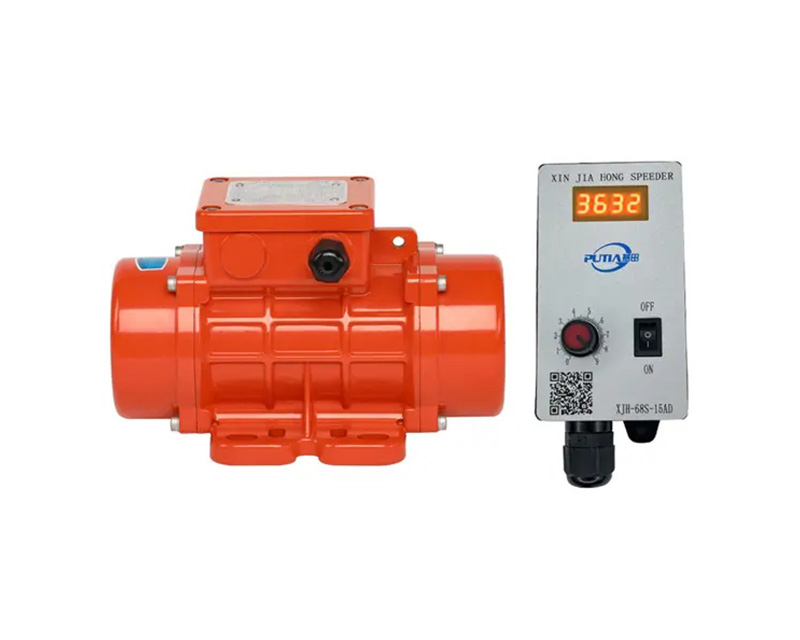
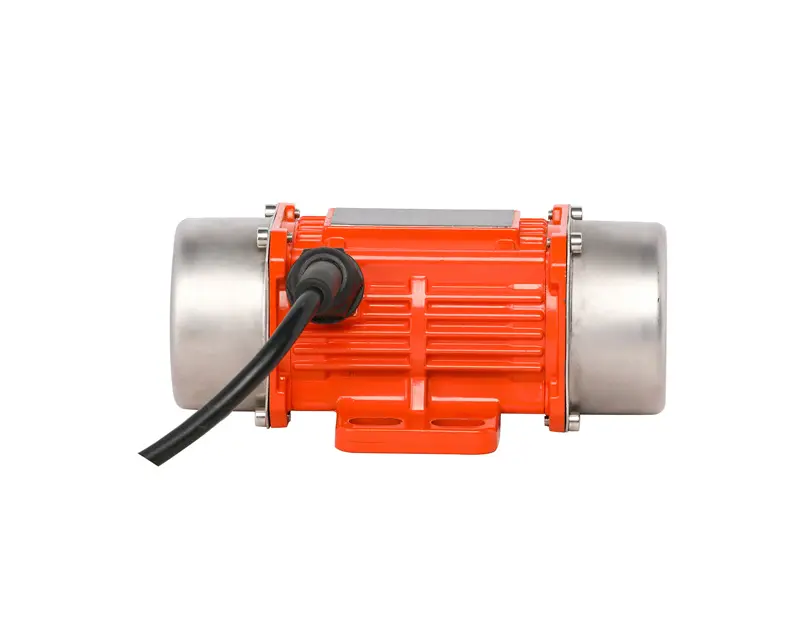
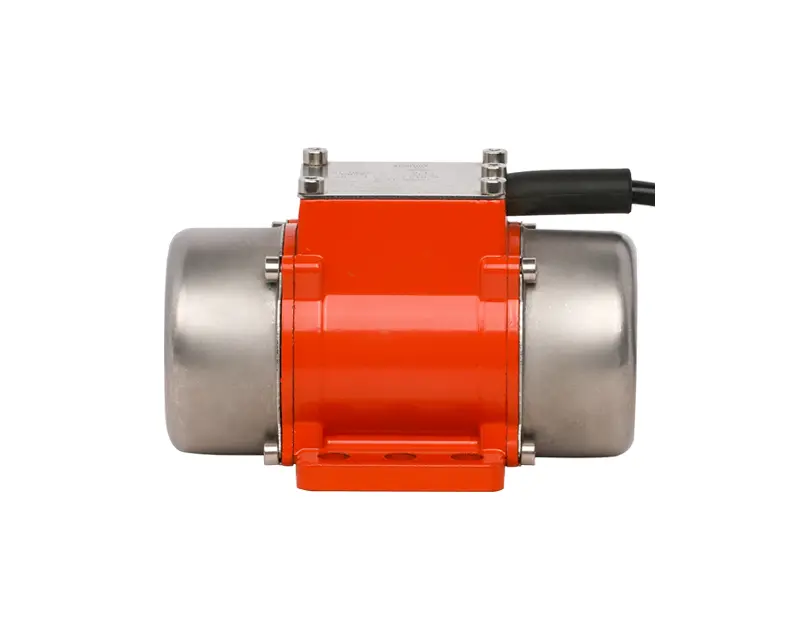
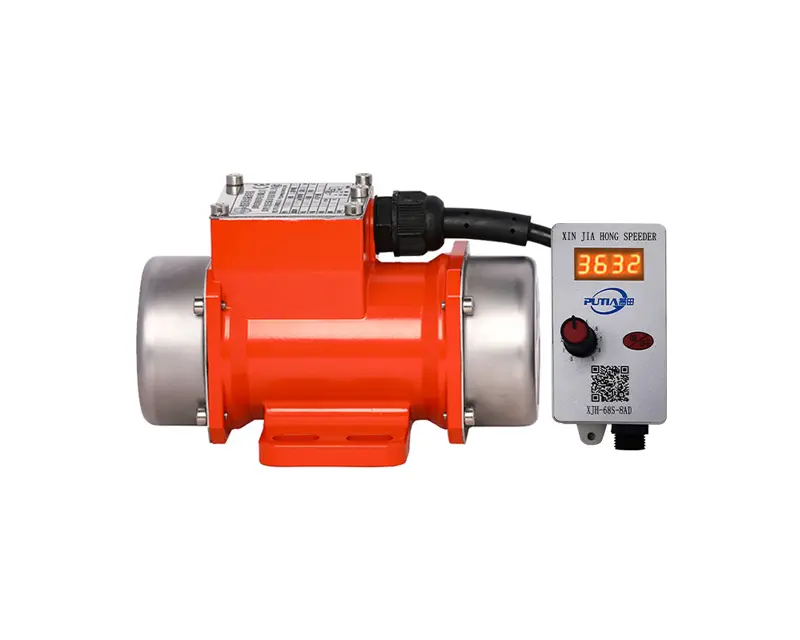
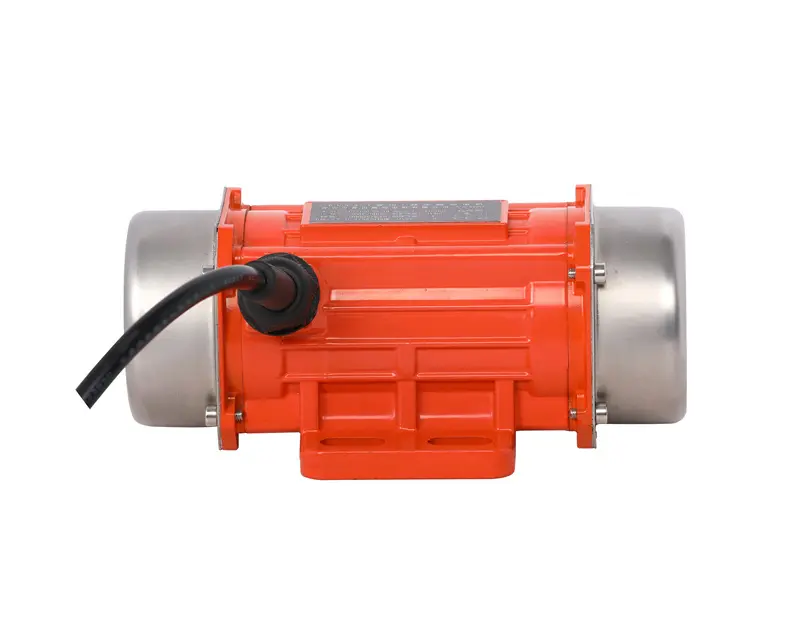
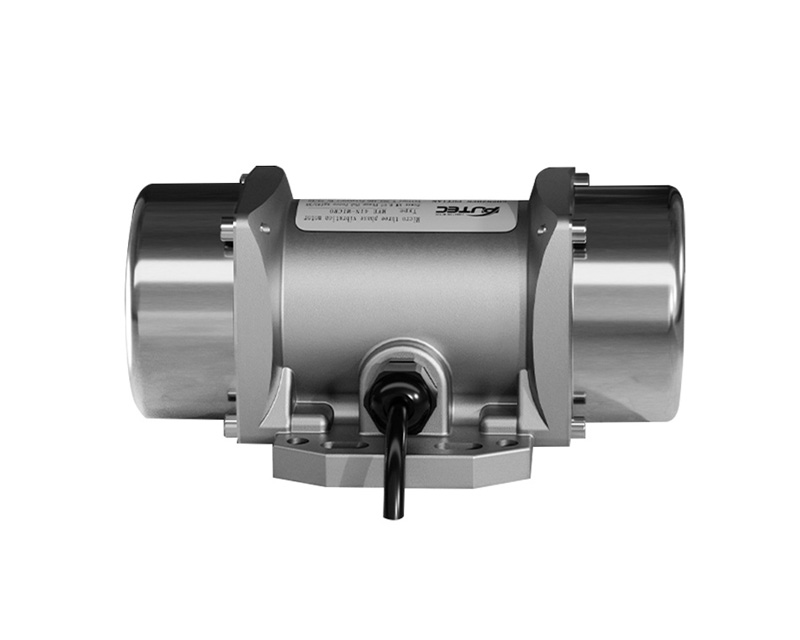
As automation, smart devices, medical technology, and industrial electronics continue to evolve, buyers are paying closer attention to the reliability and efficiency of every motion component. Among the products attracting growing interest, the Brushless Vibration Motor stands out for its stable operation, reduced maintenance requirements, and compatibility with continuous-duty applications. Engineers and procurement teams are no longer selecting motors based solely on size or price—they are evaluating performance consistency, integration flexibility, and long-term operating value. This shift is changing how manufacturers design vibration solutions for next-generation equipment.
Reliability Has Become a Purchasing Priority
Many industries now operate around the clock, making unexpected downtime increasingly costly. Traditional brushed vibration motors remain suitable for certain applications, but brush wear naturally limits service life and requires periodic replacement.
Brushless designs eliminate mechanical brush contact, helping reduce wear-related failures while maintaining stable vibration output during prolonged operation. This makes them particularly suitable for equipment that is difficult to access for maintenance or operates in demanding environments.
For OEM customers, consistent motor performance also means fewer production interruptions and more predictable product quality throughout the equipment's lifecycle.
Precision Matters More Than Ever
As electronic devices become smaller and more intelligent, vibration systems are expected to deliver accurate, repeatable performance instead of simply generating strong vibration.
Manufacturers developing modern vibration motors typically optimize several engineering factors:
- Rotor balance for smoother operation
- Stable vibration frequency under varying loads
- Compact structure for limited installation space
- Efficient heat management during continuous operation
- Low electromagnetic interference for sensitive electronic systems
These design considerations allow equipment manufacturers to integrate vibration functions without compromising system stability or product reliability.
Applications Are Expanding Across Multiple Industries
One reason global demand continues to grow is the increasing variety of applications requiring controlled vibration.
Today, brushless vibration motors are commonly integrated into laboratory equipment, medical devices, industrial automation systems, inspection machines, smart terminals, handheld instruments, precision testing equipment, and specialized robotics.
Rather than using a one-size-fits-all solution, many OEM customers now request customized vibration characteristics that match specific operating conditions, installation orientations, or power supply requirements.
Custom Engineering Creates Better End Products
Every application places different demands on a vibration motor. Some require rapid response, while others prioritize continuous operation, quiet performance, or compact dimensions.
As a manufacturer, we collaborate closely with customers during product development by evaluating operating voltage, vibration force, mounting methods, environmental conditions, and controller compatibility before production begins.
Early engineering communication helps reduce design revisions while ensuring the selected motor integrates smoothly into the customer's final product.
Manufacturing Quality Starts Long Before Assembly
Stable product performance depends on more than the final assembly process. It begins with component selection, machining accuracy, and quality control throughout production.
Our manufacturing process focuses on several critical stages:
- Precision machining of key mechanical components
- Dynamic balancing inspection
- Controlled assembly procedures
- Electrical performance verification
- Functional testing before shipment
This systematic approach helps maintain consistent quality across production batches while supporting long-term operational stability for global OEM customers.
Choosing a Manufacturing Partner Instead of Just a Supplier
Many overseas buyers now evaluate suppliers based on engineering support as much as manufacturing capability. Responsive communication, customization experience, technical documentation, and production consistency have become important decision-making factors.
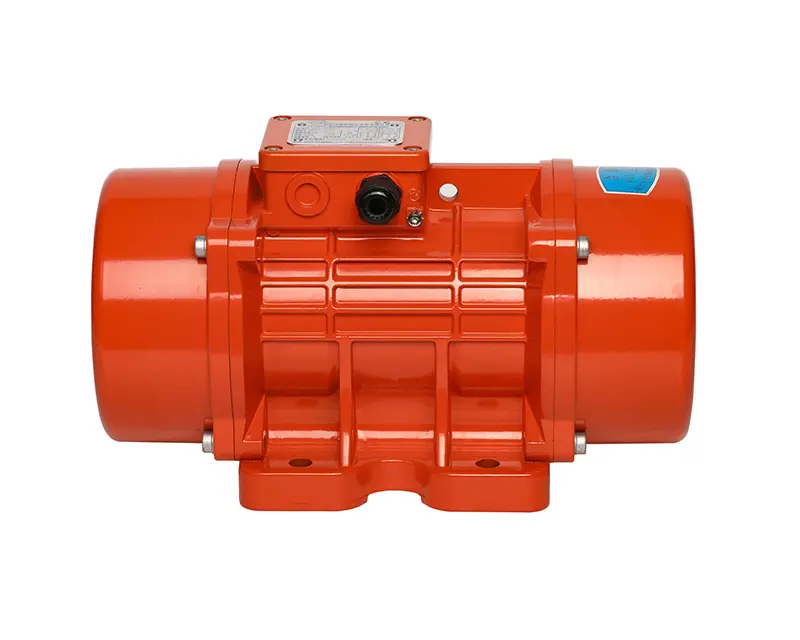
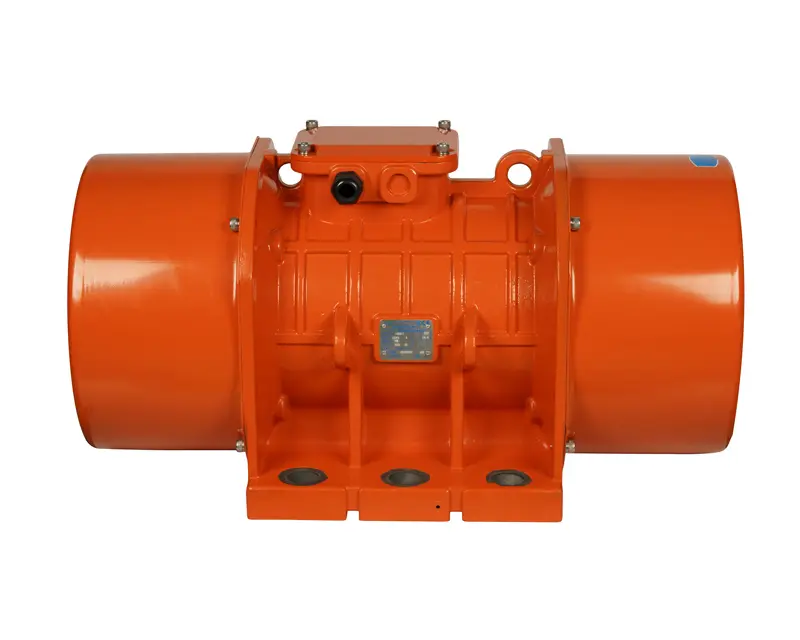
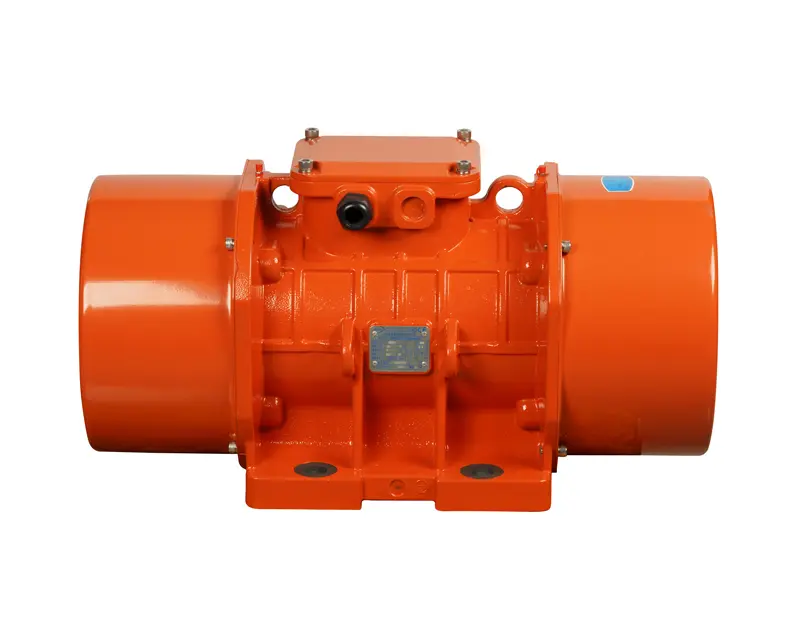
As an experienced manufacturer, we support customers from concept evaluation and prototype development through mass production. Our engineering team works closely with OEM partners to optimize product performance while accommodating different industry requirements and application scenarios. Whether your project involves industrial automation, medical equipment, intelligent electronics, or precision instruments, selecting the right Brushless Vibration Motor and working with a manufacturer that understands practical engineering challenges can help improve product reliability, streamline development, and create greater long-term value for your equipment.
Mobile
Products
Contact Us
- Address: No.6 Building, Wanfeng 98 Industrial City, Shajing Street, Baoan District, Shenzhen, Guangdong, China.
- Phone: +86-18923719730 / +86-0755-27460501
- Fax: +86-0755-27460606
- E-mail: [email protected]
Copyright © Shenzhen Putian Vibration Motor Co., Ltd. All Rights Reserved.

