

 English
 русский
 Português
 عربى
عربى فارسی
فارسیIndustry News

Can External Vibrators Improve Concrete Quality
 Feb-20-2026
 Industry News
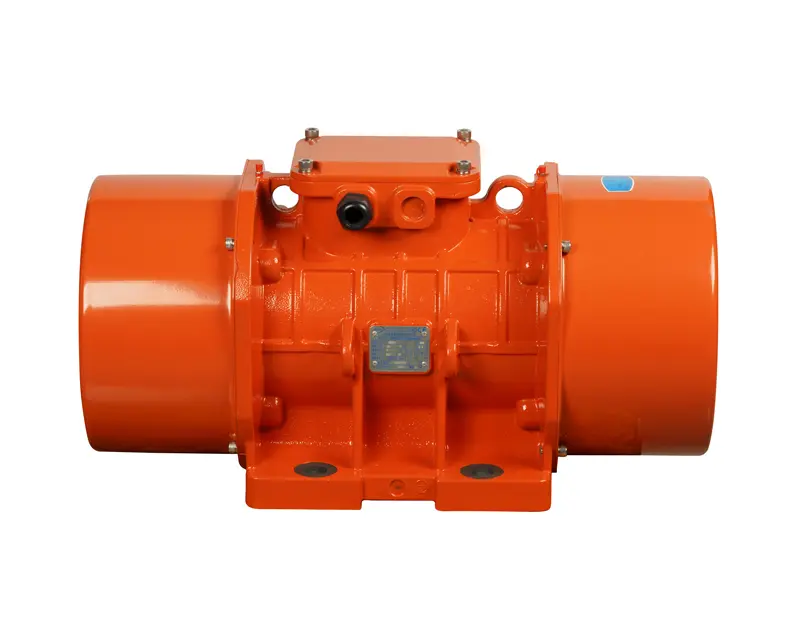
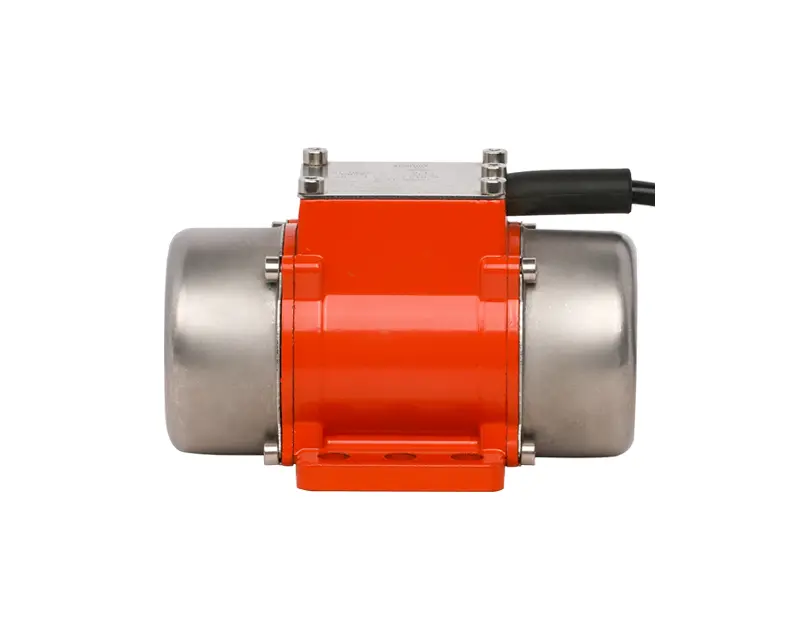
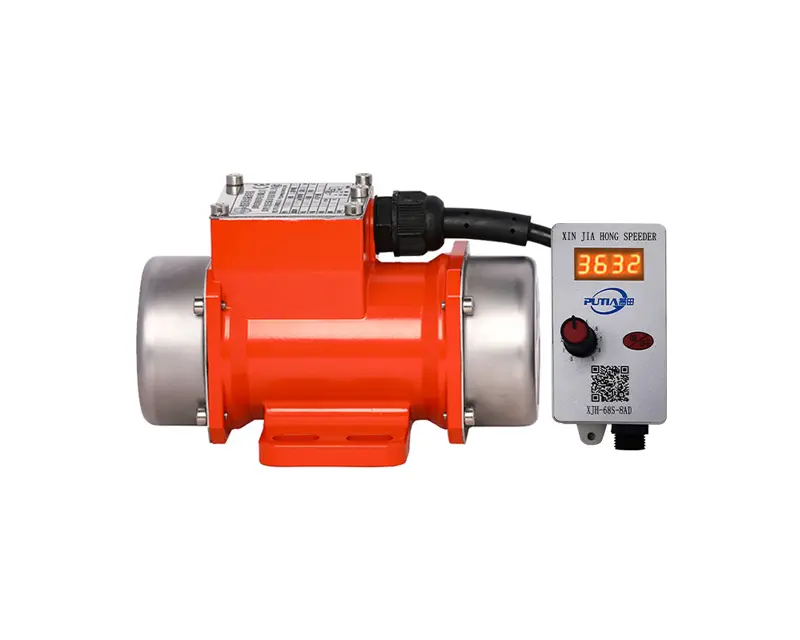
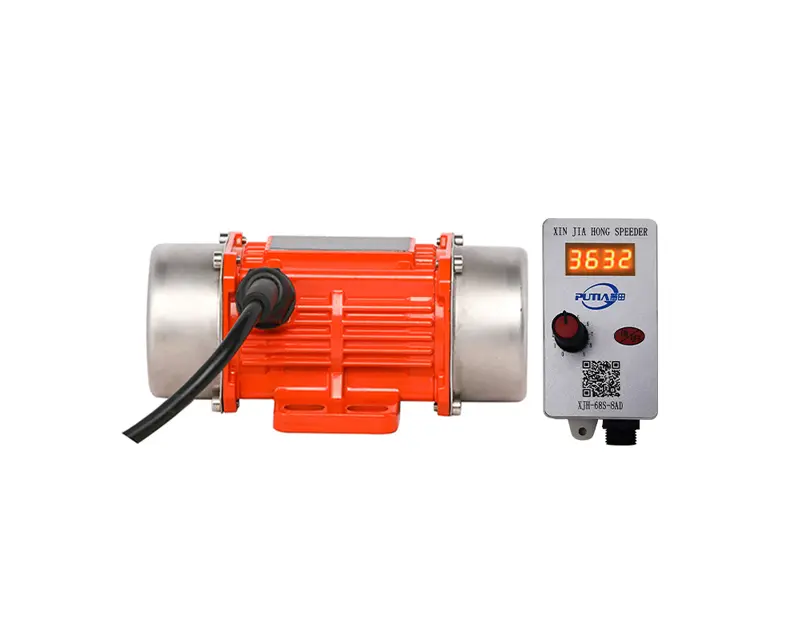
Many construction workers and equipment operators often ask: “What maintenance steps should I follow to keep my Industrial Vibration Motor and the Concrete Vibrator working well over time?” Whether you’re on a busy job site or managing a fleet of concrete compaction tools, proper care for your vibrator motor can directly impact performance, safety, and overall equipment lifespan. Over time, operators have shared countless questions about upkeep routines, signs of wear, and preventive steps that can save time and repair costs.
Maintenance may sound straightforward, but in real-world use, construction tools face challenging environments — dust, moisture, impact, and frequent start-stop cycles. Taking a methodical approach to maintenance helps keep your equipment reliable and ready for the next project.
Daily Cleaning and Inspection
One foundational maintenance task is cleaning and inspecting the Concrete Vibrator after each use. Fresh concrete residue can build up quickly on vibrating rods, hoses, and the motor housing, causing imbalance, excess heat, and accelerated wear. Daily cleaning involves rinsing hardened concrete from accessible parts, checking for loose fasteners, and ensuring no visible cracks or damage. This type of routine helps catch early warning signs before they escalate into larger problems.
Operators should pay special attention to areas where concrete splatter and dust collect. A blocked ventilation area can restrict cooling airflow and contribute to overheating issues over time — a common cause of motor wear reported in maintenance guides.
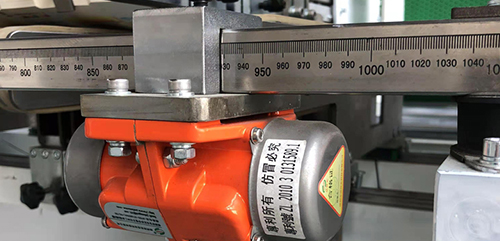
Lubrication and Moving Component Care
Lubrication is another critical area often mentioned in field discussions. Vibration motors contain bearings and internal moving parts that need regular greasing to reduce friction and wear. According to maintenance routines recommended by equipment specialists, bearings inside the vibrator rod should be replenished with high-temperature grease every set number of operating hours, helping ensure smooth rotation and lower heat generation.
It’s also important to avoid mixing incompatible greases or skipping recommended lubrication intervals. Incorrect grease types can harden or separate, leaving bearings without proper protection, which accelerates wear and shortens the life of internal components.
Electrical System Checks
The electrical components of a vibrator motor deserve daily or weekly inspection. Cables, connectors, and supply leads should be checked for wear, fraying, corrosion, or loose connections. Electrical faults not only reduce performance but can pose serious safety risks — from shorts to unexpected shutdowns on site. Ensuring that insulation and connections are secure helps maintain consistent operation and prevents premature motor failures.
Insulation resistance tests and voltage checks also help identify moisture ingress and aging wiring — common issues in tools exposed to outdoor conditions. Additionally, ensuring a stable power supply without voltage dips or spikes protects internal windings and reduces stress on the motor.
Vibration Intensity and Usage Practices
Maintenance isn’t only about cleaning and parts replacement — how you use the tool matters too. Users often ask if over-vibration or prolonged use leads to faster wear. Indeed, operating a Concrete Vibrator continuously for longer than recommended can cause overheating, excessive friction, and undue strain on bearings and electrical components. Allowing intermittent cooling periods, especially during long pours, helps maintain performance and reduces thermal stress on the motor parts.
Proper usage also includes handling cables correctly, avoiding sharp bends or kinks in hoses, and preventing unnecessary impacts to the motor housing. These operational habits — though simple — play an outsized role in reducing mechanical issues and helping the motor maintain peak efficiency.
Scheduled Deeper Maintenance
In addition to daily tasks, scheduled weekly or monthly maintenance should address deeper checks. Cleaning heat sinks and air vents with compressed air prevents dust build-up that can trap heat. Checking vibration heads for wear and tear, tightening loose bolts, and inspecting flexible shaft integrity also ensure the motor runs smoothly. For tools that sit idle for long periods, occasional operation helps prevent seizing and internal moisture buildup.
Keeping detailed maintenance logs helps track part replacements, anomalies, and schedule upcoming checks. This practice not only improves reliability but gives field crews a historical record to diagnose recurring issues faster.
Training Teams on Maintenance Practices
Finally, one maintenance step often overlooked is operator training. Ensuring that workers understand both how to operate and maintain the vibrator motor correctly prevents misuse — one of the primary causes of premature wear. Training should cover topics like recognizing early signs of bearing noise, safe cleaning practices, and correct lubrication intervals.
For teams focused on long-term reliability, integrating these maintenance practices into daily workflows makes all the difference. Whether you’re managing a single unit or a whole fleet, understanding and applying these steps prepares your equipment for the tougher job site conditions.
Mobile
Products
Contact Us
- Address: No.6 Building, Wanfeng 98 Industrial City, Shajing Street, Baoan District, Shenzhen, Guangdong, China.
- Phone: +86-18923719730 / +86-0755-27460501
- Fax: +86-0755-27460606
- E-mail: [email protected]
Copyright © Shenzhen Putian Vibration Motor Co., Ltd. All Rights Reserved.

