

 English
 русский
 Português
 عربى
عربى فارسی
فارسیIndustry News

Does Your Industrial Vibrator Need A New Mount
 May-01-2026
 Industry News
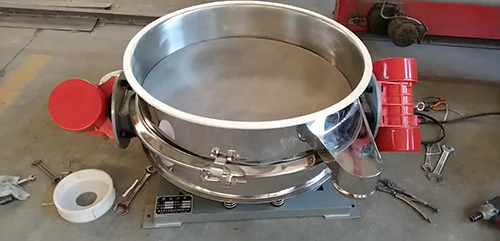
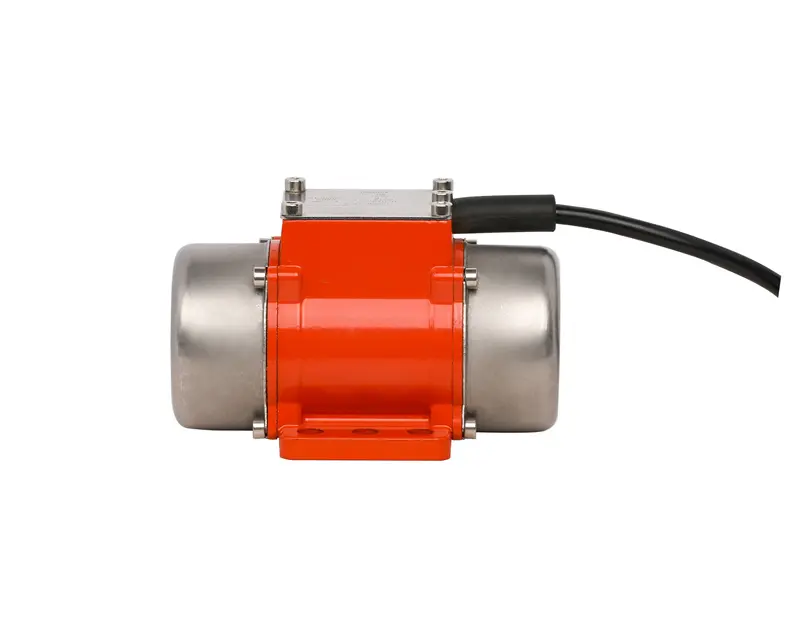
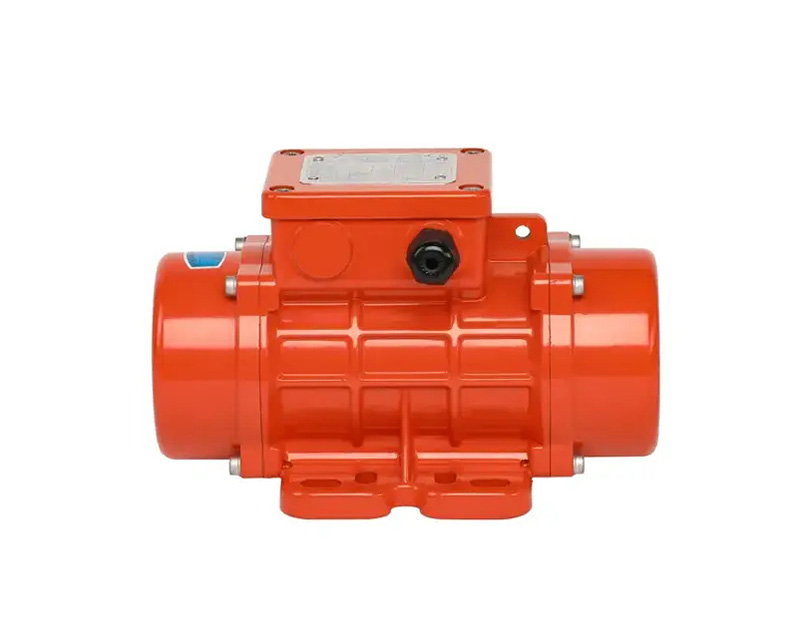
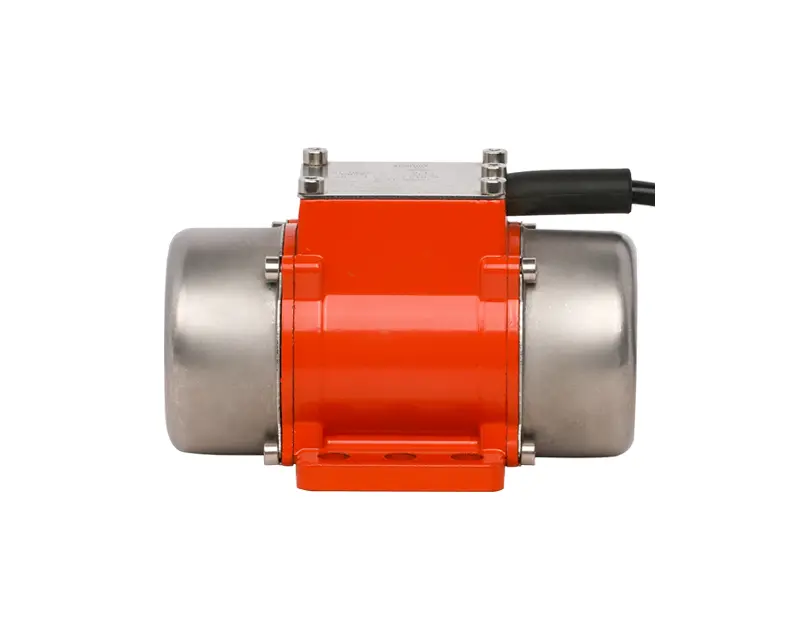
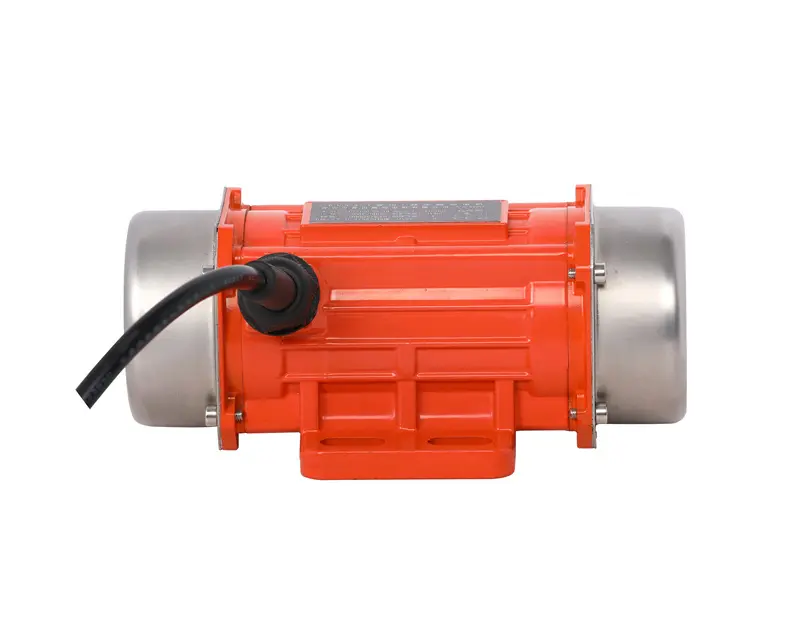
A plant operator recently asked on an equipment forum: "What causes uneven vibration patterns in industrial feeders?" He described how his feeder shook more on the left side than the right, causing material to pile up against one wall of the chute. Several users responded with guesses about motor failure, but the real culprit turned out to be something simpler: worn or mismatched mounting hardware. For any vibration motor for industrial application, the mounting system is just as critical as the motor itself. A perfectly balanced industrial vibration machine will produce uneven force if its mounts are loose, misaligned, or damaged.
Point 1: Check for crushed or hardened rubber isolators
A user replaced his vibrator motor but kept the old rubber mounts. Within two weeks, the new motor produced uneven vibration.
Why: Old rubber hardens from heat and ozone. Hard mounts transfer vibration unevenly.
What to do: Press a fingernail into the rubber. If no indentation remains, replace all mounts as a set. Never replace just one.
Point 2: Verify mounting surface flatness
Another user installed a vibration motor for industrial application onto a feeder frame that had been welded and repaired multiple times. The motor rocked slightly on three bolts instead of sitting flat on four.
Why: A warped frame twists the motor housing, pre-loading the bearings unevenly.
What to do: Place a straightedge across the mounting pads. Gaps larger than 0.5 mm require grinding or shimming. Use steel shims, not rubber or cardboard.
Point 3: Confirm bolt torque and pattern
A maintenance log showed that one industrial vibration machine had its mounting bolts tightened in a circle pattern instead of a cross pattern.
Why: Circular tightening traps misalignment. Cross-pattern drawing pulls the motor down evenly.
What to do: Use a torque wrench. Tighten in three passes: 50%, 75%, then full of specified torque. Follow a star or cross sequence.
Point 4: Look for cracked welds around mounting feet
A user reported that his feeder vibrated normally at startup but lost amplitude after ten minutes.
Why: A hairline crack in the weld near one mounting foot expanded as the frame heated up. The motor then twisted slightly, reducing effective force.
What to do: Spray developer or chalk dust on suspect welds. Run the machine for five minutes. Cracks will show as dark lines through the powder.
Point 5: Measure bolt stretch or thread damage
One team replaced vibrator bolts every two years as preventive maintenance. Another team never replaced bolts until one sheared off.
Why: Vibration work-hardens bolt threads. A bolt that has been torqued multiple times loses its clamping force even if it looks fine.
What to do: Keep a set of new grade 8.8 or 10.9 bolts. Replace all mounting bolts each time you remove the vibration motor for industrial application for service.
Point 6: Check for soft foot condition
A user described a industrial vibration machine that walked slowly across its mounting plate over several weeks.
Why: One mounting pad was 0.8 mm lower than the others. The motor flexed the frame each cycle, eventually loosening all bolts.
What to do: Place a dial indicator on each mounting pad. Tighten the bolt on that pad. If the frame moves more than 0.05 mm, add a shim under that foot.
Point 7: Inspect lock washers and locking devices
A forum post shared a photo of split lock washers that had flattened completely after three months on a vibrator.
Why: Standard split lock washers are ineffective under high vibration. They lose spring tension and become flat spacers.
What to do: Use nylon-insert lock nuts, prevailing torque nuts, or thread-locking compound. Avoid split washers alone.
Quick field test for mount condition
Run the industrial vibration machine for five minutes. Stop it. Immediately place your hand on each mounting foot.
All feet equally warm → even load distribution
One foot significantly hotter → that foot is carrying more load, indicating misalignment or soft foot
One foot cold → that bolt may be loose or the isolator is collapsed
Recommendation from Shenzhen Putian Vibration Motor Co., Ltd.
We recommend creating a monthly mount inspection routine. Include these three simple actions:
Retorque one bolt per month on a rotating schedule.
Mark each bolt head with a paint line across the bolt and frame. If the line breaks, the bolt has moved.
Keep a spare set of mounts and bolts in your parts cabinet. Waiting for delivery extends downtime unnecessarily.
Mobile
Products
Contact Us
- Address: No.6 Building, Wanfeng 98 Industrial City, Shajing Street, Baoan District, Shenzhen, Guangdong, China.
- Phone: +86-18923719730 / +86-0755-27460501
- Fax: +86-0755-27460606
- E-mail: [email protected]
Copyright © Shenzhen Putian Vibration Motor Co., Ltd. All Rights Reserved.

