

 English
 русский
 Português
 عربى
عربى فارسی
فارسیIndustry News

Is Your Vibration Motor Too Noisy For Factory Use
 Apr-24-2026
 Industry News
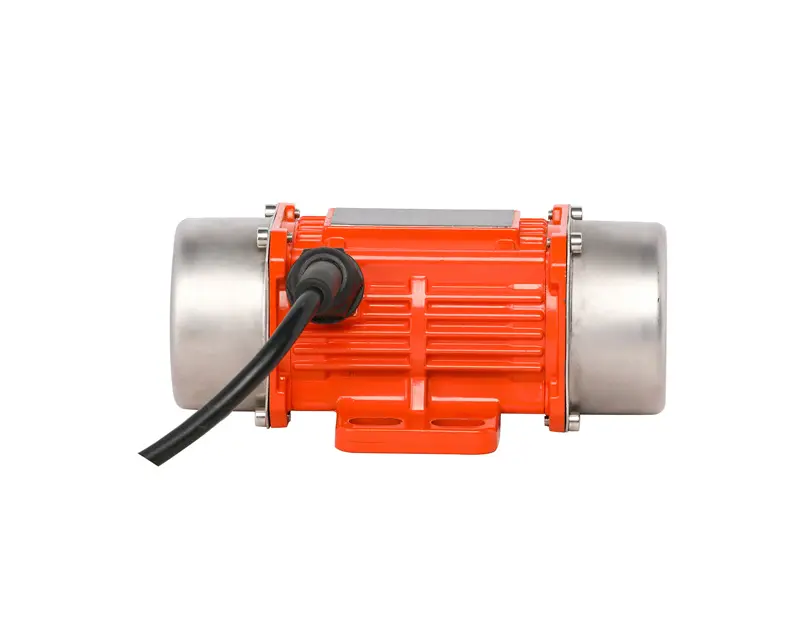
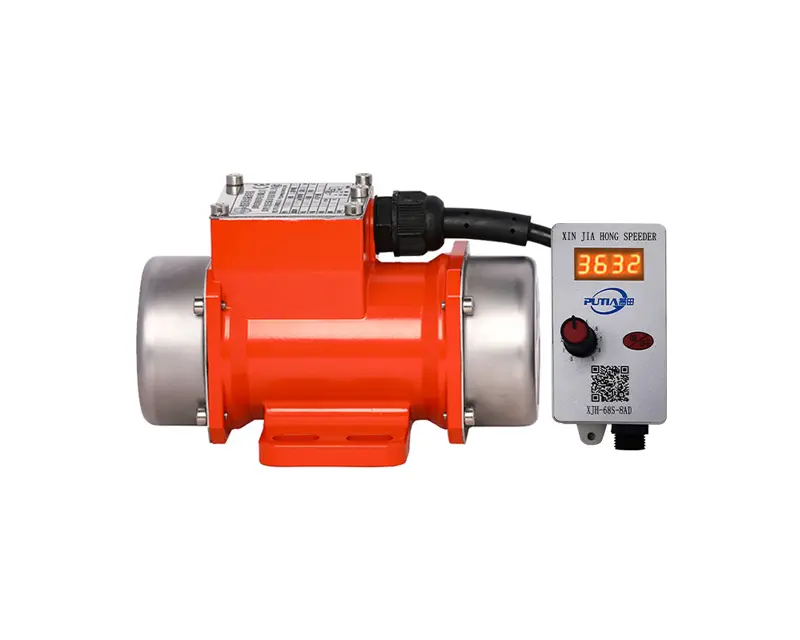
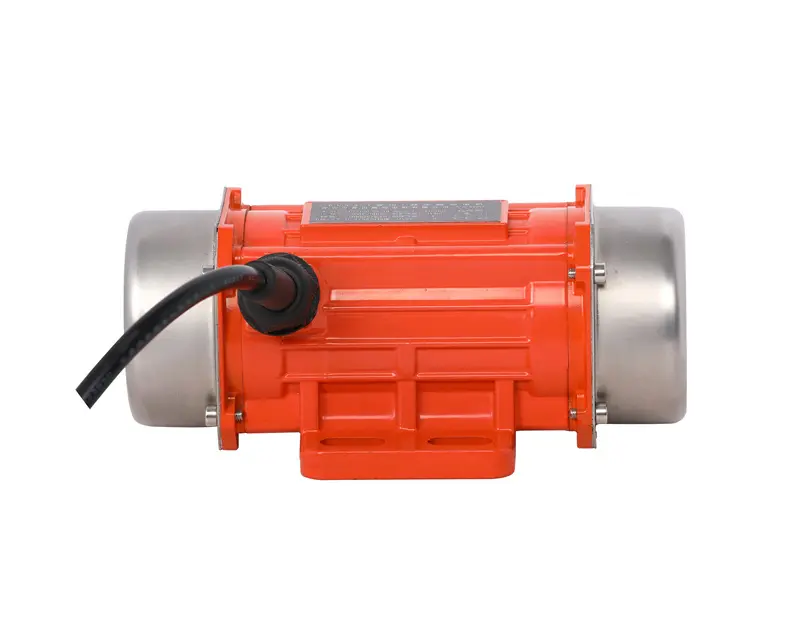
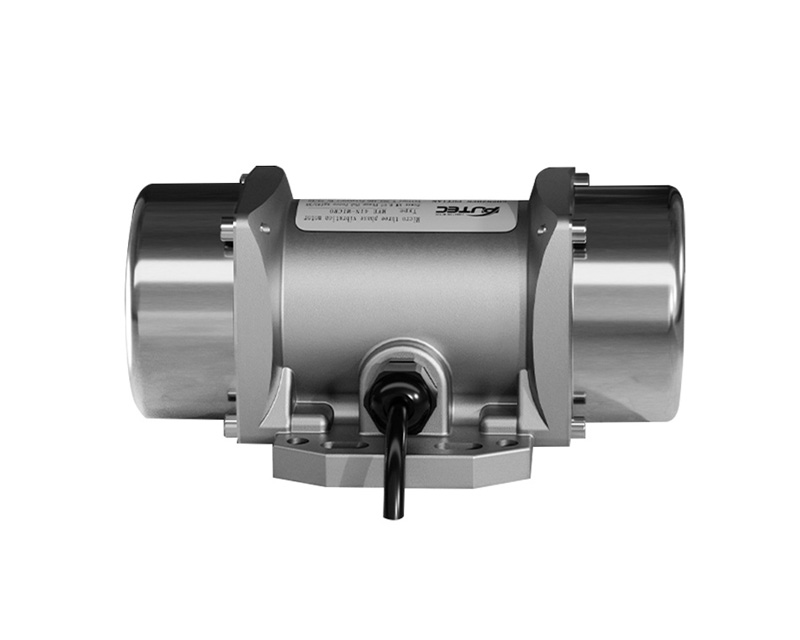
A factory noise complaint landed on a plant manager's desk last month. The line next to the vibrating screen had filed three reports in two weeks. The manager then asked a straightforward question on an industry forum: "Why are industrial vibration machines so loud at certain frequencies?" The responses ranged from "buy a quieter brand" to "wear earplugs." Neither answer solved the real issue. For any vibration motor for industrial application, noise is not a fixed trait—it changes with frequency, mounting, and wear. Likewise, an industrial vibration machine that suddenly becomes noisy is often sending a diagnostic signal, not just an annoyance.
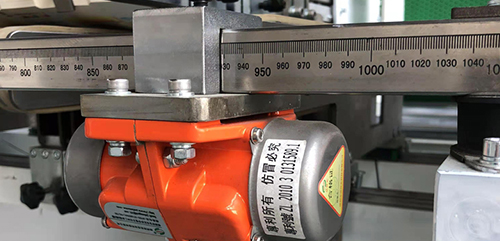
Noise source 1: Resonant mounting structure
A user described a vibrator that sounded fine at 25 Hz but produced a painful hum at 32 Hz.
Why it happens: The steel support frame has its own natural frequency. When the vibrator's operating frequency matches that natural frequency, resonance amplifies vibration into the structure, which radiates noise like a drumhead.
How to confirm: Run the industrial vibration machine at 5 Hz increments. Note the frequency where noise peaks. That is the resonant point.
Solution options:
Change the operating frequency by ±3 Hz if the motor allows inverter control.
Add mass to the support frame (weld on a steel plate) to shift the natural frequency away from operating range.
Install rubber isolation mounts between the vibrator and the frame. One user reported a 12 dB drop after adding 25 mm thick neoprene pads.
Noise source 2: Loose eccentric weights or bearings
Another user asked: "Our vibrator has a rattling sound that gets worse at startup. Then it smooths out after 30 seconds."
Why it happens: The eccentric weights may have loosened from their shaft position. When the motor starts, the weights shift slightly until centrifugal force locks them. That shifting creates a metallic rattle. Worn bearings produce a similar but higher-pitched sound.
How to confirm: Stop the vibration motor for industrial application. Remove the end covers. Check the weight clamping bolts. Also spin the shaft by hand—roughness indicates bearing wear.
Solution:
For loose weights: Retorque bolts to the value stamped on the motor housing. Use thread-locking compound.
For worn bearings: Replace both bearings as a set. Running with one new and one old bearing creates uneven loads.
Noise source 3: Material impact noise mistaken for vibrator noise
A food processing plant thought their industrial vibration machine was failing. The noise was a sharp clicking, not a hum.
Why it happens: The material itself creates noise as it bounces off the screen or feeder pan. Hard materials like soybeans or plastic pellets produce a loud, irregular clicking. This is not a motor problem.
How to confirm: Run the vibrator with no material load. If the noise disappears, the vibrator is fine. The issue is material-to-surface impact.
Solution:
Line the contact surface with polyurethane or rubber. A user glued 6 mm rubber sheet to the feeder pan and cut impact noise by half.
Reduce vibration amplitude slightly so material does not bounce as high.
Noise measurement you can do without expensive tools
Place a smartphone with a sound meter app one meter from the vibrator. Measure at three times:
Morning cold start
After two hours of operation
At end of shift
A consistent reading within ±3 dB is normal. A rise of 8 dB or more indicates a developing mechanical problem, even if no other symptom appears.
User mistake that makes noise worse
One maintenance team tightened every bolt on the vibration motor for industrial application when noise increased. They made the structure stiffer, which actually raised the resonant frequency and made the noise louder. The correct fix was to add flexible mounts, not more bolts.
Checklist before calling for service
Is the noise continuous or rhythmic? Continuous = likely bearing or weight issue. Rhythmic = likely resonance with nearby structure.
Does noise change with material load? Yes = material impact noise. No = vibrator internal issue.
Have you changed operating frequency recently? Yes = you may have entered resonance.
Advice from Shenzhen Putian Vibration Motor Co., Ltd.
Based on user reports, we suggest keeping a simple noise log. Record the decibel level and operating frequency once per week. A sudden change alerts you before a breakdown. Also, never run an industrial vibration machine with missing rubber isolators. Users often remove them thinking they are "soft and unnecessary." Those isolators are the main barrier between vibrator noise and the factory floor.
Mobile
Products
Contact Us
- Address: No.6 Building, Wanfeng 98 Industrial City, Shajing Street, Baoan District, Shenzhen, Guangdong, China.
- Phone: +86-18923719730 / +86-0755-27460501
- Fax: +86-0755-27460606
- E-mail: [email protected]
Copyright © Shenzhen Putian Vibration Motor Co., Ltd. All Rights Reserved.

