

 English
 русский
 Português
 عربى
عربى فارسی
فارسیIndustry News

Does Your Vibration Motor Overheat During Shifts
 Apr-10-2026
 Industry News
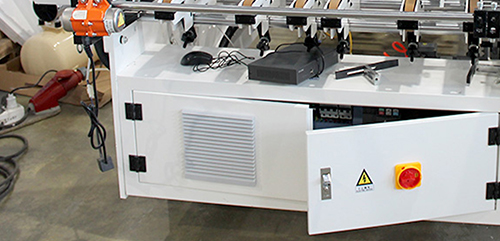
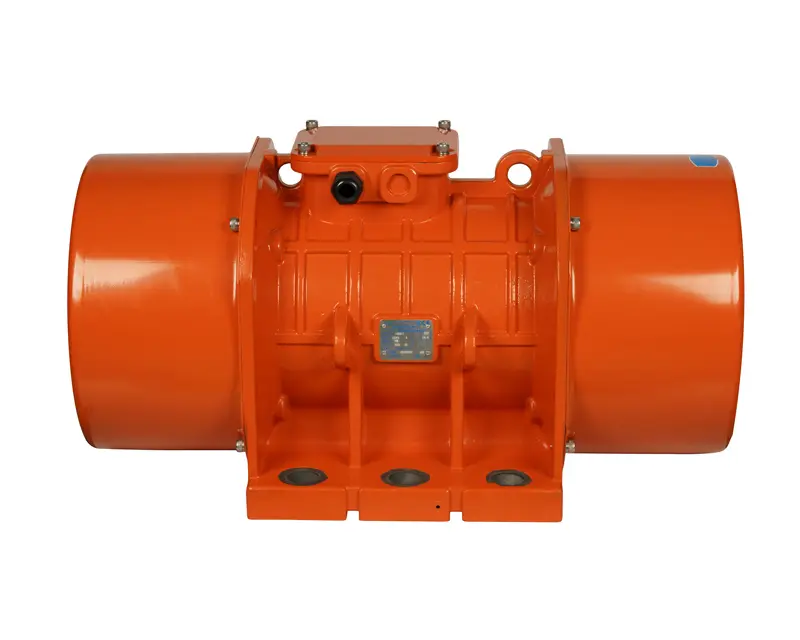
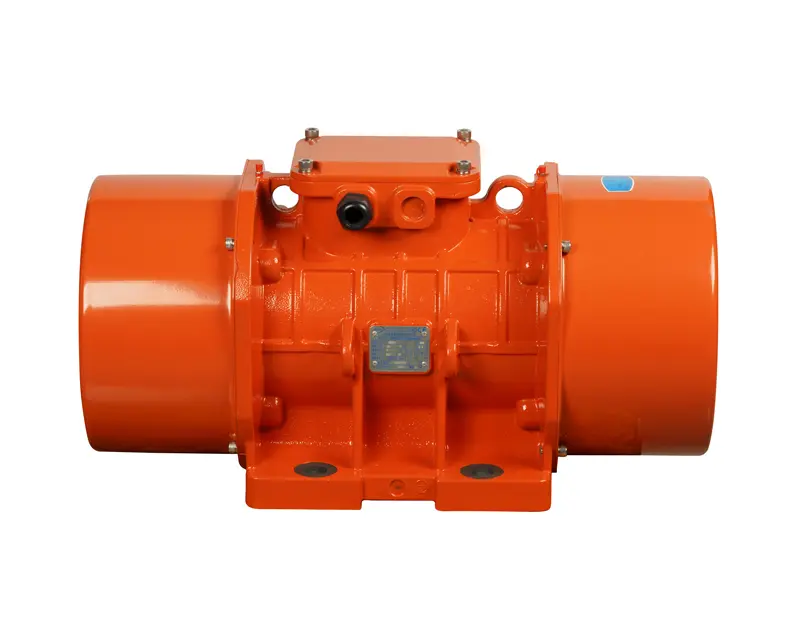
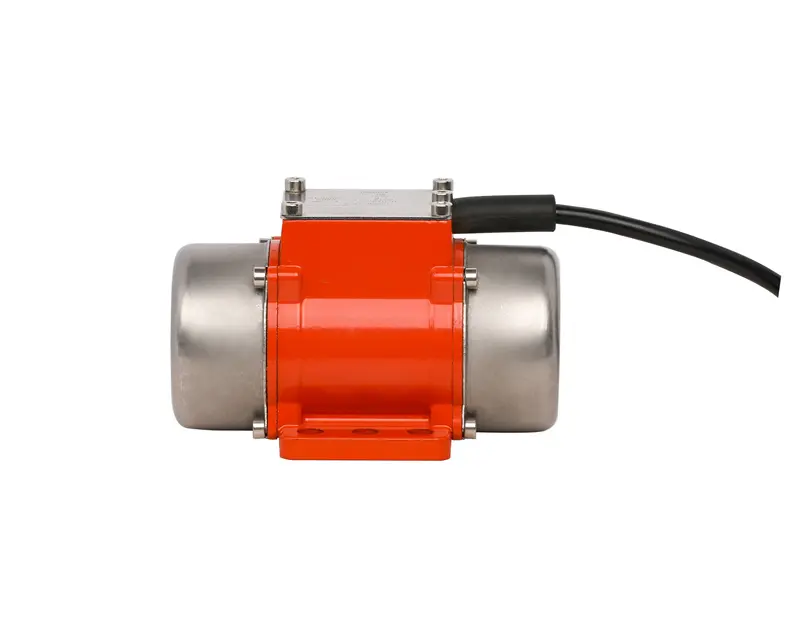
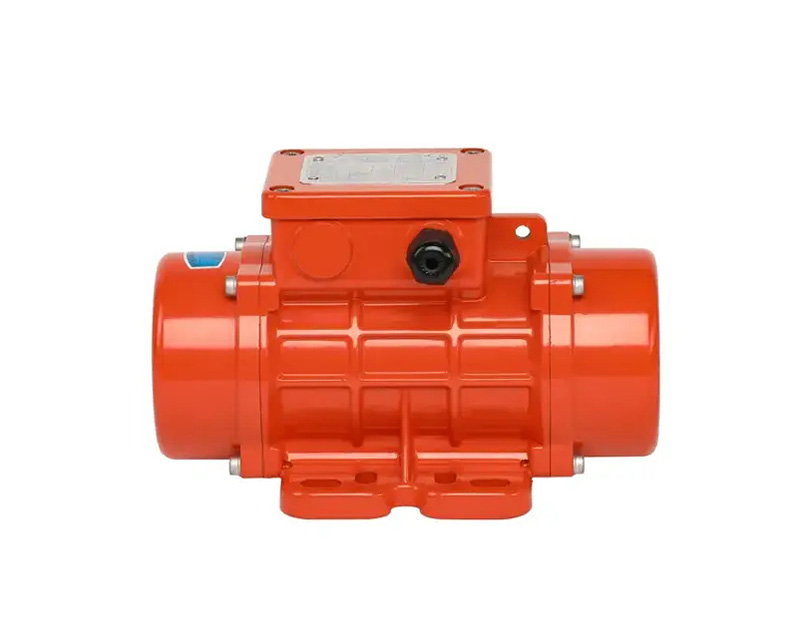
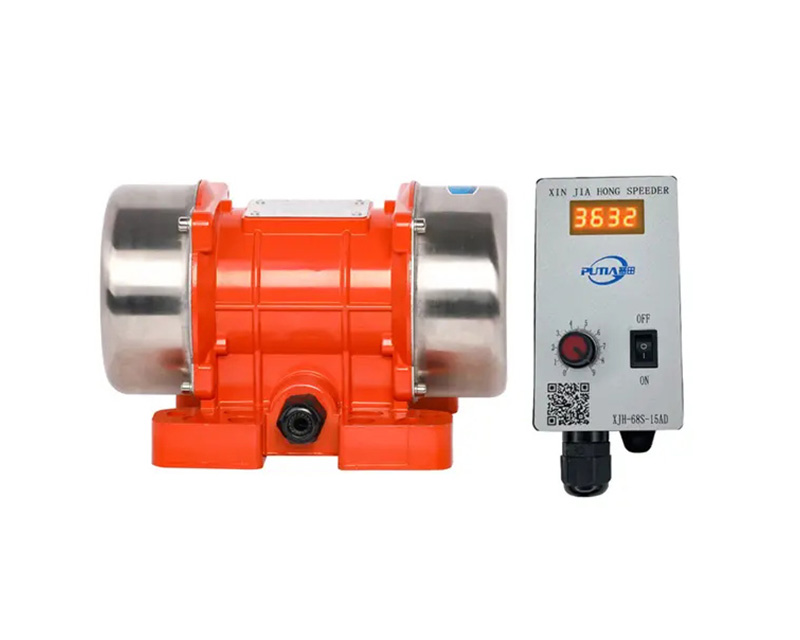
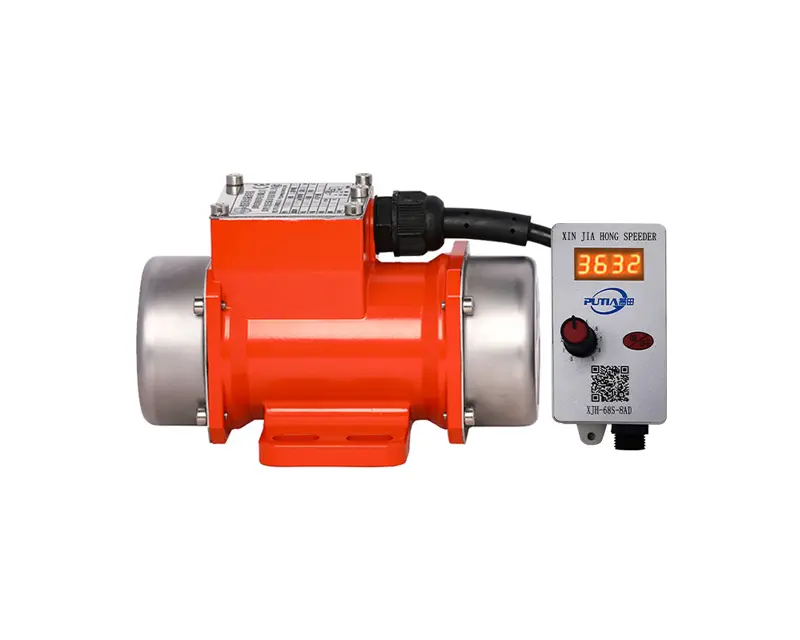
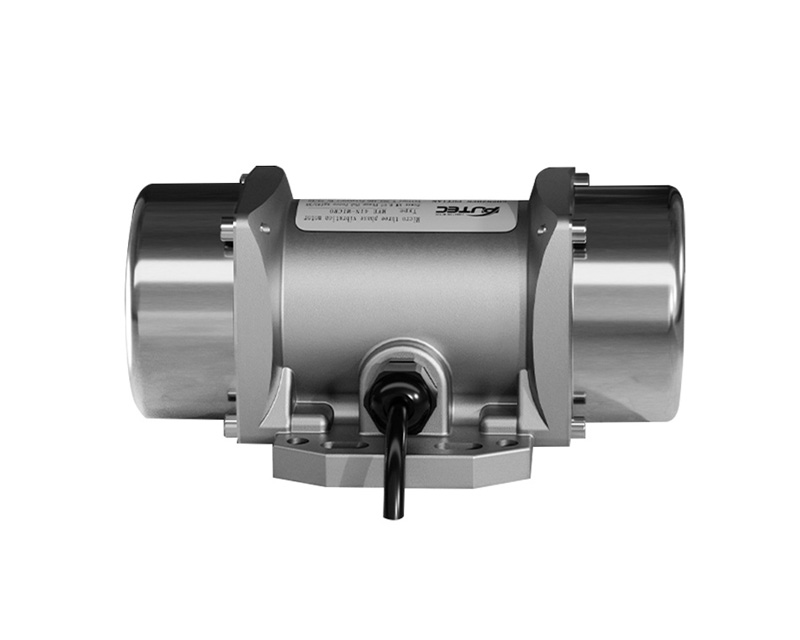
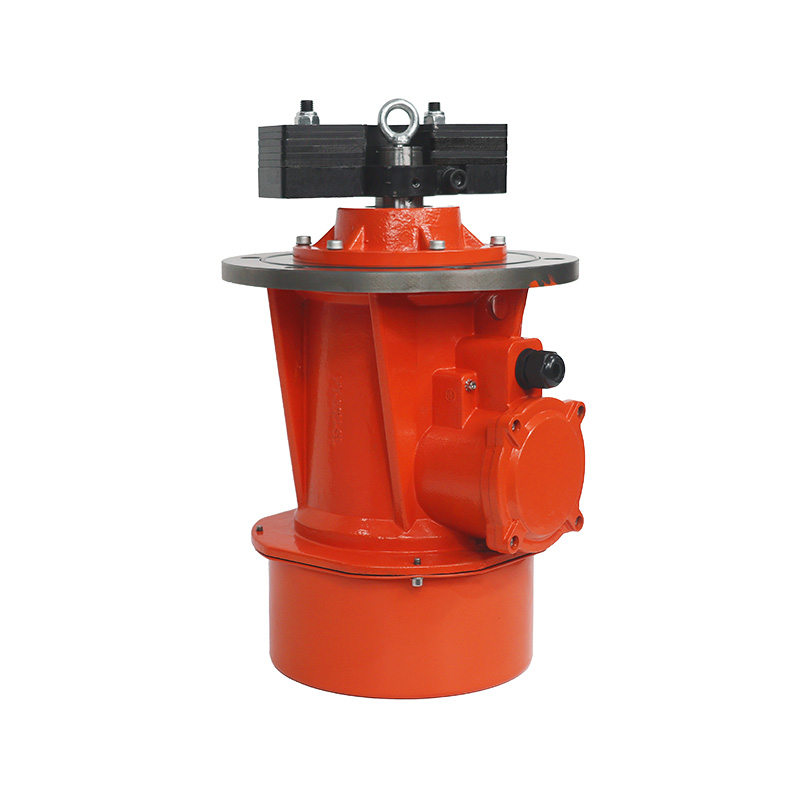
Overheating remains a frequent complaint among facility managers running continuous material handling lines. A user recently asked: “Why does my industrial vibration motor overheat after long runs?” This question appears repeatedly on equipment maintenance forums and social media groups focused on bulk processing. For any vibration motor for industrial application, thermal stability directly determines shift length and repair frequency. Similarly, an industrial vibration machine that runs hot forces unexpected stoppages, hurting throughput. Shenzhen Putian Vibration Motor Co., Ltd. has analyzed field return data to identify three main overheating triggers and their fixes.
1. Undersized motor frame relative to duty cycle
Many users pick a vibration motor based only on starting torque, ignoring continuous runtime. A motor rated for 50% duty cycle will overheat if run for three hours non-stop.
Solution: Calculate your actual “minutes on / minutes off” per hour. Choose a unit with full continuous duty marking if your line never pauses.
Field check: Measure housing temperature after 90 minutes. If it exceeds 85°C, the frame is too small.
2. Blocked cooling fan or fin channels
Dust from cement, coal, or grain accumulates on motor fins. One user described cleaning his vibrator every two weeks only to find the fan cover completely caked.
Solution: Install a compressed air line near the vibrator for daily blow-down.
Design improvement: Some newer enclosures have self-cleaning fan blade profiles that reduce dust packing.
3. Incorrect lubrication grade or quantity
Over-greasing is as harmful as under-greasing. Too much grease causes churning and heat; too little causes metal-to-metal contact.
Solution: Follow the torque table for bearing grease volume. For high ambient temperatures (above 40°C), switch to a lithium complex grease with a higher dropping point.
User mistake example: A maintenance log showed the team added grease every week without removing the old grease, causing to a seal rupture.
Why this matters for your line
An industrial vibration machine that overheats loses eccentric force consistency. When the stator resistance rises with temperature, the motor slips, and vibration amplitude drops. This directly affects screening accuracy and feeder flow rates. One cement plant reported a 12% drop in screening efficiency before they identified thermal runaway. After switching to a properly sized vibration motor for industrial application with external cooling ribs, their bearing life extended by three seasons.
Practical thermal test procedure
Run the vibrator under load for two hours.
Use an infrared thermometer at four points: front bearing housing, rear bearing housing, center frame, terminal box.
Acceptable rise: 50°C above ambient. Any higher requires investigation.
Check if the thermal protector (if equipped) trips. If it trips once per shift, the motor is undersized.
Recommendations from Shenzhen Putian Vibration Motor Co., Ltd.
Based on customer feedback, we suggest logging temperature weekly. Install a simple bimetal thermostat on the motor frame connected to a warning light. This low-cost addition can prevent unplanned downtime. Also, review your motor’s insulation class: Class F (155°C) is safer than Class B (130°C) for high-ambient industries like foundries or asphalt plants.
One maintenance cause shared his rule: “If you can’t hold your hand on the motor for five seconds, stop the line and check.” While not a precise measurement, it flags problems before bearings or windings fail.
Mobile
Products
Contact Us
- Address: No.6 Building, Wanfeng 98 Industrial City, Shajing Street, Baoan District, Shenzhen, Guangdong, China.
- Phone: +86-18923719730 / +86-0755-27460501
- Fax: +86-0755-27460606
- E-mail: [email protected]
Copyright © Shenzhen Putian Vibration Motor Co., Ltd. All Rights Reserved.

