

 English
 русский
 Português
 عربى
عربى فارسی
فارسیIndustry News

How To Adjust Vibration Force For Each Material
 Apr-03-2026
 Industry News
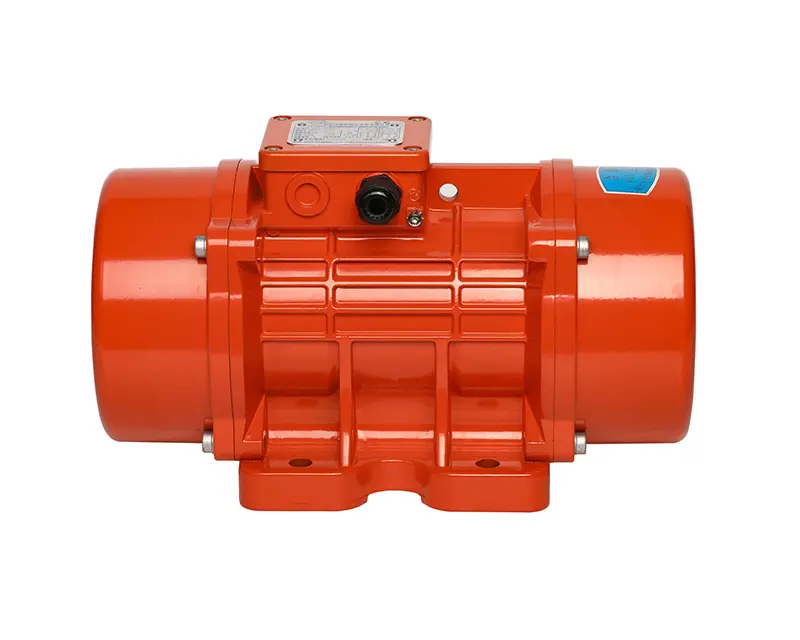
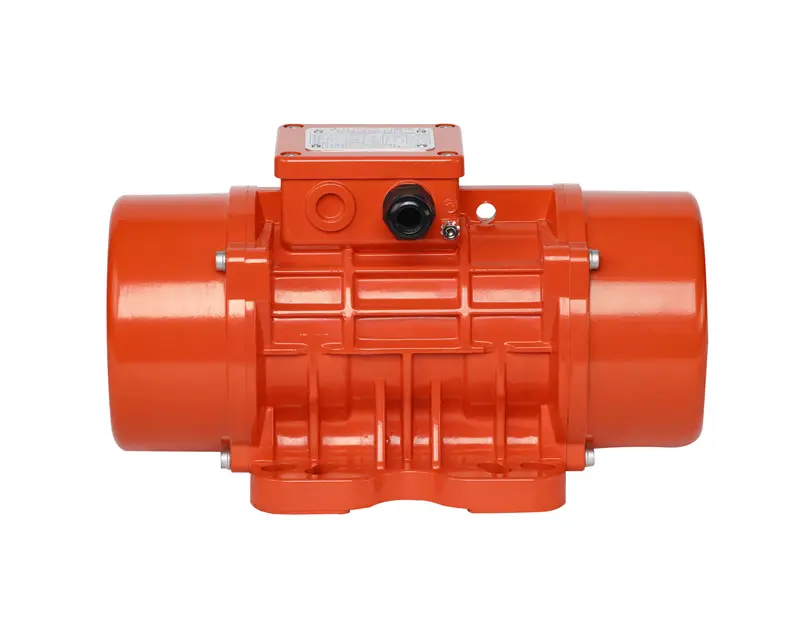
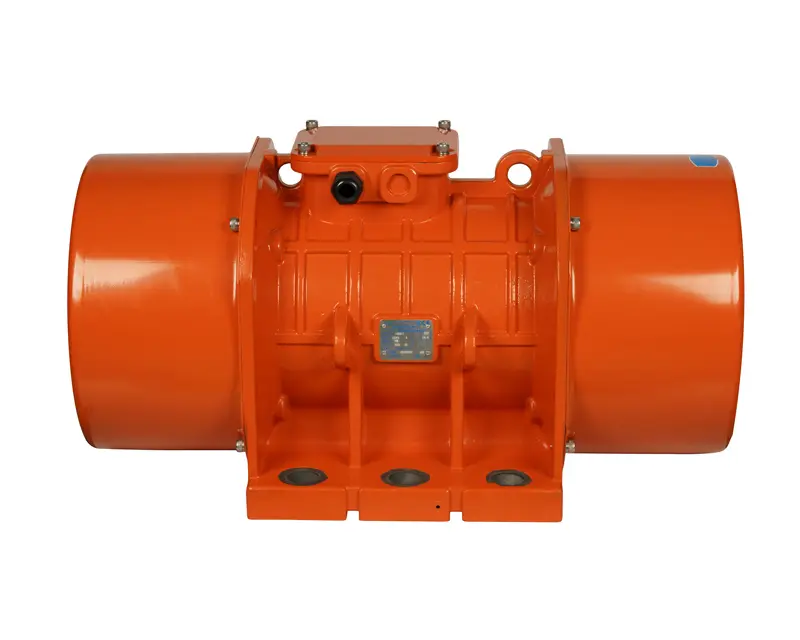
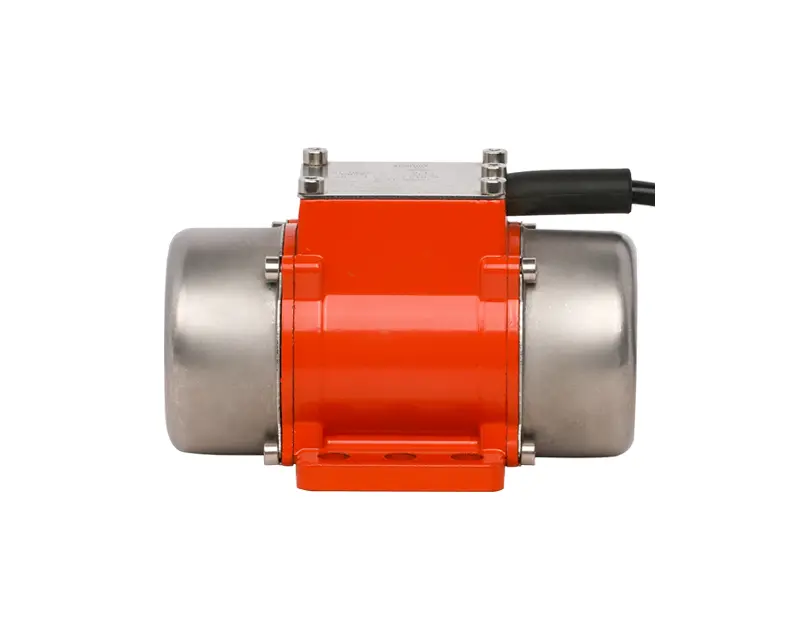
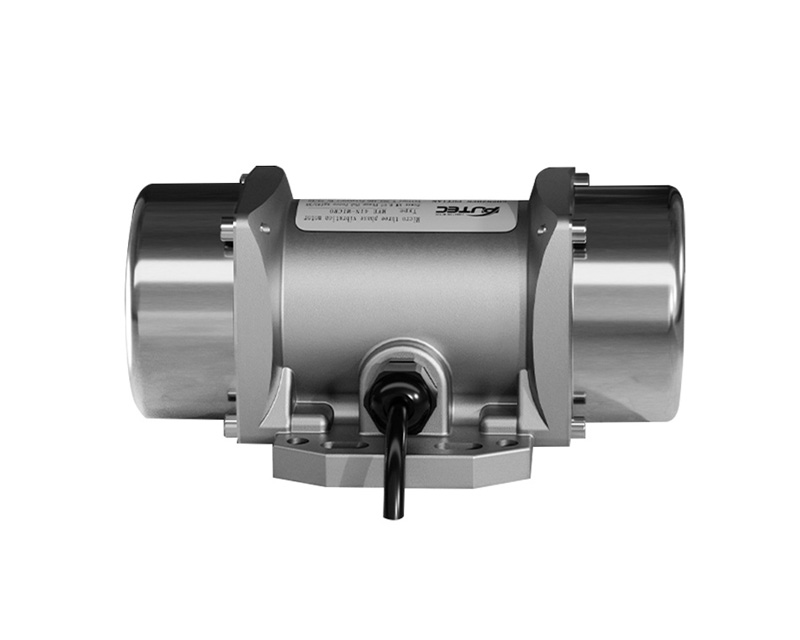
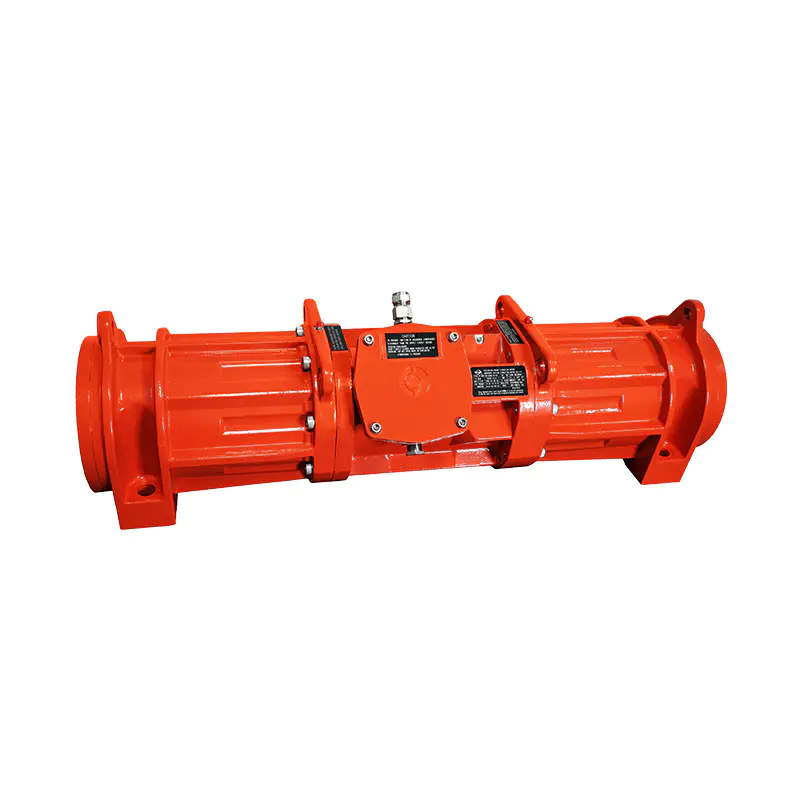
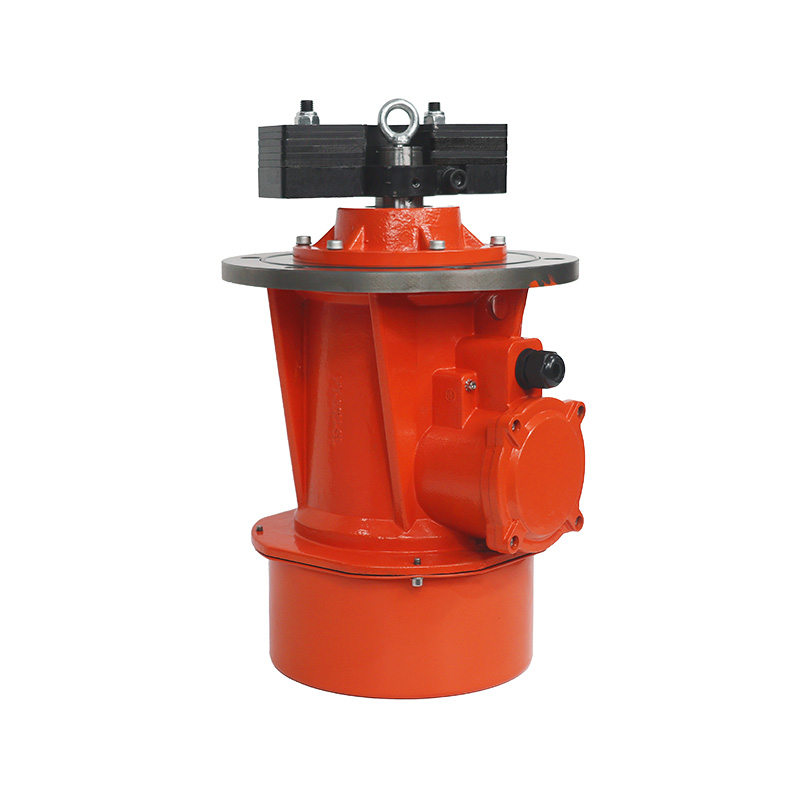
A process engineer recently posted this question online: “What is the method to change vibration amplitude on an industrial vibrator?” The engineer explained that his plant runs ten different bulk materials—from heavy iron ore pellets to lightweight plastic flakes—through the same vibrating feeder. Each material reacted differently to the same vibration force. This is a common challenge. For any vibration motor for industrial application, the ability to adjust eccentric moment determines how well the machine adapts to changing product streams. Similarly, an industrial vibration machine with a fixed force will either stall on heavy materials or fluidize lightweight powders too aggressively.
Method 1: Moving eccentric weights on the shaft
Most industrial vibrators have two eccentric weight sets per shaft.
- Step 1: Disconnect power and lock out the machine. Remove the end cover.
- Step 2: Loosen the clamping bolts on the outer weight. Do not remove the inner weight.
- Step 3: Rotate the outer weight relative to the inner weight. The angle between them controls the total force.
0° angle (weights aligned) = peak force
180° angle (weights opposite) = zero force
- Step 4: Tighten bolts to the specified torque. Reinstall the cover.
User tip: Mark the original position with a paint pen before moving anything. One user reported losing the setting after a rushed shift change, causing the feeder to throw material off the belt.
Method 2: Adding or removing weight plates
Some vibration motor designs for industrial applications use stackable weight plates instead of adjustable angles.
- Step 1: Remove the outer cover and the retaining ring.
- Step 2: Count the number of plates installed. Each plate adds a known force increment.
- Step 3: For lighter materials, remove plates in pairs (one from each shaft end) to keep dynamic balance.
- Step 4: For heavier materials, add plates up to the motor’s rated maximum.
Caution: Never exceed the static moment limit listed on the motor nameplate. A user added too many plates and cracked the bearing housing within one hour.
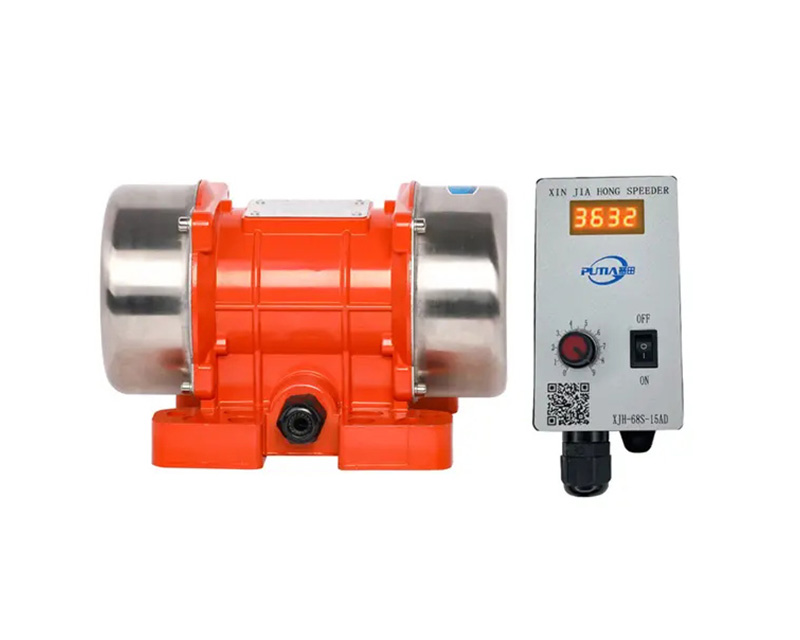
Method 3: Changing rotation speed (for inverter-duty vibrators)
Not all vibrators allow speed adjustment. Only those with inverter-rated insulation can handle frequency changes.
- Step 1: Verify the industrial vibration machine is marked “inverter duty” or “vector rated.”
- Step 2: Reduce frequency to lower force (force is proportional to frequency squared). For example, running at 40 Hz instead of 50 Hz delivers 64% of the force.
- Step 3: Increase frequency carefully. Going above the rated frequency reduces bearing life. A 10% over-speed cuts bearing life by roughly 30%.
Which method for which material?
A user asked for a quick reference table based on actual plant trials. Here is a simplified version:
| Material type |
Recommended adjustment | Why |
| Heavy, coarse (ore, stone) | Maximum force (0° angle) | Needs high amplitude to lift particles |
| Medium, granular (sand, grain) | 60-80% force (30° angle) | Balanced flow without spillage |
| Light, fine (cement, flour) | 30-40% force (60° angle) | Prevents aeration and dust clouds |
| Sticky, moist (clay, sludge) | Low force + high frequency | Breaks adhesion without packing |
Common error to avoid
Adjusting only one shaft end. A user on a bulk handling forum described how his vibrator started shaking violently after he changed the outer weight on the left side but forgot the right side. The imbalance broke the mounting bolts. Always adjust both ends equally.
Practical workflow for material changeover
Run a small sample of the new material through the industrial vibration machine at the current force setting. Observe the flow pattern.
If material piles up, increase force. If material flies off the end, decrease the force.
Make one adjustment at a time. Change the angle by 15°, run for two minutes, then check again.
Record the final setting for each material on a chart near the machine.
A note from Shenzhen Putian Vibration Motor Co., Ltd.
From customer feedback, we find that many operators skip the recording step. They adjust by feel each time a material changes, wasting 15–20 minutes per switchover. A simple laminated card with settings for your top five materials saves hours per week. Also, check your adjustment mechanism every three months. Vibration loosens bolts gradually. A weight that shifts by even 5° changes force by roughly 8%.
One seasoned maintenance supervisor shared, “Don’t chase ideal amplitude. Find the setting where material moves consistently without bouncing off the tray. Then lock everything and check torque every Monday morning.” His team reduced feeder jams by 70% just by standardizing their adjustment procedure.
Mobile
Products
Contact Us
- Address: No.6 Building, Wanfeng 98 Industrial City, Shajing Street, Baoan District, Shenzhen, Guangdong, China.
- Phone: +86-18923719730 / +86-0755-27460501
- Fax: +86-0755-27460606
- E-mail: [email protected]
Copyright © Shenzhen Putian Vibration Motor Co., Ltd. All Rights Reserved.

