

 English
 русский
 Português
 عربى
عربى فارسی
فارسیIndustry News

How to Choose Industrial Motor for Harsh Environments
 Mar-27-2026
 Industry News
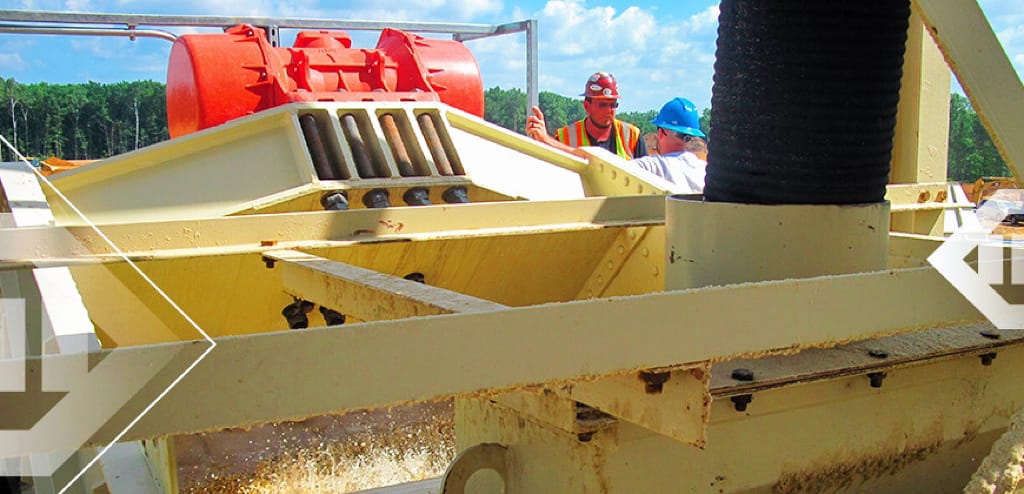
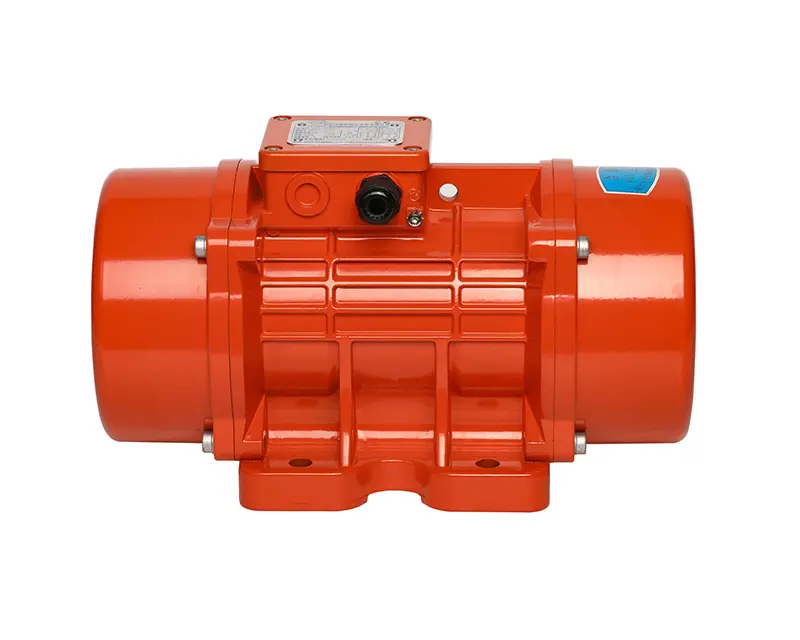
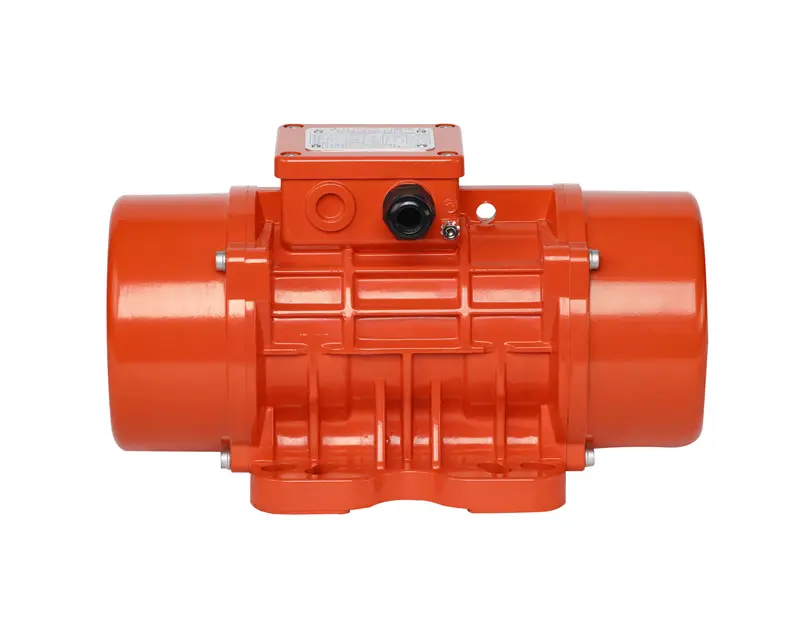
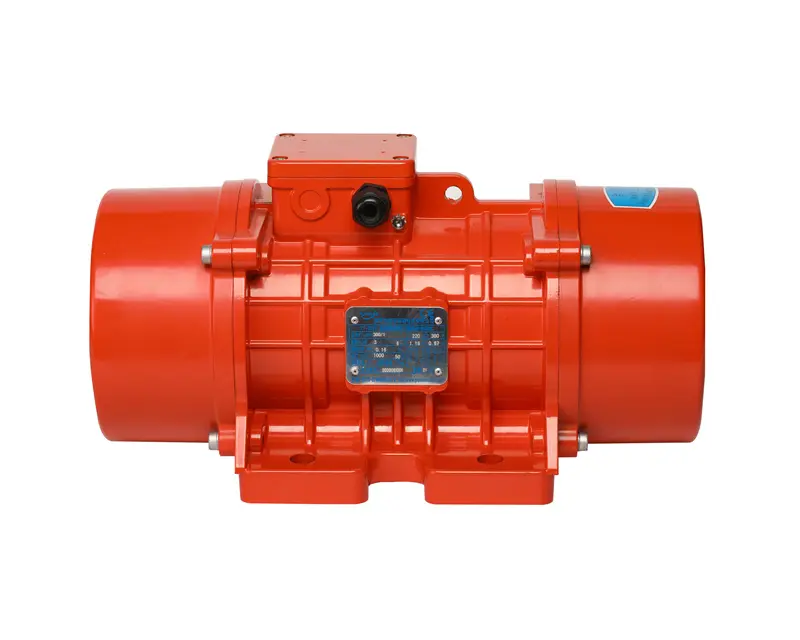
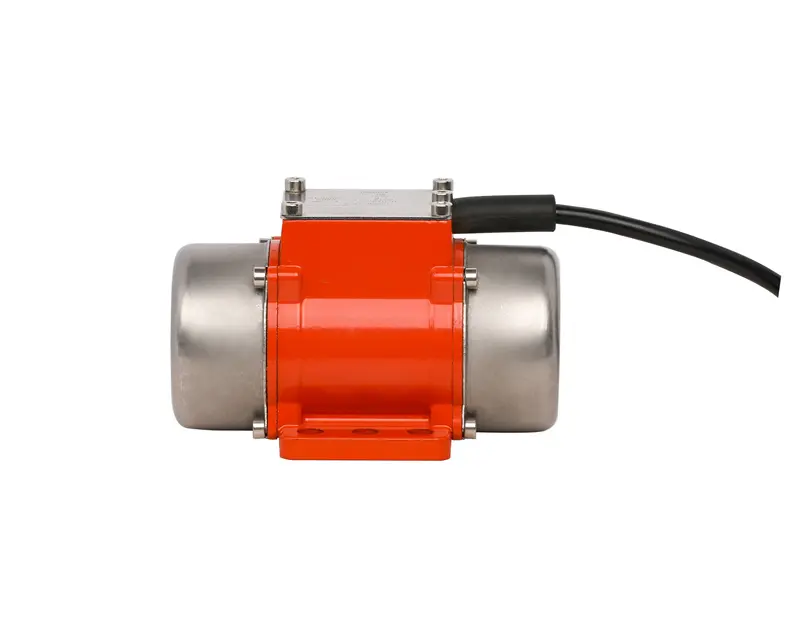
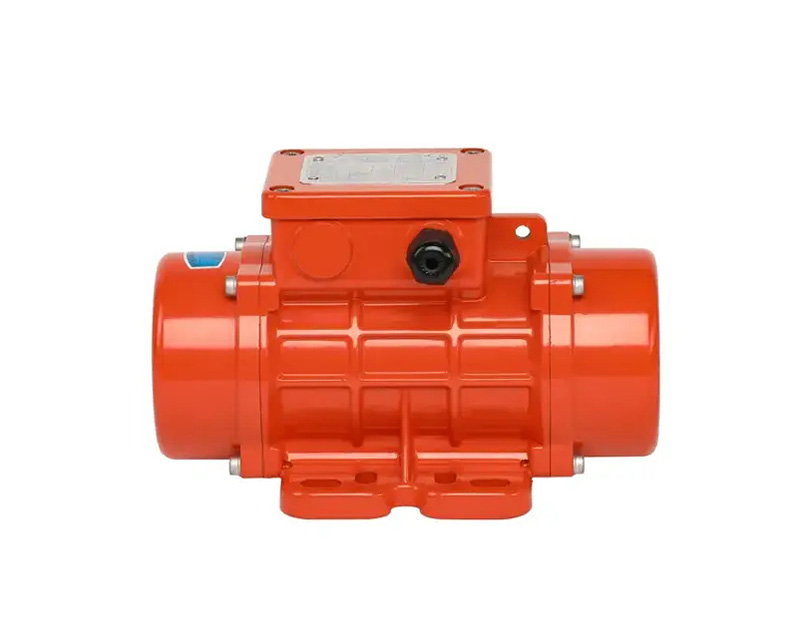
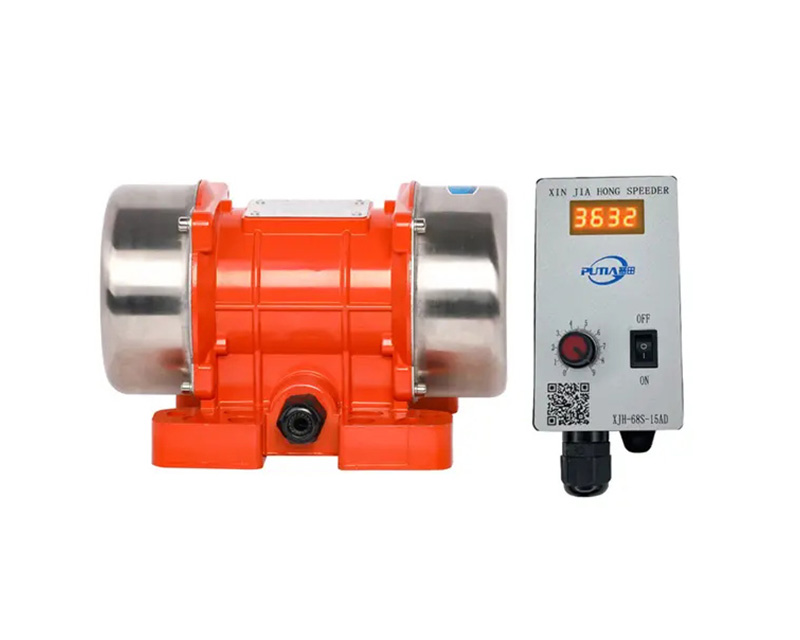
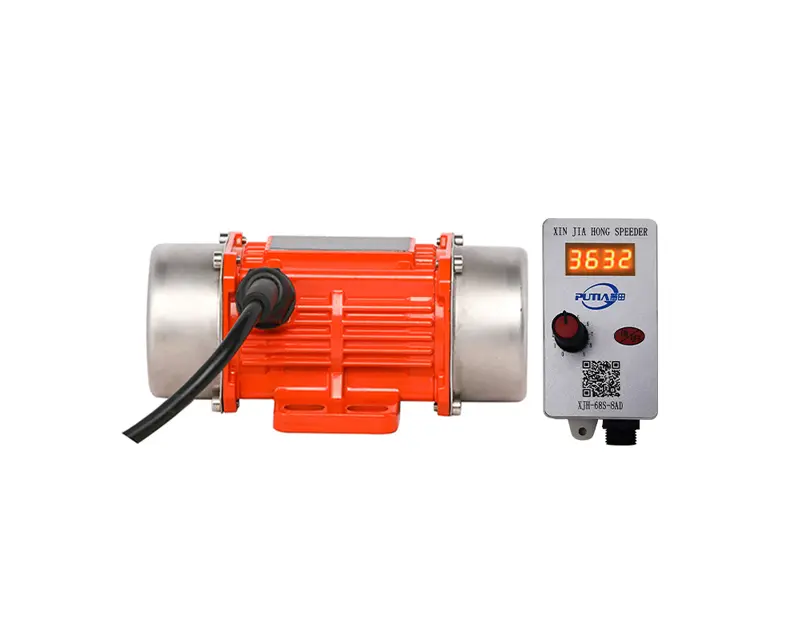
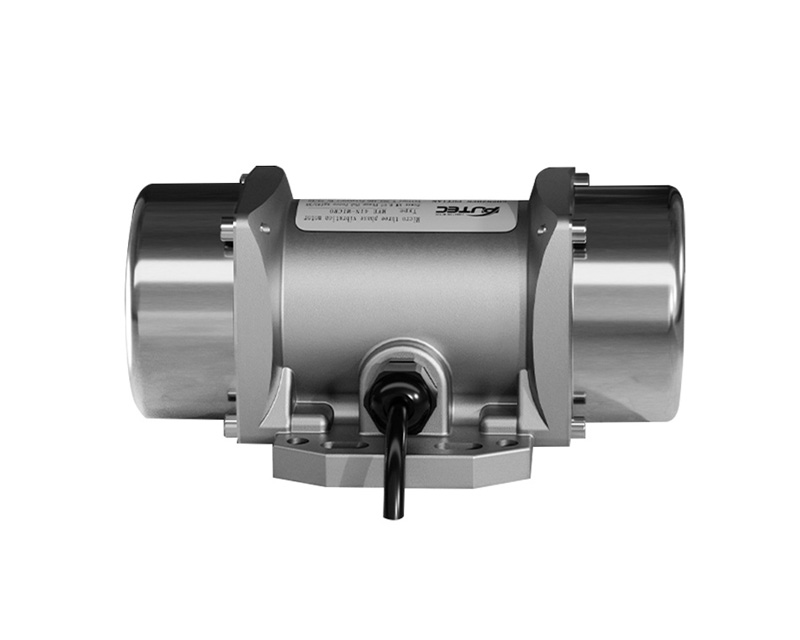
Equipment operating in tough settings often faces wet, dusty, high-temperature, or corrosive conditions, making motor selection critically important. Many users ask what to consider when choosing an industrial solution that will survive harsh environmental stress. Trusted industrial motor manufacturers often stress that failure to properly assess conditions leads to frequent downtime and accelerated wear. Choosing a waterproof vibration motor or a rugged electric motor goes beyond power and speed—environmental resistance becomes a core part of the decision.
Understanding the environment where the motor must operate is the primary step. Harsh environments can range from outdoor facilities with constant water spray to dust-laden processing plants, or setups where corrosive materials are present. Operators frequently wonder which features or ratings indicate that a motor can stand up to these challenges.
1. Assess Environmental Conditions Thoroughly
You should begin by clearly identifying temperature range, moisture exposure, dust level, and chemical presence in the intended operating location. These factors not only influence performance but also determine what protective standards are required.
A standard way to classify environmental protection is through Ingress Protection (IP) ratings. IP ratings describe how well a motor’s enclosure shields against solids like dust and liquids like splashing or submersion. Higher IP numbers mean better protection—for instance, IP66 or above can indicate that a motor resists strong water jets and dust intrusion.
Understanding these conditions helps you avoid selecting a motor with insufficient protection—something that can cause early failure when exposed to rain, washdowns, or airborne particles.
2. Consider Materials and Coatings
In harsh environments, material choice becomes essential. Motor housings made from robust materials such as coated aluminum or stainless steel resist corrosion, especially when environments contain salt, chemicals, or moisture.
Moisture or corrosive agents that penetrate a standard motor housing can degrade internal parts, bearings, or seals, drastically reducing life expectancy. Features such as special coatings or protective sealants are often implemented in rugged industrial motors to enhance resistance against rust and chemical attack.
Many operators ask whether all rugged motors are waterproof by default. The answer is that waterproof capability must match the specific exposure level expected (e.g., occasional splashes vs. full submersion). Making sure the motor’s enclosure matches your environment prevents unexpected failures.
3. Evaluate Temperature and Thermal Management
High or fluctuating temperatures create another challenge. Motors generate heat during operation, and harsh ambient temperatures can add stress to insulation, bearings, and windings. Users often ask what happens when a motor runs hot in a dusty or humid environment.
Good industrial motors rely on effective cooling designs—like totally enclosed fan-cooled (TEFC) housings, which prevent outside air from circulating through the motor core while using an external fan for cooling. TEFC designs help keep internal components cool without exposing them to contaminated air.
Appropriate thermal management ensures that the motor continues to run at rated efficiency even when environmental temperatures soar or drop sharply.
4. Match Power and Mechanical Needs
Beyond environmental protection, motor selection must address load requirements—including torque, speed, and duty cycle. Environmental hazards compound performance challenges, so a motor must be powerful enough for the application while still meeting protection standards.
When selecting a vibration motor, consider how material characteristics (density, moisture content) impact torque needs. Motors in heavy-load or continuous operation environments often require larger safety margins to handle stress without overheating or failing.
5. Plan for Maintenance and Monitoring
Even rugged motors benefit from condition monitoring and scheduled maintenance to detect early signs of wear, misalignment, or seal degradation. Condition monitoring systems help detect changes in vibration, temperature, or performance, allowing predictable maintenance rather than emergency repairs.
This proactive approach is especially important in harsh environments, where early indications of trouble may be subtle but can cause major failures if ignored.
Selecting the right industrial motor for harsh conditions doesn’t need to be guesswork. By thoroughly assessing environmental hazards, material needs, power requirements, and protective ratings, operators can avoid premature breakdowns and enhance machine longevity. Rugged choices—such as properly rated waterproof vibration motor solutions or motors with robust enclosures—provide dependable performance even when conditions are tough.
Partnering with experienced professionals who understand how to balance environmental resilience with operational performance can make a significant difference in reliability over time.
Mobile
Products
Contact Us
- Address: No.6 Building, Wanfeng 98 Industrial City, Shajing Street, Baoan District, Shenzhen, Guangdong, China.
- Phone: +86-18923719730 / +86-0755-27460501
- Fax: +86-0755-27460606
- E-mail: [email protected]
Copyright © Shenzhen Putian Vibration Motor Co., Ltd. All Rights Reserved.

