

 English
 русский
 Português
 عربى
 فارسی
Industry News

Is Your Vibration Motor Ready for Continuous Industrial Operation?
 Nov-06-2026
 Industry News
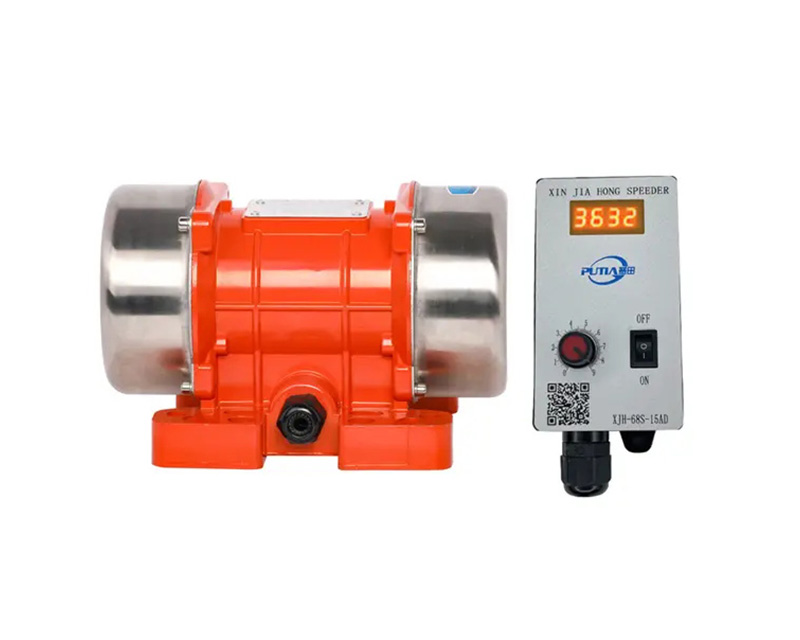
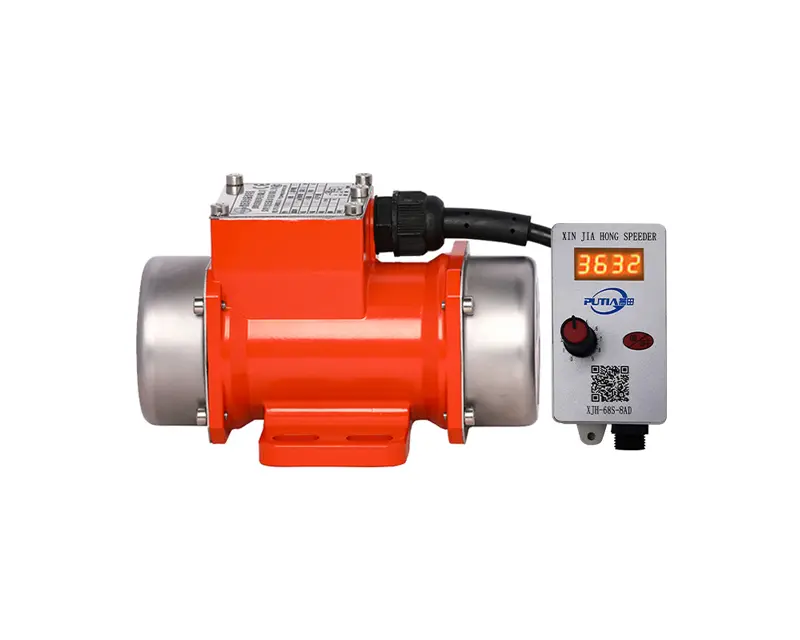
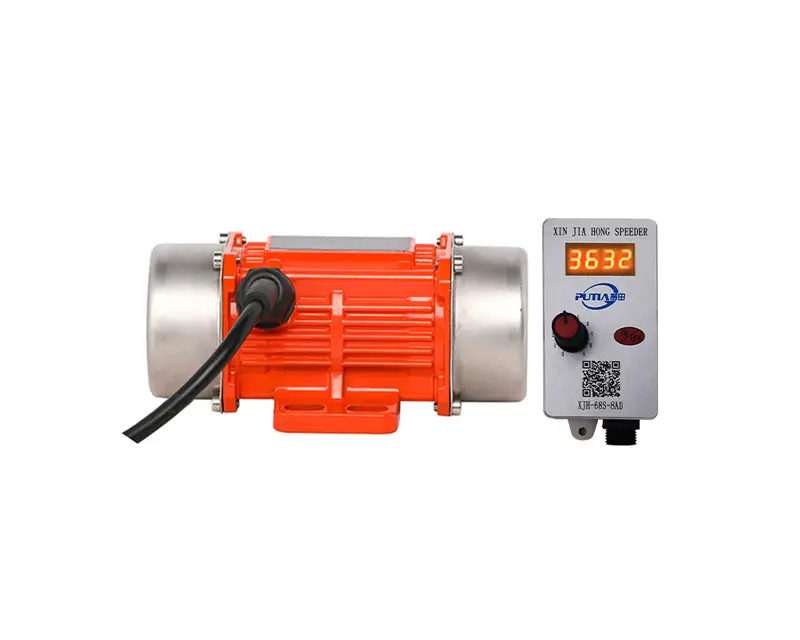
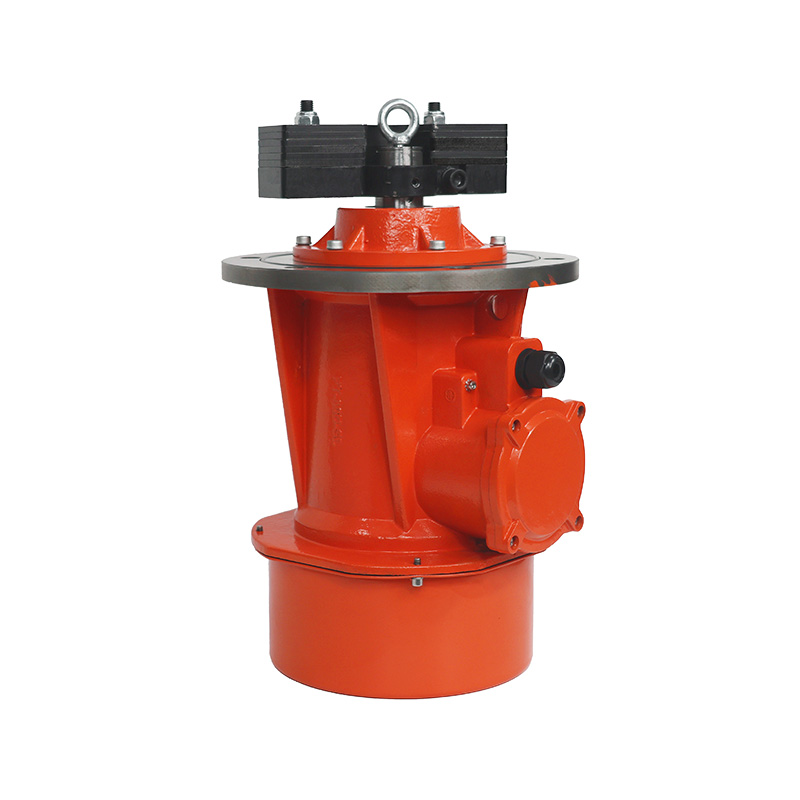
In industries such as mining, food processing, construction materials, and chemical production, vibration equipment often operates as part of a continuous material-handling process. When a vibrating screen, feeder, or hopper does not perform as expected, the motor may not be the only factor involved. Incorrect force selection, unsuitable installation, operating conditions, and maintenance practices can all affect performance. For buyers comparing suppliers, choosing an experienced Vibration motor manufacturer means looking beyond rated power and checking whether the motor is suitable for the actual working environment and operating cycle.
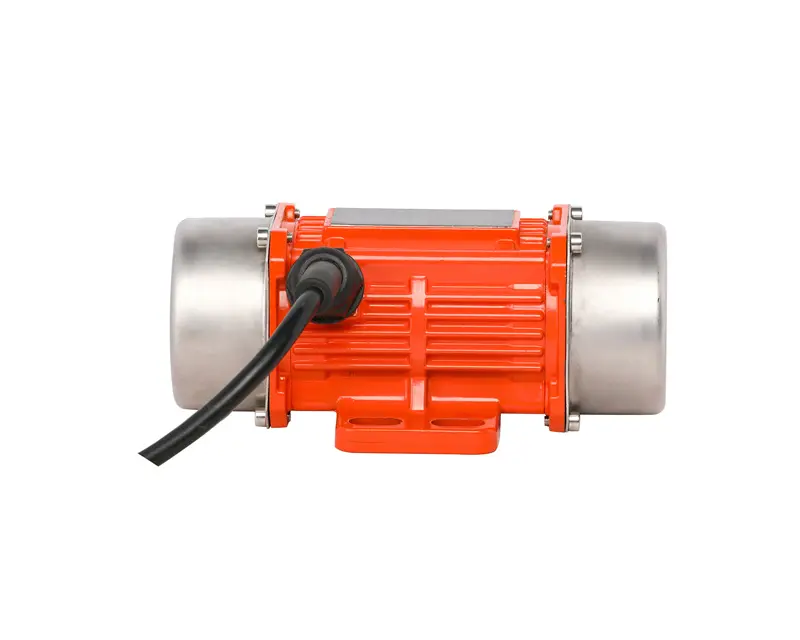
Match Centrifugal Force to the Equipment
One common selection mistake is choosing a vibration motor based mainly on its power rating. However, the required centrifugal force is closely related to the mass, structure, and operating purpose of the vibrating equipment.
A motor installed on a small feeder may have different requirements from one used on a large vibrating screen. If the excitation force is not properly matched, the equipment may experience insufficient material movement or unnecessary mechanical stress.
Before placing an order, engineers should evaluate:
- Equipment weight and structural design
- Required vibration force
- Operating frequency and motor speed
- Installation position and mounting arrangement
- Material characteristics and processing conditions
These details help manufacturers recommend a suitable motor configuration instead of relying on a general model comparison.
Installation Quality Affects Motor Performance
Even a correctly selected motor can encounter problems when its mounting surface or installation arrangement is unsuitable. Loose fasteners, uneven mounting surfaces, and incorrect installation angles may contribute to abnormal vibration and additional stress on the equipment structure.
During installation, the mounting base should be checked for flatness and sufficient rigidity. Bolts should be tightened according to the manufacturer's instructions, and the motor should be positioned according to the equipment design.
For machines using two vibration motors, their installation orientation and rotation arrangement also need to follow the specified operating configuration. Incorrect coordination can affect the intended movement of the equipment and should be checked during commissioning.
Temperature and Working Environment Deserve Attention
Industrial vibration motors may operate in environments containing dust, moisture, heat, or process-related contaminants. These conditions can influence insulation, bearing performance, sealing components, and the overall service life of the motor.
Buyers should therefore confirm the environmental conditions before selecting a model. Important considerations include ambient temperature, dust exposure, moisture levels, enclosure protection, and whether the application requires a special motor design.
For example, equipment used in dusty material-handling areas may require an appropriate protection level, while applications in corrosive environments may call for different material or surface-treatment arrangements. The correct configuration depends on the actual operating conditions and relevant safety requirements.
Bearing Condition Can Reveal Early Problems
Bearings carry mechanical loads during motor operation, making their condition an important part of routine inspection. Unusual noise, rising temperature, or changes in vibration behavior may indicate a developing problem, although these symptoms can also originate from the driven equipment or installation structure.
Maintenance teams should establish inspection procedures based on operating frequency and the manufacturer's recommendations. They should also check lubrication requirements, bearing condition, mounting bolts, and signs of contamination.
Identifying changes early can help maintenance personnel investigate the cause before an unexpected shutdown affects the production schedule.
Adjustable Eccentric Weights Require Careful Handling
Many industrial vibration motors use adjustable eccentric weights to change the excitation force. This feature allows users to adapt the motor output to different equipment requirements, but adjustment should be carried out carefully.
The eccentric weights at both ends need to be configured consistently with the motor manufacturer's instructions. Uneven or incorrect adjustment may affect the intended force output and operating behavior.
Operators should stop and isolate the equipment before making adjustments, follow the specified procedure, and confirm that all components are secured before restarting the motor.
Consider Maintenance Access Before Purchasing
For factories operating multiple vibrating machines, maintenance convenience can influence long-term equipment management. A motor that is difficult to inspect or service may increase the workload for maintenance teams.
When comparing suppliers, buyers should ask about bearing maintenance, replacement components, wiring arrangements, installation guidance, and technical support. It is also useful to confirm whether the manufacturer can provide suitable models for different voltage, frequency, mounting, and force requirements.
Clear technical documentation helps maintenance teams understand the equipment and supports more consistent service practices.
Work With a Manufacturer That Understands the Application
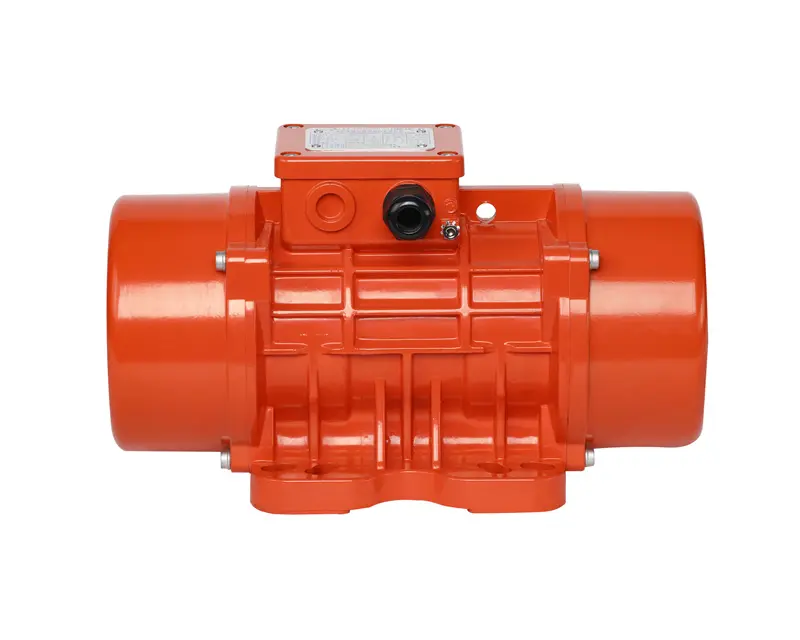
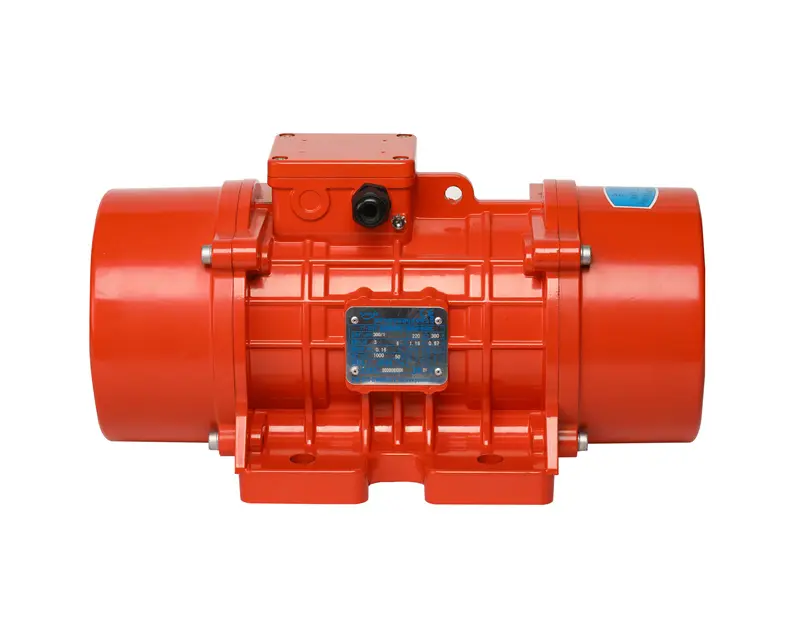
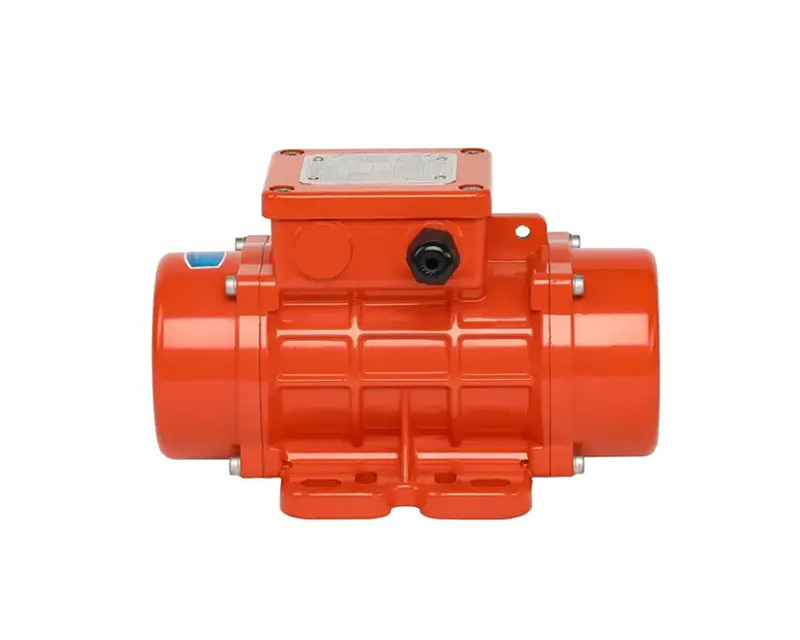
Selecting an industrial vibration motor involves more than comparing power, speed, or price. The relationship between excitation force, installation structure, environmental conditions, and maintenance requirements determines whether the motor is suitable for the intended process. As a Vibration motor manufacturer, we believe that understanding the customer's equipment and working conditions is an essential starting point for product selection. By discussing these details before ordering, overseas distributors, equipment builders, and industrial buyers can identify a more appropriate vibration motor solution for their applications.
Mobile
Products
Contact Us
- Address: No.6 Building, Wanfeng 98 Industrial City, Shajing Street, Baoan District, Shenzhen, Guangdong, China.
- Phone: +86-18923719730 / +86-0755-27460501
- Fax: +86-0755-27460606
- E-mail: [email protected]
Copyright © Shenzhen Putian Vibration Motor Co., Ltd. All Rights Reserved.

