

 English
 русский
 Português
 عربى
عربى فارسی
فارسیIndustry News

Can Industrial Vibration Machines Handle Dusty Sites
 Apr-17-2026
 Industry News
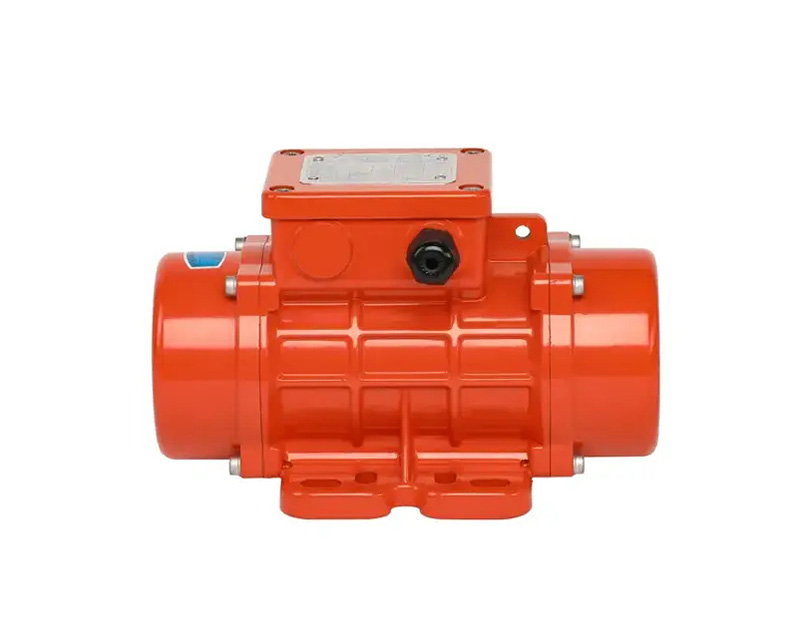
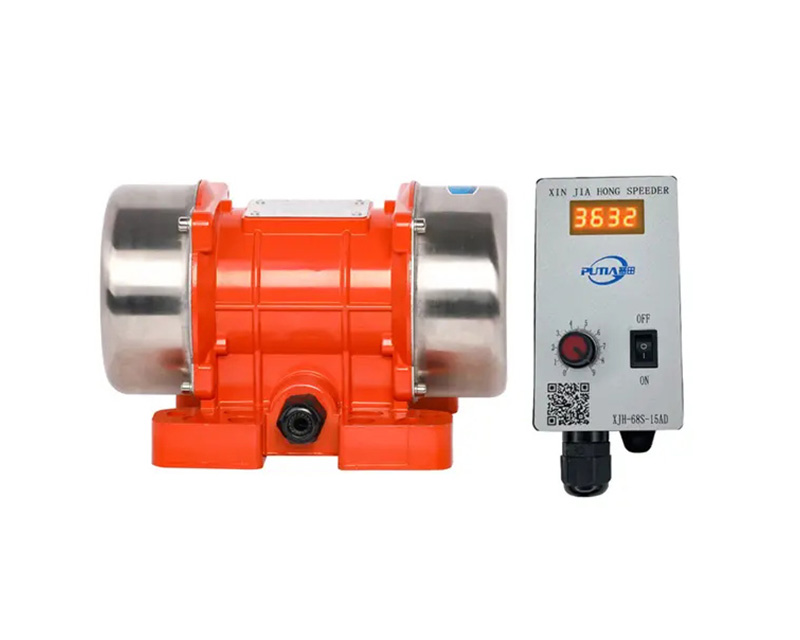
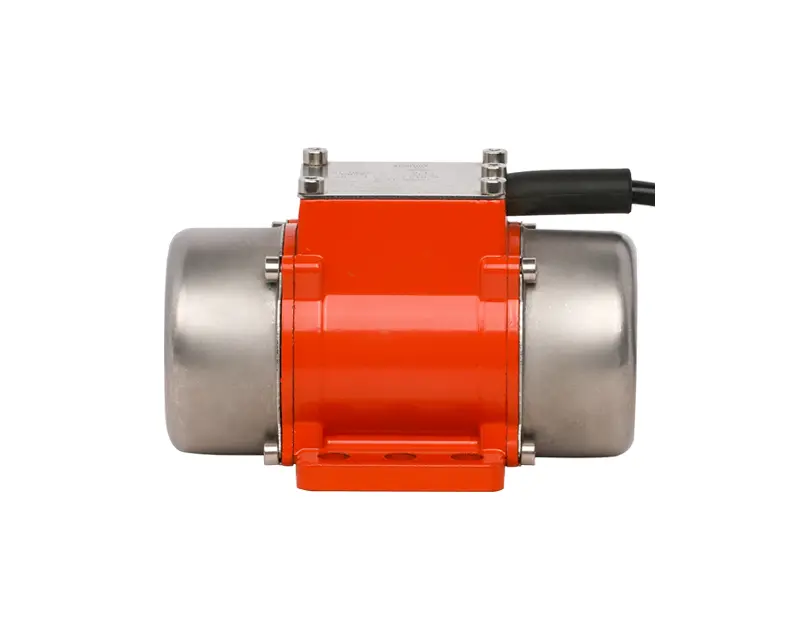
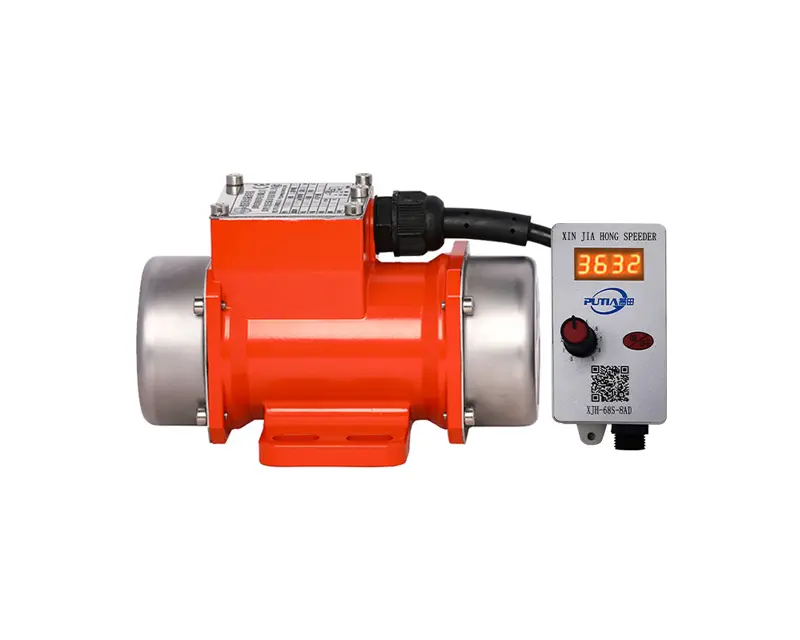
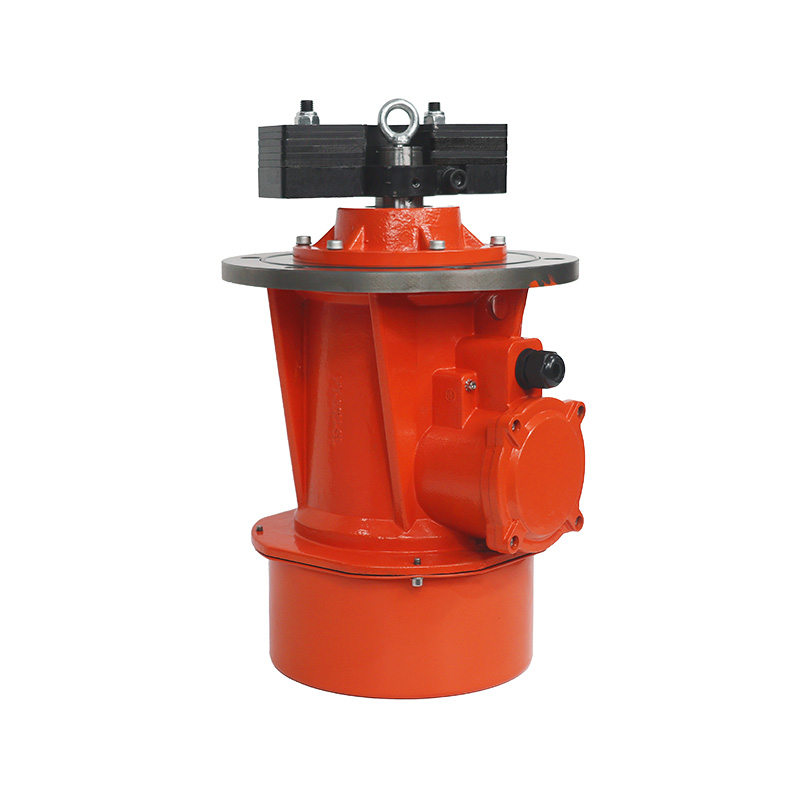
A maintenance supervisor recently asked: “How to prevent bearing failure in industrial vibrators used in harsh conditions?” This question emerged from a dust collector manufacturer’s internal review after repeated vibrator breakdowns on silica sand conveyors. For any industrial vibration machine operating in cement, foundry, or mining environments, dust ingress is the number one bearing killer. Similarly, a vibration motor for industrial application that lacks proper sealing will fail within weeks when mounted on a crusher feed chute. Shenzhen Putian Vibration Motor Co., Ltd. examined three real-world dusty sites to identify what works and what fails.
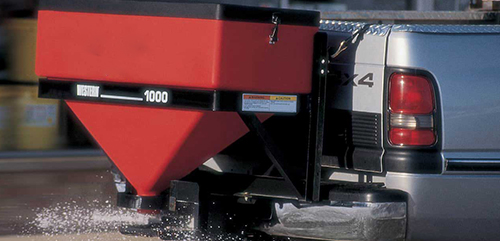
Site 1: Coal screening plant
Problem: Two vibrators failed every month. Bearings showed brown, caked dust inside.
Root cause: The standard lip seals allowed fine coal dust (under 50 microns) to migrate into the bearing cavity.
Fix: Replaced with vibrators featuring triple labyrinth seals plus a purge port. Operators injected a small amount of clean grease daily to push dust outward.
Result: Bearing life increased from 200 hours to over 1,500 hours.
Site 2: Recycled concrete crushing line
Problem: An industrial vibration machine on the prescreen stopped vibrating after only three shifts. Dismantling revealed that dust had hardened into a paste mixed with leaked grease.
Root cause: The operator used a high-speed impact wrench to tighten the eccentric cover, cracking the seal groove.
Fix: Changed assembly procedure to torque wrench only. Added a rubber boot over the seal area.
Result: No dust-related failures for six months.
Site 3: Fertilizer blending tower
Problem: A vibration motor for industrial application on a bin activator showed corrosion under the seal lip, not just dust.
Root cause: Hygroscopic dust (fertilizer) absorbed moisture from humid air, forming an acidic paste.
Fix: Switched to stainless steel shaft sleeves and Viton seals instead of standard nitrile.
Result: Seal life tripled.
What users should check on dusty sites
Ingress Protection (IP) rating: Look for IP66 minimum. IP67 allows temporary immersion but requires stronger housing.
Shaft material: Chrome-plated or stainless steel shafts resist pitting from abrasive dust.
Grease compatibility: Some dust reacts with lithium grease to form grinding compound. Use synthetic grease for chemical-laden dust.
Common mistake
Many users install an industrial vibration machine and assume the factory-fitted seals are enough. One forum post described how the operator added external dust covers made from old conveyor belt – this trapped dust against the seal, making things worse. A better approach is positive pressure: connect a small compressed air line to the breather port to keep dust out.
Practical dust test you can do
Place a white cloth under the vibrator’s seal area. Run the machine for one hour in your dusty environment. Remove the cloth and examine:
No dust line → seals working well
Fine dust ring → minor ingress, monitor weekly
Heavy dust accumulation → seal failure imminent
Recommendation from field data
Shenzhen Putian Vibration Motor Co., Ltd. advises ordering vibrators with extended bearing housings for very dusty sites. The longer distance between seal and bearing gives dust more chance to fall out before reaching the bearing. Also, avoid washing down the vibrator with high-pressure water – water pushes dust deeper into seals.
Dust should settle on the housing but not inside it. If the outside is spotless, someone is wiping it – that means dust has already entered during the cleaning process.” His team stopped wiping and started blowing with low-pressure air, cutting bearing failures by half.
Mobile
Products
Contact Us
- Address: No.6 Building, Wanfeng 98 Industrial City, Shajing Street, Baoan District, Shenzhen, Guangdong, China.
- Phone: +86-18923719730 / +86-0755-27460501
- Fax: +86-0755-27460606
- E-mail: [email protected]
Copyright © Shenzhen Putian Vibration Motor Co., Ltd. All Rights Reserved.

