

 English
 русский
 Português
 عربى
عربى فارسی
فارسیIndustry News
 Home / News / Industry News / Method for Selecting Vibration Motors for Vibratory Conveying Equipment
 Method for Selecting Vibration Motors for Vibratory Conveying Equipment
 Dec-18-2025
 Industry News
Here is a concise, three-step method for selecting the appropriate vibration motor, focusing on key technical parameters:
1. Select Motor Speed (Poles) & Determine Amplitude
Vibratory conveyors typically use 4-pole or 6-pole vibration motors.
A 4-pole motor provides a standard amplitude of approximately 4 mm.
A 6-pole motor provides a standard amplitude of approximately 6 mm.
General Rule: A higher amplitude results in a faster conveying speed for the material.
2. Calculate Required Vibratory Force (Exciting Force)
Determine the total weight that needs to be vibrated. This includes:
The weight of all components above the springs (the conveyor trough/structure).
The weight of the material load on the conveyor.
The weight of the vibration motors themselves.
The total vibratory force required from the motor(s) should be approximately three times this calculated total weight.
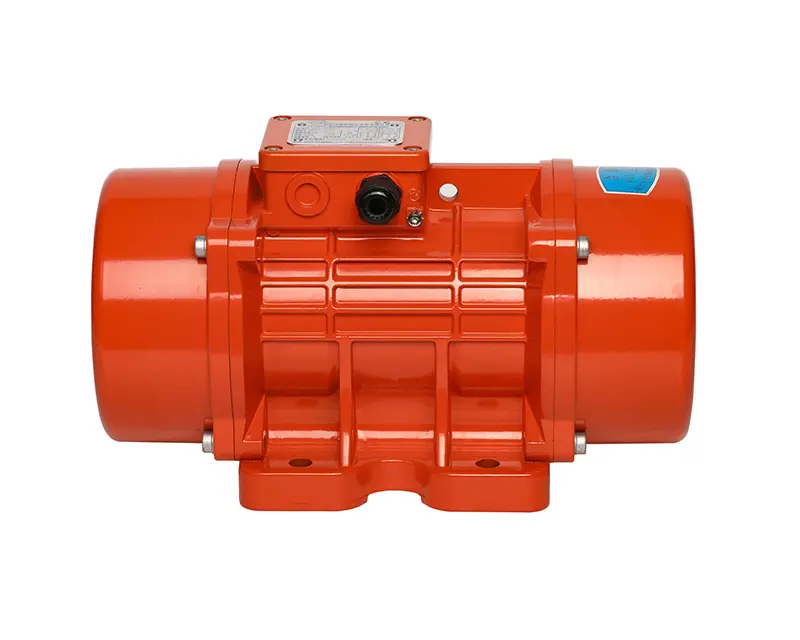
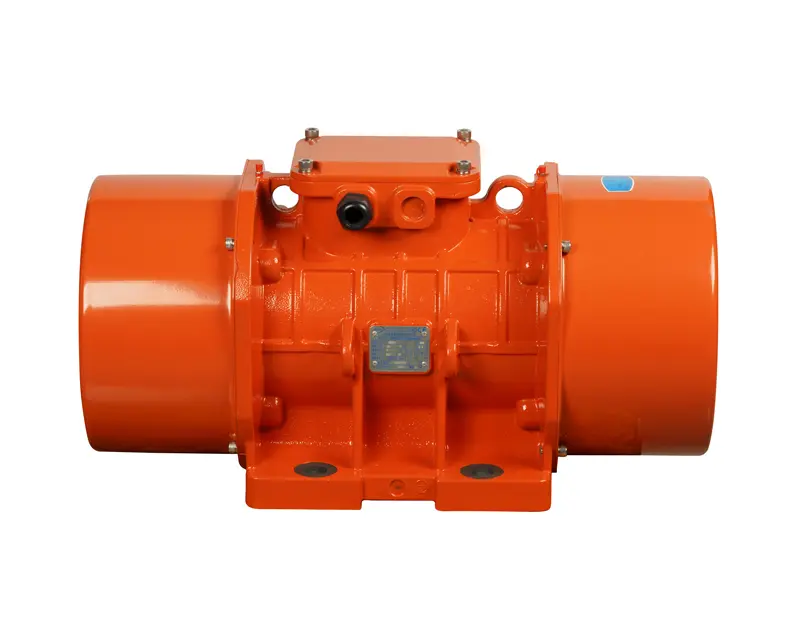
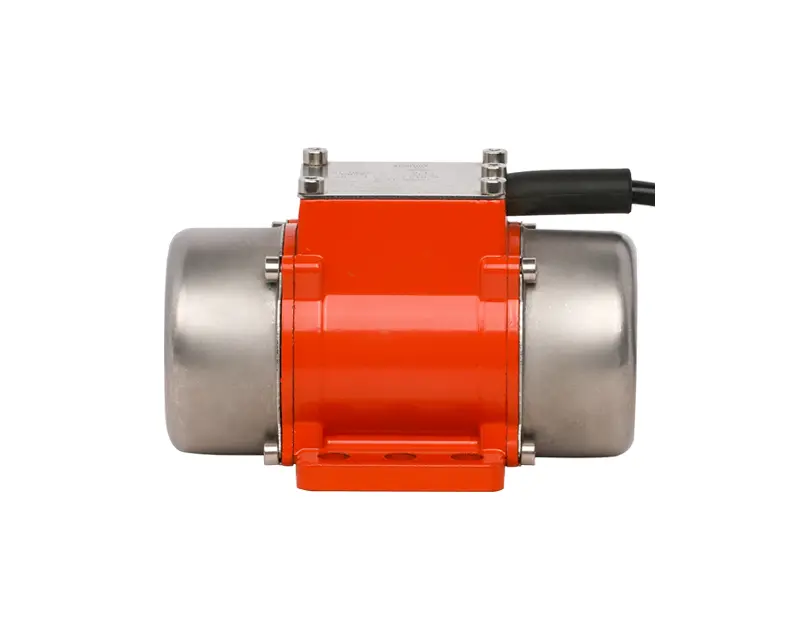
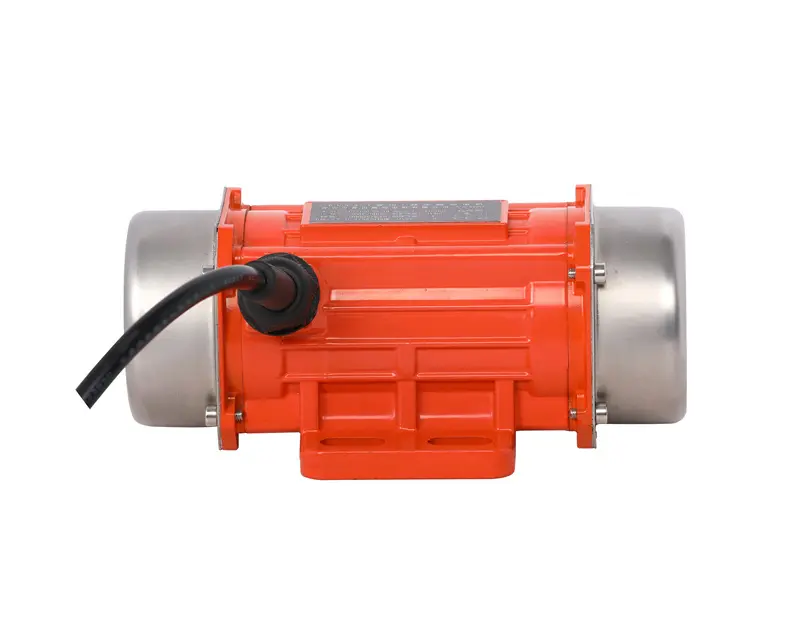
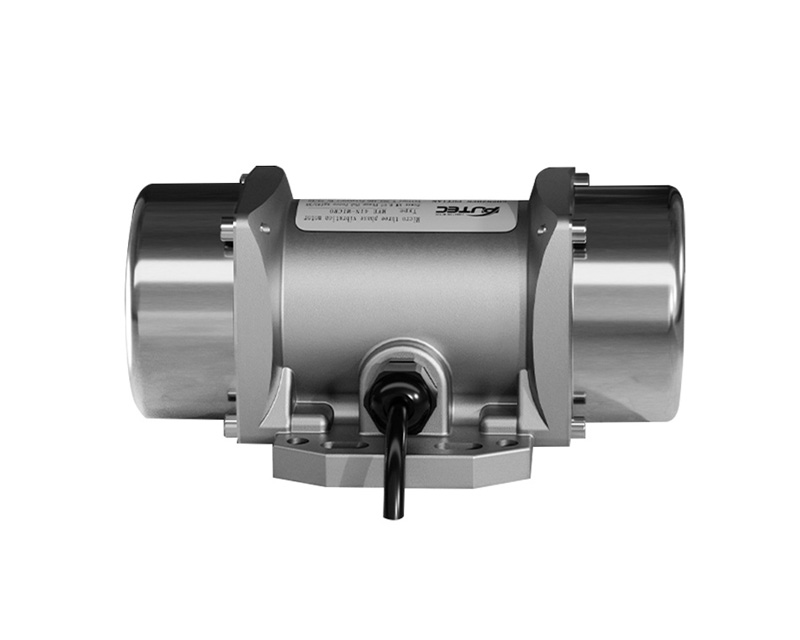
Example: If the combined weight is 100 kg, the required force of each vibration motor is about 300 kg-force . You could achieve this by selecting two motors like MVE 300/15 or MVE 300/1, determine to the conveying speed you need.
3. Determine the Optimal Motor Mounting Position
The installation position is critical for efficient energy transfer and stable operation:
Top-mounted: Install the motor at a distance of 1/3 of the conveyor length from the discharge end.
Side-mounted: Install the motor at the center point between the two spring sets supporting the conveyor.
Bottom-mounted: Install the motor at a distance of 1/3 of the conveyor length from the feed end.
Key Takeaway: By following these three steps—choosing the right speed/amplitude, correctly sizing the force, and installing in the proper position—you ensure efficient, reliable, and effective operation of your vibratory conveying system.
Mobile
Products
Contact Us
- Address: No.6 Building, Wanfeng 98 Industrial City, Shajing Street, Baoan District, Shenzhen, Guangdong, China.
- Phone: +86-18923719730 / +86-0755-27460501
- Fax: +86-0755-27460606
- E-mail: [email protected]
Copyright © Shenzhen Putian Vibration Motor Co., Ltd. All Rights Reserved.

