

 English
 русский
 Português
 عربى
عربى فارسی
فارسیIndustry News

Vibration Motor Supply Questions From Electronics Forums
 Jan-09-2026
 Industry News
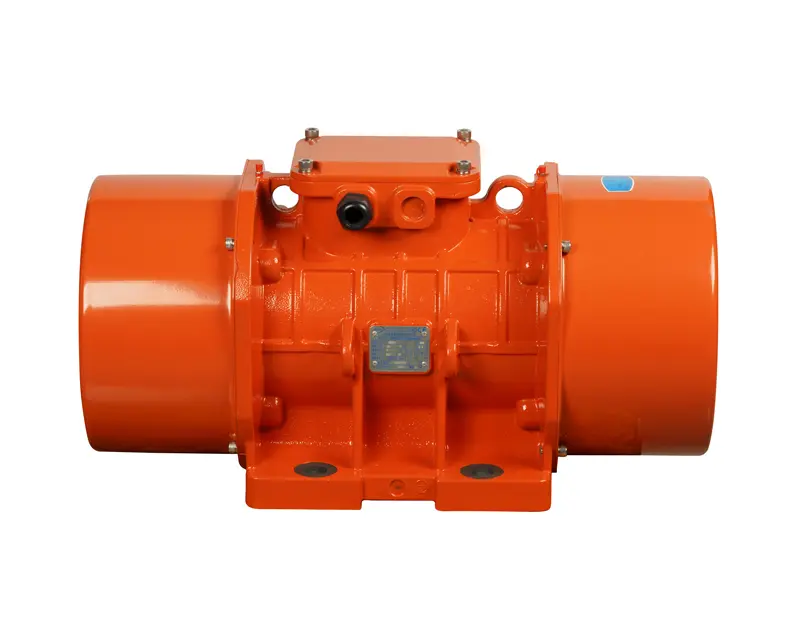
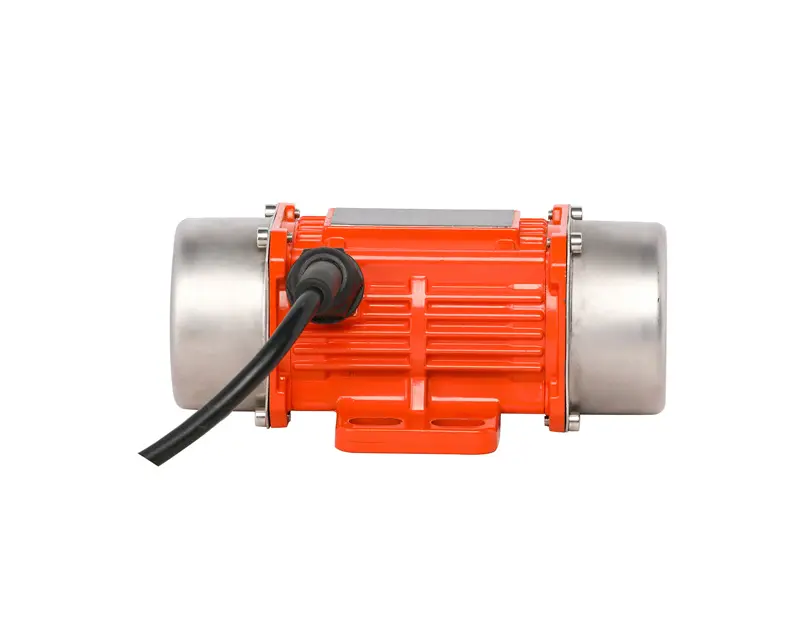
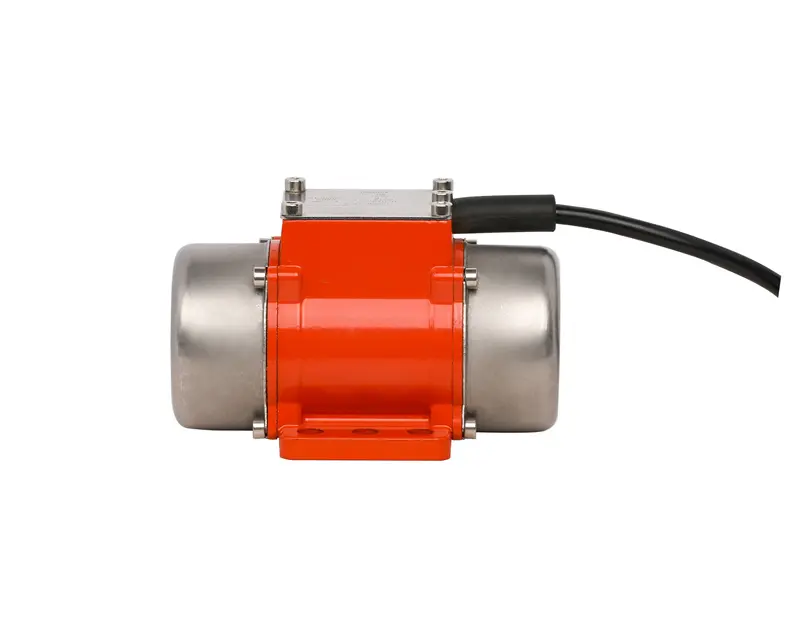
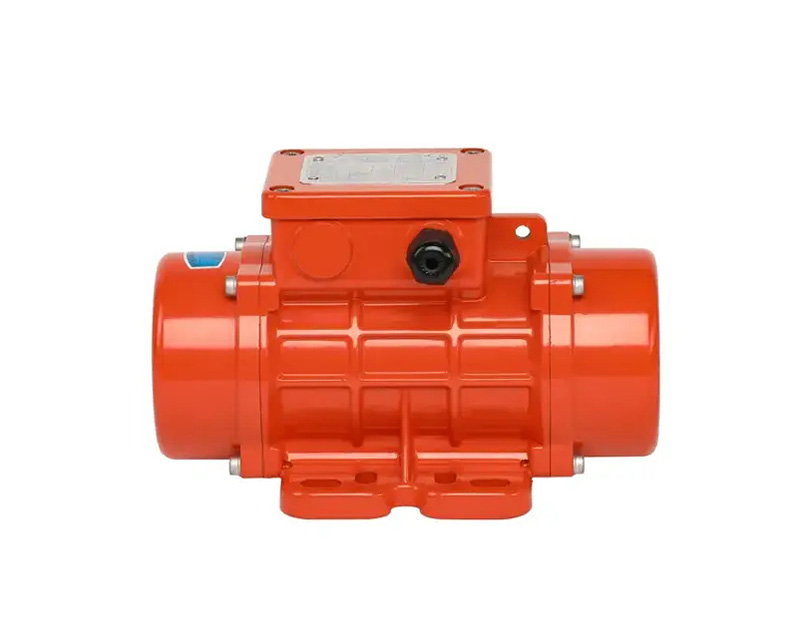
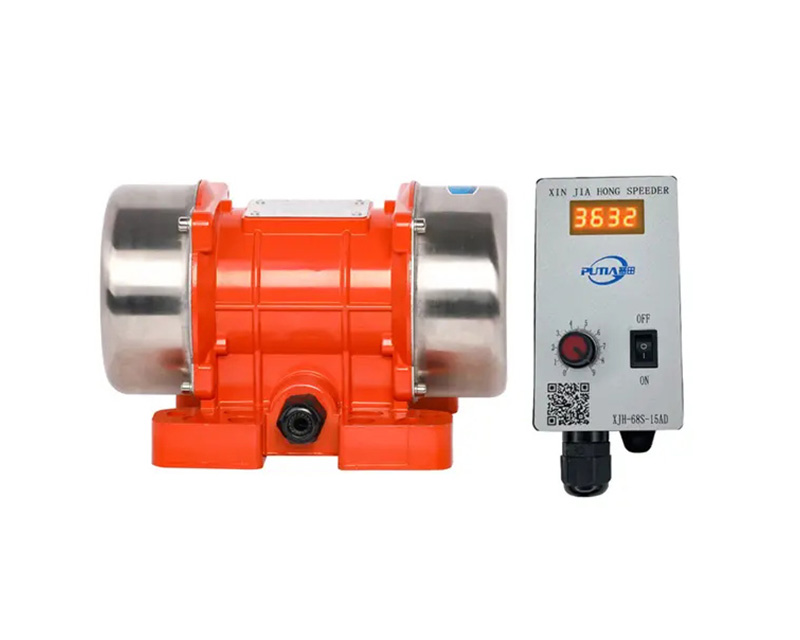
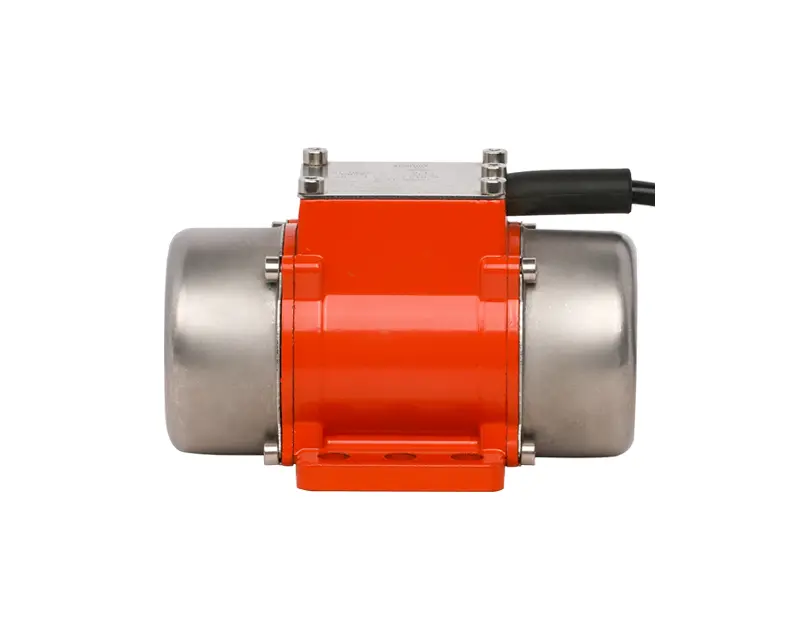
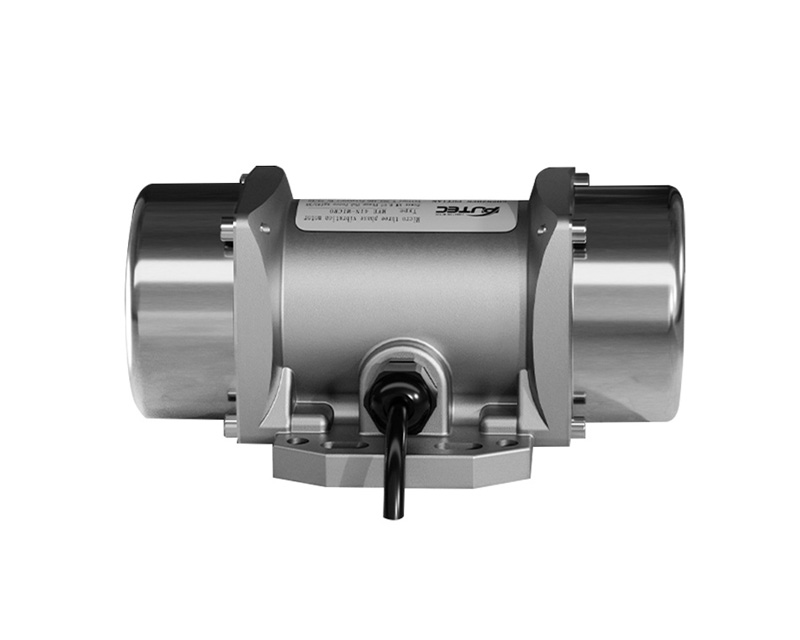
For users sourcing Wholesale Vibrator products or evaluating AC Vibration Motor options, understanding the common issues and how to troubleshoot them is essential. Proper installation, regular maintenance, and early detection of common faults help ensure equipment operates reliably in demanding industrial environments.
By proactively addressing concerns and building a maintenance plan into your operations, you don’t just fix problems — you prevent them from occurring in the initial place.
Understanding Why Faults Occur
A core reason users search for information about Wholesale Vibrator and AC Vibration Motor problems is the complexity of the systems in which these motors operate. Motors that power vibrators are subject to both electrical and mechanical stresses. Whether it’s overheating due to poor ventilation or vibration inconsistency caused by load imbalance, identifying the root problem is essential for long-term reliability.
One common set of issues arises from overheating and mechanical imbalance. Overheating can be triggered by environmental conditions or excessive load, causing insulation breakdown and premature failure. Bearings that are under-lubricated or contaminated can generate significant heat, reducing the motor’s effective life and increasing noise levels. Regular inspection of bearings and proper lubrication are basic yet crucial steps in preventive maintenance.
Troubleshooting Steps for Vibrations
When an AC vibration motor exhibits irregular movement, start by checking the simplest potential causes:
Loose Mounting Hardware – Vibration motors must be securely mounted to their base. Loose bolts or uneven mounting can create additional vibration that propagates throughout the machine frame. Tightening all mounting bolts and ensuring the base is level can often eliminate unusual movement.
Load Imbalance – Imbalanced mechanical loads cause motors to work harder and vibrate. These imbalances can stem from worn eccentric weights or misaligned attachments.
Electrical Supply Issues – Erratic voltage supply to an AC vibration motor can also cause unstable operation. Check that your power source is consistent and within the manufacturer’s specified voltage range.
Worn or Damaged Bearings – As bearings deteriorate, motors tend to produce grinding noises or exhibit uneven vibration. Inspecting bearings periodically helps catch these issues early and prevent more serious damage.
Paying close attention to these areas not only improves performance but also extends the lifespan of your equipment.
Practical Maintenance and Preventive Measures
Maintenance is a key topic among users looking for reliable Wholesale Vibrator and AC Vibration Motor products. Beyond troubleshooting, implementing a structured maintenance plan can significantly reduce the frequency of faults.
Here are practical maintenance steps to consider:
Visual Inspections – Regularly check for loose bolts, worn parts, and signs of overheating.
Routine Cleaning – Dirt, dust, and debris can interfere with ventilation and moving parts. Keeping motors clean helps maintain consistent performance.
Vibration Monitoring – Use vibration analysis tools to detect early signs of imbalance or deterioration. Vibration data can signal issues before they escalate.
Lubrication Management – Follow a schedule for bearing lubrication based on operating conditions and manufacturer recommendations. Proper lubrication reduces friction, heat, and wear.
Consistent preventive care helps maintain the efficient function of both standalone and integrated vibration systems.
Why Manufacturer Support Matters
Working with a trusted supplier like Shenzhen Putian Vibration Motor Co., Ltd. means more than just purchasing a Wholesale Vibrator or AC Vibration Motor — it also includes access to technical expertise and post-sale support. Knowledgeable support teams can help you verify whether a motor has been installed correctly, interpret diagnostic results, and provide guidance tailored to your application.
When issues do arise, having responsive support and detailed maintenance documentation empowers technicians to respond quickly and efficiently, reducing downtime and optimizing process performance.
Mobile
Products
Contact Us
- Address: No.6 Building, Wanfeng 98 Industrial City, Shajing Street, Baoan District, Shenzhen, Guangdong, China.
- Phone: +86-18923719730 / +86-0755-27460501
- Fax: +86-0755-27460606
- E-mail: [email protected]
Copyright © Shenzhen Putian Vibration Motor Co., Ltd. All Rights Reserved.

