

 English
 русский
 Português
 عربى
عربى فارسی
فارسیIndustry News

Choosing the Ideal DC Vibration Motor for Your Needs
 Jan-02-2026
 Industry News
Selecting the Correct DC vibration motor for your industrial or manufacturing application is essential for ensuring both efficiency and reliability. With so many options available, choosing the ideal vibration motor requires careful consideration of various factors such as motor specifications, vibration intensity, power requirements, and environmental conditions.
1. Understand the Application Requirements
Before selecting a DC vibration motor, it is important to fully understand the requirements of your application. Different industries and processes demand different types of vibrations, and the motor must be able to meet those needs.
Material Handling: If you're using a DC vibration motor for material handling applications such as vibrating conveyors, hoppers, or screens, the motor needs to produce consistent vibrations to prevent clogging or uneven flow of materials.
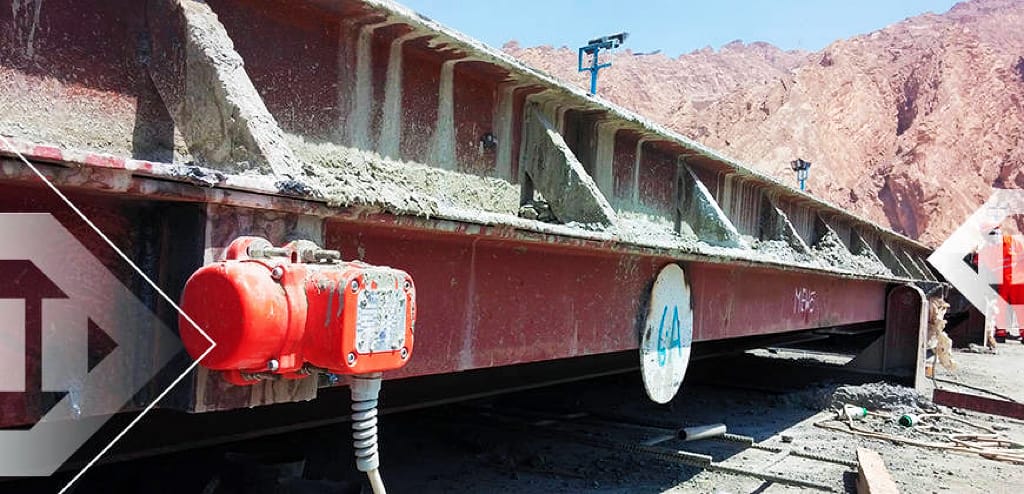
Concrete Compaction: For construction applications, such as concrete vibrators, DC vibration motors need to generate strong, consistent vibrations that ensure air pockets are removed from the mixture, improving its strength and durability.
Sifting and Sorting: In applications like food processing, where precise separation of particles or materials is necessary, a motor with finer control over vibration intensity and frequency is required.
2. Consider Vibration Intensity and Frequency
The primary function of a DC vibration motor is to generate vibration. Therefore, the motor’s vibration intensity and frequency are two of important factors to consider. Different materials and tasks will require different vibration intensities and frequencies.
Vibration Intensity: Depending on the material being processed, you will need to select a motor with the Correct vibration intensity. For bulk material handling, such as sand or gravel, a high-intensity motor may be necessary to keep the material flowing. However, for more delicate applications, such as food or pharmaceutical processing, a lower intensity vibration motor will be preferred.
Vibration Frequency: The frequency of the vibrations produced by the motor determines how fast the motor can cycle. Higher frequencies may be required for fine materials that need to be sifted or sorted quickly. On the other hand, lower frequencies are more suitable for heavy materials like concrete, which require slower, more intense vibrations for compaction.
3. Power Requirements
The motor's power supply and its ability to handle the demands of your application are crucial considerations. DC vibration motors generally consume less power than their AC counterparts, but they still require adequate power to perform well.
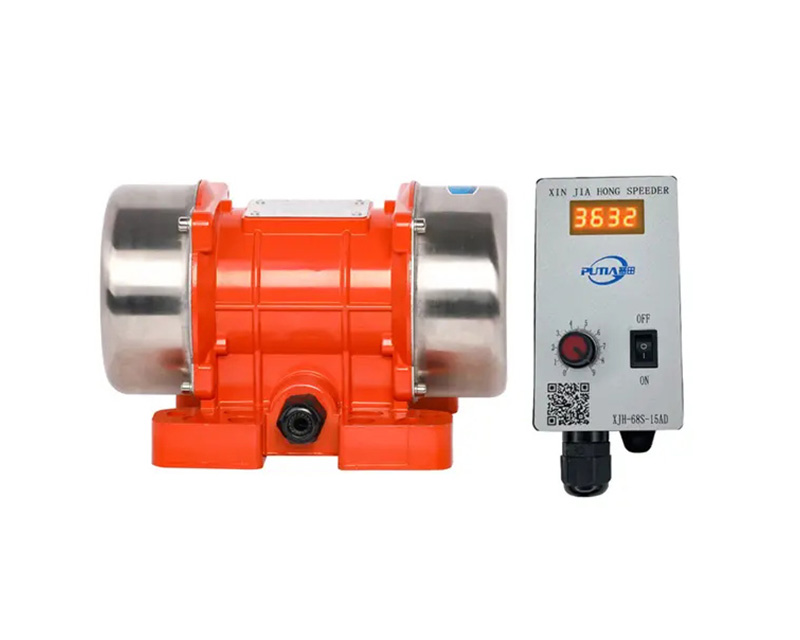
Voltage Requirements: DC vibration motors are available in a range of voltage options. It is important to match the voltage requirements of the motor to your available power supply. Higher voltage motors tend to provide higher vibration intensity, which is essential for heavy-duty applications, while lower voltage motors are sufficient for lighter applications.
Current and Efficiency: Consider the motor's current consumption and its efficiency. A more efficient motor consumes less energy while providing the same level of vibration. This is important for reducing energy costs and ensuring the motor’s longevity.
4. Motor Size and Integration
Space constraints and ease of integration should also be considered when selecting a DC vibration motor. The motor needs to be compact enough to fit within your existing system without disrupting the layout.
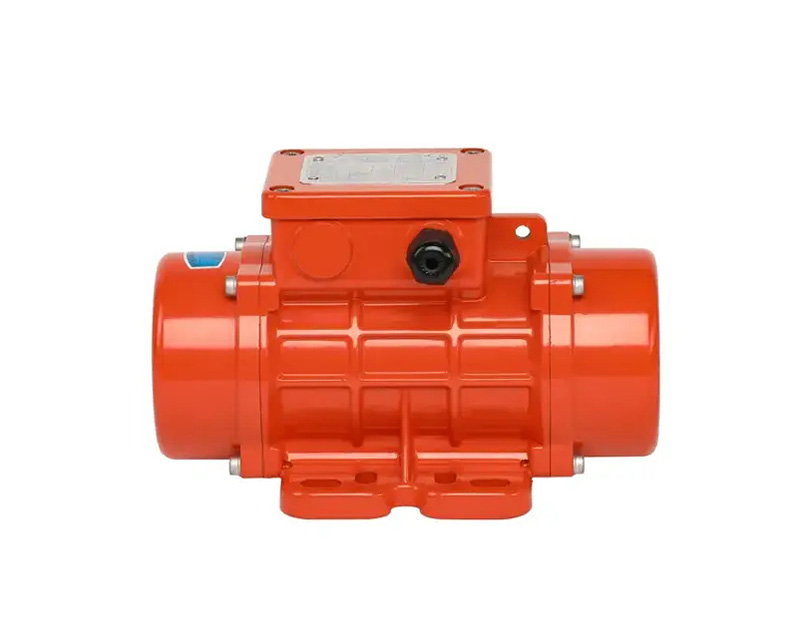
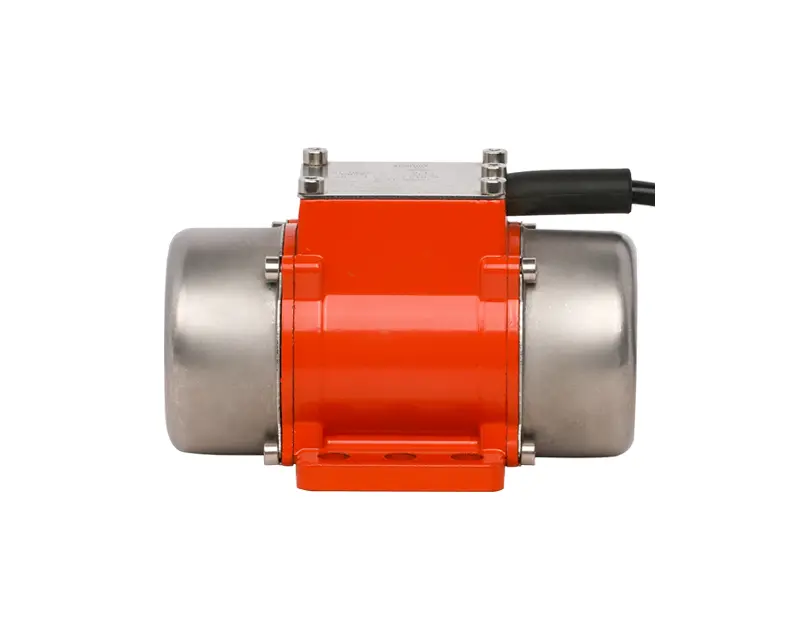
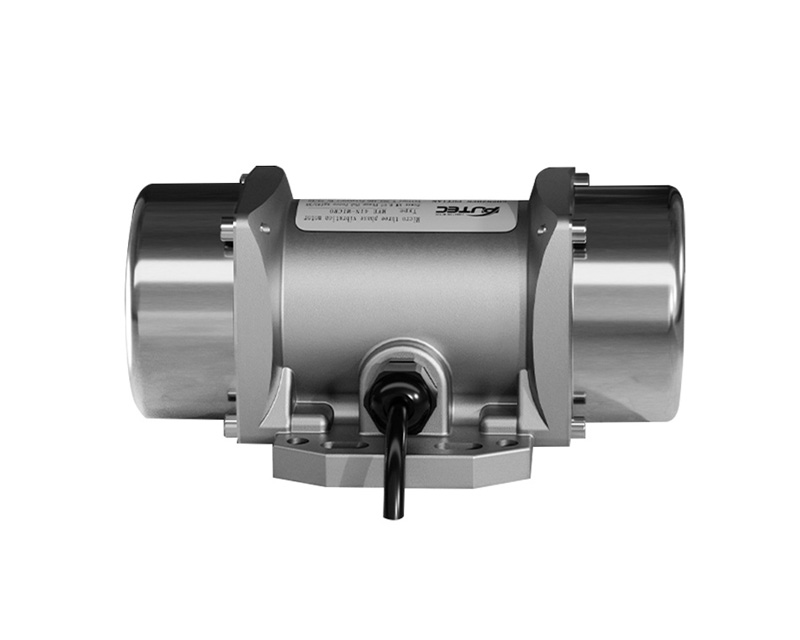
Compact Design: Many DC vibration motors are designed to be compact and lightweight, making them ideal for integration into confined spaces or smaller machines. The smaller the motor, the easier it will be to incorporate it into your equipment.
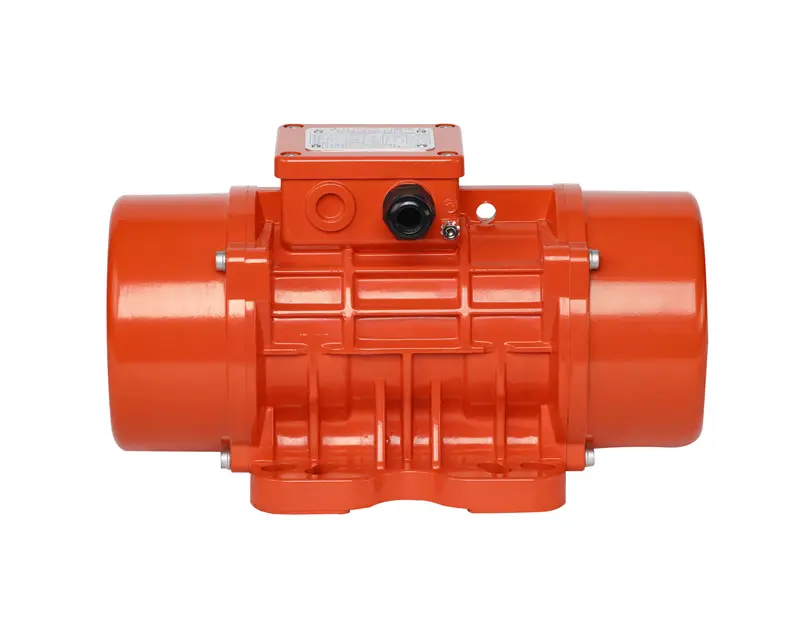
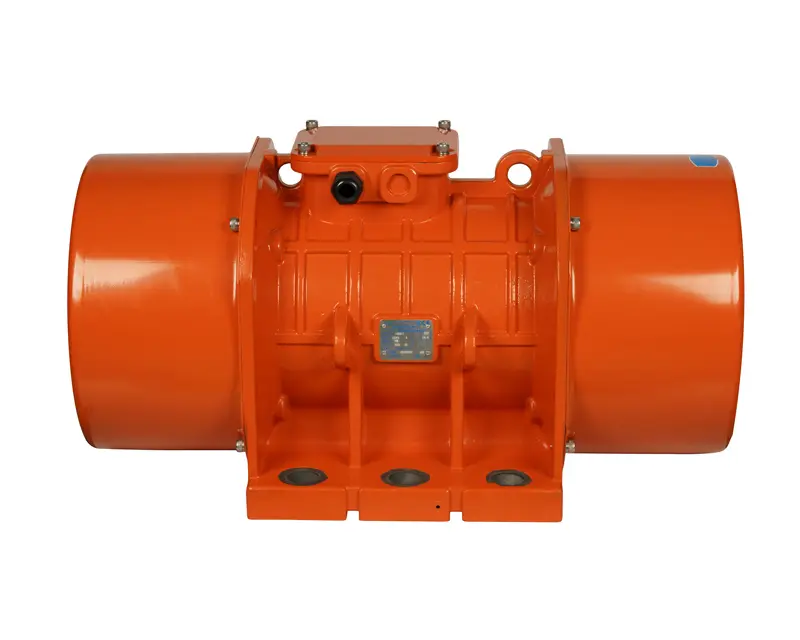
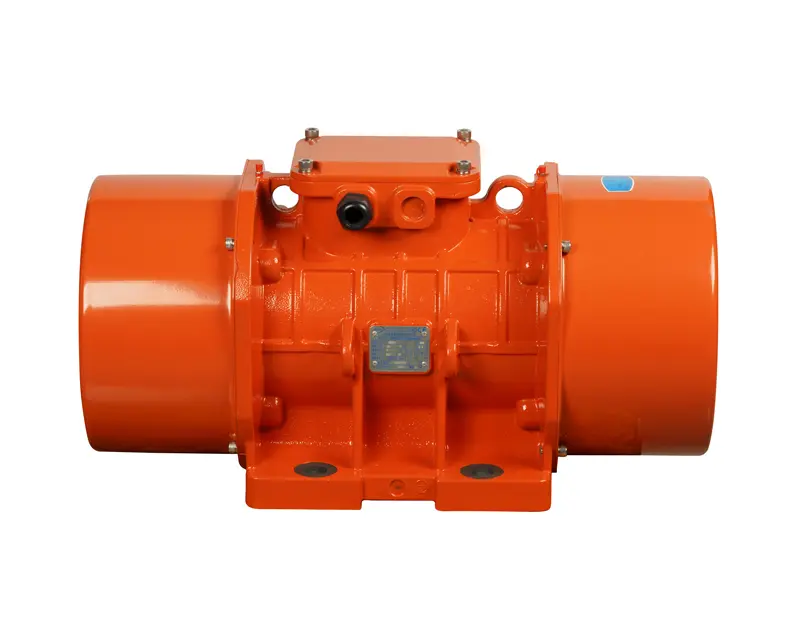
Mounting and Compatibility: Ensure that the motor you select is compatible with your existing mounting system and that it can easily be integrated into the machinery. Different motors have varying shaft sizes, mounting configurations, and connections that may require specific adjustments.
Mobile
Products
Contact Us
- Address: No.6 Building, Wanfeng 98 Industrial City, Shajing Street, Baoan District, Shenzhen, Guangdong, China.
- Phone: +86-18923719730 / +86-0755-27460501
- Fax: +86-0755-27460606
- E-mail: [email protected]
Copyright © Shenzhen Putian Vibration Motor Co., Ltd. All Rights Reserved.

