

 English
 русский
 Português
 عربى
عربى فارسی
فارسیIndustry News
 Home / News / Industry News / What Is Driving the Rapid Growth of Vibration Control Technology in Modern Industrial Systems?
 What Is Driving the Rapid Growth of Vibration Control Technology in Modern Industrial Systems?
 Jun-12-2026
 Industry News
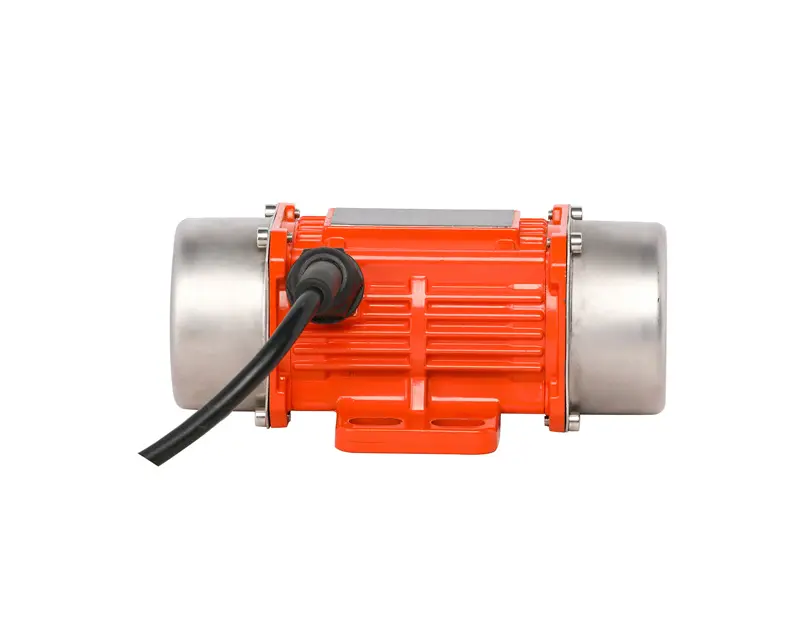
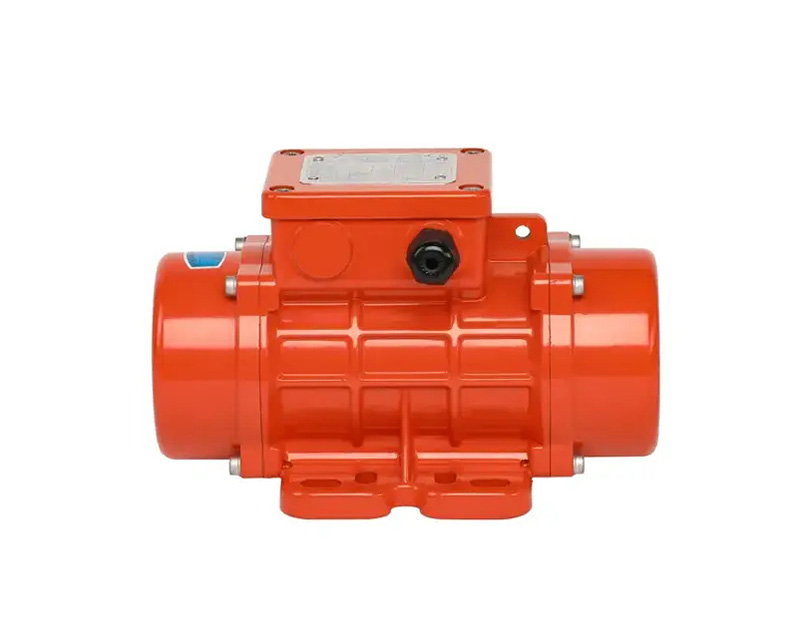
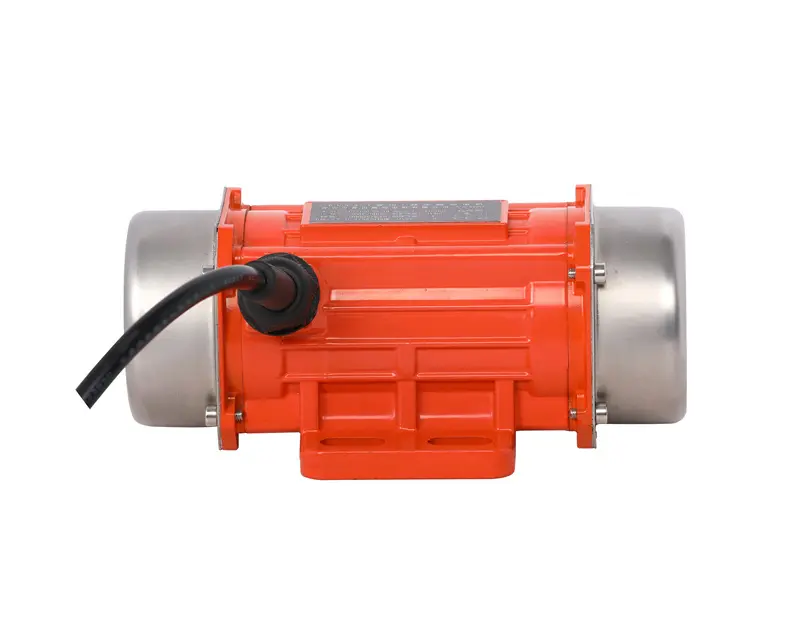
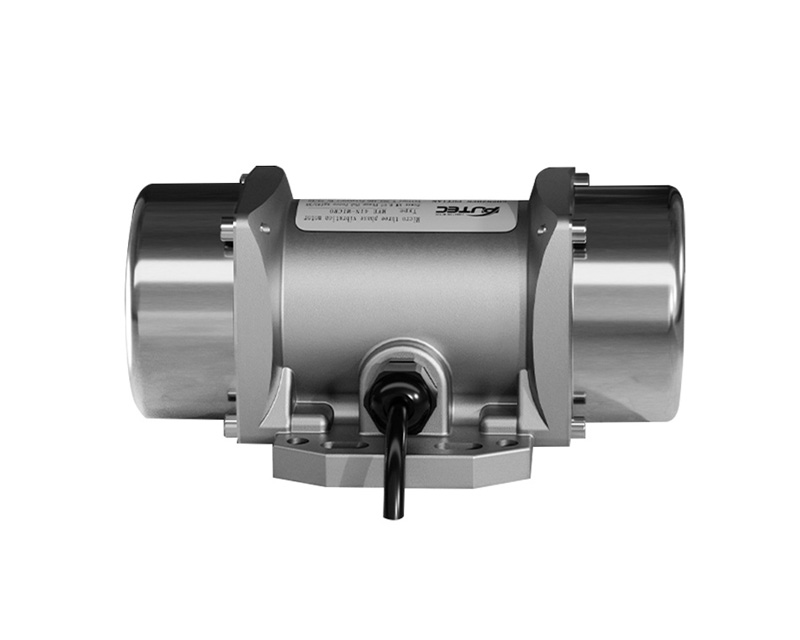
Across global manufacturing, logistics, mining, and automated production industries, vibration technology has become a key element in improving efficiency and process stability. From material feeding systems to screening equipment and automated packaging lines, engineers are focusing more on consistent performance and energy-efficient operation. In this context, the AC Vibration Motor is increasingly adopted by international buyers who require stable vibration force, reliable continuous operation, and durable industrial performance in demanding working environments.
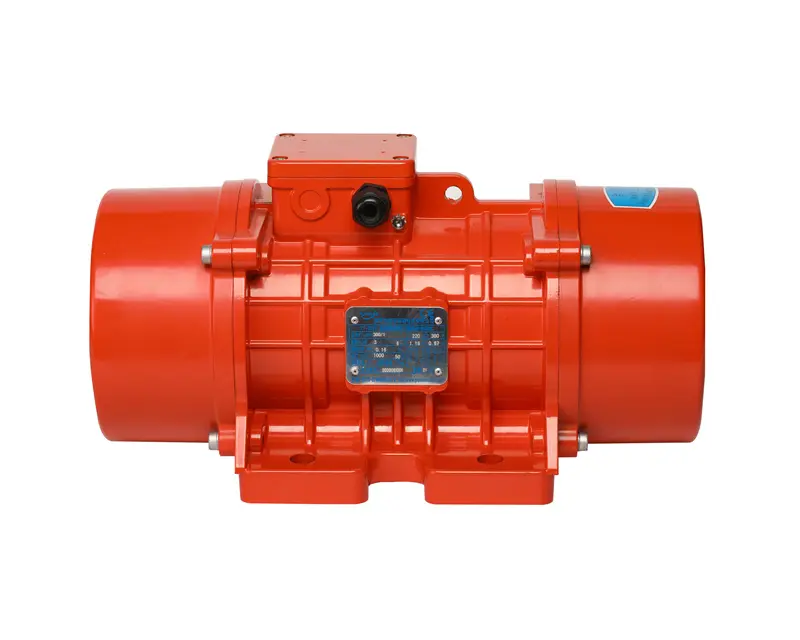
Increasing Demand for Automated Material Flow Systems
Modern factories are moving toward fully automated material handling processes to reduce labor dependency and improve production consistency. Vibration systems play an essential role in ensuring smooth and controlled material movement.
Common search trends include:
- AC vibration motor for feeder and hopper systems
- Industrial vibration motor for screening machines
- Electric vibration solution for material handling equipment
- Heavy duty vibration motor for automation lines
These search patterns reflect strong demand for stable and efficient automation components.
Why Consistent Vibration Output Matters in Production
In industrial applications, unstable vibration can advance to uneven material flow, reduced efficiency, and equipment wear. As a result, engineers are prioritizing vibration consistency and controllability.
Key technical concerns include:
- Stable vibration frequency under continuous load
- Uniform centrifugal force output
- Reduced imbalance during long operation cycles
- Predictable performance in high-volume production
These factors directly influence system reliability and output quality.
Energy Efficiency and Long-Term Operating Cost Control
With increasing energy costs worldwide, manufacturers are focusing on reducing power consumption while maintaining performance. Energy-efficient vibration systems are now a key procurement requirement.
Important considerations include:
- Optimized energy use during continuous operation
- Reduced heat generation in long duty cycles
- Stable output with lower power input
- Improved efficiency in automated production systems
These advantages support both sustainability and cost reduction strategies.
Durability Requirements in Harsh Industrial Environments
Vibration motors are often used in demanding environments such as mining, construction materials processing, and bulk material handling. Durability is therefore a critical factor in equipment selection.
Key expectations include:
- Long service life under continuous vibration
- Strong structural resistance to mechanical stress
- Stable bearing performance under heavy load
- Resistance to dust, moisture, and industrial wear
Reliable construction helps reduce downtime and maintenance costs.
Expanding Applications Across Multiple Industries
AC vibration systems are widely used across industries that require controlled vibration for efficient material processing and handling.
Key application areas include:
- Screening and sieving equipment
- Hopper and feeder systems
- Conveyor and sorting machines
- Mining and construction material processing
- Food and chemical production systems
This broad application range continues to support global market growth.
Integration With Modern Automated Control Systems
As industrial automation advances, vibration motors are increasingly expected to integrate with smart control systems. Flexibility and responsiveness are becoming important selection criteria.
Key integration features include:
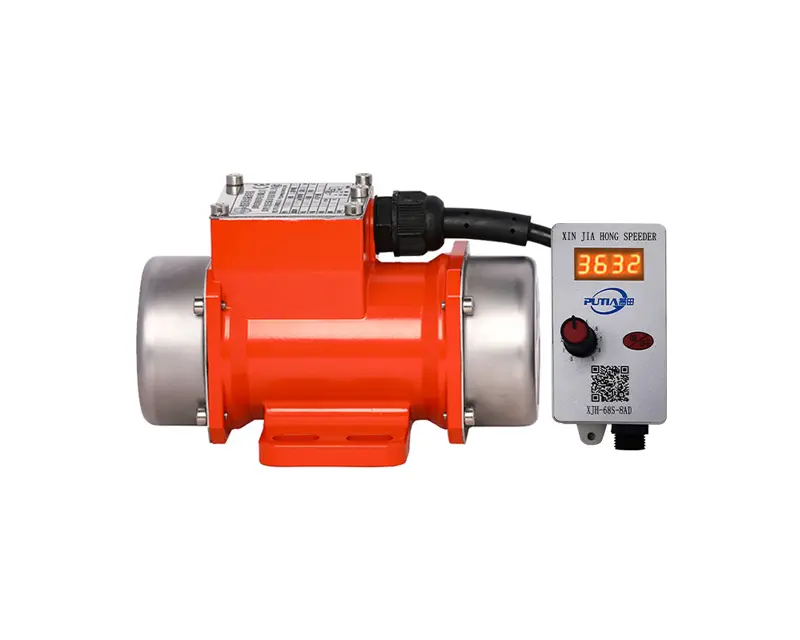
- Adjustable vibration intensity control
- Compatibility with PLC and automation systems
- Stable performance under variable load conditions
- Easy installation and system integration
These features help improve production efficiency and operational flexibility.
Future Outlook for Industrial Vibration Technology
As global industries continue shifting toward smarter, more efficient, and more automated production systems, demand for advanced vibration technology will continue to rise. Buyers are increasingly prioritizing long-term reliability, energy efficiency, and system compatibility over initial cost.
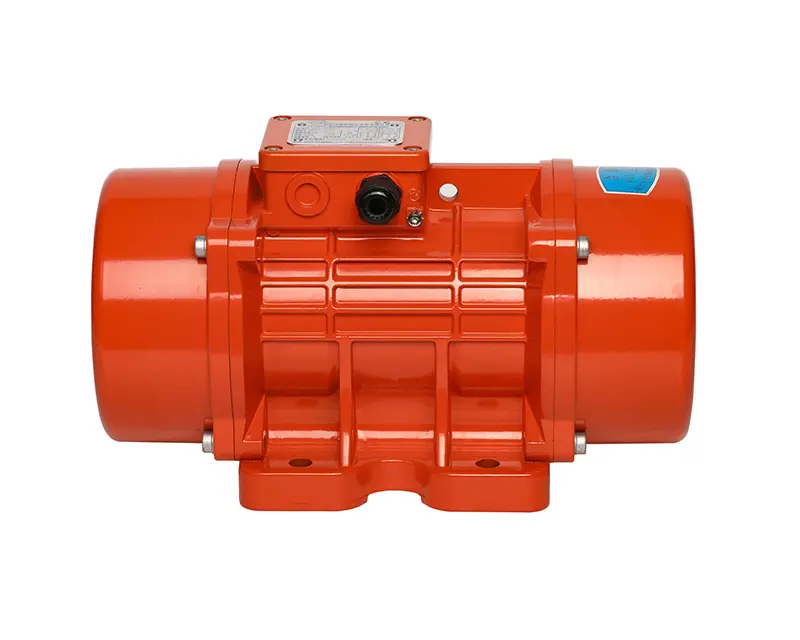
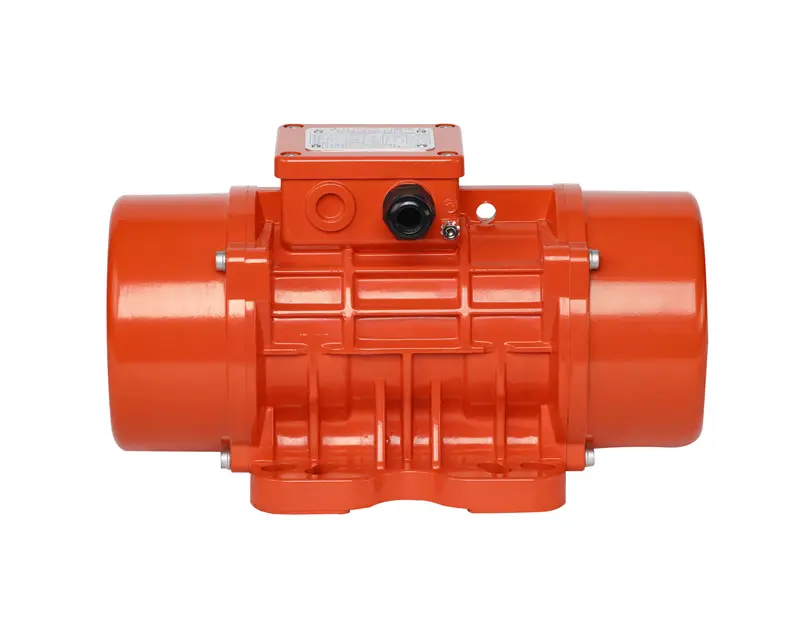
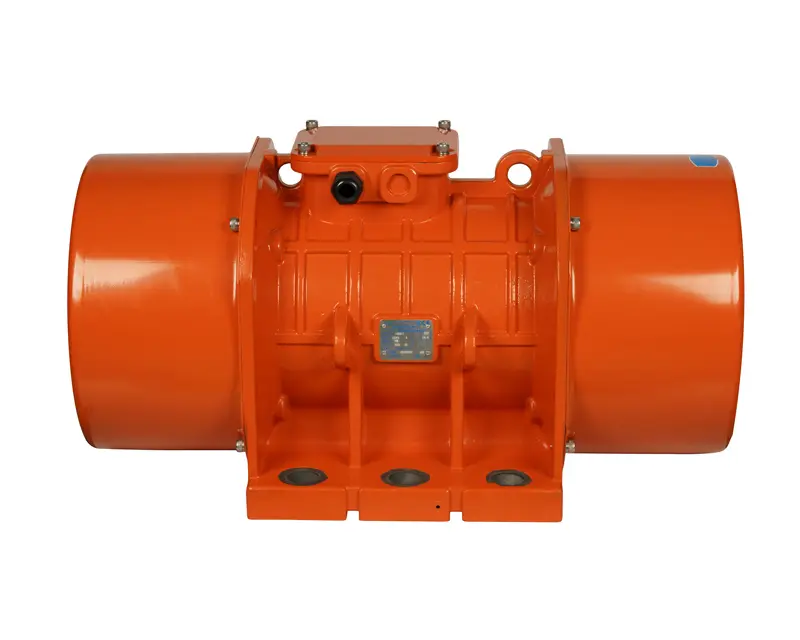
In this evolving industrial landscape, the AC Vibration Motor will continue to play a key role in supporting stable material handling, improving automation efficiency, and ensuring reliable performance across a wide range of industrial applications worldwide.
Mobile
Products
Contact Us
- Address: No.6 Building, Wanfeng 98 Industrial City, Shajing Street, Baoan District, Shenzhen, Guangdong, China.
- Phone: +86-18923719730 / +86-0755-27460501
- Fax: +86-0755-27460606
- E-mail: [email protected]
Copyright © Shenzhen Putian Vibration Motor Co., Ltd. All Rights Reserved.

