

 English
 русский
 Português
 عربى
عربى فارسی
فارسیIndustry News
 Home / News / Industry News / Why AC Vibration Motor Demand Is Increasing in Industrial Automation Systems
 Why AC Vibration Motor Demand Is Increasing in Industrial Automation Systems
 Jun-05-2026
 Industry News
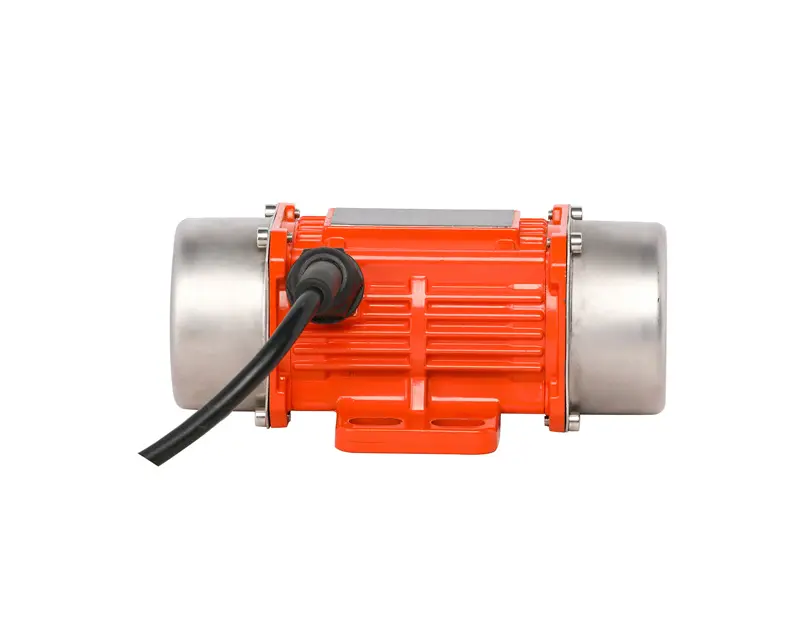
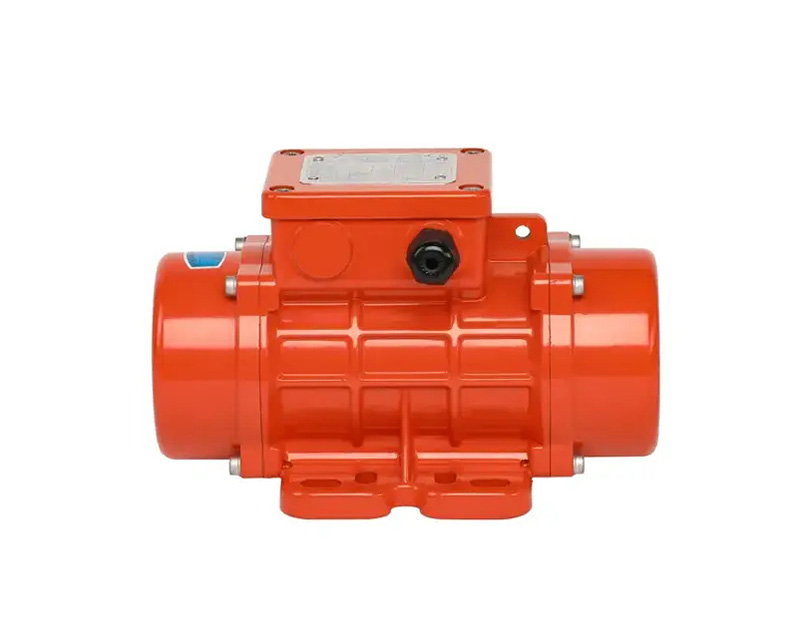
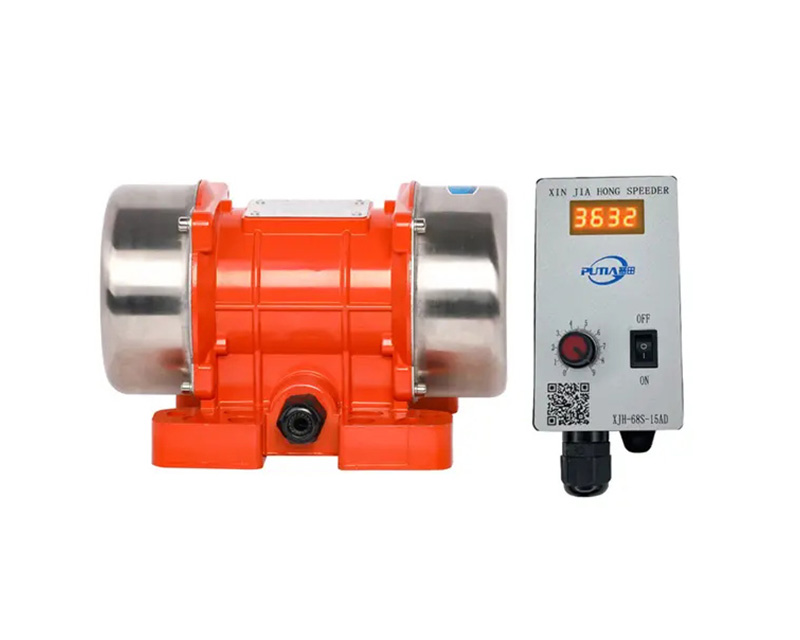
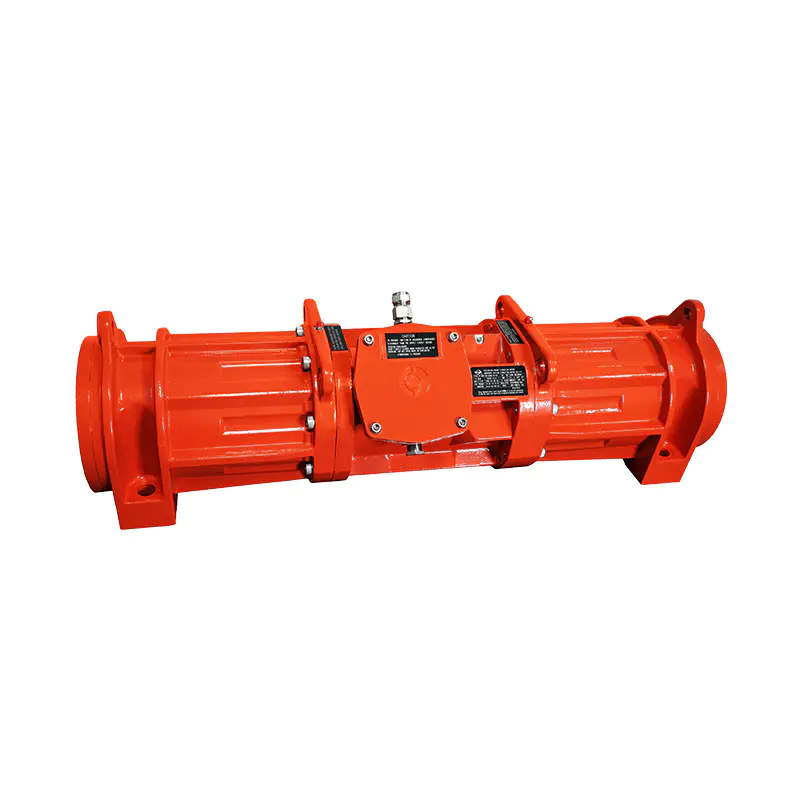
Across global manufacturing, mining, and bulk material handling industries, engineers are increasingly optimizing for stable vibration performance, energy efficiency, and long-term durability. As automation expands in 2025, search trends and procurement inquiries show growing attention toward reliable vibration solutions for feeders, screens, hoppers, and conveying systems. In this context, the AC Vibration Motor has become a core component for industrial equipment that requires controlled mechanical vibration to ensure consistent material flow and operational stability.
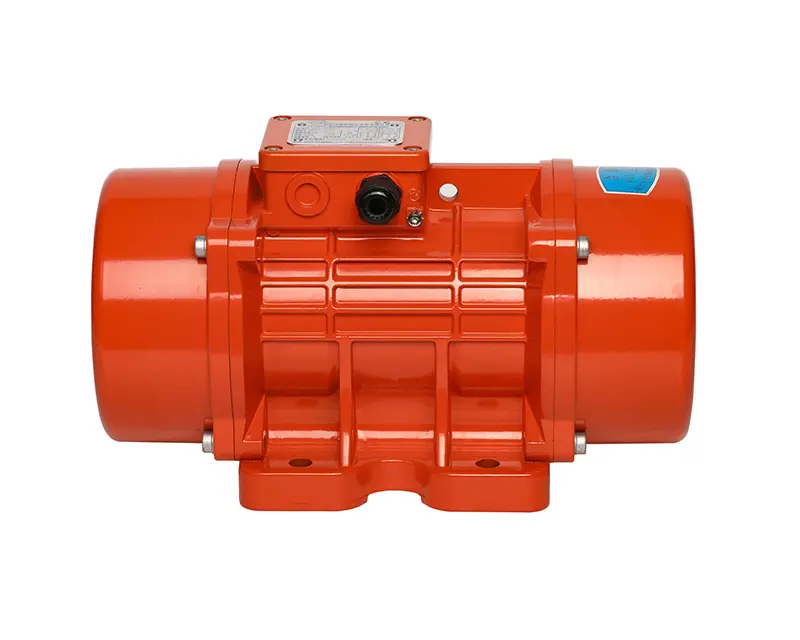
From cement plants in Europe to grain processing lines in Southeast Asia, buyers are no longer focusing only on price—they are evaluating performance curves, duty cycles, and maintenance life cycles before making purchasing decisions.
Growing Demand for Stable Material Flow in Bulk Handling Systems
One of the strongest drivers behind the increased adoption of vibration motors is the need to prevent material blockage and inconsistent discharge in bulk handling systems.
Industrial users are actively searching for solutions that improve performance in:
- Vibrating screens for mining and aggregates
- Hoppers and silos in cement and chemical plants
- Conveyor and feeder systems in production lines
- Sorting and compaction equipment
As research and field applications show, vibration motors help convert electrical energy into controlled mechanical vibration, ensuring smoother material movement and reducing downtime caused by clogging or uneven flow .
Energy Efficiency and Continuous Duty Performance Become Key Buying Criteria
Recent discussions among procurement engineers highlight a clear shift: buyers now prioritize continuous-duty reliability and energy efficiency over initial cost.
Modern industrial plants operate 24/7, which means vibration equipment must maintain stable output under long operating cycles without overheating or performance degradation. This is especially important in environments like mining and cement production, where downtime can significantly impact production output.
As a result, buyers increasingly evaluate:
- Motor efficiency under full load
- Thermal stability during continuous operation
- Voltage compatibility for global industrial standards
- Long-term vibration force consistency
- Equipment Reliability in Harsh Industrial Environments
Another major concern among industrial buyers is durability in challenging working conditions. AC vibration motors are often installed in environments exposed to:
- Dust and abrasive particles
- Moisture and humidity
- High temperature fluctuations
- Heavy mechanical load stress
Industrial-grade vibration motors are typically designed for robust operation in sectors such as chemical processing, metallurgy, and construction material production, where equipment reliability directly affects production stability .
This has pushed manufacturers to improve sealing systems, bearing life, and housing protection levels to meet modern industrial standards.
Adjustable Vibration Force for Process Optimization
Modern industrial systems require more flexibility than ever before. Different materials behave differently under vibration—fine powders, granules, and mixed aggregates all require customized vibration intensity.
Engineers are increasingly searching for AC vibration motor systems that allow:
- Adjustable eccentric weight configuration
- Flexible vibration force output
- Multi-directional vibration patterns
- Compatibility with different equipment sizes
This adaptability helps factories fine-tune processes such as screening efficiency, feeding speed, and compaction quality without replacing core equipment.
Maintenance Reduction and Lifecycle Cost Optimization
Maintenance efficiency has become a major purchasing factor in industrial procurement decisions. Many operators now calculate total lifecycle cost instead of focusing only on purchase price.
Key expectations include:
- Easy bearing replacement
- Reduced lubrication frequency
- Modular component design
- Lower vibration-induced wear on connected equipment
Reducing maintenance downtime is especially critical in industries like mining and bulk material handling, where production interruptions can quickly advance to significant operational losses.
Integration With Modern Automated Production Lines
With the rise of smart manufacturing and automated production systems, vibration motors are increasingly expected to integrate seamlessly into broader industrial control environments.
Modern systems often combine vibration equipment with:
- PLC-based automation control
- Real-time monitoring systems
- Smart sensors for flow detection
- Predictive maintenance platforms
This shift reflects a broader trend toward intelligent production lines where vibration systems are not standalone components but part of a connected industrial ecosystem.
Manufacturer Capability and Consistency Are Now Decisive Factors
As global supply chains become more competitive, buyers are paying closer attention to manufacturing consistency and engineering capability.
A reliable supplier of AC Vibration Motor solutions is expected to provide:
- Stable production quality across batches
- Verified performance testing data
- Material traceability and durability assurance
- Technical support for application-specific requirements
For industrial buyers, long-term reliability and engineering support are now just as important as mechanical specifications.
The increasing demand for vibration-driven industrial equipment is closely linked to global automation growth and the need for higher efficiency in material processing systems. From flow control to screening accuracy and system reliability, vibration technology continues to play a critical role in industrial operations.
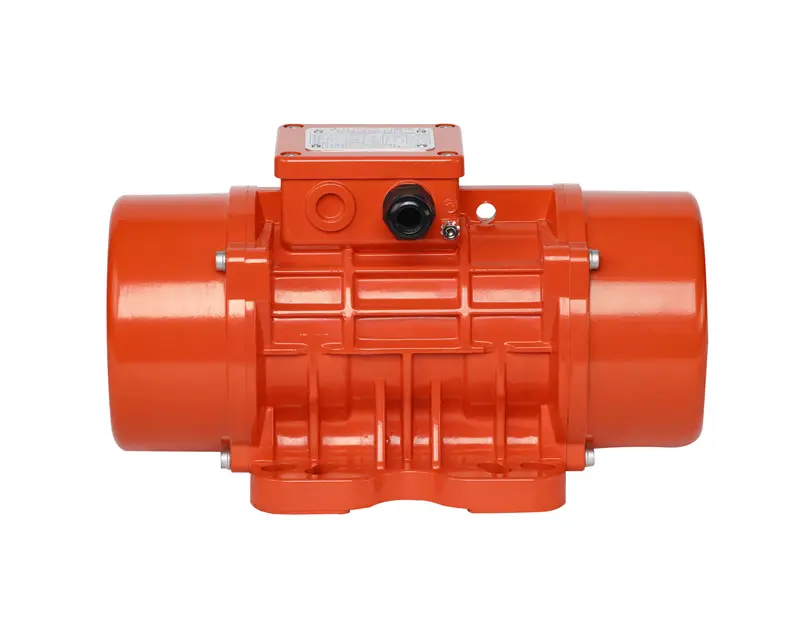
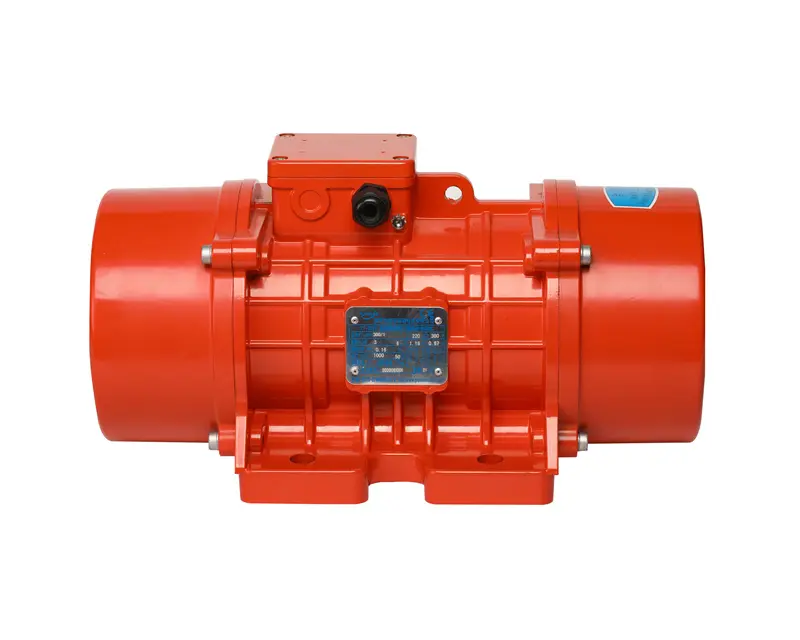
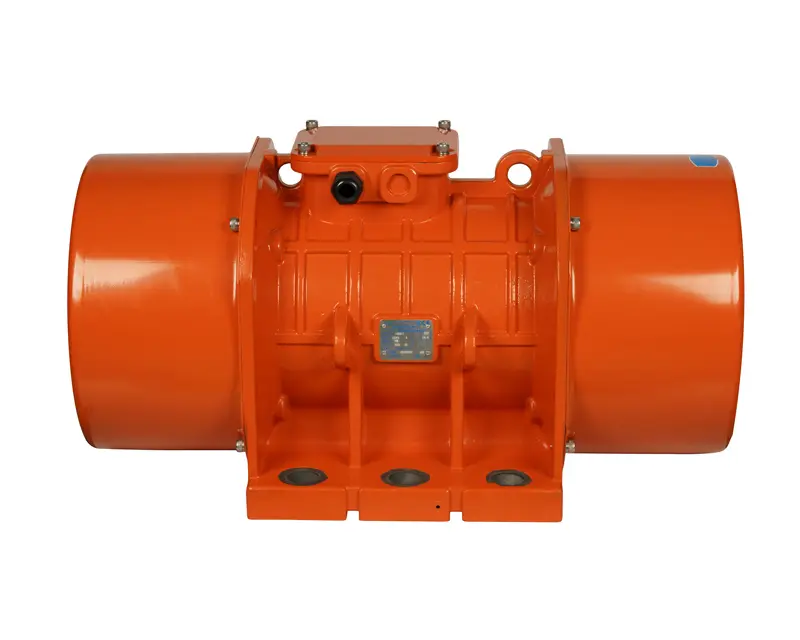
As industries continue to evolve toward smarter and more automated production environments, the AC Vibration Motor will remain a key component supporting stable, efficient, and continuous industrial performance.
Mobile
Products
Contact Us
- Address: No.6 Building, Wanfeng 98 Industrial City, Shajing Street, Baoan District, Shenzhen, Guangdong, China.
- Phone: +86-18923719730 / +86-0755-27460501
- Fax: +86-0755-27460606
- E-mail: [email protected]
Copyright © Shenzhen Putian Vibration Motor Co., Ltd. All Rights Reserved.

