

 English
 русский
 Português
 عربى
عربى فارسی
فارسیIndustry News
 Home / News / Industry News / Why Are Smart Factories Increasing Their Dependence on Precision Vibration Systems?
 Why Are Smart Factories Increasing Their Dependence on Precision Vibration Systems?
 Jun-19-2026
 Industry News
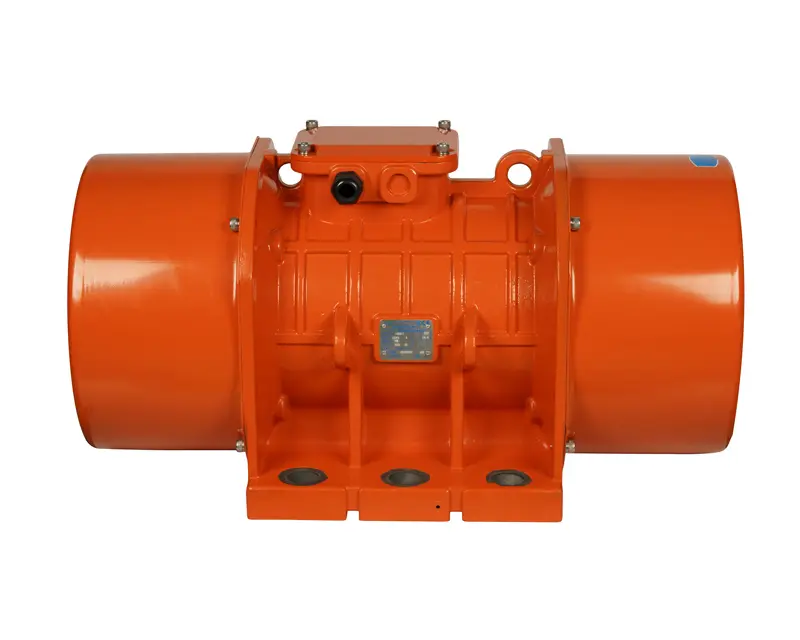
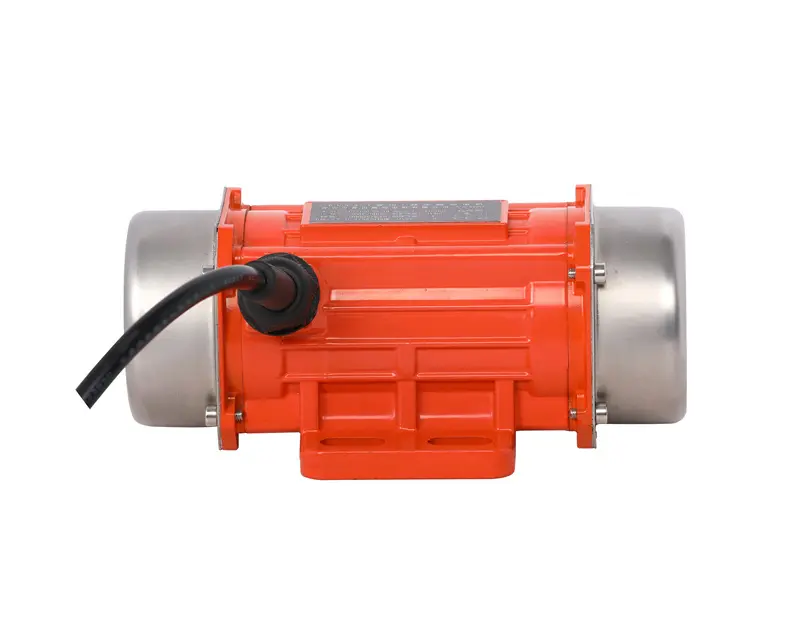
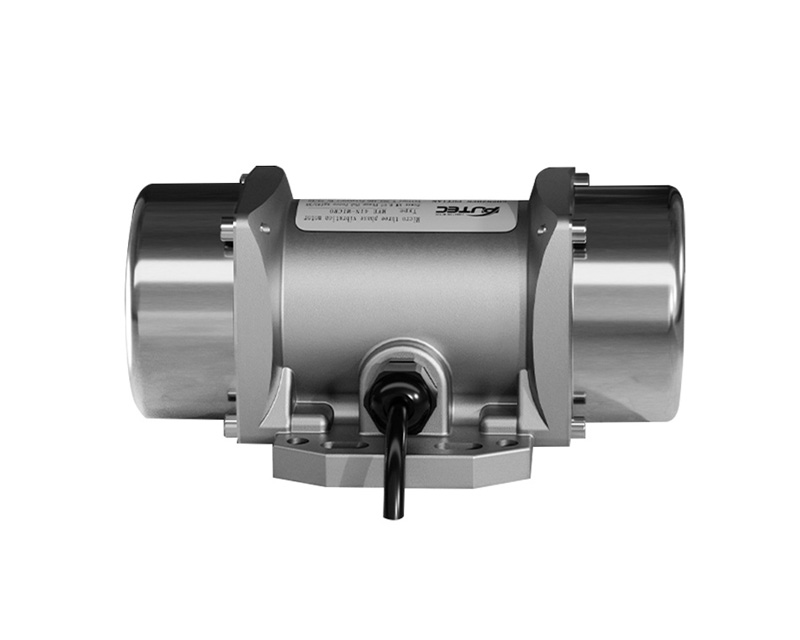
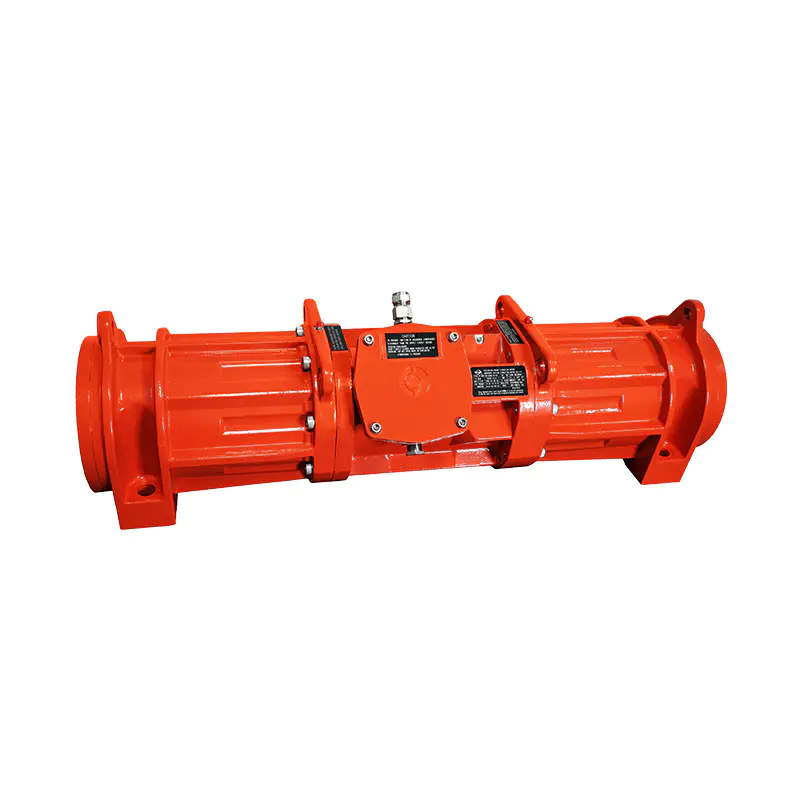
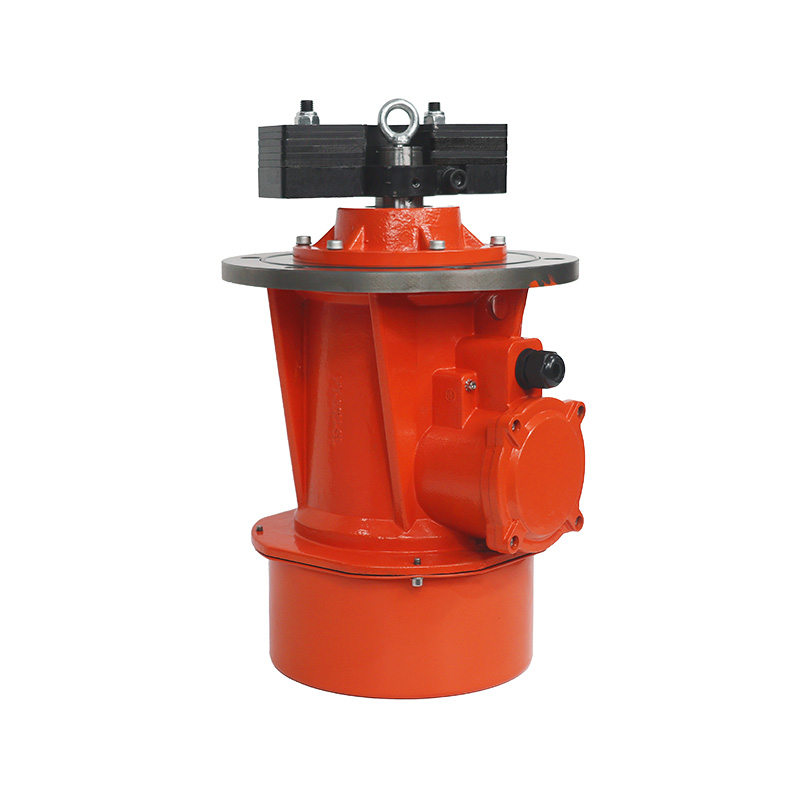
As global manufacturing continues to evolve toward higher automation levels and smarter production lines, equipment that improves material handling efficiency has become increasingly important. Industries such as mining, food processing, chemicals, and logistics are focusing on stable and controllable vibration systems to ensure consistent workflow performance. In this environment, the AC Vibration Motor is gaining attention from international buyers who require reliable vibration output, energy-efficient operation, and long-lasting durability for continuous industrial use.
Rising Demand for Stable Automation in Material Processing
Modern industrial systems are shifting toward fully automated material transport and processing. Vibration technology plays a central role in ensuring smooth material flow and reducing manual handling.
Common search trends include:
- Industrial AC vibration motor for feeder systems
- Heavy duty vibration motor for screening equipment
- Electric vibration motor for automated production lines
- Reliable vibration solution for bulk material handling
These search behaviors reflect growing demand for stable and efficient automation components.
Why Vibration Consistency Is a Key Performance Requirement
In industrial environments, inconsistent vibration can cause uneven material distribution, reduced efficiency, and increased equipment wear. As a result, stability is now a critical design factor.
Key engineering concerns include:
- Consistent vibration frequency under load changes
- Stable centrifugal force output during continuous operation
- Reduced mechanical imbalance and vibration drift
- Predictable performance in long production cycles
These factors directly impact productivity and system reliability.
Energy Efficiency and Sustainable Production Goals
With rising global energy costs and stricter environmental expectations, manufacturers are prioritizing energy-efficient equipment that supports long-term cost control.
Important considerations include:
- Reduced energy consumption during continuous operation
- Efficient heat management in long working cycles
- Stable performance with lower power input
- Optimized motor efficiency for industrial systems
These improvements help companies achieve both economic and sustainability goals.
Durability Requirements in Industrial Environments
Vibration motors are often exposed to harsh working conditions such as dust, heavy loads, and continuous operation. Durability is therefore a major factor in purchasing decisions.
Key expectations include:
- Long operational lifespan under heavy-duty use
- Strong mechanical structure and bearing stability
- Resistance to dust, moisture, and vibration fatigue
- Reduced maintenance frequency and downtime
Reliable equipment design improves production stability and reduces operational risks.
Expanding Industrial Applications Across Global Markets
AC vibration systems are widely used across multiple industries where controlled vibration is essential for efficient material handling and processing.
Key application areas include:
- Mining and mineral processing systems
- Construction material handling equipment
- Food and chemical processing lines
- Conveyor and sorting automation systems
- Packaging and bulk material industries
This wide application scope continues to support strong global demand.
Integration With Smart Manufacturing Systems
As factories become more digitally connected, vibration motors must integrate smoothly with automation and control systems. Flexibility and responsiveness are becoming essential requirements.
Key system features include:
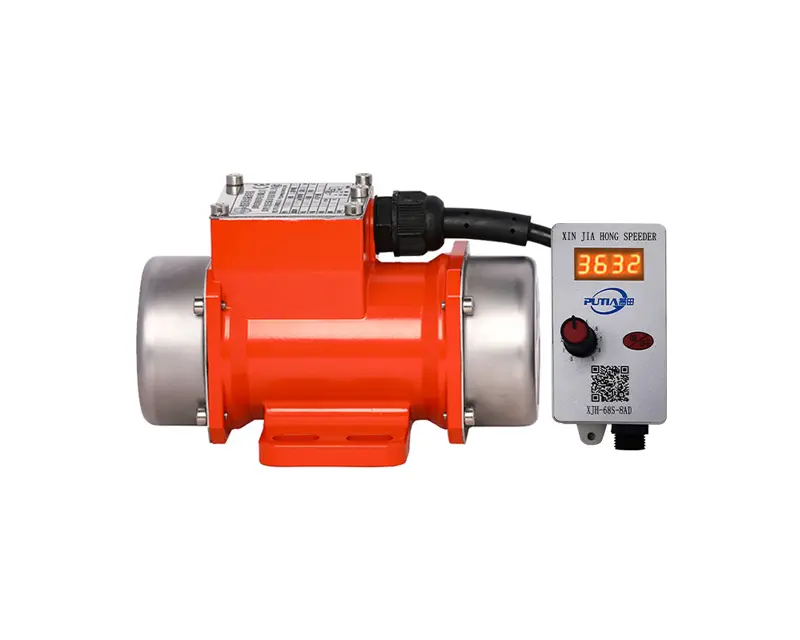
- Adjustable vibration intensity control
- PLC and automation system compatibility
- Stable operation under variable load conditions
- Easy installation and system integration
These features support efficient and flexible production environments.
Future Outlook for Industrial Vibration Technology
As industrial automation continues to expand globally, demand for more precise, durable, and energy-efficient vibration systems will continue to increase. Buyers are placing greater emphasis on long-term reliability, system integration capability, and operational efficiency.
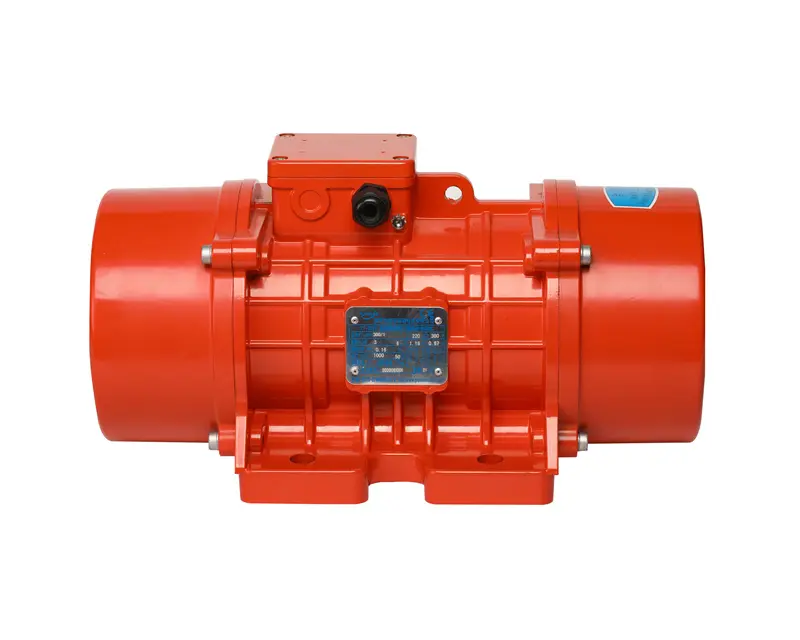
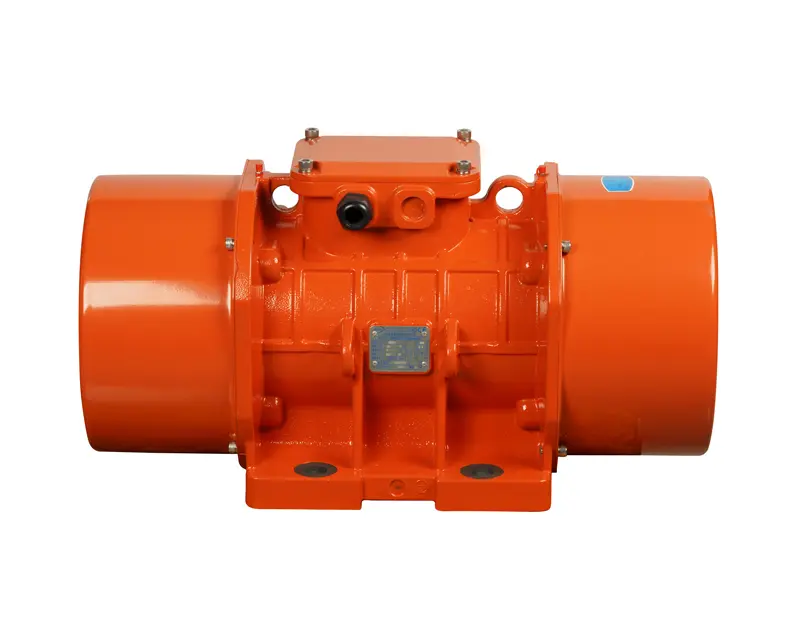
In this evolving industrial landscape, the AC Vibration Motor will remain a core component in supporting stable material flow, improving automation efficiency, and enhancing productivity across modern manufacturing and processing industries worldwide.
Mobile
Products
Contact Us
- Address: No.6 Building, Wanfeng 98 Industrial City, Shajing Street, Baoan District, Shenzhen, Guangdong, China.
- Phone: +86-18923719730 / +86-0755-27460501
- Fax: +86-0755-27460606
- E-mail: [email protected]
Copyright © Shenzhen Putian Vibration Motor Co., Ltd. All Rights Reserved.

