

 English
 русский
 Português
 عربى
عربى فارسی
فارسیIndustry News

What Maintenance Does a Vibrator Motor Need
 Feb-26-2026
 Industry News
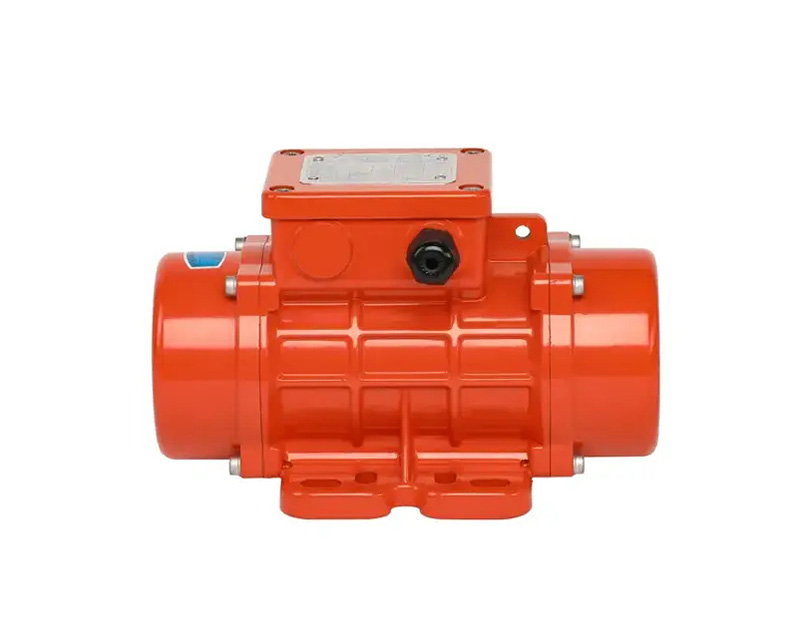
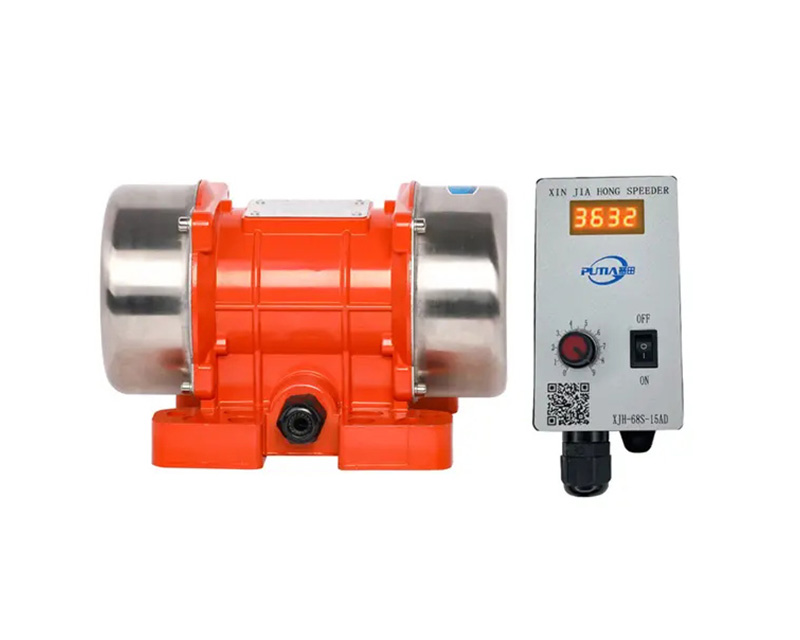
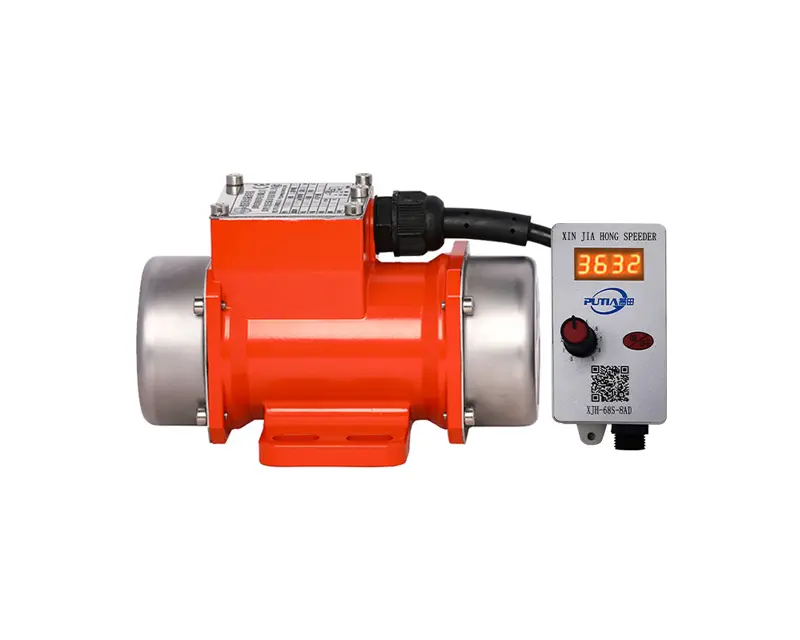
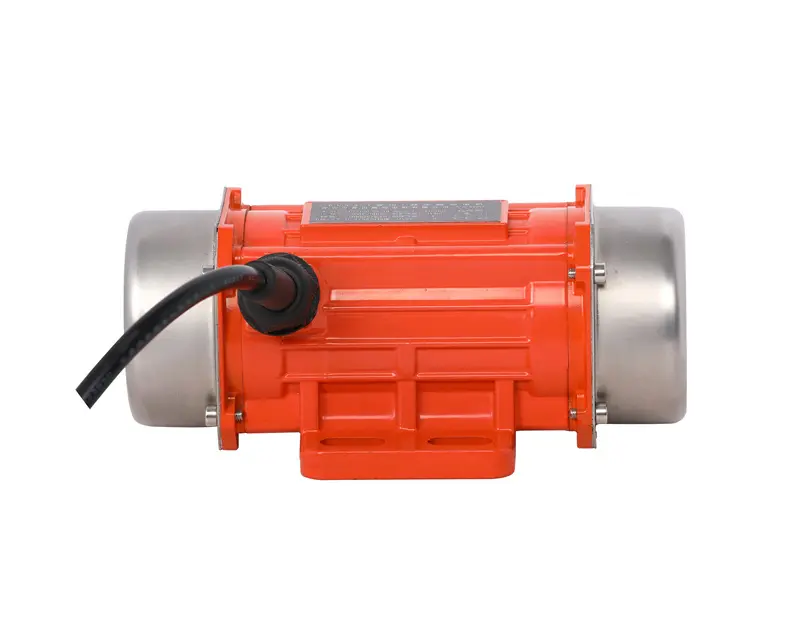
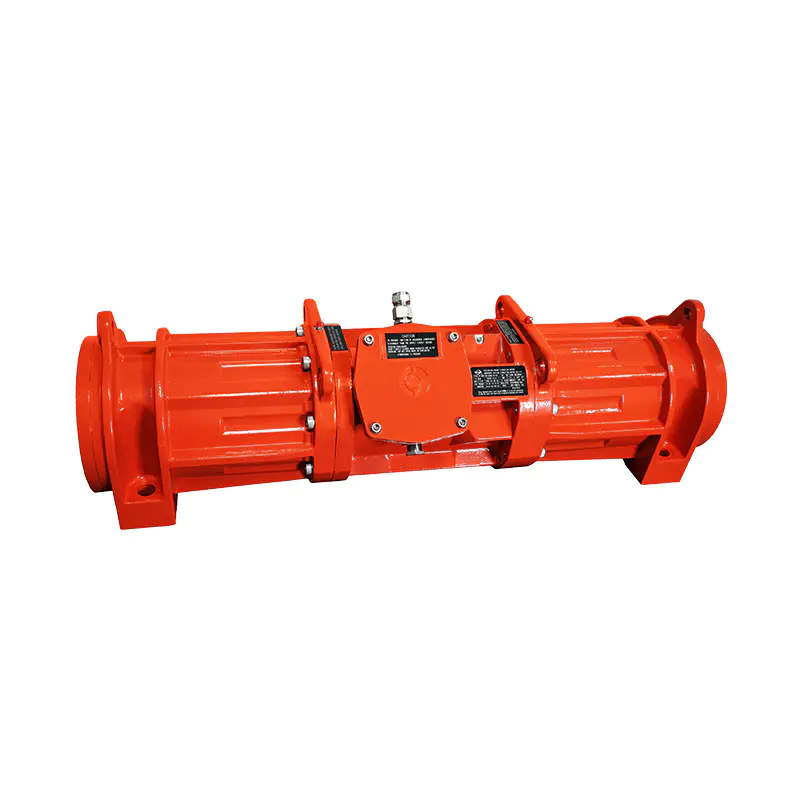
Construction professionals frequently ask whether using an external method to apply vibration can actually influence concrete quality — especially when compared to directly inserting a traditional Concrete Vibrator into a fresh pour. An Industrial Vibration Motor driven external vibrator operates by transmitting vibratory energy through formwork rather than penetrating the concrete surface. Some users on industry forums and project teams question whether this approach offers meaningful benefits or is purely supplemental; others report noticeable improvements in surface finish and compaction when external units are correctly deployed.
In recent research and application summaries, experts note that insufficient vibration or uneven compaction leads to common concrete defects like voids, honeycombing, and even cracks — all of which reduce structural performance. External vibration is among several methods explored to achieve more uniform consolidation, particularly in areas where internal probes cannot reach easily.
How External Vibration Works
Traditional Concrete Vibrators eliminate trapped air by direct contact: a vibrating head penetrates the fresh concrete and shakes loose air bubbles, allowing them to escape to the surface. External vibrators work differently. They rely on a vibrating plate or motor mounted outside the formwork to transmit vibratory energy inward through the wall or slab surface. This energy mobilizes trapped air and helps particles settle into a denser matrix.
One benefit of this method is that it avoids inserting equipment into congested reinforcement zones or thin sections where a traditional vibrator cannot reach — situations commonly discussed by users on construction forums. When internal access is limited, external units help complement the consolidation process rather than replace it entirely.
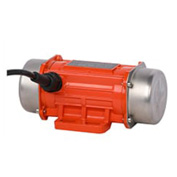
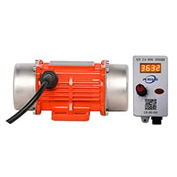
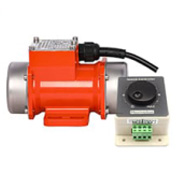
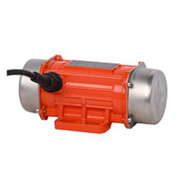
Improving Concrete Compaction with External Vibrators
Users and field specialists often emphasize that eliminating voids and entrapped air is critical to concrete quality, and that external vibrators can play an important role in this. By distributing vibration uniformly across the surface, external units help ensure air pockets escape not only from the middle of the slab but also near the form edges and corners where traditional internal vibrators may not reach as effectively.
This improved compaction — when combined with internal vibration — can result in:
- Reduced voids and defects: Air pockets and honeycombing are common issues when concrete is poured rapidly or into complex forms. External vibration helps complement internal methods by reaching areas that internal probes struggle with.
- More uniform density: Consistent vibration energy across the form surface can help produce a more uniform concrete matrix, contributing to consistent strength throughout the element.
- Better surface finish: Because the vibration energy reaches the outer layer of the concrete through the form, finished surfaces can show fewer blemishes and smoother textures.
These benefits are especially visible in precast production, wall panels, slabs, and architectural concrete elements where surface quality is as important as structural integrity.
Real-World Applications and Observations
In precast facilities, many operators report that external vibrators help maintain consistent quality across repetitive pours. External units mounted on molds allow workers to consolidate concrete without repositioning internal probes, saving labor time and reducing manual handling inside the wet matrix. This improved workflow often translates to fewer defects in finished panels and reduced rework — outcomes welcomed in both industrial and commercial settings.
On construction sites, external vibration units are frequently used in combination with internal Concrete Vibrators to achieve complete compaction. Internal probes handle the core of the concrete mass, while external units ensure edges and surfaces meet quality expectations. When these two methods are coordinated — for example, syncing vibration duration and frequency with the concrete mix properties — the final result is typically a denser, more stable cured concrete component.
Practical Tips for Using External Vibrators
While external vibrators can improve concrete quality, effective use requires attention to detail:
- Mounting position matters: Ensure the vibrator is firmly secured to the form surface with minimal gaps to optimize vibration transfer.
- Match vibration to concrete properties: Frequency and amplitude should align with the concrete’s workability and mix design for better results.
- Combine with internal vibration where possible: For deep sections, internal probes remain essential; external units are more effective as supplemental compaction tools.
These practical insights reflect both product guidance and common discussions seen among construction professionals.
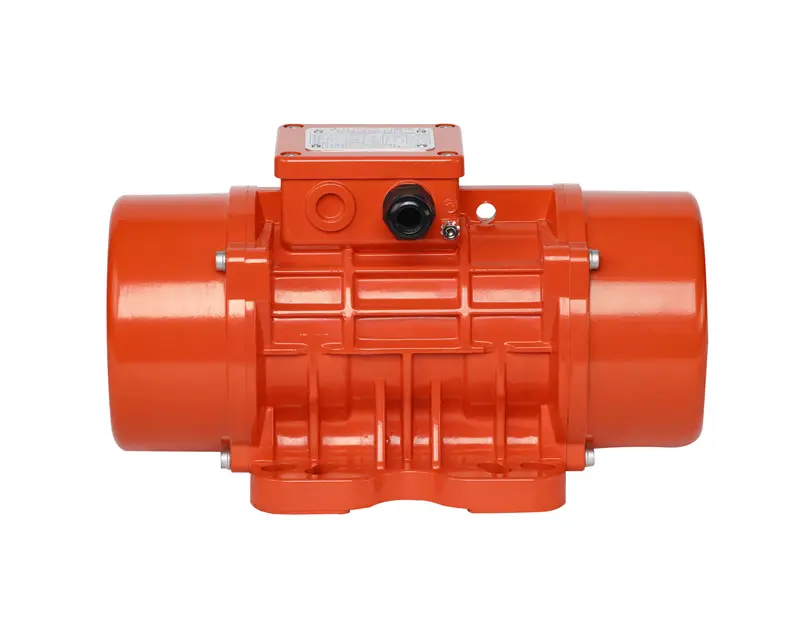
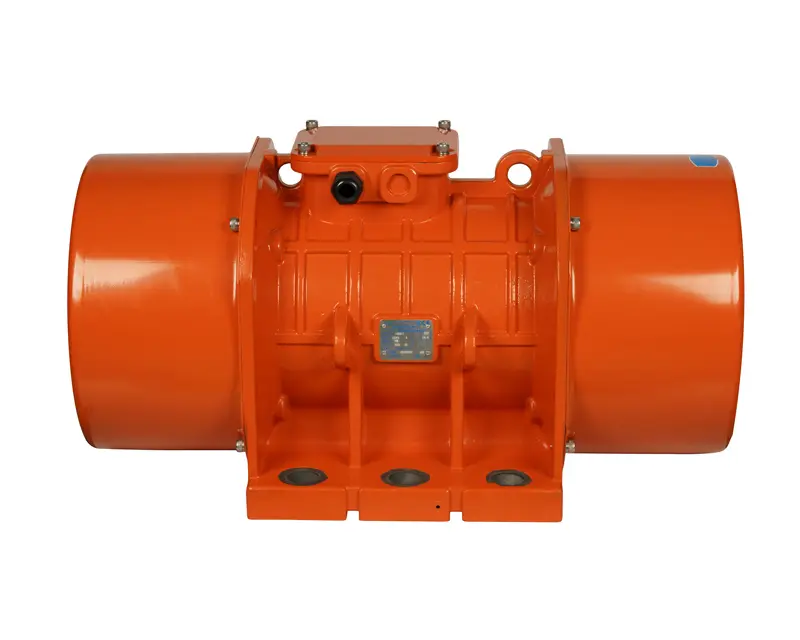
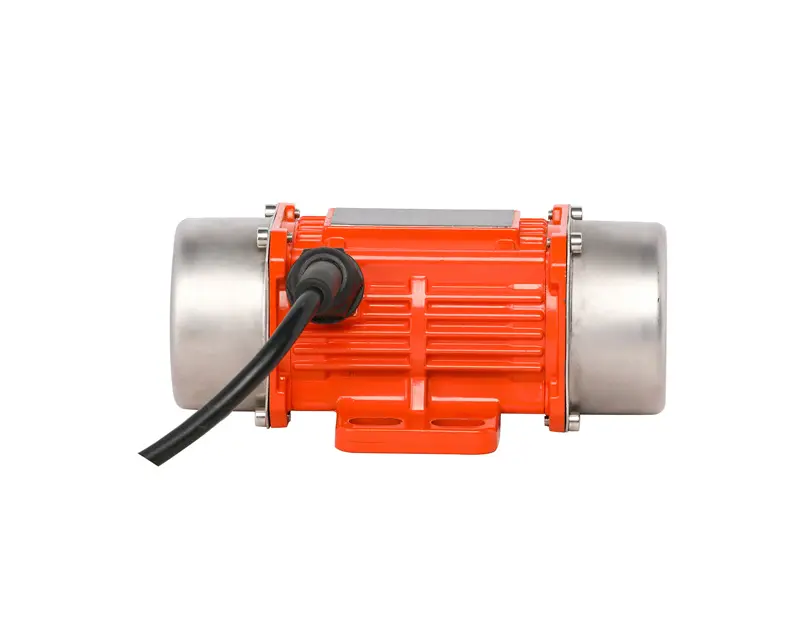
So, can external vibrators improve concrete quality? The short answer is yes — when used thoughtfully and in combination with traditional internal vibration methods. External units powered by reliable vibration motors can help reduce air pockets, improve surface texture, and promote more uniform density, all of which contribute to enhanced structural reliability and finish quality. For contractors working with precast panels, difficult-to-access formwork, or large pour areas, integrating external vibrators into your workflow offers a practical way to address quality concerns.
At Shenzhen Putian Vibration Motor Co., Ltd., we see how precision vibration solutions — including external vibrator systems — help construction teams balance labor efficiency with high-quality results. When used with sound planning and proper application, external vibration technology is a valuable tool in any concrete compaction strategy.
Mobile
Products
Contact Us
- Address: No.6 Building, Wanfeng 98 Industrial City, Shajing Street, Baoan District, Shenzhen, Guangdong, China.
- Phone: +86-18923719730 / +86-0755-27460501
- Fax: +86-0755-27460606
- E-mail: [email protected]
Copyright © Shenzhen Putian Vibration Motor Co., Ltd. All Rights Reserved.

