

 English
 русский
 Português
 عربى
 فارسی
Industry News
 Home / News / Industry News / What Should Equipment Builders Check When Integrating a Brushless Vibration Motor?
What Should Equipment Builders Check When Integrating a Brushless Vibration Motor?
 Oct-16-2026
 Industry News
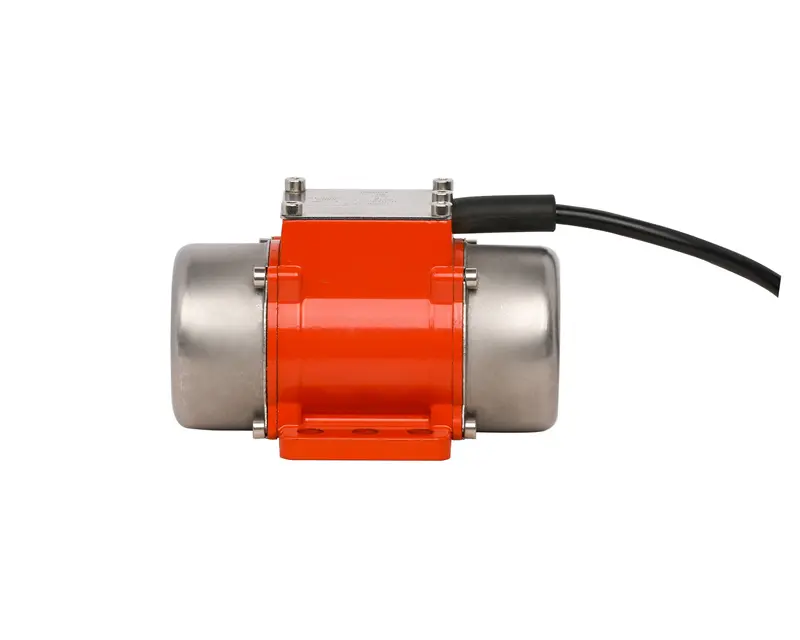
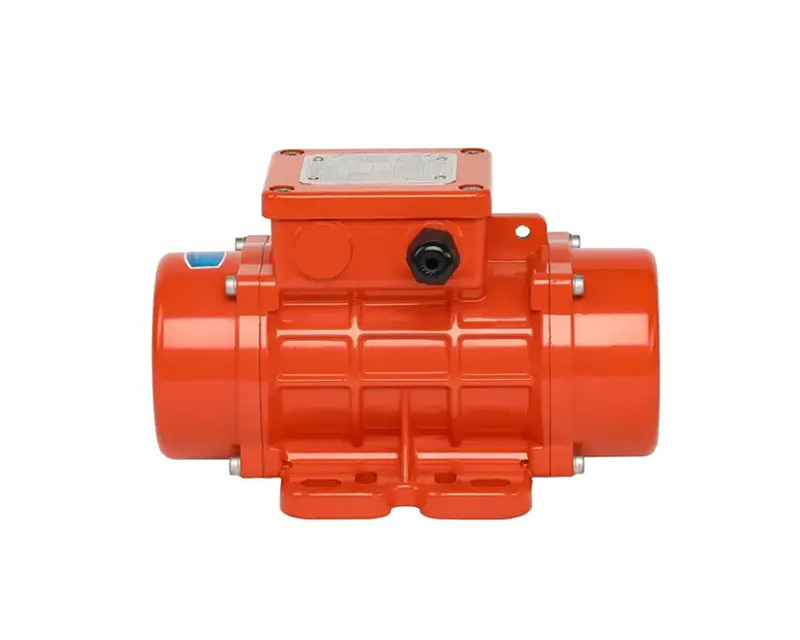
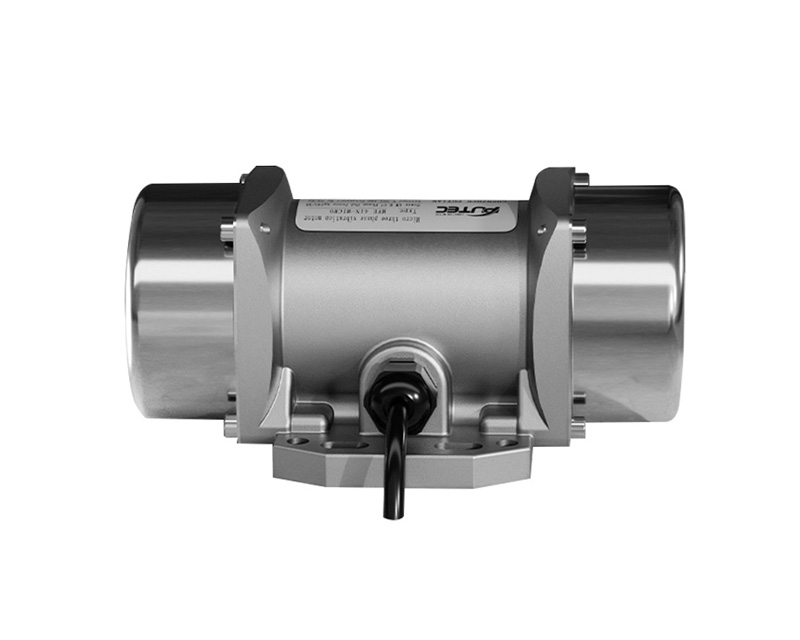
As industrial equipment becomes more specialized, motor selection increasingly involves more than choosing a suitable power rating. Equipment builders must also consider controller compatibility, available installation space, mounting conditions, and how vibration affects the surrounding structure. A mismatch in any of these areas can create commissioning delays or inconsistent machine behavior. For buyers sourcing a Brushless Vibration Motor, reviewing integration requirements before production helps reduce avoidable design changes and makes it easier to move from prototype testing to repeatable manufacturing.
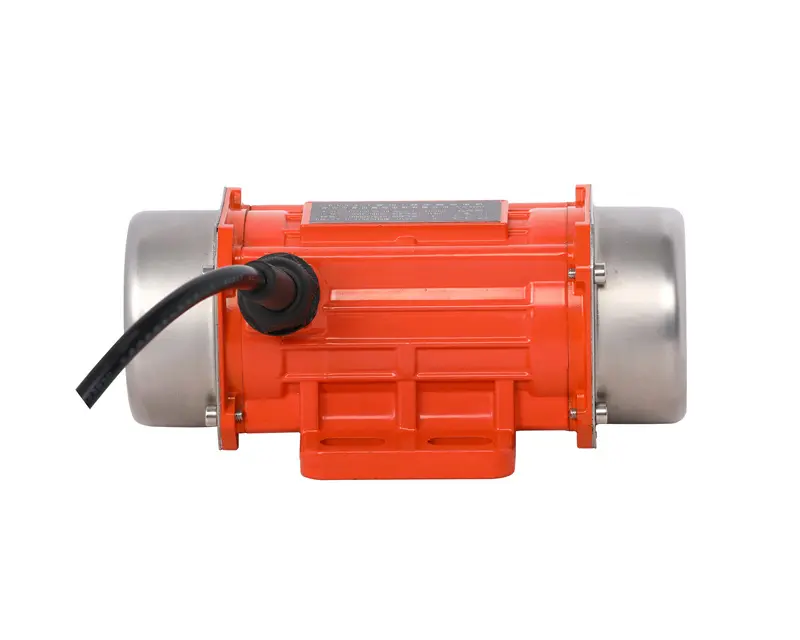
Confirm Electrical and Controller Compatibility
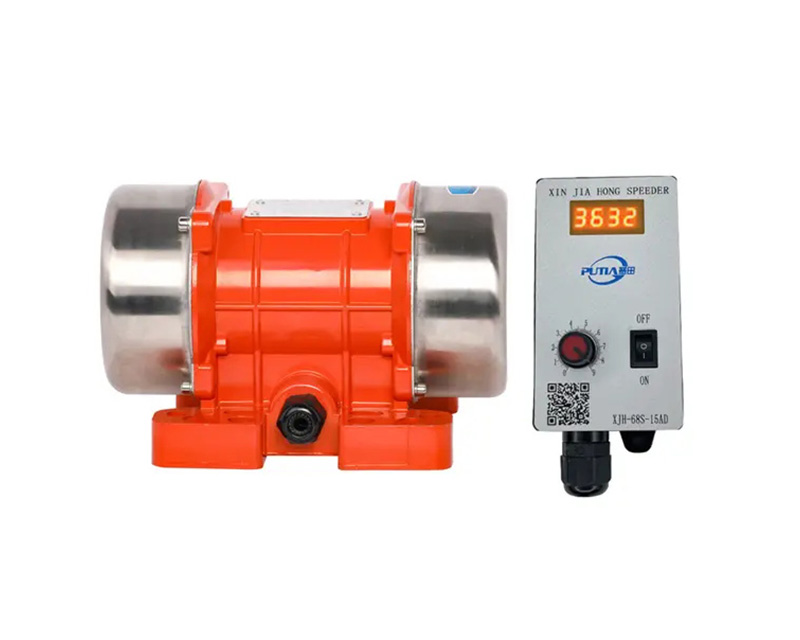
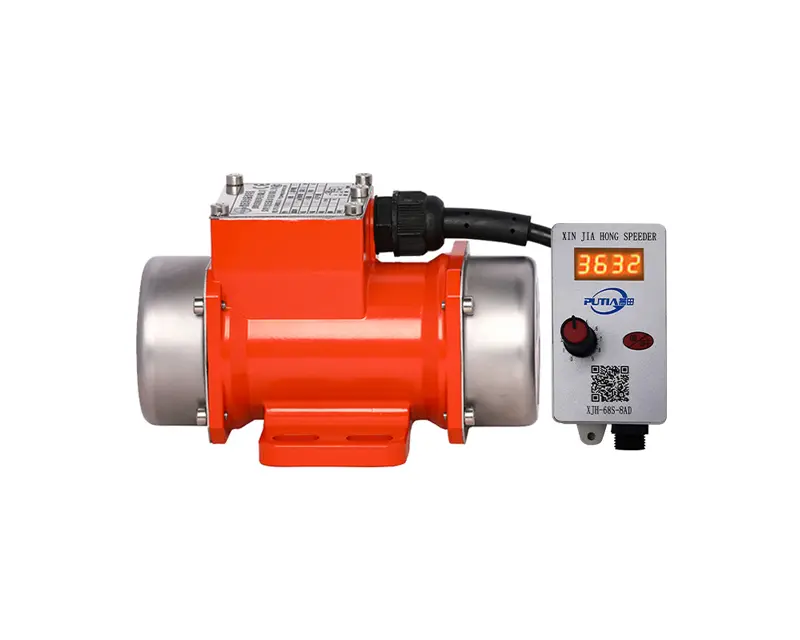
A brushless motor relies on electronic commutation rather than mechanical brushes. Its operation therefore depends on a compatible control arrangement, and electrical specifications should be checked before the motor is incorporated into a machine.
Buyers should confirm the rated voltage, current requirements, available speed-control method, connector arrangement, and controller compatibility. If the motor is intended to work with an existing control system, the interface and operating signals should be verified instead of assuming that similar voltage ratings guarantee compatibility.
From a manufacturer's perspective, receiving the equipment's electrical requirements early makes it easier to assess the proposed configuration. Clear specifications can also reduce confusion when the same motor is used across several machine models.
Plan Installation Space Before Finalizing the Design
Compact equipment often leaves limited room for motors, wiring, brackets, and service access. A motor that fits within the available envelope may still create difficulties if its mounting points conflict with nearby components or if cables cannot be routed safely.
Mechanical drawings should be reviewed alongside the equipment layout. Buyers need to confirm mounting dimensions, orientation requirements, connection access, and clearance for inspection or replacement. Where the design is still being developed, allowing reasonable installation and maintenance space can prevent later modifications.
This review is particularly useful for custom automation equipment, where a small dimensional change may affect multiple connected components.
Understand How Vibration Travels Through the Machine
A vibration motor does not operate independently of the structure to which it is attached. Its output is transmitted through mounting points into the equipment frame, where the resulting movement depends on structural stiffness, mass distribution, mounting position, and the characteristics of the supported load.
If the mounting arrangement is unsuitable, the machine may experience uneven movement, unwanted resonance, loose fasteners, or additional mechanical stress. These issues cannot necessarily be corrected by changing the motor alone.
Equipment builders should therefore evaluate the motor and supporting structure as one system. Prototype testing under representative loads can help determine whether the selected mounting arrangement produces the required movement without introducing undesirable vibration elsewhere.
Make Control Adjustments Repeatable
When a machine needs different vibration settings for different operating tasks, adjustment procedures should be clear and repeatable. Operators need to understand which parameters can be changed, how the controller responds, and which settings fall within the approved operating range.
A practical commissioning process can include:
- Recording the initial controller configuration
- Checking startup and stopping behavior
- Evaluating vibration under representative loading
- Confirming the response to permitted setting changes
- Documenting approved operating parameters for production use
These records help maintenance personnel reproduce established settings and reduce unnecessary trial and error when equipment is serviced or relocated.
Test the Complete Assembly, Not Just the Motor
A motor may pass its individual checks but behave differently after installation because of the machine's mounting structure, wiring arrangement, controller settings, or working load. For this reason, component inspection should be complemented by functional testing of the assembled equipment.
Manufacturers can define acceptance criteria according to the intended application. Depending on the design, checks may cover electrical connections, startup behavior, operating stability, vibration output, abnormal noise, and fastener security. Test conditions should be documented so that results can be compared across prototypes and production batches.
For overseas buyers, agreeing on these criteria before order confirmation makes sample approval more meaningful and helps clarify expectations for repeat orders.
Consider Consistency Across Production Batches
When a motor is integrated into a product manufactured in volume, consistency matters as much as initial compatibility. Changes in mounting dimensions, electrical connections, or approved controller settings may require adjustments to the equipment design or assembly process.
A manufacturer should maintain clear product specifications and communicate approved changes that could affect integration. Buyers can support this process by using controlled drawings, consistent part identification, and documented sample approval procedures.
These practices make it easier to reproduce the validated configuration when placing repeat orders.
Align Motor Selection With the Complete Machine
Successful integration of a Brushless Vibration Motor depends on electrical compatibility, mechanical fit, structural behavior, control settings, and testing under realistic conditions. For equipment manufacturers and overseas procurement teams, addressing these points before mass production can reduce commissioning problems and improve repeatability. Working through the integration requirements with the motor manufacturer helps ensure that the selected unit is evaluated as part of the intended machine rather than as an isolated component.
Mobile
Products
Contact Us
- Address: No.6 Building, Wanfeng 98 Industrial City, Shajing Street, Baoan District, Shenzhen, Guangdong, China.
- Phone: +86-18923719730 / +86-0755-27460501
- Fax: +86-0755-27460606
- E-mail: [email protected]
Copyright © Shenzhen Putian Vibration Motor Co., Ltd. All Rights Reserved.

