

 English
 русский
 Português
 عربى
 فارسی
Industry News
 Home / News / Industry News / When Does Frequent Starting and Stopping Affect Vibration Motor Selection?
When Does Frequent Starting and Stopping Affect Vibration Motor Selection?
 Oct-23-2026
 Industry News
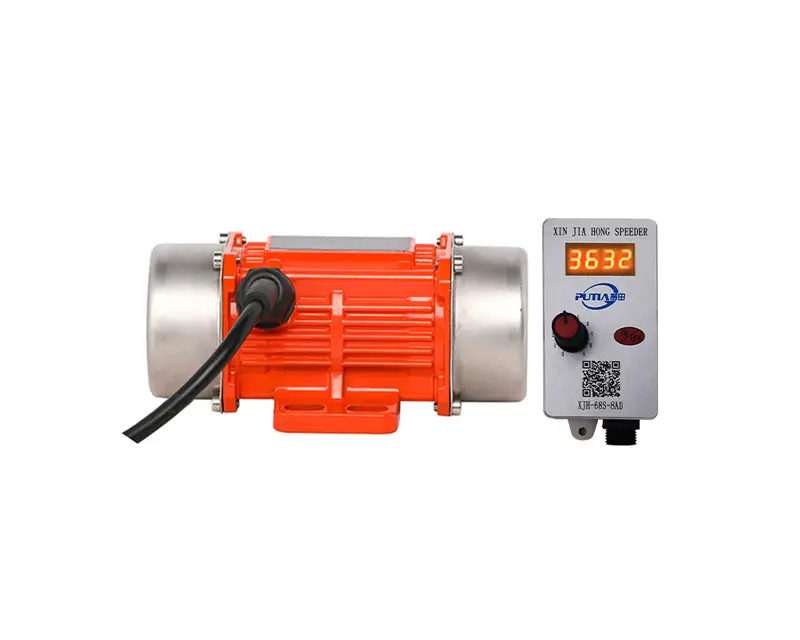
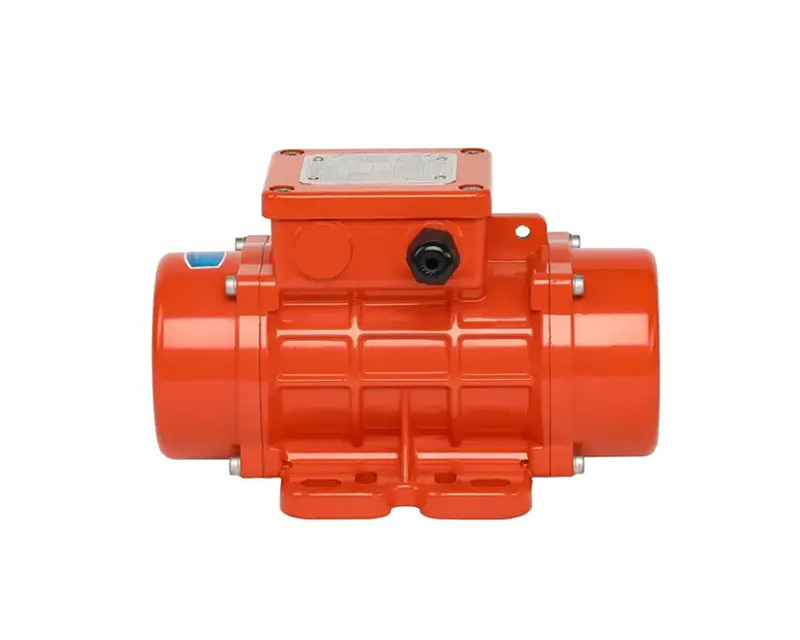
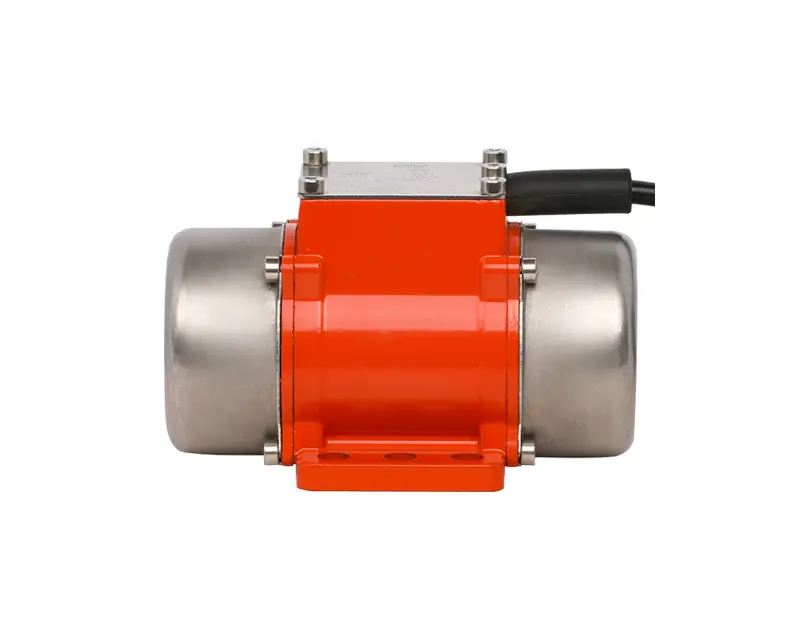
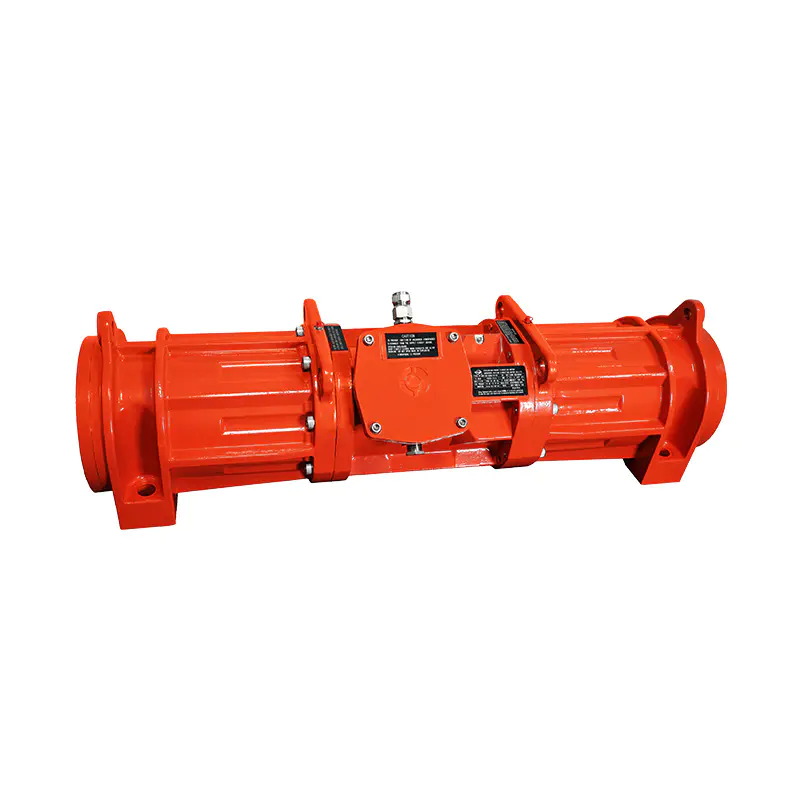
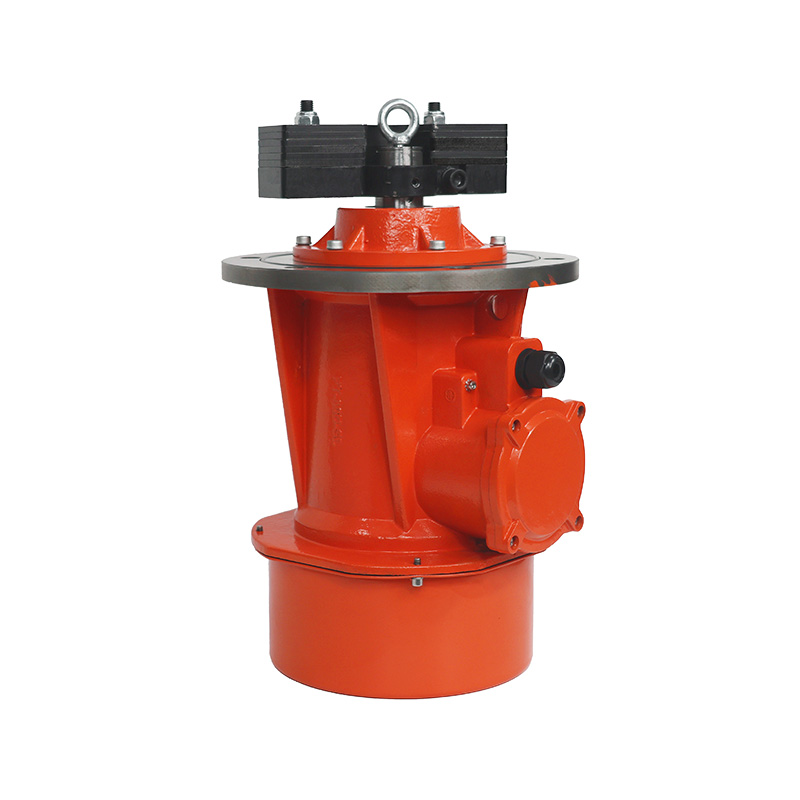
Automated production equipment does not always operate continuously. Feeding systems, material handling machines, and compact processing equipment may start and stop according to sensor signals, production cycles, or changes in material demand. These operating patterns place different demands on the drive system than uninterrupted operation. For equipment builders evaluating a Brushless Vibration Motor, understanding the frequency of starting and stopping is important for selecting a suitable configuration and avoiding problems that may appear only after the machine enters regular production.
Define the Actual Operating Cycle
Motor selection should begin with a clear picture of how the equipment will run. A machine that operates for several hours without interruption has a different duty pattern from one that starts repeatedly throughout a shift.
Buyers should document the expected running time, stop duration, number of operating cycles, and whether the motor starts under load. These details help the manufacturer assess the intended duty conditions and determine which product specifications need closer review.
It is also important to distinguish between normal operating cycles and emergency stops. Frequent routine switching should be evaluated according to the motor and controller's stated capabilities, while emergency stopping must follow the machine's safety design.
Evaluate Startup Behavior
When a vibration motor starts, the equipment needs to transition from rest to its operating condition. The resulting response depends on the motor, controller, load, mounting structure, and operating settings.
If material must move promptly after startup, equipment designers should verify that the motor can provide the required response under representative conditions. However, a faster response is not automatically better for every application. Abrupt movement may be unsuitable for fragile components, sensitive materials, or equipment that requires a controlled transition.
Manufacturers can help buyers establish appropriate startup expectations by reviewing the application and testing the proposed configuration before production approval.
Check How the System Stops
Stopping behavior deserves the same attention as startup. Depending on the motor and controller design, vibration may continue briefly after the stop command because the rotating system needs time to slow down.
For equipment that relies on precise material positioning or coordinated machine movements, the stopping response can affect the overall operating sequence. Engineers should check whether the actual stopping behavior fits the process requirements and whether the controller provides the functions needed for the intended application.
Buyers should not assume that every brushless model supports identical braking or stopping-control features. These capabilities need to be confirmed in the product specifications and verified during commissioning.
Consider the Mechanical Effects of Repeated Cycling
Frequent starting and stopping changes the operating pattern of the complete assembly. Mounting points, fasteners, brackets, and the supporting frame are exposed to repeated changes in vibration and loading.
If the structure is not suitable for the intended duty, problems such as loosening connections, abnormal noise, or inconsistent movement may develop over time. The motor should therefore be evaluated together with the machine structure rather than tested only as an independent component.
A practical inspection plan should include mounting security, visible wear, unusual movement, and any change in operating sound. The appropriate inspection interval depends on the machine design and working conditions.
Confirm Electrical and Control Requirements
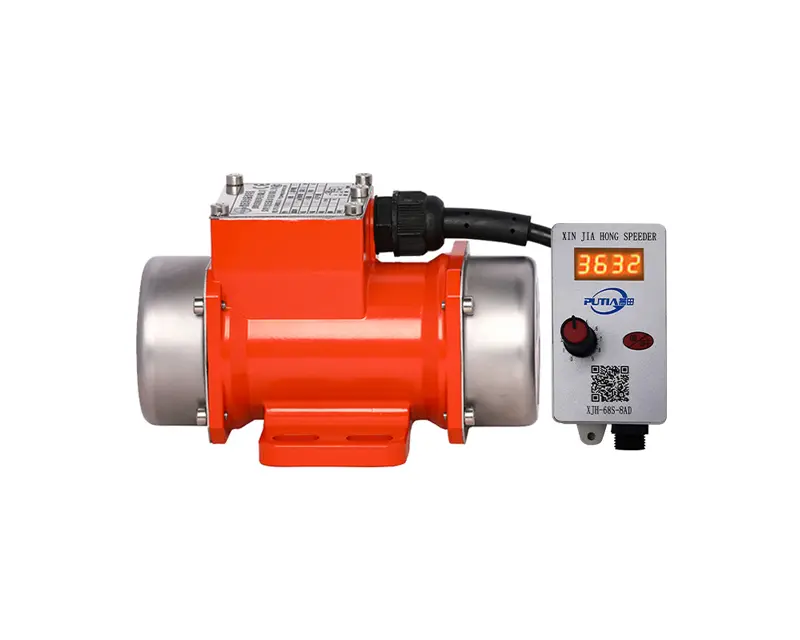
Repeated switching can make controller configuration particularly important. Buyers should verify that the motor and controller are suitable for the expected operating cycle and that the control system handles startup commands, stop signals, and restart conditions correctly.
Before placing a production order, confirm:
- The permitted operating duty and switching requirements
- Compatibility between the motor and controller
- The expected startup and stopping response
- Any restrictions on repeated restarting
- Applicable protection functions and operating limits
These checks help prevent a motor from being used outside its intended conditions. The manufacturer's instructions should determine the permitted settings and operating procedures.
Validate Performance Under Realistic Conditions
A brief test at no load may not reveal issues that appear during repeated operation. For this reason, manufacturers and equipment builders should agree on a test procedure that reflects the expected application.
Depending on the design, verification may include repeated start-stop cycles, operation under representative loading, inspection of mounting points, and observation of temperature, vibration, and control response. Any unusual behavior should be investigated before the configuration is approved for production.
Recording the test conditions and results also helps establish a reference for future inspections and repeat orders.
Select for the Intended Duty, Not Just Rated Output
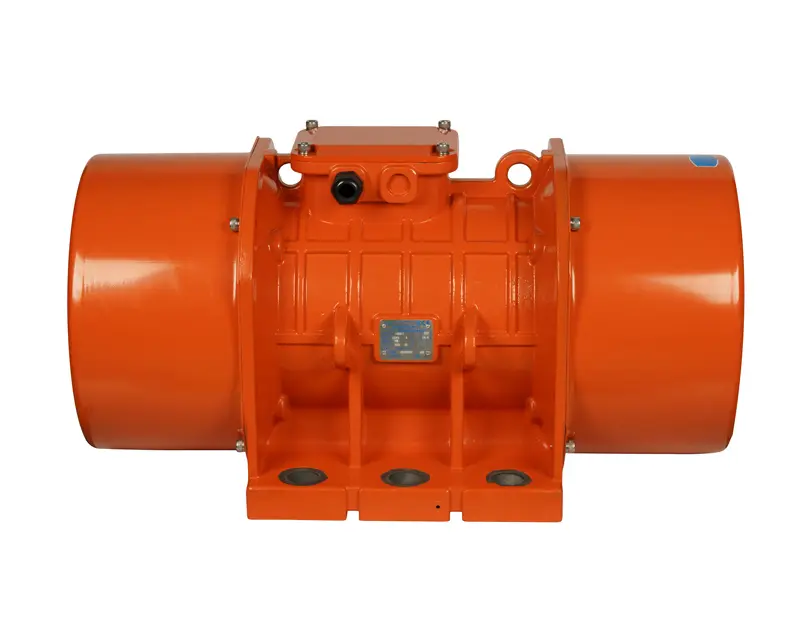
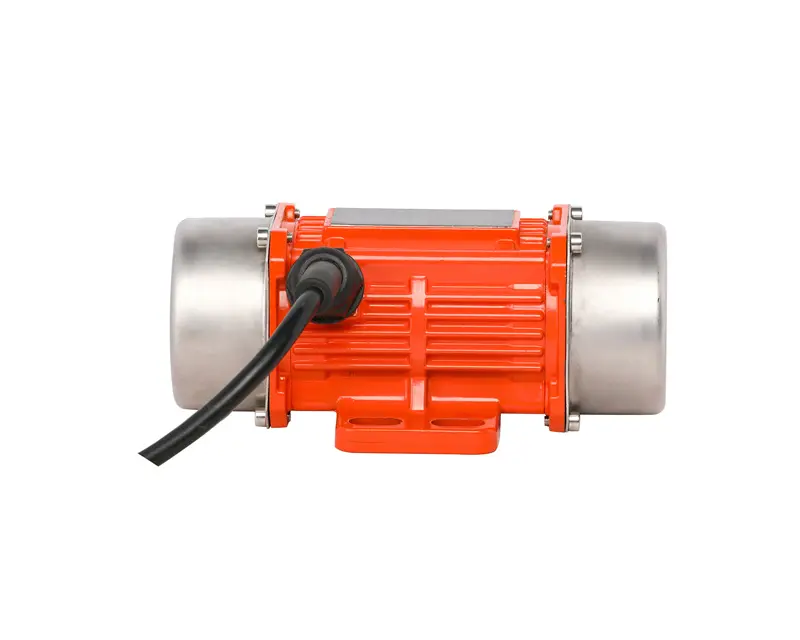
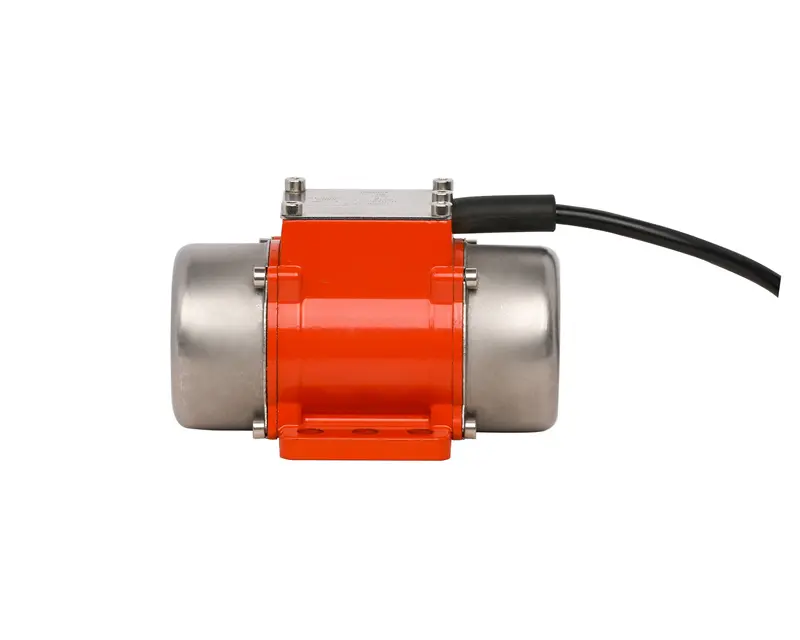
A Brushless Vibration Motor should be matched to the actual operating cycle, required response, controller capabilities, and mechanical demands of the equipment. For overseas buyers and industrial equipment manufacturers, providing accurate start-stop requirements early allows the motor configuration to be assessed before mass production. By combining application review with realistic testing and clear operating instructions, manufacturers can help customers make better-informed decisions and integrate vibration equipment more reliably into their production processes.
Mobile
Products
Contact Us
- Address: No.6 Building, Wanfeng 98 Industrial City, Shajing Street, Baoan District, Shenzhen, Guangdong, China.
- Phone: +86-18923719730 / +86-0755-27460501
- Fax: +86-0755-27460606
- E-mail: [email protected]
Copyright © Shenzhen Putian Vibration Motor Co., Ltd. All Rights Reserved.

