

 English
 русский
 Português
 عربى
عربى فارسی
فارسیIndustry News

Can Better Condition Monitoring Start With AC Vibration Motor Design?
 Sep-18-2026
 Industry News
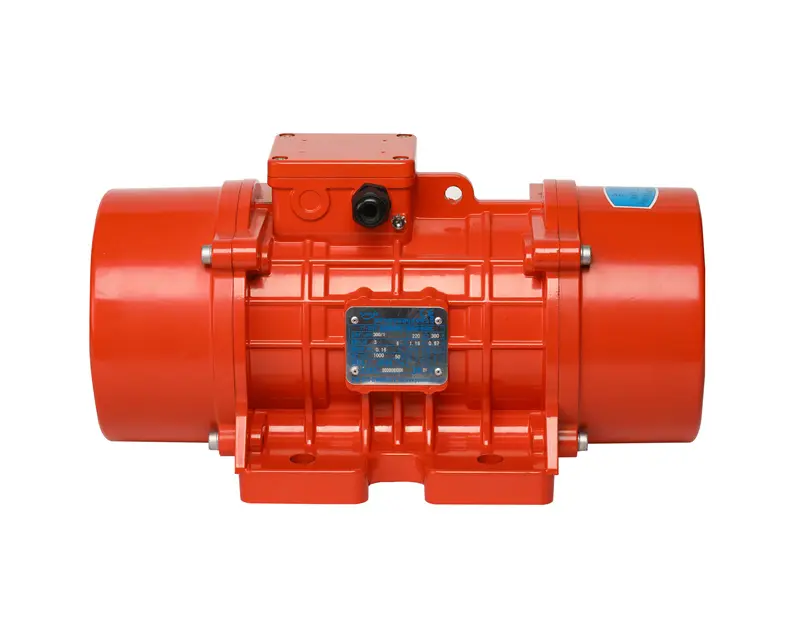
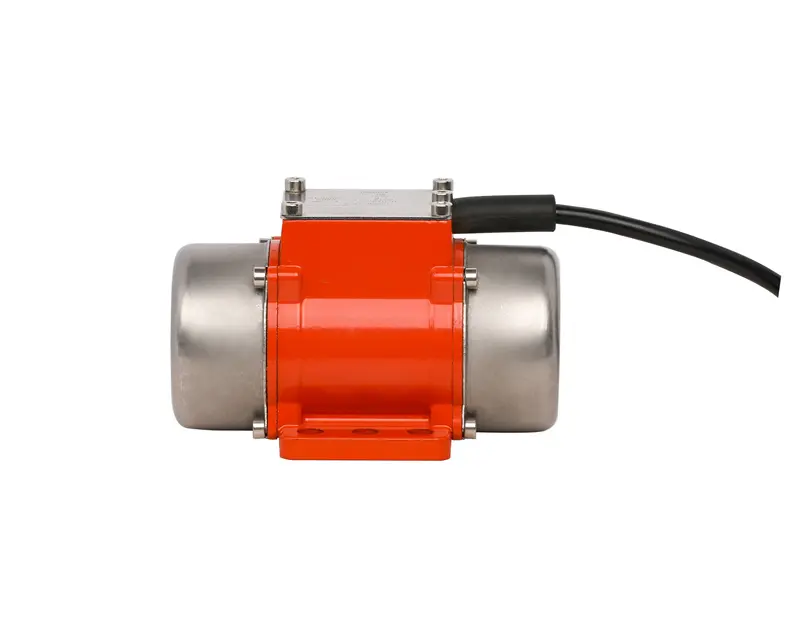
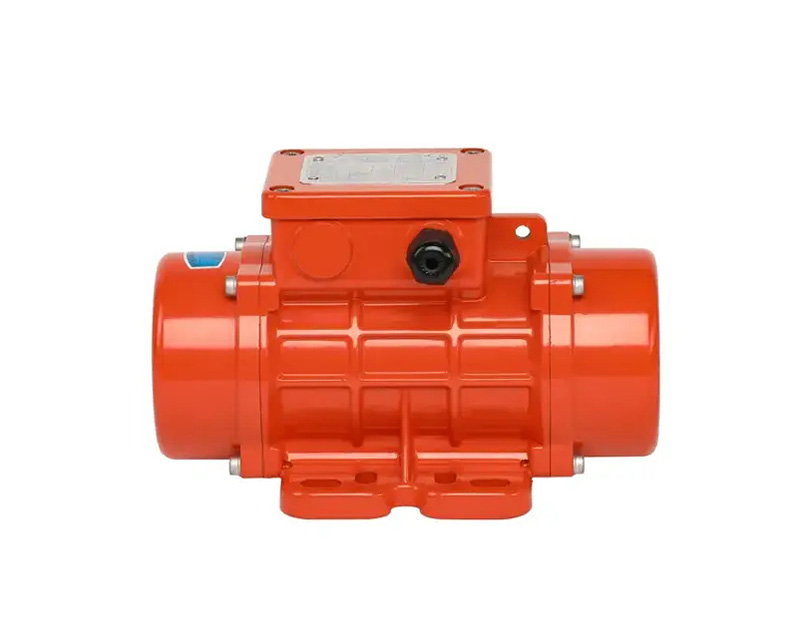
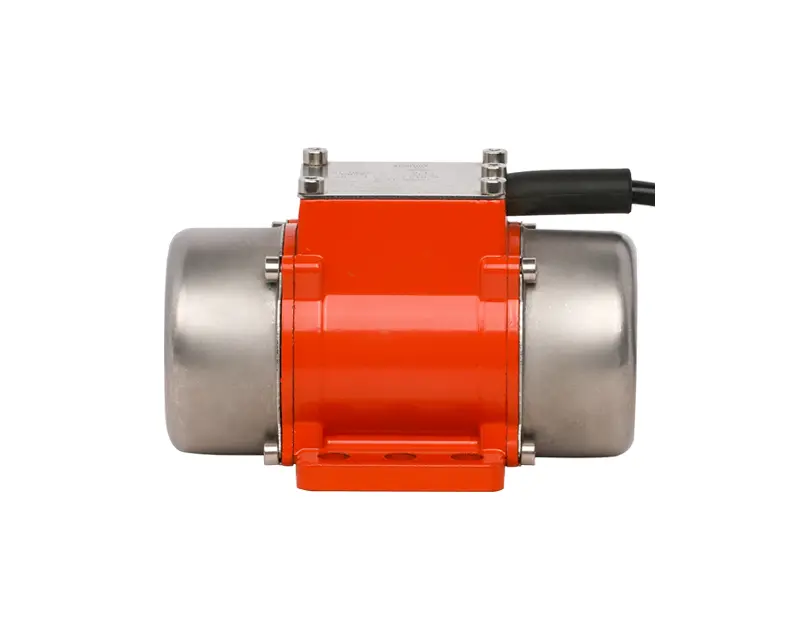
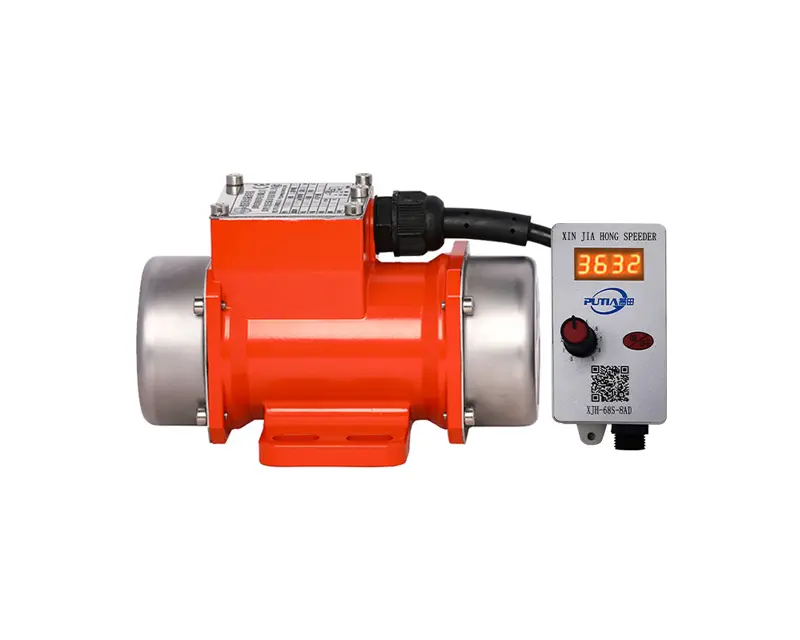
Industrial buyers are paying closer attention to equipment condition because unexpected mechanical problems can disrupt production and increase maintenance workload. For vibrating screens, feeders, hoppers, conveyors, and compacting equipment, the vibration motor is an important part of the mechanical system. A properly designed AC vibration motor can also make later condition monitoring more meaningful by providing consistent operating characteristics. For buyers working with an AC vibration motor manufacturer, this means reliability should be considered from product design and manufacturing rather than only after installation.
Consistent Vibration Creates a Better Baseline
Condition monitoring depends on recognizing changes in equipment behavior. If motors with the same configuration have inconsistent vibration characteristics from the beginning, it becomes more difficult for engineers to distinguish normal operation from developing problems.
Manufacturers therefore need to control important production variables such as rotor balance, eccentric weight positioning, bearing installation, and electrical performance. Consistency during manufacturing gives users a more reliable baseline for evaluating the motor after it enters service.
Rotor Balance Is a Manufacturing Priority
An AC vibration motor intentionally produces centrifugal force through eccentric weights, so balance is a fundamental part of its design. The position and configuration of these components influence the vibration generated by the motor.
During production, manufacturers need to maintain control over shaft assembly, rotor balance, eccentric components, and related tolerances. This is not simply a final inspection issue. The manufacturing process itself needs to be organized so that the finished motor follows the intended mechanical characteristics.
Bearings Influence Long-Term Operation
Bearings are exposed to the mechanical forces generated during vibration, making their selection and installation important for motor reliability. Incorrect positioning, unsuitable lubrication, or inconsistent assembly can affect operating behavior.
For an industrial vibration motor manufacturer, bearing quality management should include both component inspection and assembly control. Engineers can evaluate the relationship between the bearing, shaft, housing, and expected operating conditions before production begins.
This integrated approach helps create a motor structure that is easier to evaluate during later operation.
Monitoring Should Consider More Than Vibration Level
A change in vibration can provide useful information, but it should not always be interpreted in isolation. Temperature, operating noise, electrical characteristics, mounting conditions, and changes in vibration patterns can provide additional context.
Industrial condition monitoring is increasingly moving toward combining multiple signals to identify developing mechanical issues. Recent research and industry applications are exploring vibration data alongside other measurements to support earlier maintenance decisions.
For vibration motor manufacturers, this reinforces the value of producing equipment with stable and clearly defined operating characteristics.
Mounting Conditions Complete the System
The motor does not operate independently from the vibrating machine. Its mounting surface, fasteners, frame structure, installation position, and equipment load all influence the resulting vibration.
A manufacturer should therefore understand the intended application before recommending a motor configuration. Important considerations can include:
- Equipment type and structural design
- Total vibrating mass
- Required excitation force
- Motor mounting position
- Operating environment
- Expected working schedule
This application information helps engineers select and configure the motor more appropriately.
Testing Builds Confidence Before Delivery
A vibration motor should be tested as a finished product rather than evaluated only through individual components. Electrical inspection, mechanical checks, operating tests, and assembly verification can all contribute to production quality.
For customized or batch orders, consistent testing procedures are particularly useful. They allow manufacturers to compare finished products against the approved configuration and identify potential deviations before shipment.
This also gives overseas equipment buyers greater confidence that the motors they receive will provide consistent characteristics when installed on their machinery.
Manufacturing Quality Supports Predictive Maintenance
Predictive maintenance technologies are becoming more practical across industrial equipment, with vibration monitoring increasingly used to identify issues such as imbalance, looseness, misalignment, and bearing wear. But useful monitoring begins with dependable equipment data.
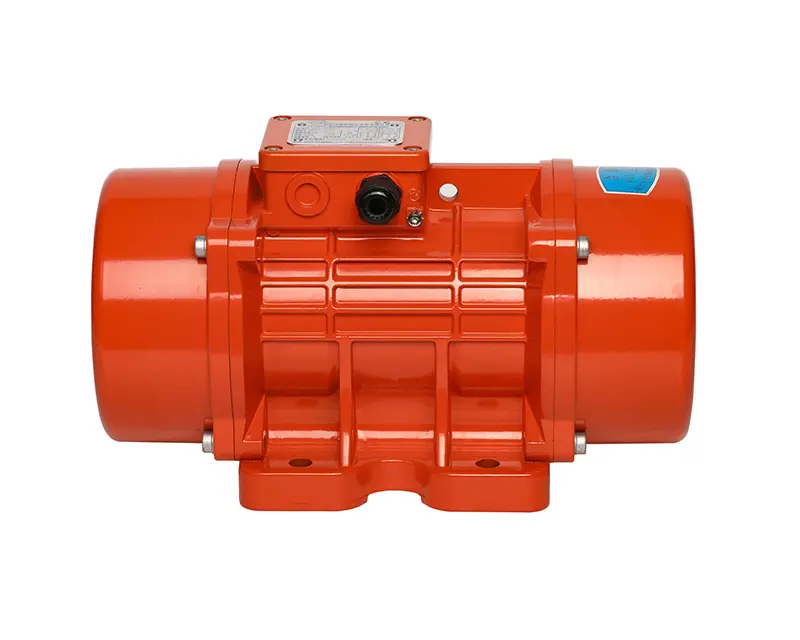
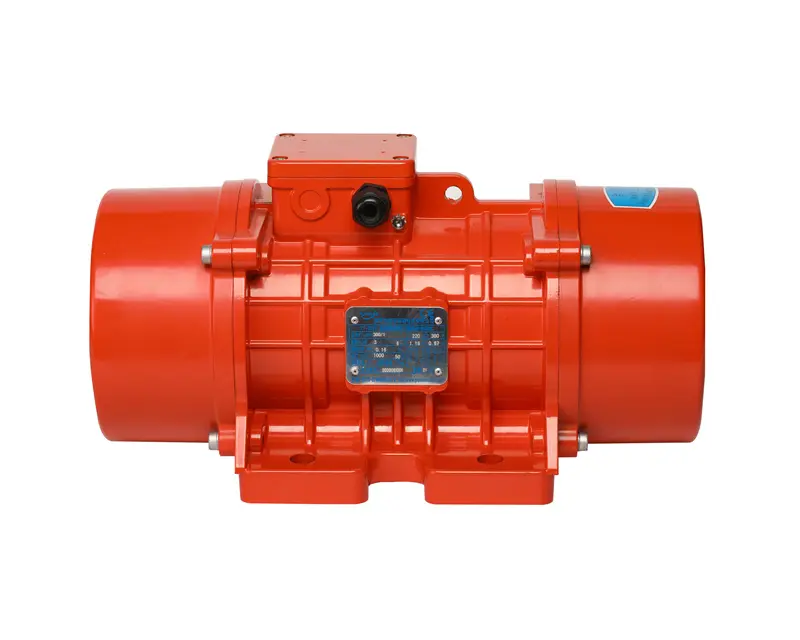
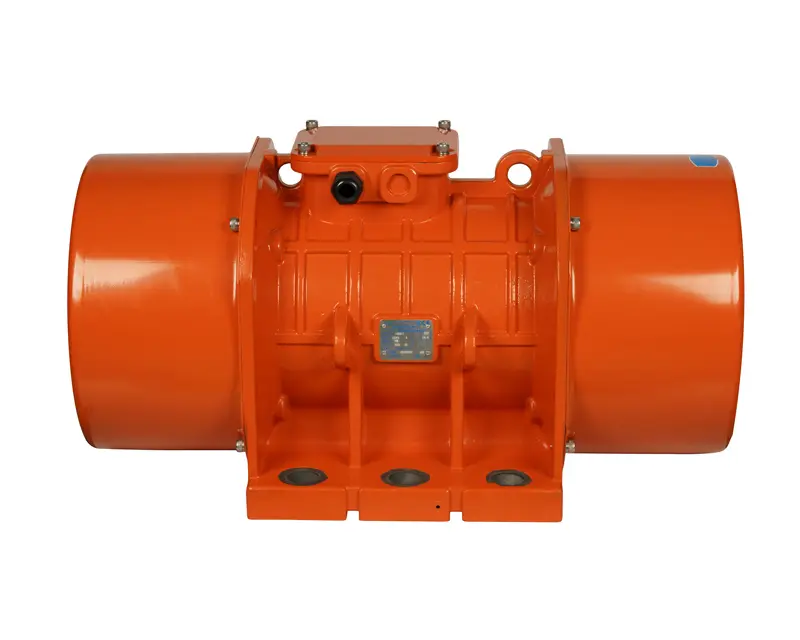
As an AC vibration motor manufacturer, we focus on building that foundation through engineering design, component selection, rotor and eccentric weight assembly, bearing installation, electrical inspection, and final testing. By controlling these stages throughout manufacturing, we aim to provide vibration motors with consistent operating characteristics that support reliable industrial equipment and more informed condition management over the product lifecycle.
Mobile
Products
Contact Us
- Address: No.6 Building, Wanfeng 98 Industrial City, Shajing Street, Baoan District, Shenzhen, Guangdong, China.
- Phone: +86-18923719730 / +86-0755-27460501
- Fax: +86-0755-27460606
- E-mail: [email protected]
Copyright © Shenzhen Putian Vibration Motor Co., Ltd. All Rights Reserved.

