

 English
 русский
 Português
 عربى
عربى فارسی
فارسیIndustry News
 Home / News / Industry News / Does Enclosure Design Matter for an AC Vibration Motor in Dusty Plants?
 Does Enclosure Design Matter for an AC Vibration Motor in Dusty Plants?
 Sep-25-2026
 Industry News
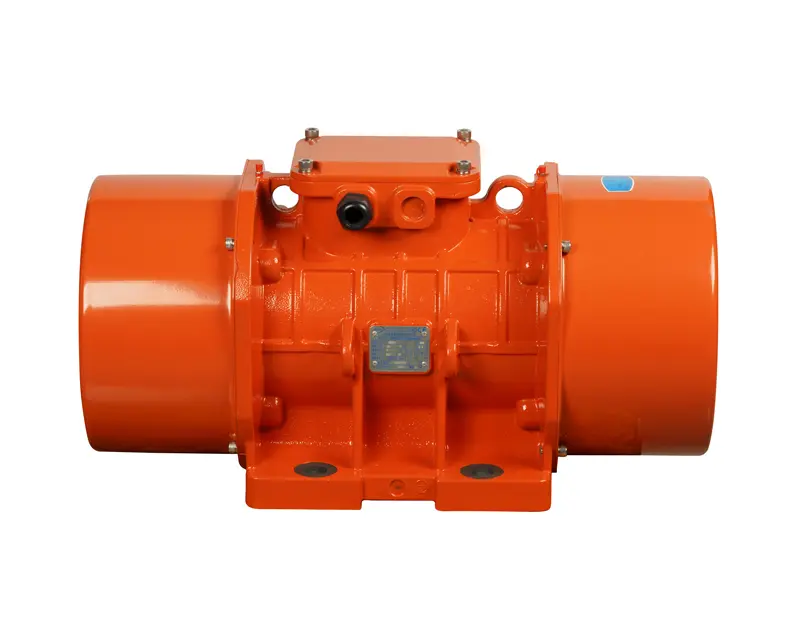
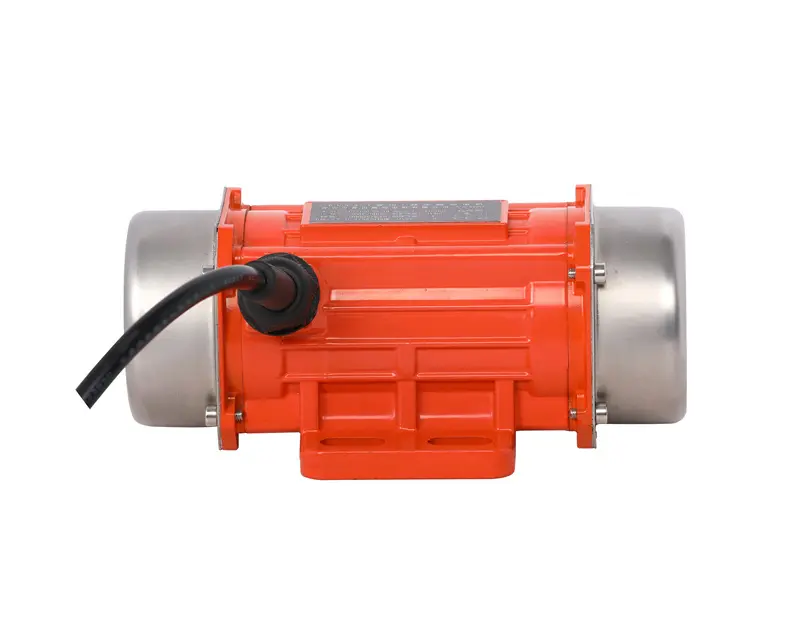
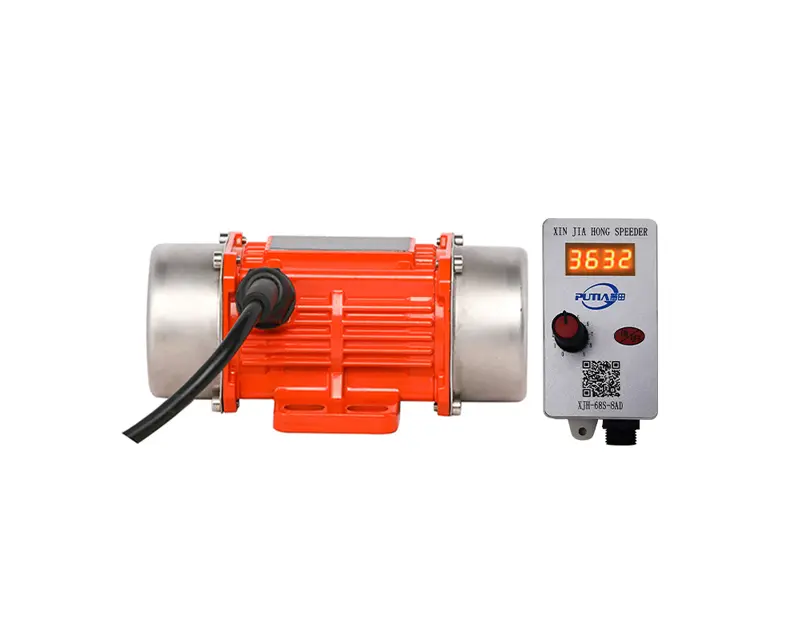
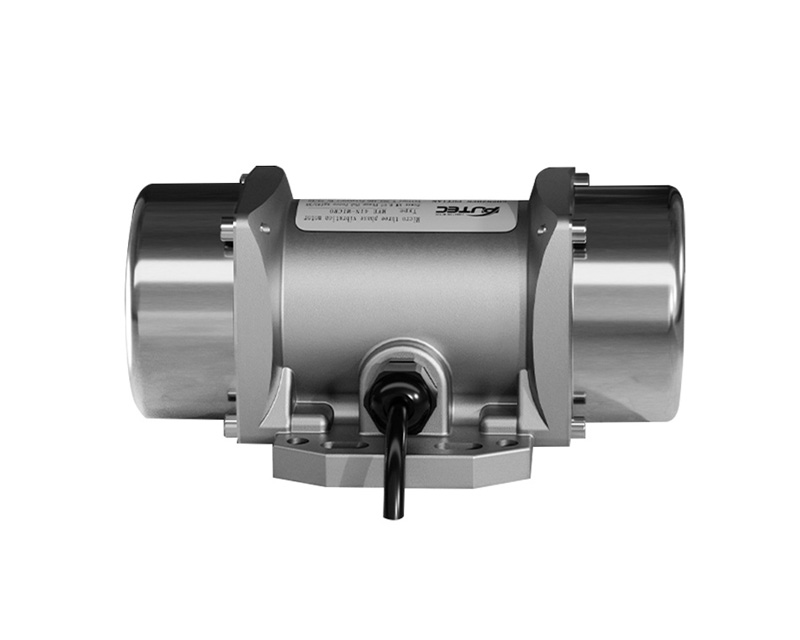
Industrial vibration equipment rarely operates in perfectly clean conditions. Vibrating screens, feeders, hoppers, conveyors, and material-handling systems may be exposed to dust, moisture, particles, or regular equipment cleaning. Under these conditions, the enclosure design of an AC vibration motor becomes an important part of overall equipment reliability. For an AC vibration motor manufacturer, protection cannot be treated as a simple housing feature. Sealing, cooling, insulation, bearings, and mechanical construction all need to be considered together.
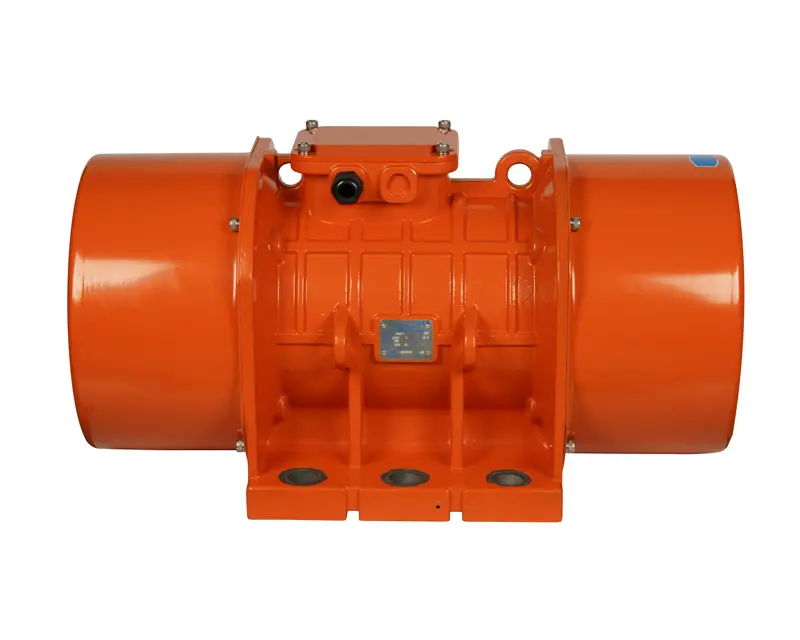
Dust Can Affect More Than the Motor Surface
Fine particles can accumulate around the motor housing and installation area during continuous industrial operation. If the motor is not appropriately protected, contaminants may eventually affect internal electrical or mechanical components.
This is especially relevant for equipment used in mining, aggregates, construction materials, grain processing, and other dusty production environments. The required protection depends on the actual working conditions rather than simply choosing the high available protection rating.
Manufacturers should therefore understand where the motor will be installed and what type of contamination it may encounter.
Moisture Requires a Different Approach
Dust is not the only environmental concern. Outdoor equipment, humid production areas, and processes involving water can expose vibration motors to moisture.
Moisture protection can involve several design details, including housing construction, sealing points, cable entry, bearing protection, and insulation. Temperature changes can also contribute to condensation inside electrical equipment.
For equipment manufacturers, these factors should be considered before selecting an AC vibration motor for outdoor or humid applications.
Protection and Cooling Must Work Together
A more enclosed motor can provide better protection from external contaminants, but the motor still needs to release heat generated during operation.
This creates an important engineering balance. Sealing the housing without considering heat dissipation can negatively affect operating temperature. At the same time, excessive ventilation openings may make it more difficult to protect internal components from dust or moisture.
An experienced AC vibration motor manufacturer should therefore consider housing geometry, heat-transfer surfaces, airflow, operating load, and duty cycle during product development.
IP Rating Should Match the Application
Ingress protection ratings provide useful information about resistance to solid particles and water, but the rating should not be considered separately from the actual operating environment.
Before selecting a motor, buyers should evaluate:
- Indoor or outdoor installation
- Dust concentration and particle characteristics
- Exposure to water or washdown
- Ambient temperature and humidity
- Continuous or intermittent operation
- Possible corrosive substances
- Required cleaning procedures
A suitable protection level should support the complete equipment design instead of being selected only because the rating appears higher.
Housing Construction Influences Reliability
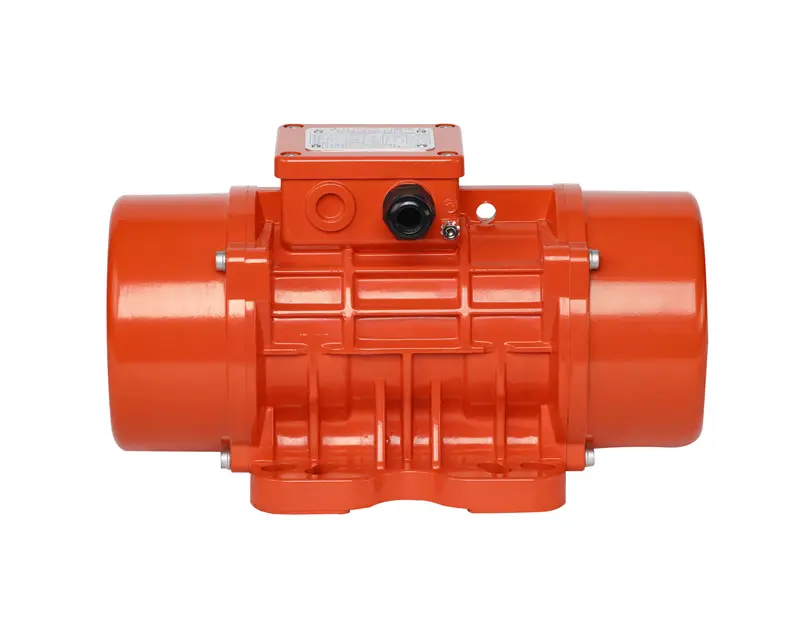
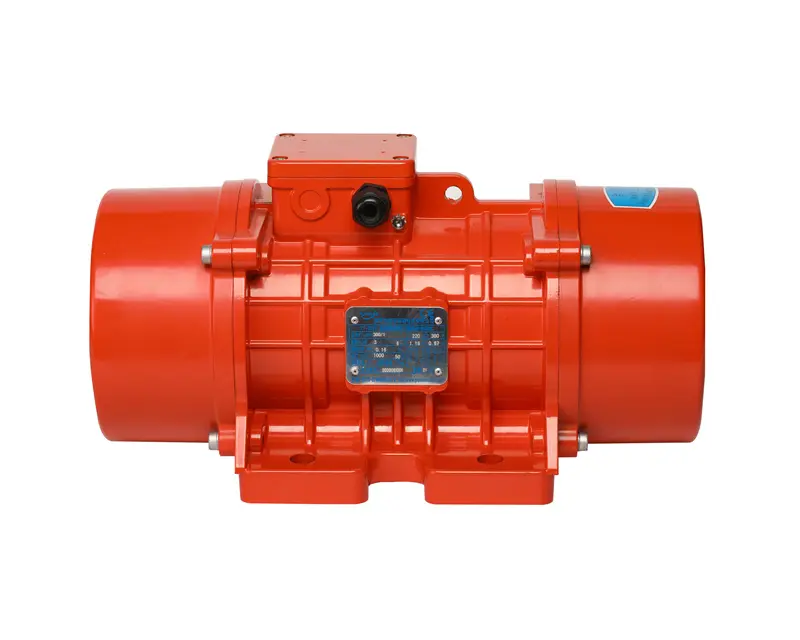
The motor housing provides mechanical protection while also contributing to heat dissipation and structural stability. Material selection, machining accuracy, sealing surfaces, fastener design, and overall assembly quality can all influence performance.
For vibration applications, the housing also needs to withstand repeated mechanical forces during operation. Poorly designed interfaces or inconsistent assembly may create additional stress even when the motor has an appropriate protection rating.
This is why motor enclosure design should be developed together with the mechanical characteristics of the vibration motor.
Manufacturing Quality Supports Environmental Protection
Protection performance depends heavily on manufacturing consistency. Sealing components need to be installed correctly, electrical connections must be properly secured, and housing interfaces should meet the intended dimensional requirements.
A professional manufacturer can incorporate environmental protection into multiple production stages, including:
- Housing machining and inspection
- Winding and insulation processes
- Bearing installation
- Sealing component assembly
- Electrical performance testing
- Final inspection under defined quality requirements
This approach helps ensure that the delivered motors consistently meet the intended application conditions.
Choose the Motor Around the Equipment
For overseas equipment manufacturers, selecting an AC vibration motor should involve more than checking voltage, frequency, excitation force, and speed. Environmental conditions can be equally important when the machine operates in dusty, humid, outdoor, or frequently cleaned areas.
An AC vibration motor manufacturer with engineering and customization capabilities can evaluate enclosure construction, cooling requirements, electrical protection, and mechanical installation together. By matching the motor design with the complete working environment, equipment builders can develop vibration systems that are better suited to demanding industrial applications and more consistent in long-term operation.
Mobile
Products
Contact Us
- Address: No.6 Building, Wanfeng 98 Industrial City, Shajing Street, Baoan District, Shenzhen, Guangdong, China.
- Phone: +86-18923719730 / +86-0755-27460501
- Fax: +86-0755-27460606
- E-mail: [email protected]
Copyright © Shenzhen Putian Vibration Motor Co., Ltd. All Rights Reserved.

