

 English
 русский
 Português
 عربى
عربى فارسی
فارسیIndustry News
 Home / News / Industry News / Can Higher Excitation Force Make Large Vibrating Equipment Easier to Engineer?
 Can Higher Excitation Force Make Large Vibrating Equipment Easier to Engineer?
 Sep-11-2026
 Industry News
Shenzhen Putian Vibration Motor Co., Ltd.
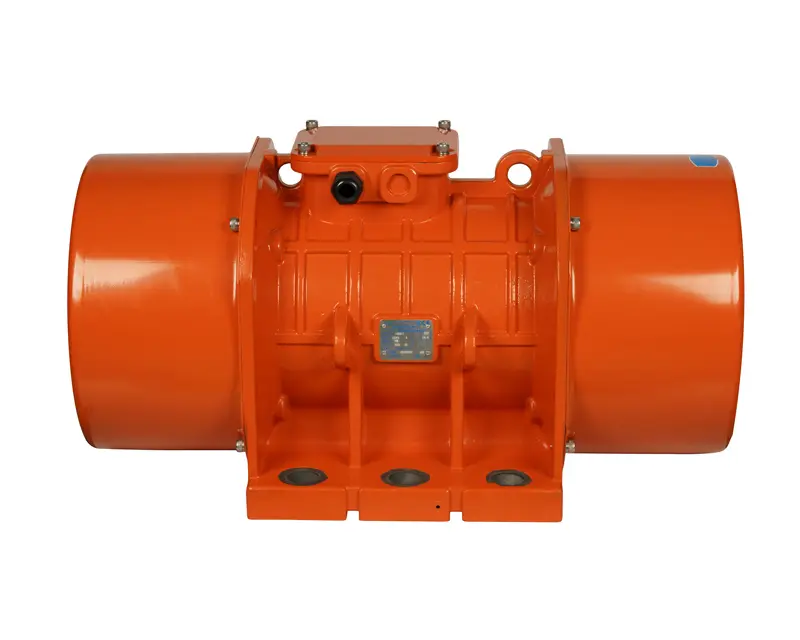
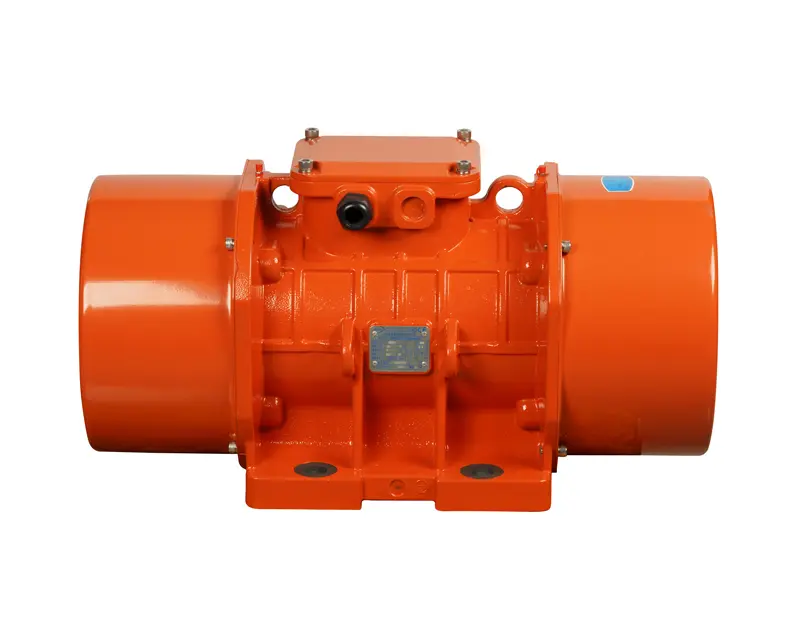
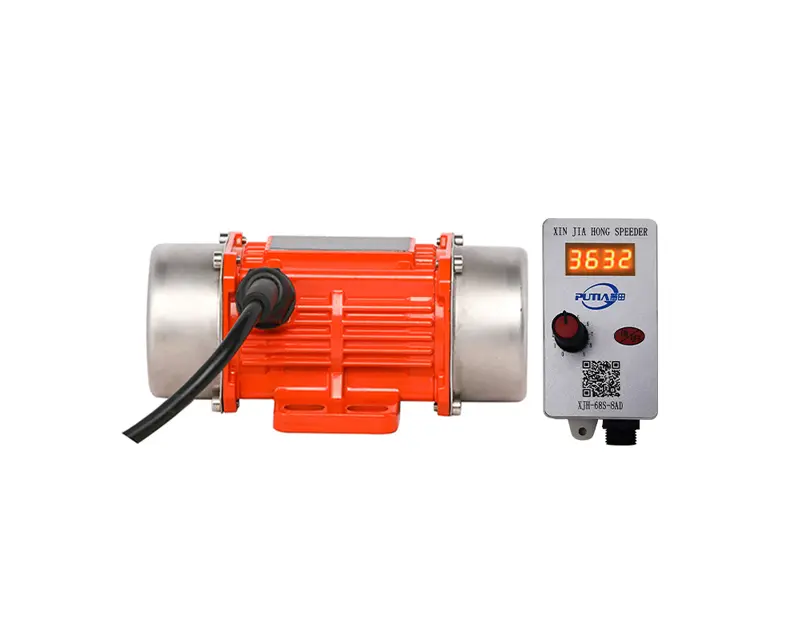
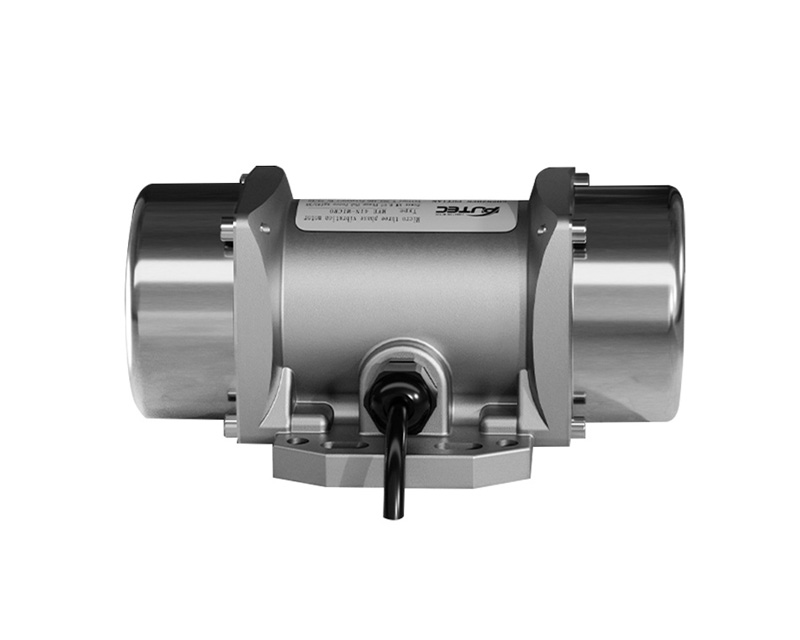
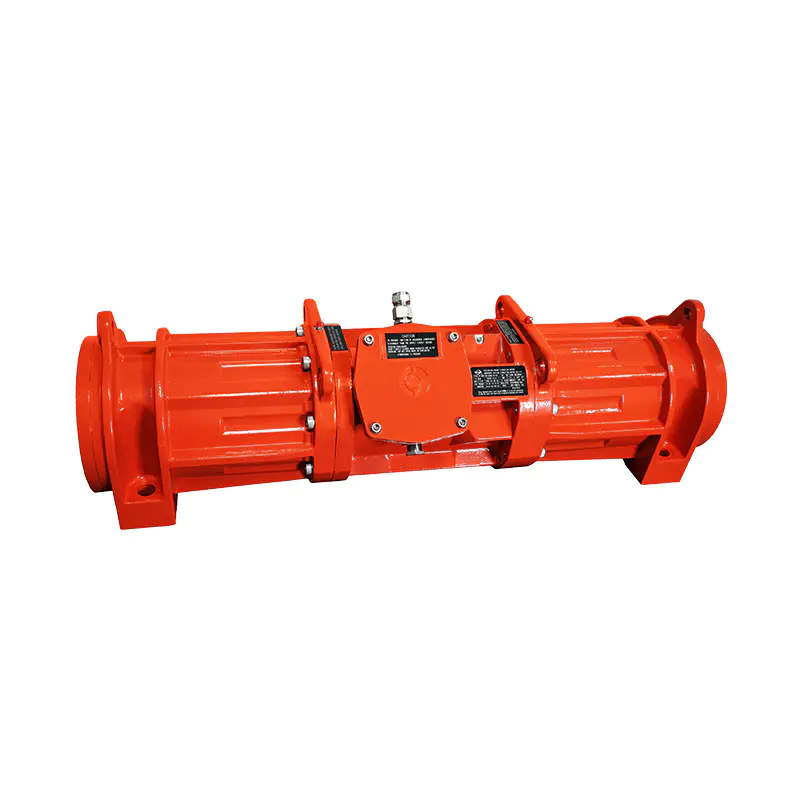
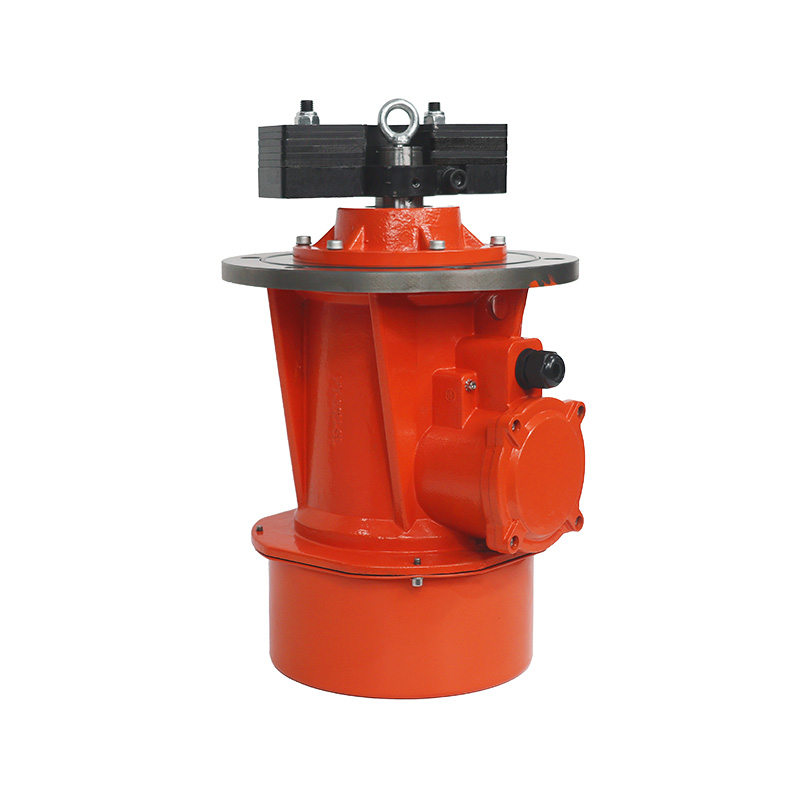
When a vibrating machine becomes larger and handles heavier material loads, selecting a suitable drive is no longer simply a matter of choosing a motor with sufficient power. The relationship between excitation force, operating speed, machine structure, and mounting conditions becomes increasingly important. The MVE series AC vibration motor is designed for industrial equipment where controlled mechanical vibration is required, while the MVE10000/15 provides a 10000KG force rating with a 4-pole configuration and 1500/1800RPM speed options. For equipment manufacturers, understanding how these parameters interact can help create a more balanced vibration system.
Where Does High Excitation Force Become Important?
Large screening, feeding, conveying, and material-handling equipment may need substantial vibratory force to move or process a heavy material load. If the drive is underspecified, the equipment may struggle to generate the intended movement under actual operating conditions.
However, higher force should not be considered independently. The motor works together with the machine frame, vibrating body, springs, bearings, fasteners, and material load. This is why motor selection should begin with the complete equipment design rather than with a single nameplate value.
Why Does the 4-Pole Configuration Matter?
The number of poles influences the motor's operating speed and therefore affects the vibration characteristics of the equipment. The MVE10000/15 uses a 4-pole configuration, with a rated speed of 1500RPM at 50Hz and 1800RPM at 60Hz.
For machinery designers serving different electrical markets, the two frequency options can be useful when developing equipment for regions with different power standards. More importantly, the selected speed needs to correspond with the machine's mechanical design and the desired vibration behavior.
Is 10000KG Force Suitable for Every Large Vibrating Machine?
A high-force vibration motor should never be selected simply because the equipment is large. The required excitation force depends on factors such as the vibrating mass, material characteristics, machine geometry, support system, and intended movement.
Before integrating a motor, engineers can review:
- Total vibrating mass and expected material load
- Required vibration direction and operating speed
- Frame strength and mounting position
- Spring or isolation arrangement
- Number and arrangement of vibration motors
- Electrical frequency and operating environment
This approach helps prevent a mismatch between motor capability and the mechanical structure.
How Should the Machine Structure Be Designed Around the Motor?
A powerful vibration source places greater importance on structural engineering. Mounting surfaces need to provide appropriate support, while the frame must be designed to accommodate the forces generated during operation.
From a manufacturing perspective, we pay attention to the connection between the motor and the equipment rather than treating the vibration motor as an isolated component. Mounting dimensions, fastening arrangements, load distribution, and overall structural stiffness should be considered during equipment development.
A well-matched system can make the available excitation force more useful while avoiding unnecessary stress caused by an unsuitable machine configuration.
Could Lower Speed Support Heavy-Duty Processing?
Vibration performance is not determined by speed alone. Some large machines are designed around relatively lower operating speeds combined with substantial excitation force to achieve the required material movement.
The 1500/1800RPM operating range of the MVE10000/15 provides a different design reference from higher-speed vibration motors. For heavy screening, feeding, or conveying equipment, engineers can evaluate whether this combination of force and rotational speed fits the intended process.
The key is to develop the motor specification together with the machine's natural characteristics instead of adjusting the motor after the equipment has already been finalized.
What Should Manufacturers Check During Production?
For a vibration motor manufacturer, consistency between individual production stages is an important part of product development. Mechanical assembly, rotor balance, bearing installation, electrical connections, fastening, and final inspection all contribute to the finished motor.
We therefore approach the MVE series from both electrical and mechanical perspectives. For OEM equipment manufacturers, understanding the intended application allows us to discuss the motor specification alongside installation requirements and operating conditions.
This manufacturer-to-manufacturer communication can reduce avoidable design changes when a vibration motor becomes part of a larger machine.
Building a Heavy-Duty Vibration System Around Real Equipment
As industrial processing continues to rely on screening, conveying, feeding, and other bulk-material operations, large vibrating machines need drive systems that are matched to their mechanical design rather than selected by a single specification.
As a vibration motor manufacturer, we develop the MVE series AC vibration motor with different equipment requirements in mind. The MVE10000/15 combines 10000KG excitation force, a 4-pole design, and 1500/1800RPM operation at 50/60Hz, providing equipment engineers with a defined foundation for large vibrating machinery. For manufacturers developing heavy-duty screens, feeders, conveyors, and material-processing systems, selecting the right motor is ultimately about matching force, speed, structure, and application into one workable design.
Mobile
Products
Contact Us
- Address: No.6 Building, Wanfeng 98 Industrial City, Shajing Street, Baoan District, Shenzhen, Guangdong, China.
- Phone: +86-18923719730 / +86-0755-27460501
- Fax: +86-0755-27460606
- E-mail: [email protected]
Copyright © Shenzhen Putian Vibration Motor Co., Ltd. All Rights Reserved.

