

 English
 русский
 Português
 عربى
عربى فارسی
فارسیIndustry News
 Home / News / Industry News / Why Are More Factories Moving Toward Stainless Steel Vibration Motors?
 Why Are More Factories Moving Toward Stainless Steel Vibration Motors?
 Sep-15-2026
 Industry News
Shenzhen Putian Vibration Motor Co., Ltd.
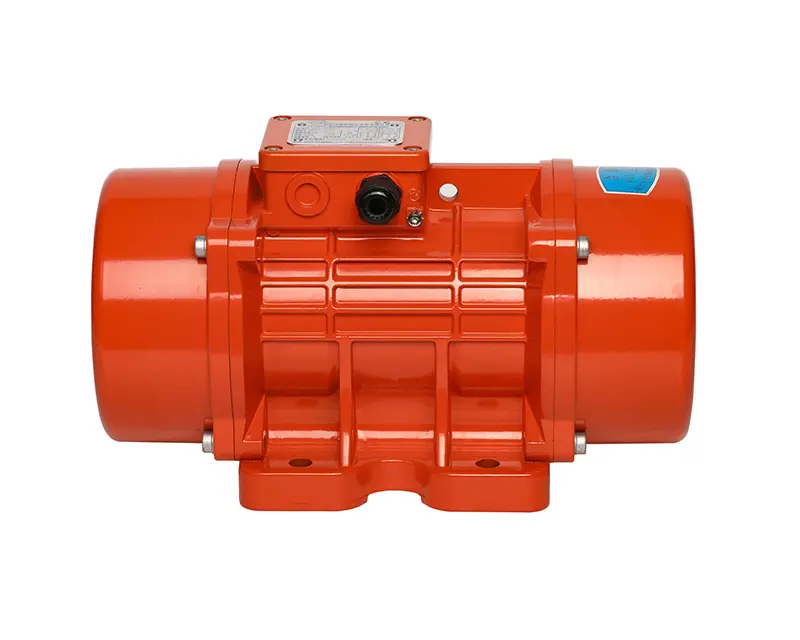
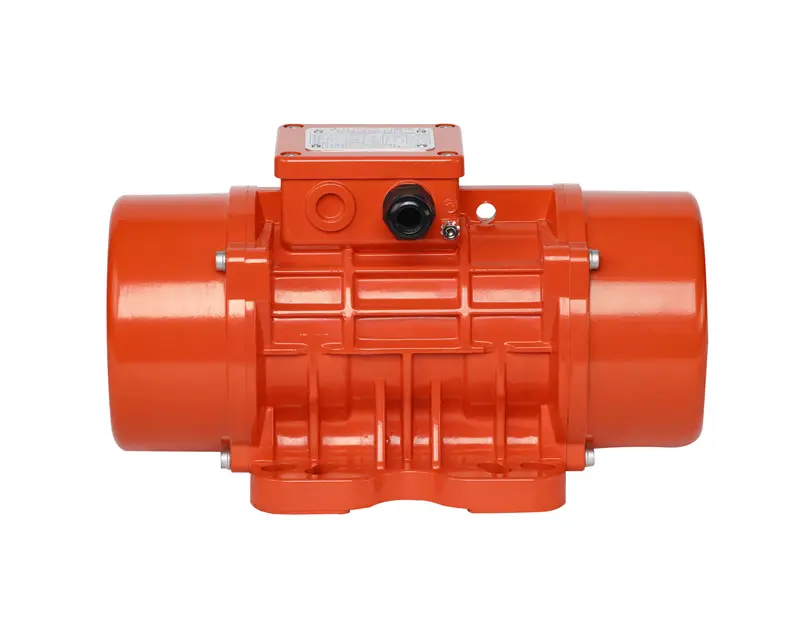
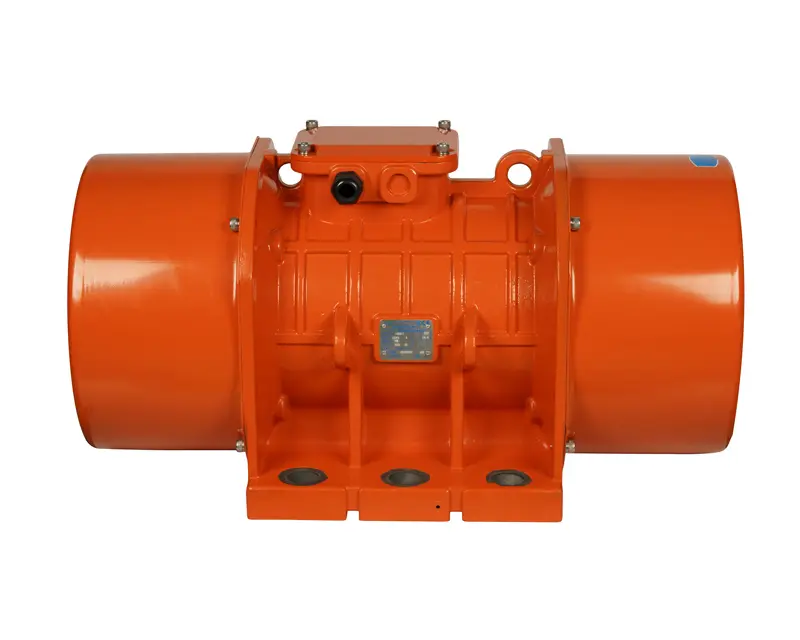
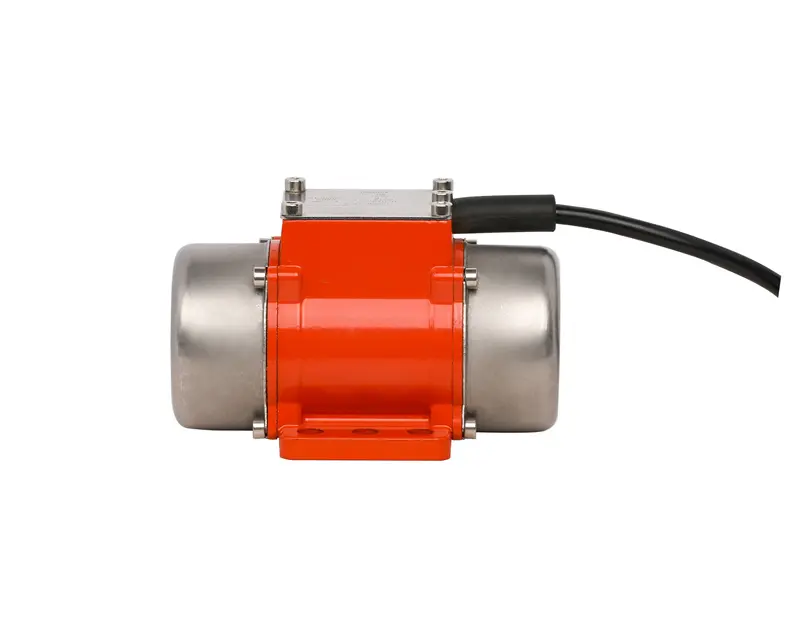
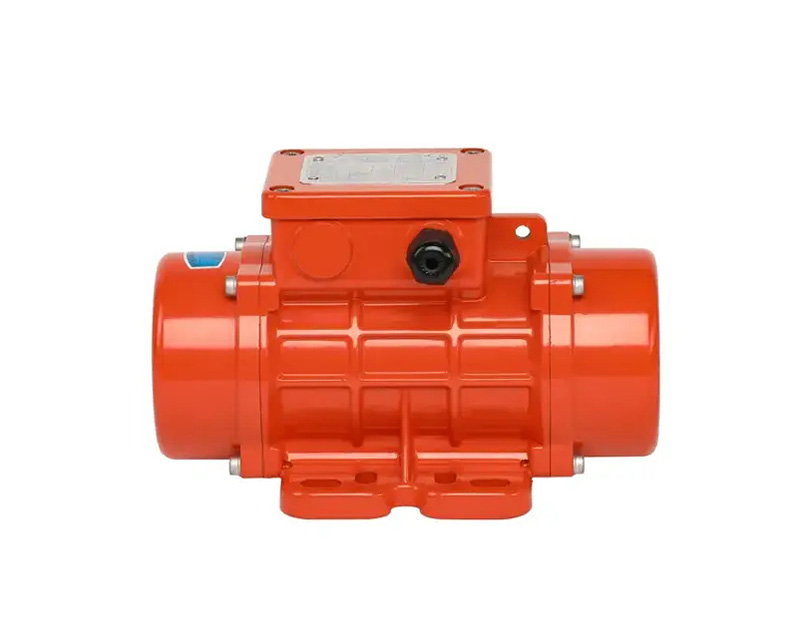
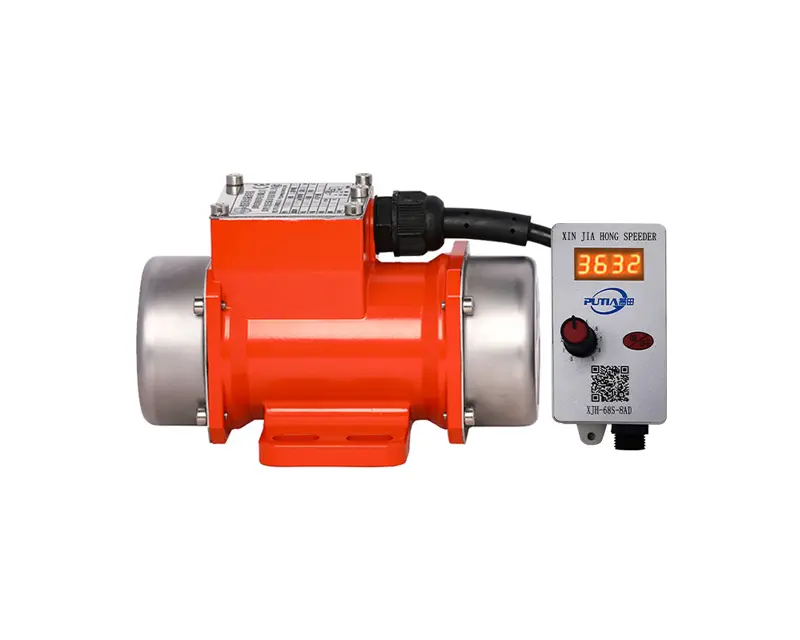
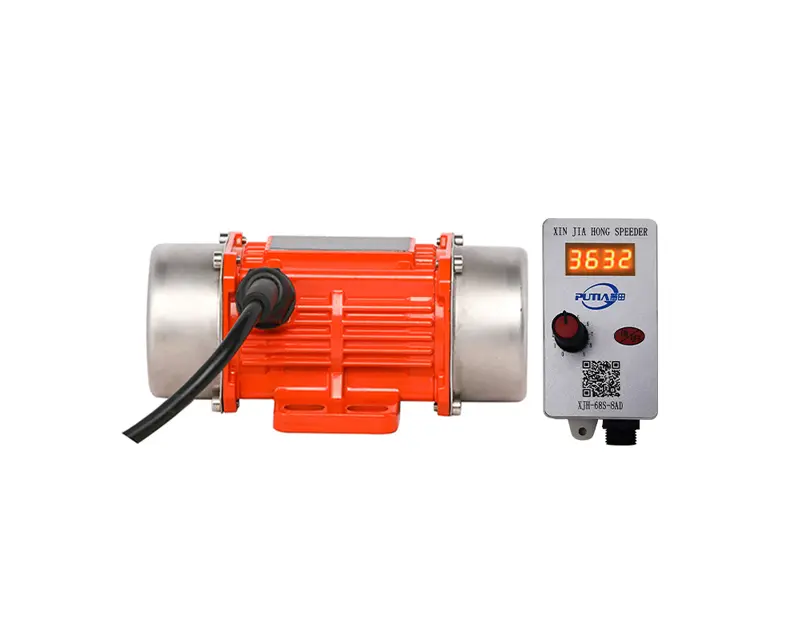
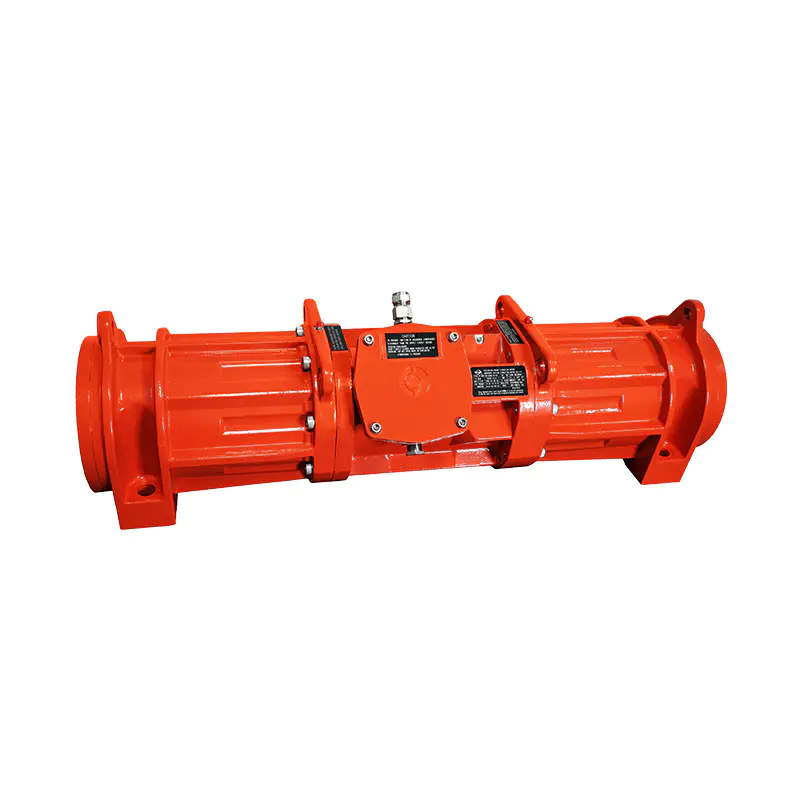
In many industrial plants, vibration equipment operates in conditions where moisture, cleaning routines, dust, chemicals, and repeated mechanical loading can influence component selection. This is one reason more and more factories are choosing stainless steel vibration motors, because of their durability, corrosion resistance, and sturdiness. For equipment manufacturers and industrial buyers, however, the decision should go beyond material preference. The real question is how stainless steel construction can support the operating requirements of the complete vibration system.
When Does Corrosion Resistance Become an Engineering Requirement?
A vibration motor may be exposed to much more than normal mechanical stress. Food processing lines can involve frequent cleaning and moisture, while chemical production may expose equipment to process substances or corrosive surroundings. In these applications, the condition of the motor housing and external components becomes part of the equipment design.
Stainless steel construction can provide a practical option where corrosion resistance is important. It can also support equipment designs that place greater emphasis on cleanable surfaces and material compatibility. However, the appropriate construction still needs to be considered according to the actual process environment rather than treated as a universal specification.
Why Is Durability Important for Vibrating Equipment?
Vibration equipment naturally places repeated mechanical loads on its components. The motor needs to generate the required excitation while remaining mechanically integrated with the machine structure.
For manufacturers, durability therefore involves more than the choice of housing material. Rotor balance, bearing installation, fastening, structural design, and assembly quality all influence the finished motor. A robust housing can be valuable, but it needs to be supported by appropriate internal components and controlled manufacturing processes.
This is why we approach stainless steel vibration motors as complete engineered products rather than simply changing the material of a standard motor.
Does Stainless Steel Also Help With Cleaning Requirements?
In food-related and hygiene-sensitive production environments, equipment surfaces may need to be cleaned regularly. A motor installed close to processing equipment therefore needs to be considered as part of the surrounding machine rather than as an isolated drive component.
Stainless steel can support applications where resistance to moisture and cleaning conditions is an important consideration. The exact result still depends on the material grade, surface condition, process chemicals, cleaning method, and overall equipment design.
For OEM customers, these factors are worth discussing during product development so that the motor construction corresponds with the actual operating environment.
Which Applications Can Benefit From This Design Approach?
Stainless steel vibration motors can be considered for equipment operating in environments where mechanical vibration is combined with moisture, cleaning, or corrosive exposure. Typical application discussions may include:
- Food processing and ingredient handling equipment
- Chemical processing and material handling systems
- Vibrating screens and separators
- Feeders and conveying equipment
- Hoppers, bins, and other flow-assistance machinery
- Industrial equipment requiring a corrosion-resistant motor housing
The suitability of a motor still depends on the complete machine, but identifying the environmental conditions early can help engineers avoid making material selection an afterthought.
How Should Manufacturers Balance Strength and Corrosion Resistance?
A stainless steel vibration motor needs to satisfy both environmental and mechanical requirements. Increasing attention to corrosion resistance does not remove the need to consider vibration force, mounting conditions, operating speed, bearings, electrical configuration, and structural loading.
From our manufacturing perspective, these elements need to be developed together. The motor housing, internal assembly, connection points, and mounting arrangement should form a coherent mechanical system.
For equipment manufacturers, this approach is particularly useful when developing customized vibration equipment for food, chemical, or other demanding industrial applications.
What Should Buyers Discuss With the Motor Manufacturer?
The useful specification discussion usually begins with the application rather than a product number. Before production, we recommend clarifying:
- Where the motor will be installed
- Whether moisture or cleaning chemicals are present
- Required excitation force and operating speed
- Mounting dimensions and equipment structure
- Electrical frequency and power requirements
- Expected operating conditions and maintenance practices
Providing this information allows the manufacturer to evaluate the motor as part of the customer's equipment. It also creates a clearer basis for customization when standard configurations do not fully match the application.
Designing Stainless Steel Vibration Motors Around Real Industrial Conditions
The growing use of stainless steel in food processing and other demanding material-handling environments reflects a broader need to consider hygiene, corrosion resistance, cleanability, and mechanical durability together. Recent industry discussions around vibrating equipment also continue to connect stainless steel construction with applications where cleaning and environmental resistance are important.
As a vibration motor manufacturer, Shenzhen Putian Vibration Motor Co., Ltd. focus on developing stainless steel vibration motors around real equipment requirements rather than treating corrosion resistance as a standalone feature. More and more factories are choosing stainless steel vibration motors, because of its durability, corrosion resistance and sturdiness, particularly when these characteristics need to work alongside reliable vibration performance and practical machine integration. By combining material selection with controlled assembly and application-focused engineering, we help overseas equipment manufacturers develop vibration systems suited to their actual production environments.
Mobile
Products
Contact Us
- Address: No.6 Building, Wanfeng 98 Industrial City, Shajing Street, Baoan District, Shenzhen, Guangdong, China.
- Phone: +86-18923719730 / +86-0755-27460501
- Fax: +86-0755-27460606
- E-mail: [email protected]
Copyright © Shenzhen Putian Vibration Motor Co., Ltd. All Rights Reserved.

