

 English
 русский
 Português
 عربى
عربى فارسی
فارسیIndustry News
 Home / News / Industry News / Why Are Overseas Buyers Suddenly Paying More Attention to Explosion-Proof Vibration Motors?
 Why Are Overseas Buyers Suddenly Paying More Attention to Explosion-Proof Vibration Motors?
 Sep-07-2026
 Industry News
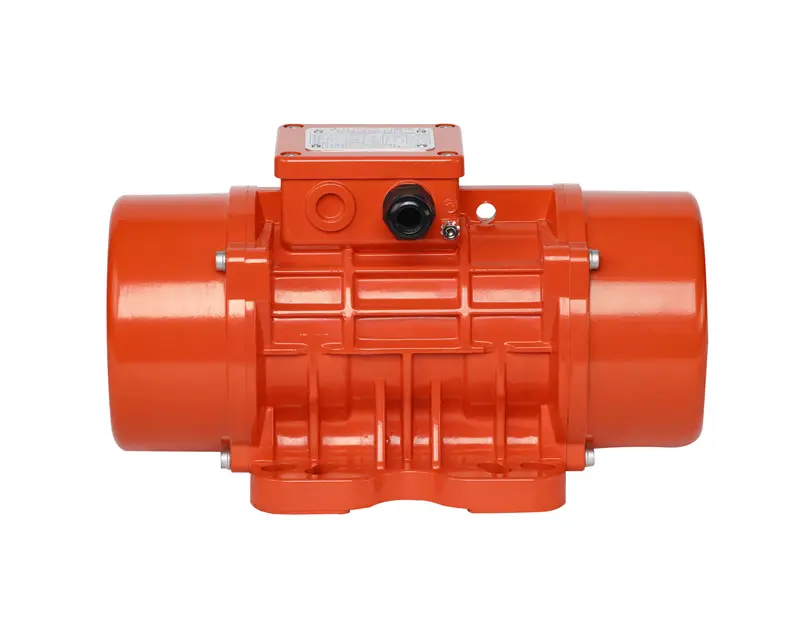
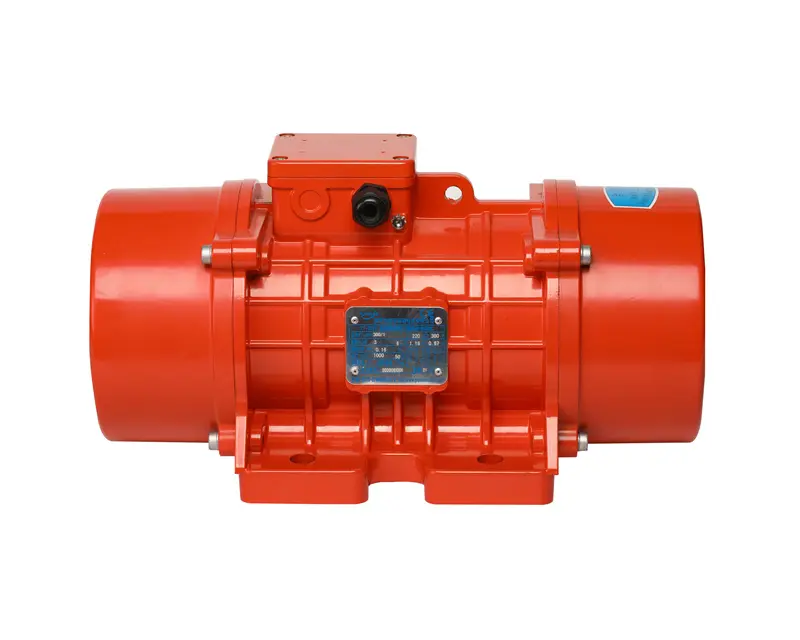
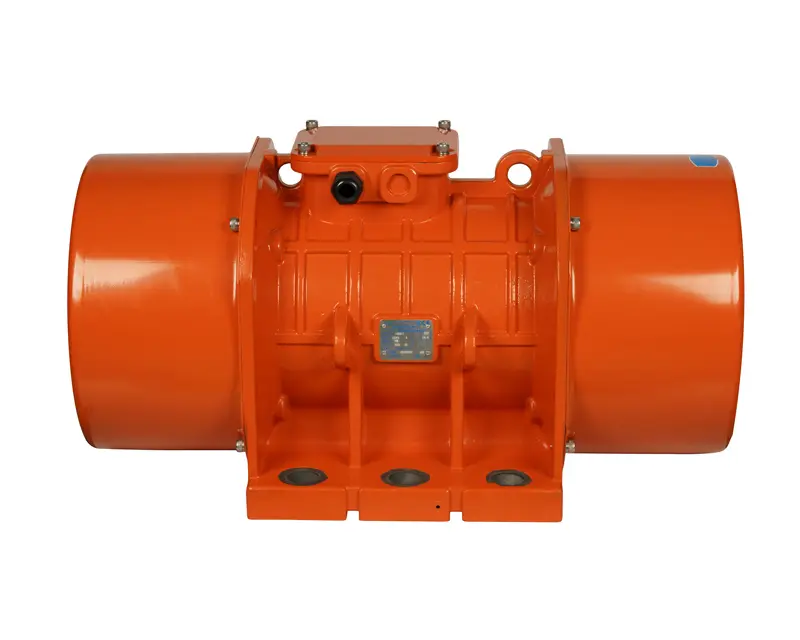
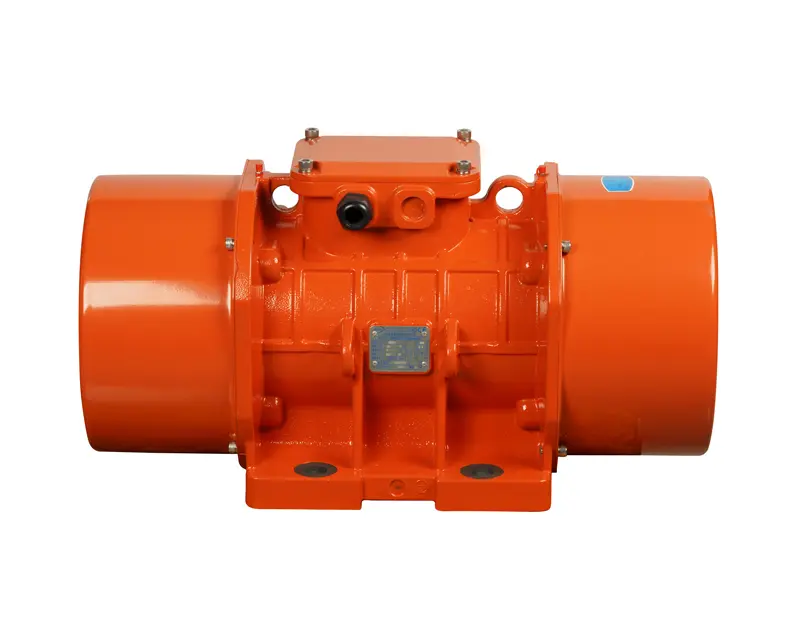
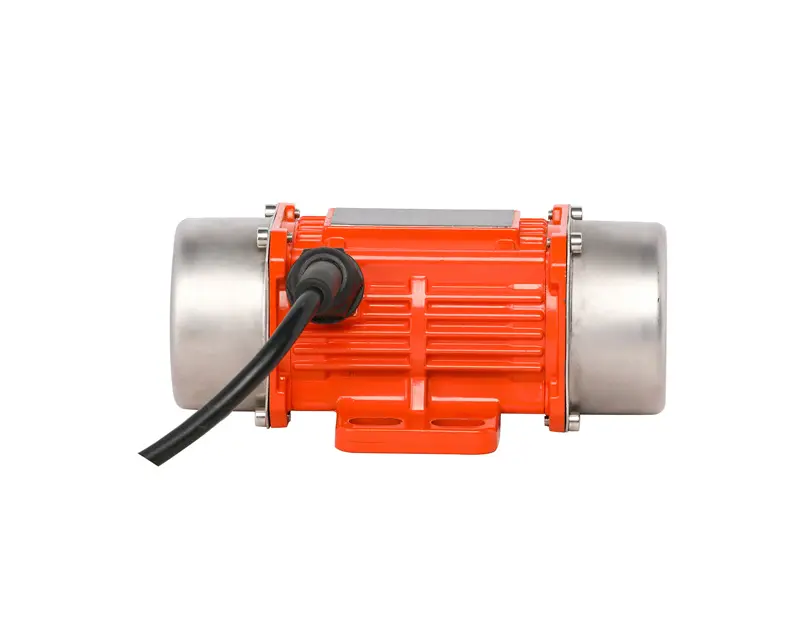
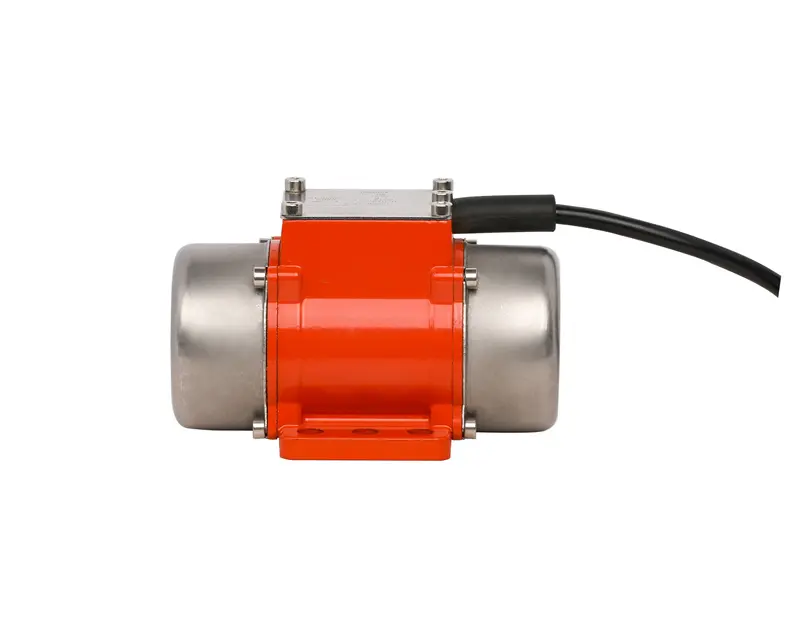
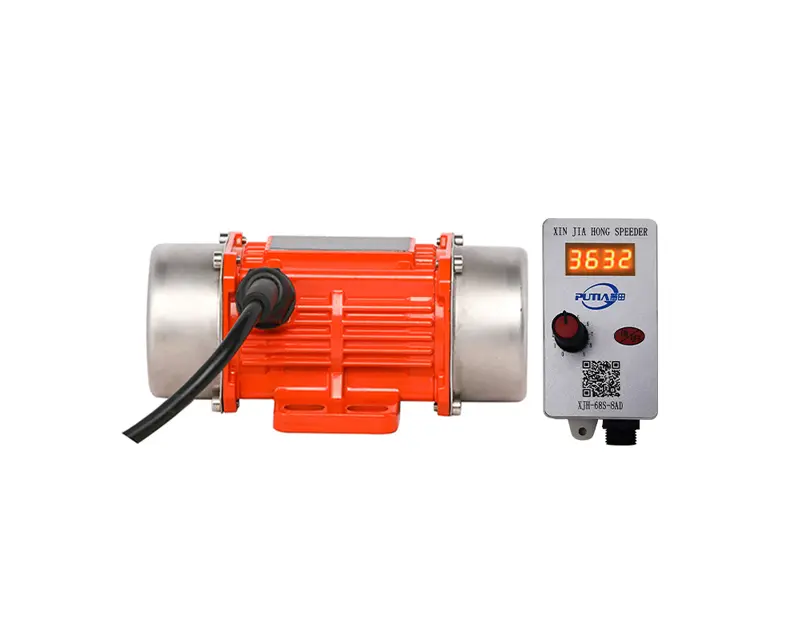
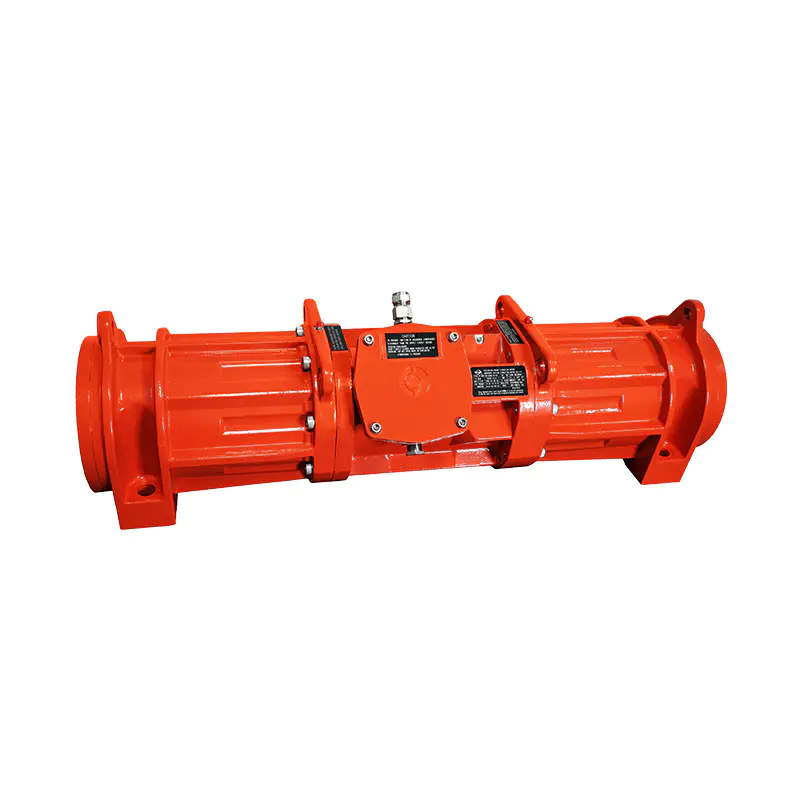
Hazardous-area equipment sourcing has picked up noticeably over the past few quarters. Procurement teams in oil and gas, chemical processing, mining, and bulk powder handling are asking sharper questions before they place an order: Is the motor genuinely built for a classified zone, or just labeled that way? Can it run on both 50Hz and 60Hz grids without a redesign? And will it hold up under continuous duty without turning into a maintenance headache six months later? These questions are exactly why a compact, dual-speed unit like the MVE700/15E has been showing up more often in buyer inquiries lately.
Hazardous-Area Compliance Is No Longer an Afterthought
Plants handling flammable dust or gas — cement silos, grain terminals, chemical hoppers — are under growing pressure to document that every piece of vibrating equipment near the process line meets explosion-proof construction requirements. Buyers aren't just asking for a spec sheet anymore; they want to know the enclosure rating, the ignition-protection type, and whether the motor housing itself is rated for the zone it will sit in. An AC three-phase, 4-pole explosion-proof vibration motor answers that first-line question before any other feature gets discussed.
Why 1500/1800 RPM Matters More Than It Used To
Cross-border orders mean cross-border power grids. A motor that only performs at 1500 RPM on 50Hz supply becomes a problem the moment it ships to a 60Hz market. The MVE700/15E is built to run at 1500/1800 RPM, so the same unit adapts to both frequency standards without a separate SKU or a custom rewind. For exporters and EPC contractors juggling multiple destination countries, that flexibility simplifies inventory and shortens quoting time.
Sizing for Real Bulk-Material Applications
A 7kN exciting force places this motor firmly in the range used for medium-duty bin activation, hopper discharge assistance, and screen or feeder vibration — not oversized for light dosing tasks, not underpowered for sticky or bridging materials. Before confirming a model, buyers typically check a short list:
- Mounting orientation and bracket compatibility with the existing hopper or chute
- Ambient temperature range at the installation site
- Duty cycle — continuous versus intermittent operation
- Cable entry type suited to the hazardous zone classification
- Noise and vibration transmission limits set by local site regulations
Reliability Concerns Are Driving Repeat Business
Unplanned downtime on a vibrating feeder line is expensive, so reliability now weighs as heavily as price in many RFQs. Sealed bearing arrangements, corrosion-resistant coatings, and IP-rated junction boxes get discussed early in supplier conversations, not left for after-sales troubleshooting.
Certification Documentation Buyers Should Request
Rather than accepting a verbal claim, experienced buyers ask for the specific hazardous-area protection type and test documentation behind an explosion-proof rating, and they compare it against the classification of their own site before signing off.
Sourcing With a Manufacturer, Not Just a Trading Company
Working directly with the factory behind a model like the MVE700/15E gives buyers access to technical drawings, application guidance, and after-sales support without a middleman layer — something increasingly valued as procurement cycles get shorter and technical scrutiny gets tighter.
Follow #Putianvibrator for ongoing updates on explosion-proof vibration motor applications and technical guidance.
Mobile
Products
Contact Us
- Address: No.6 Building, Wanfeng 98 Industrial City, Shajing Street, Baoan District, Shenzhen, Guangdong, China.
- Phone: +86-18923719730 / +86-0755-27460501
- Fax: +86-0755-27460606
- E-mail: [email protected]
Copyright © Shenzhen Putian Vibration Motor Co., Ltd. All Rights Reserved.

