

 English
 русский
 Português
 عربى
عربى فارسی
فارسیIndustry News

Why Is Motor Power Not Enough When Choosing an AC Vibration Motor?
 Sep-04-2026
 Industry News
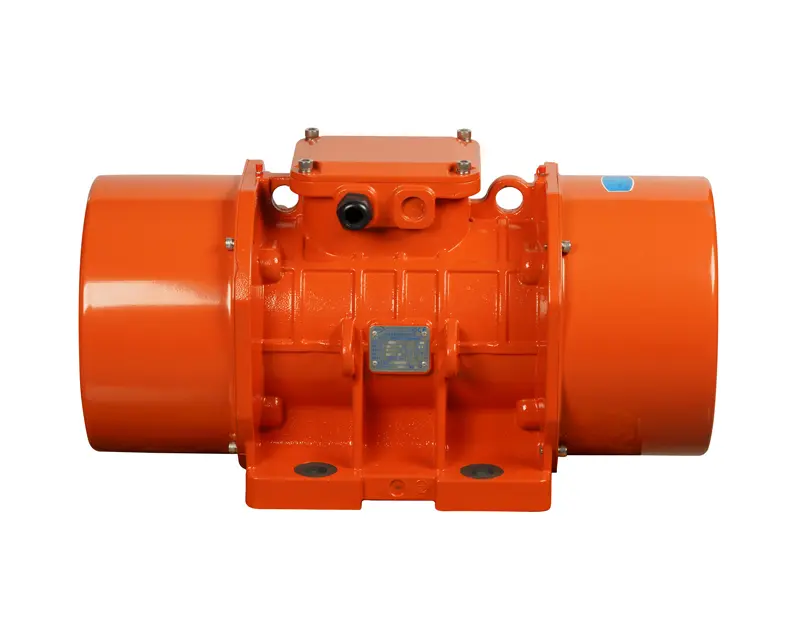
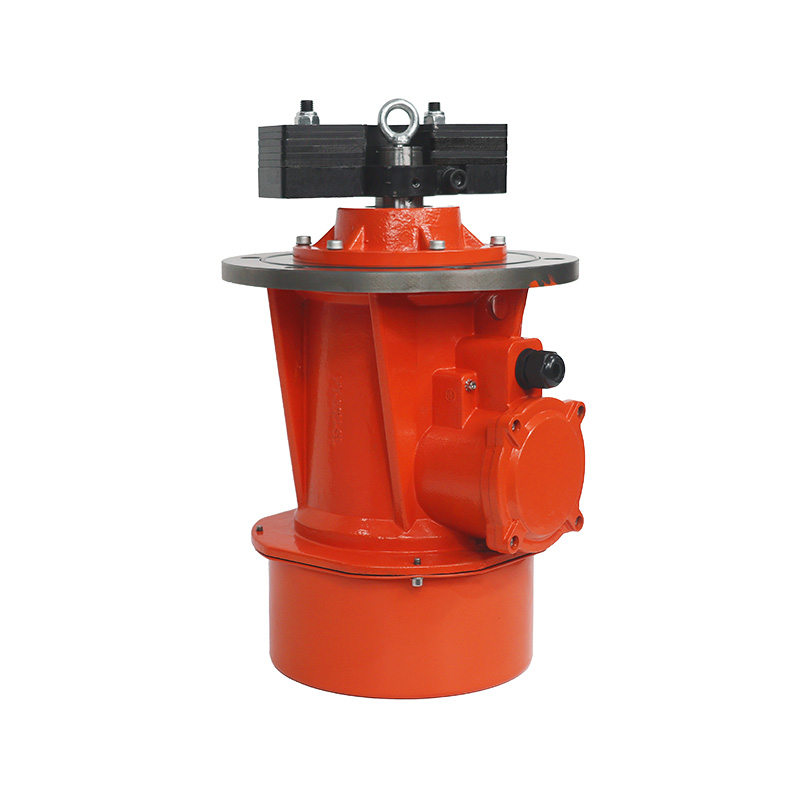
Selecting a vibration motor for industrial equipment can be more complicated than comparing motor power or electrical specifications. A motor that appears suitable on paper may produce the wrong vibration characteristics when combined with a particular screen, feeder, hopper, or conveyor. For equipment manufacturers, the key is to match the motor with the complete vibration system. An experienced AC vibration motor manufacturer considers excitation force, operating speed, equipment mass, mounting conditions, and working environment before finalizing the motor configuration.
Vibration Force Needs to Match the Equipment
The purpose of a vibration motor is not simply to make equipment vibrate. It needs to generate a controlled force that corresponds with the mass and structure of the machine.
If the excitation force is too low, material may not move effectively through a feeder or screening machine. If it is unnecessarily high, the additional mechanical load can place greater demands on the equipment structure and mounting components.
This makes force selection an engineering decision rather than a simple motor-size comparison.
Speed Changes the Character of Vibration
Operating speed directly influences how vibration is produced. Different applications may require different combinations of frequency and amplitude depending on whether the equipment is being used for screening, conveying, feeding, compacting, or material discharge.
For an industrial vibration motor manufacturer, selecting the appropriate speed begins with understanding the movement required by the customer's equipment. A high-frequency configuration is not automatically suitable for every application, just as a lower-frequency motor may be inappropriate for fine screening.
Equipment Weight Changes the Selection
The weight of the vibrating machine itself is an important part of motor selection. The motor needs to generate sufficient excitation for the complete vibrating structure, not simply the material being processed.
Engineers should therefore consider several factors together:
- Machine structure and total equipment mass
- Material weight and flow characteristics
- Required vibration amplitude
- Operating speed
- Number and position of vibration motors
- Mounting arrangement
This system-based approach gives manufacturers a more reliable basis for choosing the appropriate motor configuration.
Mounting Design Influences Performance
Even a correctly selected motor can produce unsatisfactory results if it is poorly integrated into the equipment. The mounting surface, bolt arrangement, frame strength, motor position, and overall structural design all affect how vibration is transferred.
For equipment manufacturers, this means the motor should be considered during the early design stage. Instead of adding the vibration motor after the machine structure has already been finalized, engineers can reserve suitable mounting positions and reinforce the relevant areas according to the expected vibration load.
Environmental Conditions Should Be Included
Industrial vibration equipment may operate in dusty, humid, hot, or demanding environments. These conditions can influence motor housing, bearings, electrical insulation, and overall service requirements.
When developing a vibration solution, manufacturers should understand where the equipment will be installed and how frequently it will operate. This information can guide decisions regarding protection, materials, cooling, and component configuration.
For overseas buyers, discussing the actual working environment with the manufacturer can help avoid selecting a standard motor that is not well matched to the installation conditions.
Manufacturing Consistency Matters in Equipment Production
For a vibration motor manufacturer, engineering design is only one part of the process. Rotor balance, eccentric weight adjustment, bearing installation, winding quality, housing assembly, and electrical inspection all contribute to the finished motor.
Consistent manufacturing becomes particularly important for equipment manufacturers purchasing motors in batches. If the motors are installed across multiple machines, variations in performance can make equipment commissioning more difficult.
Controlled production and final inspection help ensure that motors follow the approved technical configuration before shipment.
Application-Based Selection Creates Better Results
The right AC vibration motor should be selected according to the complete application rather than one isolated specification. Screening, conveying, feeding, hopper discharge, compaction, and other processes can require different vibration characteristics.
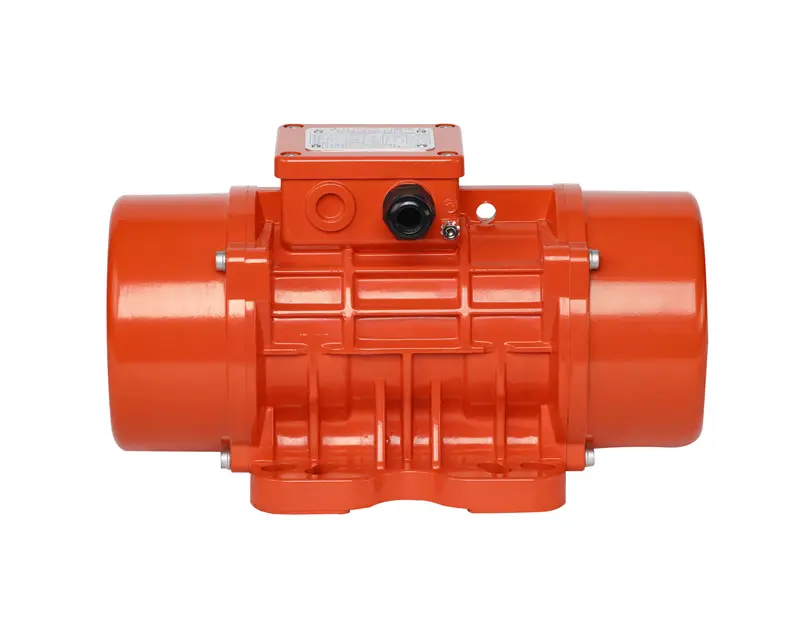
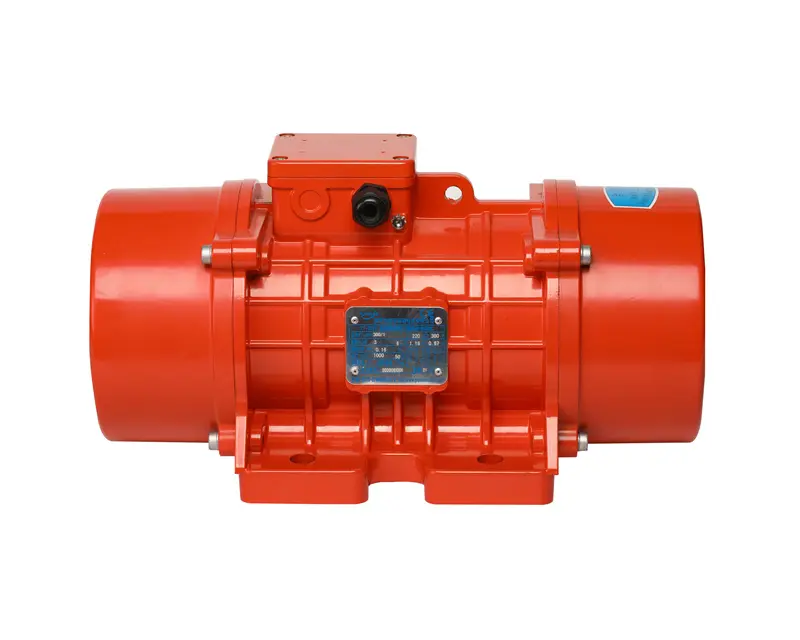
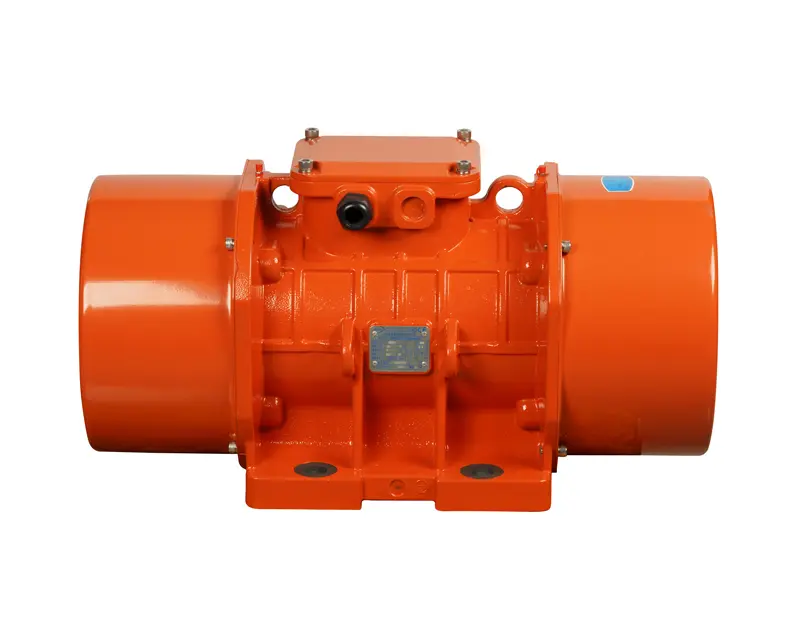
As an AC vibration motor manufacturer, we evaluate motor selection from the perspective of the complete equipment system. By considering excitation force, speed, machine structure, mounting conditions, environmental requirements, manufacturing consistency, and final testing, we can develop vibration motor solutions that are better aligned with the equipment manufacturer's actual design and operating needs.
Mobile
Products
Contact Us
- Address: No.6 Building, Wanfeng 98 Industrial City, Shajing Street, Baoan District, Shenzhen, Guangdong, China.
- Phone: +86-18923719730 / +86-0755-27460501
- Fax: +86-0755-27460606
- E-mail: [email protected]
Copyright © Shenzhen Putian Vibration Motor Co., Ltd. All Rights Reserved.

