

 English
 русский
 Português
 عربى
عربى فارسی
فارسیIndustry News

DC vs AC Motors: Key Differences Explained
 Dec-26-2025
 Industry News
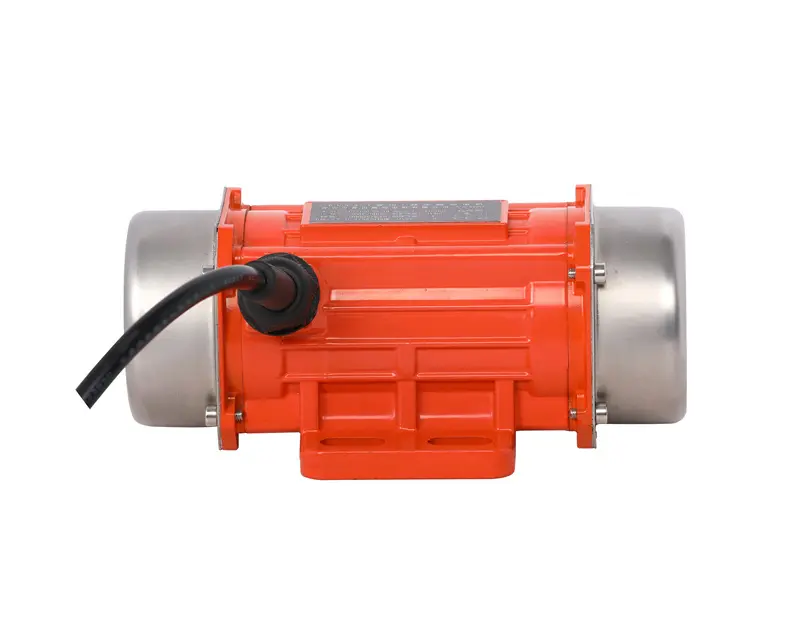
When deciding between DC and AC vibration motors, the choice largely depends on the specific requirements of the application. DC vibration motors offer precise control, energy efficiency, and flexibility, making them ideal for industries requiring variable speed, adjustable vibration intensity, and compact design.
1. Power Source: Direct Current vs. Alternating Current
The more fundamental difference between DC and AC motors is the type of power source they use.
DC Motors: As the name suggests, DC motors operate on direct current. This means that the current flows in one direction only, providing a constant voltage. DC motors are known for their ability to provide smooth, continuous power, which is essential for applications that require precise control over speed and vibration intensity.
AC Motors: AC motors, on the other hand, run on alternating current. The direction of the current changes periodically, which results in fluctuating power. While AC motors are ideal for high-power applications where constant speed is required, they are generally not as precise in controlling speed or vibration intensity as DC motors.
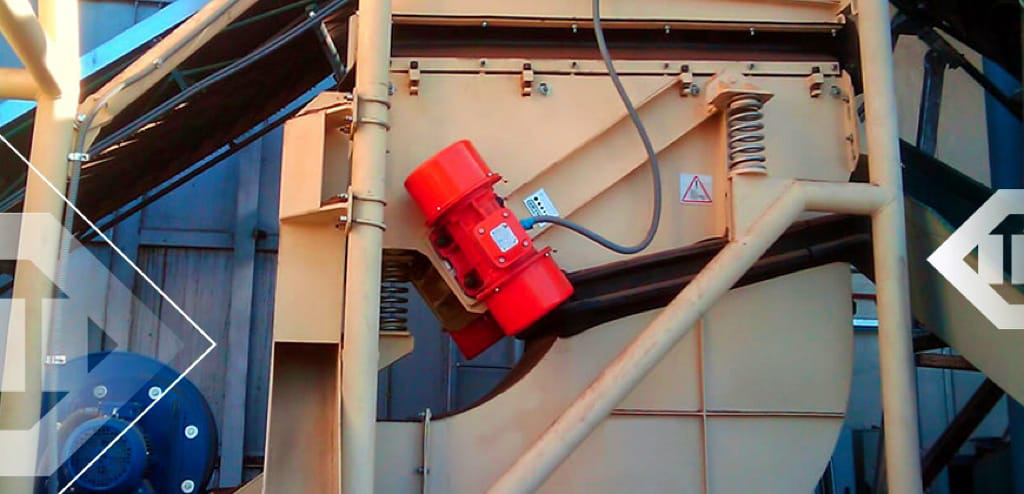
2. Speed and Vibration Control
One of the key reasons DC vibration motors are favored over AC motors is their nice control over speed and vibration frequency.
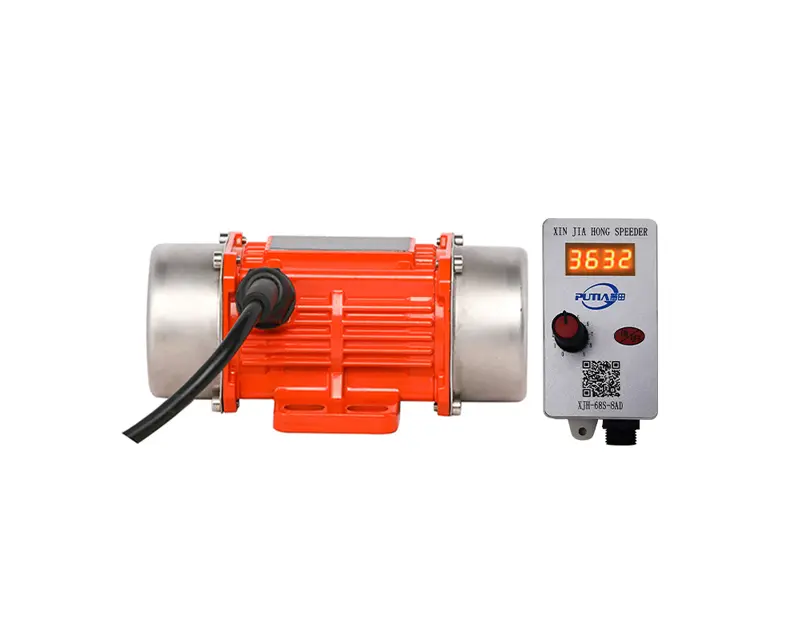
DC Vibration Motors: These motors allow for precise control over speed and vibration. By adjusting the input voltage, the motor's speed and vibration intensity can be fine-tuned to meet the specific needs of an application.
AC Motors: While AC motors can provide a consistent speed, they lack the fine control over speed and vibration that DC motors offer. The fluctuations in power supply can result in uneven vibrations, making them less suitable for applications that require precise vibrations, such as in material handling or concrete compaction.
3. Energy Efficiency
Energy consumption is a significant factor when choosing between DC and AC motors.
DC Vibration Motors: DC motors are generally more energy-efficient than AC motors, especially in applications where the motor operates intermittently. Since DC motors only consume power when needed, they reduce energy waste and lower operational costs. This makes them a good choice for industries looking to optimize energy usage, such as food processing or electronics manufacturing.
AC Motors: AC motors, while efficient in continuous operations, can consume more power when used intermittently. Since they are designed to run constantly, they are less energy-efficient when used for tasks that require occasional operation or variable speed, making them less cost-effective in certain applications.
4. Size and Design Flexibility
The physical size and design of motors play a crucial role in their selection, especially in industries where space is limited.
DC Vibration Motors: DC motors tend to be more compact and lightweight, making them ideal for applications where space is limited. Their smaller size also allows for easier integration into existing machinery without significant redesigns.
AC Motors: AC motors, particularly in higher power ranges, tend to be larger and heavier. This can be a disadvantage in industries where space constraints are a concern. However, AC motors excel in applications where size is not as critical, such as in large-scale industrial machinery.
AC Motors: AC motors are typically more robust and require less maintenance than DC motors. They have fewer moving parts and no brushes, which means they generally last longer with less frequent servicing.
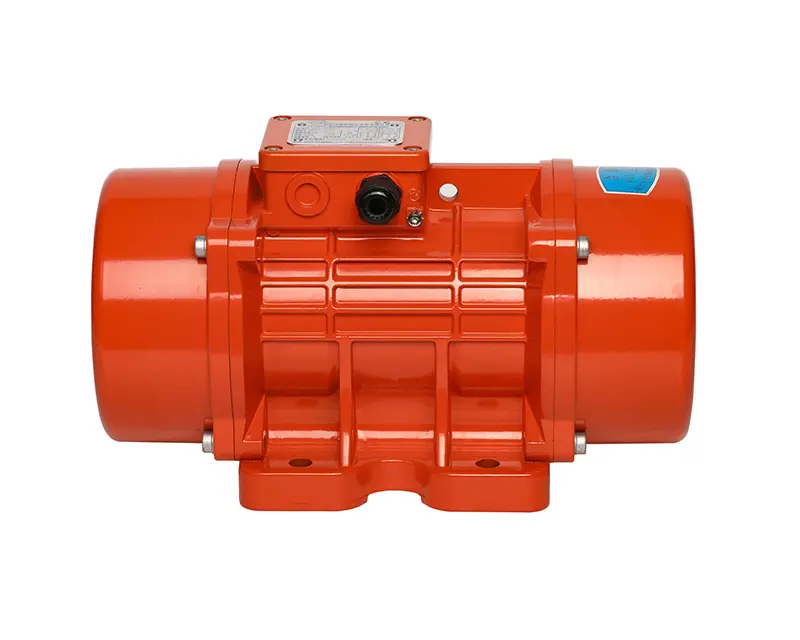
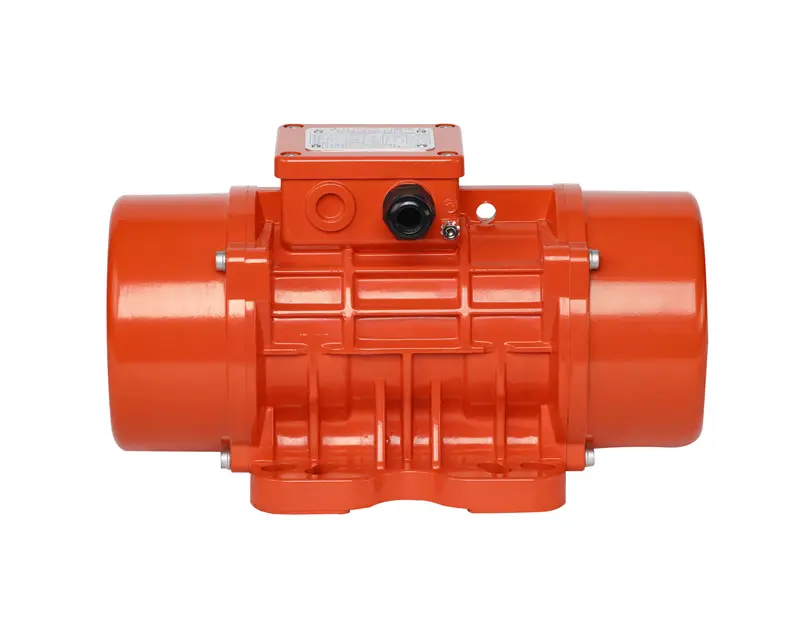
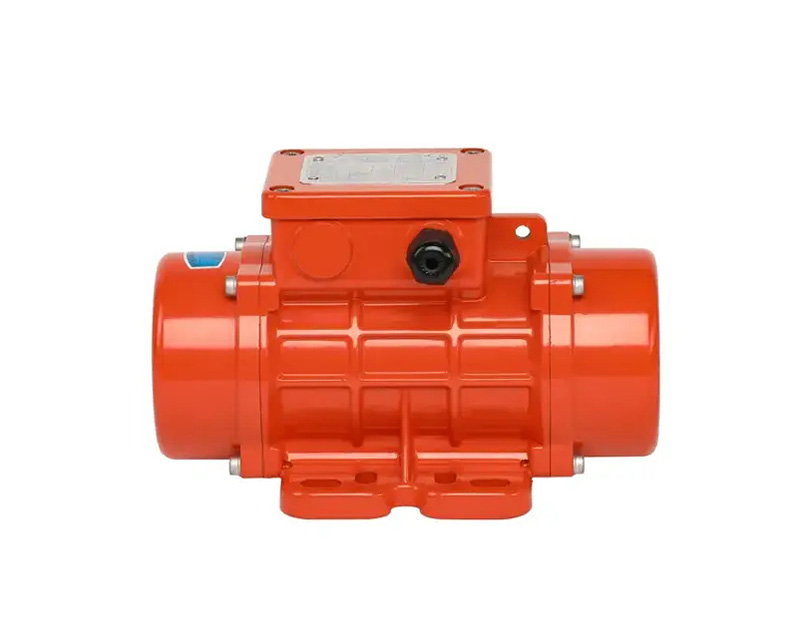
Shenzhen Putian Vibration Motor Co., Ltd. continues to provide high-quality vibration motors that meet the diverse needs of industries worldwide, ensuring reliability and performance in every application.
Mobile
Products
Contact Us
- Address: No.6 Building, Wanfeng 98 Industrial City, Shajing Street, Baoan District, Shenzhen, Guangdong, China.
- Phone: +86-18923719730 / +86-0755-27460501
- Fax: +86-0755-27460606
- E-mail: [email protected]
Copyright © Shenzhen Putian Vibration Motor Co., Ltd. All Rights Reserved.

